If you are looking to enhance your beauty at a centre for plastic surgery, the process starts with aligning your physical appearance with your personal goals. Plastic surgery enhances your features by combining precise medical techniques with an understanding of human anatomy. Whether you are looking for a subtle, temporary refresh or a permanent structural change, a dedicated surgical centre provides the environment, technology, and medical expertise to achieve those results safely.
Rather than offering a one-size-fits-all solution, a proper plastic surgery centre tailors procedures to your unique bone structure, skin elasticity, and lifestyle. Below is a detailed look at the procedures, processes, and practical realities of cosmetic enhancement.
Enhancing your beauty medically is a process that requires careful planning. It is not just about picking a procedure from a menu; it is about finding the right anatomical approach for your specific body or face.
The Importance of a Personalized Consultation
The consultation is the most critical step in any cosmetic journey. During this meeting, a surgeon will review your complete medical history to ensure you are a safe candidate for anesthesia and surgery.
They will also examine the specific areas you want to change. If you are considering a facial procedure, they will measure facial proportions and assess skin thickness. If you are looking at body contouring, they will evaluate fat distribution and muscle tone. This information allows the surgeon to recommend the exact techniques that will work for your body.
Balancing Expectations with Anatomical Reality
It is common to bring in reference photos to show what kind of results you like. However, a responsible surgeon will help you understand how those results translate to your own anatomy.
For example, a nose shape that looks great on a specific celebrity might not suit your facial structure or fit over your underlying cartilage. Good plastic surgery focuses on creating harmony and proportion based on your existing features, rather than trying to replicate someone else’s.
For those interested in exploring non-invasive cosmetic procedures, a related article on HIFU treatment can provide valuable insights into achieving a youthful appearance without surgery. You can read more about this innovative approach to face lifting at the Centre for Plastic Surgery by visiting this link.
Non-Surgical Options for Facial Rejuvenation
Not all enhancements require time in the operating room. Non-surgical treatments have advanced significantly, offering reliable ways to address aging, volume loss, and skin texture with minimal downtime.
Neurotoxins for Dynamic Wrinkles
Neurotoxins, commonly known by brand names like Botox or Dysport, are used to treat dynamic wrinkles. These are the lines formed by repetitive muscle movements, such as frowning, squinting, or raising your eyebrows.
The medication works by temporarily blocking the nerve signals to the targeted muscles, causing them to relax. This smooths out the overlying skin. The procedure takes only a few minutes, and the effects typically last between three and four months before the body naturally metabolizes the product.
Dermal Fillers for Volume and Contour
While neurotoxins relax muscles, dermal fillers add physical volume beneath the skin. As we age, we naturally lose fat and bone density in our faces, which can lead to hollow cheeks, thinning lips, or deep folds around the mouth.
Most modern fillers are made from hyaluronic acid, a substance naturally found in your body that retains moisture. Fillers can be strategically injected to rebuild cheekbones, define a jawline, or plump the lips. Depending on the density of the filler used and the area treated, results can last anywhere from six months to two years.
Laser Treatments and Skin Resurfacing
If your main concern is the quality of your skin rather than volume or wrinkles, laser treatments are a highly effective option. Lasers use focused light energy to treat issues like sun damage, hyperpigmentation, acne scars, and uneven texture.
Ablative lasers remove the damaged outer layers of skin to reveal the fresh skin underneath, requiring a few weeks of downtime. Non-ablative lasers are less invasive; they heat the underlying skin tissue to stimulate new collagen growth without damaging the surface. Your provider will choose the right laser based on your skin type and how much downtime you can accommodate.
Surgical Procedures for Facial Harmony
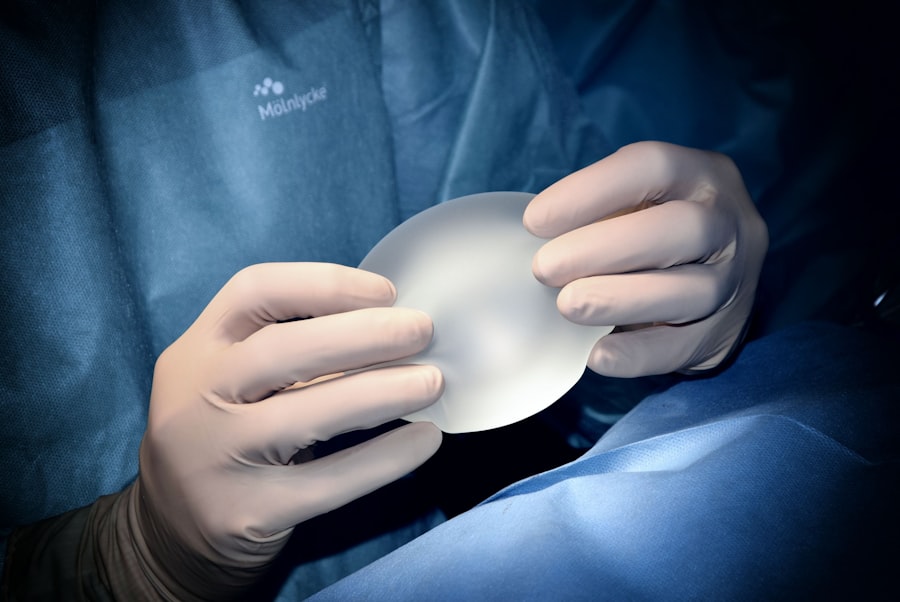
When non-surgical options can no longer achieve your desired results, or if you want to change the structural shape of your features, facial surgery is the next step. These procedures offer permanent or long-lasting changes.
Rhinoplasty: Refining Your Profile
Rhinoplasty, or nose surgery, alters the shape, size, or angle of the nose. It is a highly complex procedure because the nose is a three-dimensional structure made of bone, cartilage, and skin, and it serves a vital respiratory function.
Surgeons can perform a rhinoplasty using a “closed” approach, where all incisions are hidden inside the nostrils, or an “open” approach, which involves a tiny incision on the tissue between the nostrils. The open approach gives the surgeon better visibility for complex reshaping. Whether you want to smooth a dorsal hump or refine the nasal tip, the goal is always to ensure the nose looks natural and breathes well.
Blepharoplasty: Addressing Tired Eyes
The skin around the eyes is incredibly thin and is often the first place to show signs of aging. Blepharoplasty, or eyelid surgery, removes excess skin and fat from the upper or lower eyelids.
If you have heavy, drooping upper lids that make you look tired—or even impair your vision—an upper blepharoplasty can create a more awake, refreshed appearance. A lower blepharoplasty addresses under-eye bags by repositioning or removing the fat pads that bulge outward. The incisions are typically hidden in the natural crease of the eyelid or just below the lash line.
Facelifts and Neck Lifts
A facelift (rhytidectomy) is designed to address moderate to severe sagging in the mid-to-lower face and neck. Modern facelifts do not just pull the skin tight; doing so results in a stretched, unnatural look.
Instead, surgeons access the underlying layer of tissue and muscle called the SMAS (Superficial Musculoaponeurotic System). By lifting and repositioning this deeper layer, the surgeon restores the structural foundation of the face. The excess skin is then gently re-draped and trimmed away. A neck lift is often performed at the same time to remove banding and sagging skin under the chin, creating a sharp, clean jawline.
Body Contouring and Sculpting Procedures
Body contouring procedures are designed to shape and refine your physique. It is important to note that these are not weight-loss surgeries; they are meant for individuals who are close to their ideal weight but have stubborn areas of fat or loose skin that do not respond to diet and exercise.
Liposuction and Fat Transfer
Liposuction removes localized fat deposits. The surgeon injects the area with a tumescent solution—a mixture of saline, local anesthetic, and epinephrine—to minimize bleeding and make the fat easier to remove. A thin hollow tube called a cannula is then inserted to loosen and suction out the fat cells.
In many cases, the removed fat doesn’t have to be discarded. Through a process called fat transfer or fat grafting, the harvested fat is purified and re-injected into other areas of the body that could benefit from extra volume. Common target areas for fat transfer include the breasts, buttocks, or the face.
Tummy Tucks (Abdominoplasty)
A tummy tuck addresses two main issues that liposuction alone cannot fix: loose abdominal skin and stretched abdominal muscles. This is a very common procedure for women post-pregnancy or individuals who have experienced significant weight loss.
During the procedure, the surgeon makes an incision low on the abdomen. They repair the underlying abdominal muscles, suturing them back together if they have separated (a condition known as diastasis recti). The skin is then pulled downward, the excess is removed, and a new opening is created for the belly button. The result is a firmer, flatter abdominal profile.
Breast Enhancement Options
Breast procedures are among the most common surgeries performed at plastic surgery centres. They are highly customizable based on whether you want to increase size, change the shape, or reduce the volume of your breasts.
Breast augmentation uses saline or silicone implants—or sometimes fat transfer—to increase breast size and fullness. If your primary concern is sagging due to age, gravity, or breastfeeding, a breast lift (mastopexy) is more appropriate. A lift removes excess skin and reshapes the breast tissue to sit higher on the chest wall, without necessarily changing the overall size.
For those experiencing physical discomfort, such as back or neck pain from overly large breasts, a breast reduction removes excess fat, tissue, and skin to achieve a breast size that is more proportionate to the body.
At the Centre for Plastic Surgery, understanding the unique factors that influence aesthetic outcomes is crucial for providing personalized treatment plans. An insightful article discusses how genetics, ethnicity, and skin type play significant roles in shaping these outcomes. For those interested in exploring this topic further, you can read the article here: Personalizing Treatment Plans. This knowledge not only enhances the patient experience but also ensures that each individual receives the most effective care tailored to their specific needs.
The Recovery Process: What to Actually Expect
| Metrics | Data |
|---|---|
| Number of surgeries performed | 500 |
| Success rate | 95% |
| Number of satisfied patients | 700 |
| Average recovery time | 2 weeks |
The reality of plastic surgery is that healing takes time. Enhancing your beauty through surgery requires a commitment to the recovery process. Knowing what to expect helps you plan your life around your procedure and minimizes post-surgery anxiety.
Managing the First Few Days
The first 48 to 72 hours after any surgery are usually the most uncomfortable. You will experience swelling, bruising, and a feeling of tightness in the treated areas. Pain is generally manageable with prescribed medications, but you will feel fatigued as your body directs its energy toward healing.
You will likely be instructed to sleep in specific positions. For example, facial surgery patients usually need to sleep with their heads elevated on several pillows to reduce swelling. Tummy tuck patients often sleep in a reclined position with pillows under their knees to take the tension off the abdominal incision. Having a quiet, prepared space at home and someone to help you during these first few days is highly recommended.
Long-Term Healing and Scar Care
While you may feel fine and be ready to return to work within a week or two, your body will still be healing internally for months. Swelling can be incredibly stubborn, particularly after procedures like rhinoplasty or liposuction, and it may take up to a full year to see the final, refined results of your surgery.
Scarring is an inevitable part of any surgical incision. Surgeons are highly skilled at placing incisions in natural creases or hidden areas, but how a scar heals is also up to you. Once the incisions are fully closed, you will need to protect them from the sun and use silicone scar gels or sheets as directed by your surgeon. Over the course of 12 to 18 months, most scars will fade from a raised, red line to a flat, pale mark.
Choosing the Right Board-Certified Surgeon
The technology and techniques used to enhance your beauty are only as good as the person performing them. Selecting the right professional is the single most important decision you will make in your cosmetic journey.
Credentials and Experience Matter
Do not assume that anyone with a medical degree is qualified to perform plastic surgery. You should specifically look for a surgeon who is board-certified in plastic surgery by a recognized, legitimate medical board in your country.
Board certification ensures that the surgeon has completed years of rigorous, specialized training in both reconstructive and cosmetic surgery. Additionally, you should ask if they have operating privileges at local hospitals for the procedures they perform. Hospitals have strict vetting processes, so this is a good indicator of a surgeon’s competence and safety record.
Evaluating Before-and-After Portfolios
A surgeon’s before-and-after photo gallery is their visual resume. When reviewing these portfolios, do not just look at the best outcomes. Look for consistency across dozens of patients.
Try to find “before” photos of patients who have a similar body type, age, or facial structure to yours. This will give you a much more realistic and practical idea of what the surgeon can achieve for you. Pay attention to the lighting and posing in the photos; reputable surgeons use standardized lighting and angles so that the surgical results speak for themselves, without relying on camera tricks.