If you are wondering what happens during a laser treatment at a skin clinic, the short answer is that a professional uses concentrated beams of light to treat specific skin issues. The laser targets one of three things in your skin: water, pigment, or blood. By heating up these specific targets, the laser creates controlled damage. This prompts your body’s natural healing response, which steps in to produce new collagen, clear away excess pigment, or shrink broken blood vessels.
You are essentially trading old, damaged skin cells for newer, healthier ones. While the concept sounds intense, modern dermatology uses highly calibrated machines to ensure this process is precise and safe.
Here is a practical breakdown of how these treatments work, what they actually fix, and what you can expect if you decide to sit in the treatment chair.
To understand skin lasers, it helps to know a little bit about how light interacts with your body. Lasers in skin clinics do not just blast the skin randomly. They use specific wavelengths of light. Different wavelengths are absorbed by different colors or substances in your tissue.
When the light hits its intended target, it turns into heat. This heat destroys the problematic cells while leaving the surrounding tissue mostly alone.
Ablative vs. Non-Ablative Lasers
Lasers generally fall into two main categories: ablative and non-ablative. Knowing the difference is important because it dictates both your results and your recovery time.
Ablative lasers are the heavy hitters. They work by vaporizing the outermost layer of your skin (the epidermis) while heating the underlying skin (the dermis). Common examples include CO2 (carbon dioxide) and Erbium lasers. Because they remove the top layer of skin, they are highly effective for deep wrinkles, severe sun damage, and heavy acne scarring. However, they require significant downtime.
Non-ablative lasers are much gentler. They bypass the top layer of the skin entirely and deliver heat directly into the underlying dermis. This stimulates collagen growth without causing the surface of your skin to peel or crust off. Treatments like Fraxel Restore or Nd:YAG fall into this category. The downtime is minimal, but you usually need multiple sessions to see noticeable changes.
How Your Skin Reacts and Heals
When a laser creates a microscopic wound in your skin, your immune system reacts immediately. Blood flow increases to the area, which is why you look red after a session.
Over the next few weeks, your body works to repair these micro-injuries by laying down new collagen and elastin fibers. Collagen is the protein that gives skin its structure and firmness. As the new collagen forms, the skin becomes thicker, smoother, and more even in tone.
Common Laser Treatments and What They Fix
Skin clinics use different machines depending on the issue you want to address. There is no single laser that cures everything. Here is a look at the most common concerns and the specific technology used to treat them.
Targeting Acne Scars and Texture
Acne scars are essentially bands of thick, fibrous tissue that pull the skin downward, creating pits or rolling depressions. To fix this, clinics often use fractional lasers.
Fractional lasers split the light beam into thousands of tiny microscopic zones. Instead of treating the entire surface of the skin, they treat a fraction of it at a time. This leaves tiny bridges of healthy, untreated skin in between the laser pulses, which helps the area heal much faster. As the skin repairs the microscopic holes, the fibrous scar tissue is broken down and replaced with smoother collagen.
Dealing with Hyperpigmentation and Sun Damage
If your concern is brown spots, freckles, melasma, or general sun damage, the clinic will use a laser that specifically targets melanin (the pigment in your skin).
Q-switched lasers and Picosecond lasers are standard for this. They deliver energy in incredibly fast, intense pulses. This rapid energy shatters the pigment into microscopic particles. Once the pigment is broken down, your body’s lymphatic system naturally clears it away over a few weeks.
You might also hear about IPL (Intense Pulsed Light). While technically not a laser—because it uses a broad spectrum of light rather than a single focused beam—IPL is very common in clinics for pulling deep pigmentation to the surface, where it eventually flakes off.
Permanent Hair Reduction
Laser hair removal works by targeting the melanin in the hair follicle. The laser sends heat down the hair shaft, damaging the follicle at the root so it cannot grow new hair.
Because the laser targets pigment, this treatment works best when there is a high contrast between your skin tone and your hair color (like light skin and dark hair). Clinics typically use Diode or Alexandrite lasers for this purpose. If you have darker skin, an Nd:YAG laser is used because it bypasses the pigment on the surface of the skin and goes straight to the deep follicle.
Addressing Redness and Rosacea
If you struggle with broken capillaries, spider veins, or the persistent redness associated with rosacea, pigment lasers won’t help. Instead, clinics use vascular lasers.
The Pulsed Dye Laser (often known by the brand name Vbeam) is the gold standard here. It uses a specific wavelength of light that is absorbed strictly by hemoglobin, the red protein in your blood. The laser heats the blood, causing the damaged vessel walls to collapse and seal shut. Your body then absorbs the destroyed vessel, eliminating the redness on the surface.
What to Expect During Your Clinic Visit

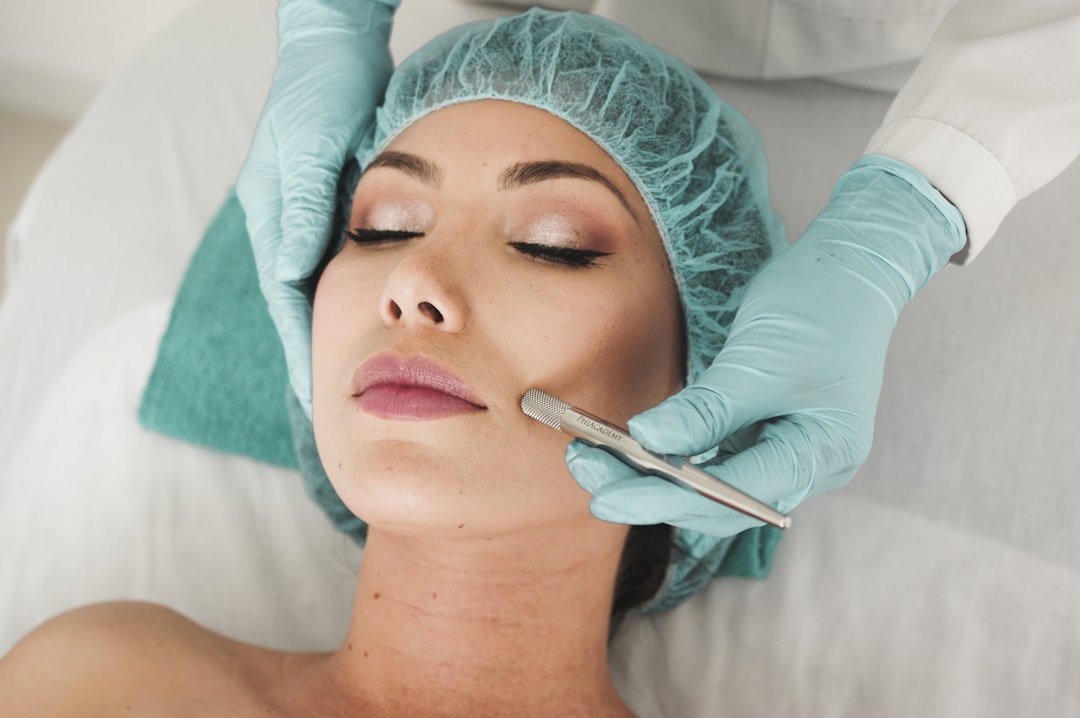
Walking into a skin clinic for a laser treatment is usually a straightforward, clinical process. It is a medical procedure, so the environment will reflect that. Here is what happens from the moment you sit down.
The Initial Consultation
Before any laser touches your face, a practitioner will evaluate your skin. They will ask about your medical history, any medications you are taking, and your sun exposure habits.
This step is critical because certain medications, like oral acne drugs or antibiotics, make your skin highly sensitive to light and can cause severe burns. The practitioner will also evaluate your skin tone to determine which laser wavelength is safe for you. Often, they will perform a small patch test on your jawline or neck to see how your skin reacts before committing to a full treatment.
The Day of the Procedure
On the day of your appointment, you will arrive with clean skin, free of makeup or lotions. For ablative or more intense non-ablative treatments, the practitioner will apply a topical numbing cream to the treatment area. This usually sits on the skin for about 30 to 45 minutes to take effect.
Once you are numb, your eyes will be covered with protective metal or opaque goggles to shield your retinas from the intense light. The practitioner will then glide the laser handpiece over your skin. Depending on the size of the area being treated, the actual lasering part usually takes between 15 and 30 minutes.
Does It Hurt?
The level of discomfort depends heavily on the type of laser used. Non-ablative lasers and IPL treatments are often described as feeling like a hot rubber band snapping against the skin. It is startling, but usually tolerable.
Vascular lasers often have a built-in cooling mechanism. You will feel a quick spray of cold cryogen immediately followed by a hot snap. Ablative lasers like CO2 generate a more intense, deep heat. Even with numbing cream, you will likely feel a persistent, uncomfortable warmth, similar to a bad sunburn, during and immediately after the procedure.
The Reality of Downtime and Aftercare
The success of a laser treatment depends just as much on what you do at home as what the practitioner does in the clinic. Lasers temporarily compromise your skin barrier, meaning you have to treat your skin like a healing wound.
Immediate Aftermath: The First 24 Hours
Right after the treatment, your skin will be red, swollen, and warm to the touch. It often feels exactly like a severe sunburn. The clinic may apply a cooling mask or give you ice packs to hold against the area before you leave.
During the first 24 hours, your job is simply to keep the skin cool and clean. You will usually be advised to wash with a very gentle, basic cleanser and apply a thick, occlusive ointment to trap moisture and protect the raw skin. You should avoid hot showers, saunas, and strenuous exercise, as sweating can irritate the treated area.
Long-Term Healing and Sun Protection
Around day three or four, the redness will start to subside, but your skin might begin to feel tight, dry, and itchy. If you had an ablative treatment or a pigment-targeting laser, you might notice small brown spots resembling coffee grounds surfacing on your skin. This is normal. It is the destroyed pigment making its way out.
You must not pick, scratch, or scrub these flakes away. Let them fall off naturally.
Sun protection is completely non-negotiable during this phase. Because your skin is healing and producing new, delicate cells, it is incredibly vulnerable to UV rays. Sun exposure after a laser treatment can easily cause post-inflammatory hyperpigmentation, leaving you with dark marks that are harder to get rid of than your original issue. You need to wear a broad-spectrum mineral sunscreen every day and physically cover your face with a hat if you go outside.
Skincare Ingredients to Avoid Post-Treatment
For at least a week or two after your session, you need to strip your skincare routine down to the absolute basics.
You must avoid any active ingredients that cause cellular turnover or irritation. This means no retinoids (Retin-A, retinol), no alpha or beta hydroxy acids (glycolic, lactic, salicylic acid), and no vitamin C serums. Stick exclusively to gentle cleansers, basic moisturizers rich in ceramides or glycerin, and sunscreen until your practitioner gives you the green light to resume your normal routine.
Making the Right Choice for Your Skin Type
Lasers are not one-size-fits-all. The physics of light absorption means that different skin tones require different approaches to avoid injury.
Lasers and Melanin-Rich Skin
If you have a medium to dark skin tone (Fitzpatrick types IV through VI), you have to be very careful with laser treatments. Because lasers cannot easily distinguish between the melanin in a dark spot and the baseline melanin in your surrounding skin, the laser can end up targeting your natural skin color.
This can result in burns, blistering, and permanent discoloration. For melanin-rich skin, aggressive ablative lasers and IPL are usually avoided. Instead, clinics rely on the Nd:YAG laser. Its longer wavelength penetrates deeper into the skin, bypassing the melanin in the upper epidermis entirely. Picosecond lasers are also highly effective and safe for darker skin tones because they rely more on acoustic shockwaves to break up pigment rather than intense heat.
Sensitive Skin Considerations
If your skin is chronically sensitive, prone to eczema, or if your skin barrier is currently compromised, you should not get a laser treatment until your skin is healthy. Lasers cause trauma to the skin barrier. If your barrier is already weak, a laser can trigger severe inflammation and prolonged redness. Practitioners will usually recommend a regimen of barrier-repairing skincare for a few weeks before they agree to treat you.
Costs, Maintenance, and Realistic Results
Laser treatments are an investment of both time and money. Approaching them with realistic expectations will save you a lot of frustration.
Budgeting for Multiple Sessions
With very few exceptions, skin lasers are not a one-and-done procedure. Because non-ablative lasers treat only a fraction of the skin at a time to minimize downtime, you will likely need a series of sessions to cover the entire area and achieve your desired result.
For acne scars, expect to book 3 to 5 sessions spaced roughly a month apart. For hair removal, you will need anywhere from 6 to 8 sessions to catch the hair in its active growth phase. Pigmentation might require 2 or 3 visits. When considering the cost of a laser treatment, multiply the single-session price by the number of sessions you will actually need to see a real difference.
How Long Do Results Last?
The longevity of your results depends on what you are treating and how you care for your skin afterward.
For acne scars, the results are largely permanent. Once the scar tissue is broken down and replaced with smooth collagen, the scar does not return. Hair removal results are also very long-lasting, though hormonal changes later in life might trigger some new hair growth, requiring a touch-up session.
However, treatments for sun damage, rosacea, and anti-aging require ongoing maintenance. Lasers cannot stop the aging process, and they cannot prevent your genetics or sun exposure from creating new broken capillaries or brown spots. If you spend time in the sun without adequate protection after clearing your pigmentation, the dark spots will absolutely come back. Many people find they need a maintenance laser session once a year to keep their skin looking the way they want.