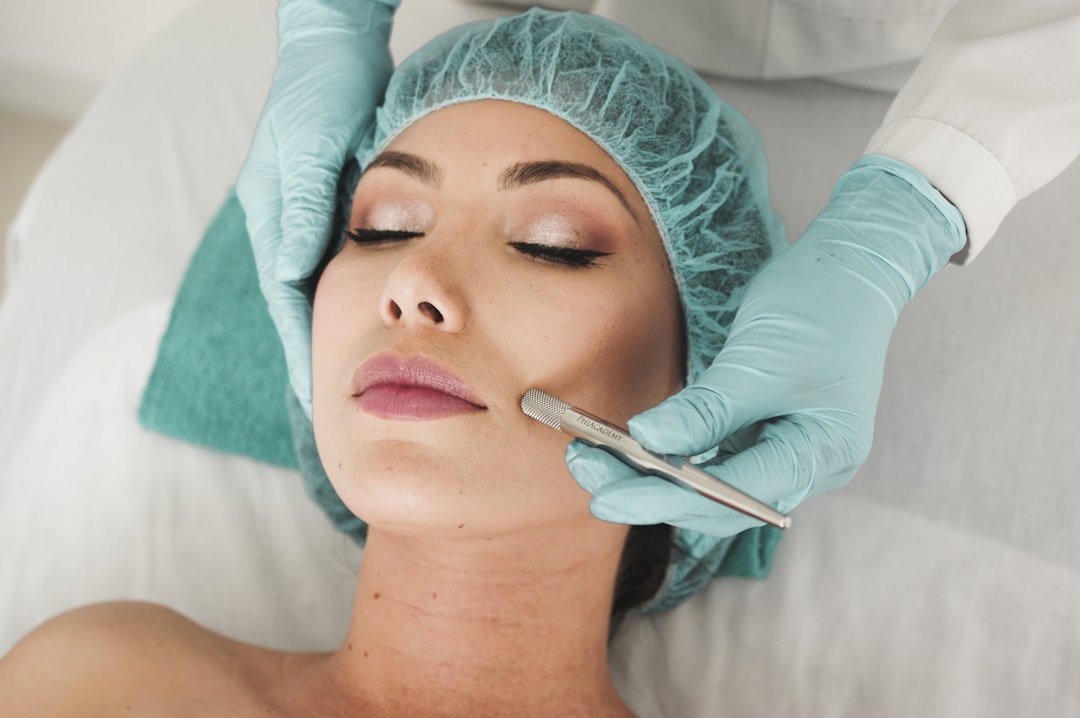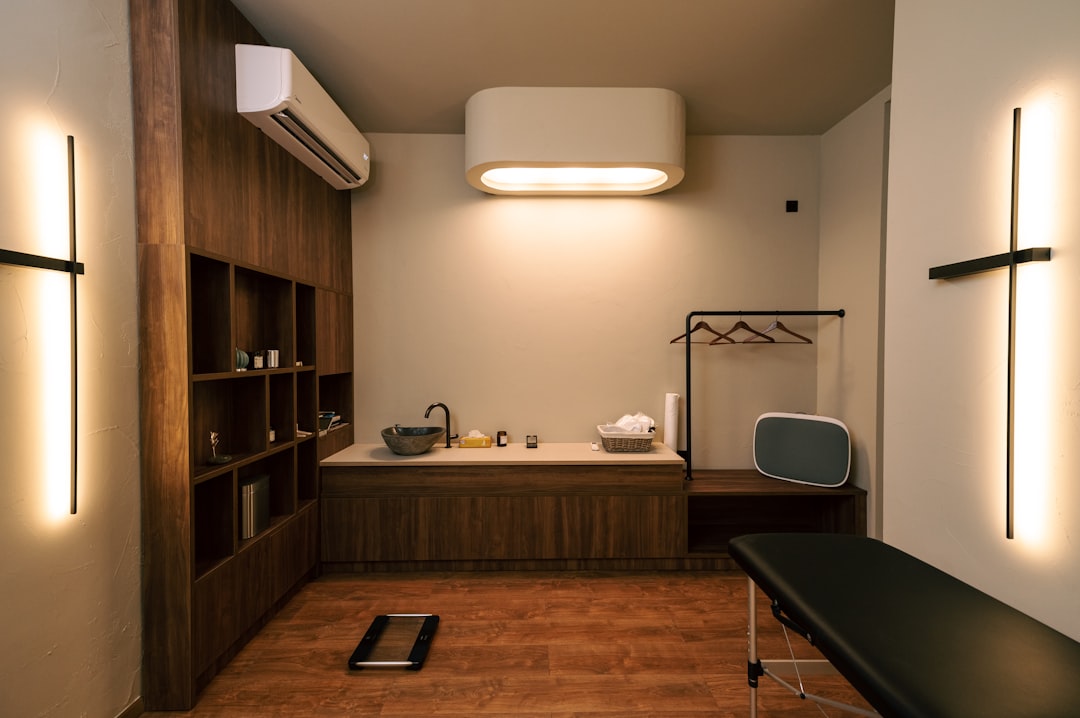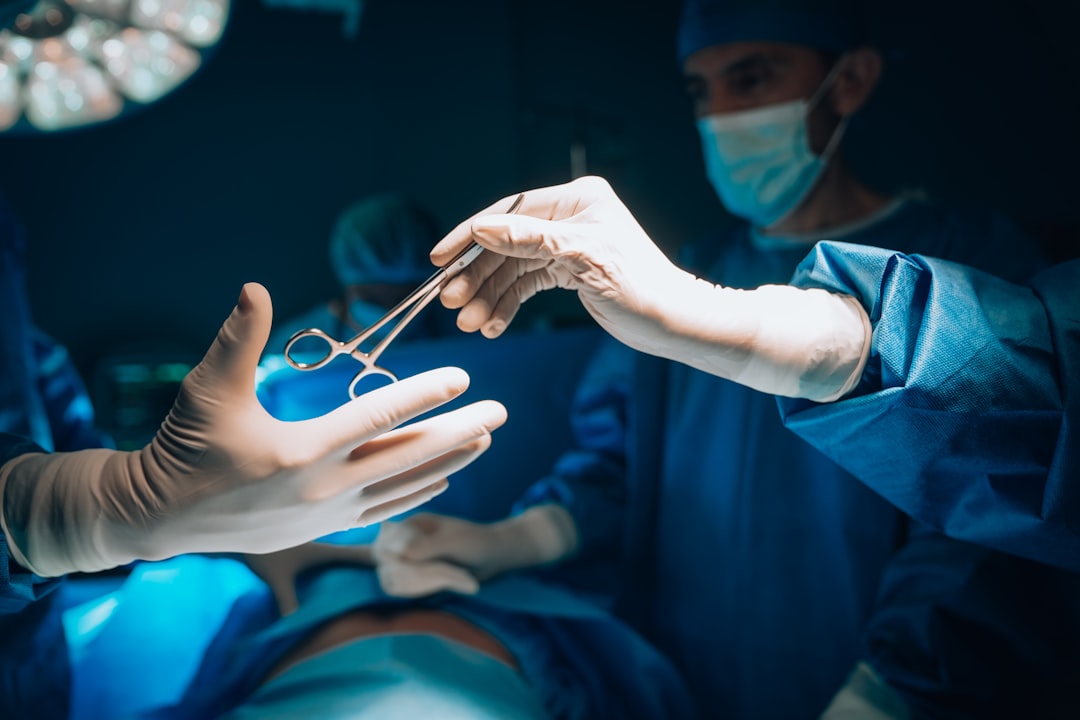
Transforming your look at a center for cosmetic surgery involves matching your personal physical goals with medical expertise through surgical or non-invasive procedures. To do this effectively, you have to understand the specific procedures available, verify the credentials of the facility and its staff, and prepare realistically for the recovery process. It is a medical journey, not an instant makeover.
Whether you want to alter the shape of your nose, remove excess skin after weight loss, or simply smooth out fine lines, knowing the mechanics of these treatments helps you make informed decisions. This guide breaks down exactly what to look for in a facility, the specifics of popular procedures, and how to manage the process from your first consultation to your final results.
Before you decide on a specific procedure, you need to know how to evaluate the facility where it will take place. The medical background of the staff and the safety standards of the building itself dictate the quality and safety of your results.
Board Certification Matters
Not all doctors who perform cosmetic procedures have the same training. Any licensed physician can legally call themselves a cosmetic surgeon, but that does not mean they have specialized surgical training in aesthetics.
When looking at a center for cosmetic surgery, check if the surgeons are board-certified by a recognized organization, such as the American Board of Plastic Surgery. This specific certification means the doctor has completed years of surgical training specifically focused on plastic and reconstructive surgery.
Always look up a surgeon’s medical background. Ask how frequently they perform the specific procedure you want. A surgeon might be excellent at facelifts but rarely perform breast augmentations. You want an expert in the exact transformation you are seeking.
Facility Accreditation
Surgery does not always happen in a hospital. Many centers operate out of private, on-site surgical suites. While this offers privacy and convenience, you need to ensure the facility meets strict safety standards.
Look for accreditations from organizations like the American Association for Accreditation of Ambulatory Surgery Facilities (AAAASF) or the Joint Commission. These accreditations mean the surgical center undergoes rigorous inspections.
They verify that the facility has proper emergency equipment, uses licensed anesthesia providers, and maintains strict sterilization protocols. If a center cannot easily provide proof of its accreditation, you should look elsewhere.
For those considering cosmetic procedures, understanding the potential pitfalls is crucial. A related article from the Center for Cosmetic Surgery discusses common mistakes to avoid when treating pigmentation issues in Singapore. You can read more about this important topic by visiting the following link: Mistakes You Don’t Want to Make When Treating Pigmentation in Singapore. This resource provides valuable insights that can help ensure a successful treatment experience.
Popular Facial Procedures
Facial procedures require a high level of precision because the results are always visible. Even millimeter-level changes can dramatically alter how your face is perceived.
Rhinoplasty (Nose Reshaping)
Rhinoplasty alters the bone and cartilage structure of your nose. It is used to smooth out dorsal humps, refine the nasal tip, or straighten a crooked bridge. It can also correct functional breathing issues, such as a deviated septum.
Surgeons generally use two approaches: open or closed. An open rhinoplasty involves a small incision on the columella—the tissue between your nostrils—allowing the surgeon to lift the skin and see the underlying structure clearly. A closed rhinoplasty keeps all incisions inside the nostrils.
Recovery requires patience. While you might return to work in a week or two once the bruising fades and the splint is removed, the final result takes time. Swelling, particularly in the nasal tip, can take up to a full year to completely subside.
Blepharoplasty (Eyelid Surgery)
If you have heavy, drooping upper eyelids or deep bags under your eyes, blepharoplasty is the standard surgical fix. It involves removing excess skin, muscle, and sometimes fat from the upper or lower eyelids.
For the upper eyelids, the incision is hidden in the natural crease of the eye. For the lower eyelids, the surgeon often uses a transconjunctival approach, placing the incision inside the lower lash line so there is no visible scar.
This procedure has a relatively fast recovery compared to other facial surgeries. Most people feel comfortable going out in public with sunglasses after a few days, and normal activities can usually resume within ten days.
Facelifts and Mini-Lifts
A facelift addresses sagging skin, deep folds around the nose and mouth, and jowls along the jawline. Modern facelifts do not just pull the skin tight; they reposition the underlying muscle layer, known as the SMAS (superficial musculoaponeurotic system).
By lifting the muscle layer, the results look natural rather than pulled or windblown. A full facelift targets the mid-face, lower face, and often the neck. Incisions typically start in the hairline, follow the curve of the ear, and end in the lower scalp.
A mini-lift is a variation for people with mild to moderate sagging. It uses shorter incisions and requires less downtime, though the lifting effect is not as dramatic or long-lasting as a full facelift.
Body Contouring Options
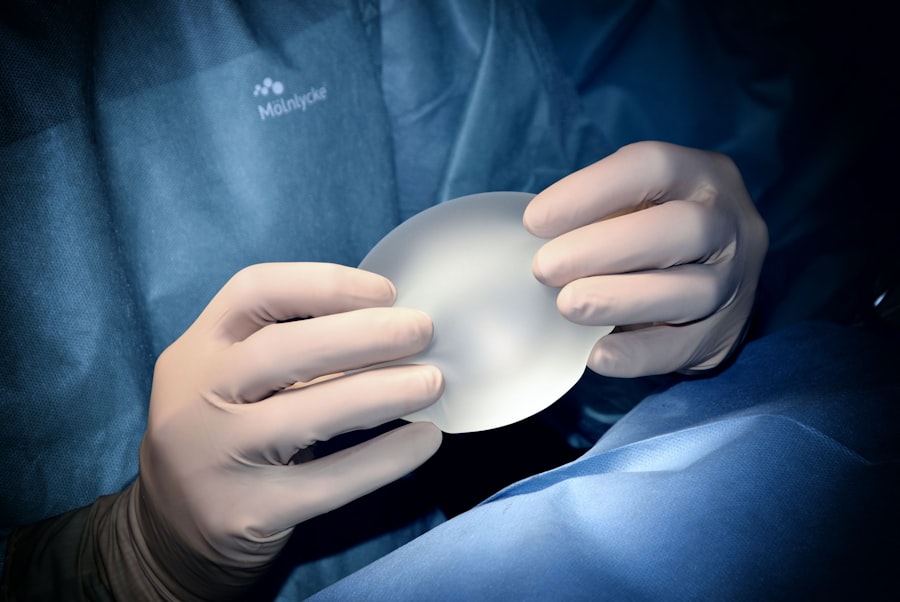
Body contouring procedures address stubborn fat pockets and loose skin that do not respond to diet and exercise. These are not weight-loss treatments; they are designed to refine the shape of your body.
Liposuction vs. Non-Surgical Fat Reduction
Liposuction physically removes fat cells from the body using a hollow tube called a cannula and a suction device. Surgeons often use the tumescent technique, injecting a solution of saline, epinephrine, and local anesthetic into the fat beforehand. This reduces bleeding and makes the fat easier to remove.
Because the fat cells are permanently removed, the results are long-lasting as long as you maintain a stable weight. Recovery involves wearing a tight compression garment for several weeks to help the skin retract and minimize swelling.
Non-surgical alternatives, like cryolipolysis (commonly known as CoolSculpting), freeze and destroy fat cells through the skin. The body then naturally processes and eliminates the dead cells over a few months. While it requires zero downtime, the results are much more subtle than liposuction and often require multiple sessions.
Tummy Tucks (Abdominoplasty)
A tummy tuck removes excess abdominal skin and often repairs separated abdominal muscles, a condition known as diastasis recti, which frequently occurs after pregnancy.
The standard procedure involves an incision low on the abdomen, usually extending from hip to hip, allowing the scar to be hidden by underwear or a swimsuit. The surgeon lifts the skin, stitches the underlying abdominal muscles back together to create a firmer wall, pulls the skin taut, removes the excess, and repositions the belly button.
Recovery from a tummy tuck is intensive. You will likely have surgical drains for a week to prevent fluid buildup. You will need to sleep in an elevated position and avoid heavy lifting or strenuous exercise for at least six weeks.
Breast Augmentation and Reduction
Breast augmentation increases breast size and improves shape using implants or fat transfer. Implants are either filled with saline or silicone gel. Silicone implants are generally preferred for a more natural feel, while saline implants require a smaller incision because they are filled after being inserted.
Surgeons can place the implant either behind the breast tissue or under the chest muscle. Placement depends on your anatomy and the amount of natural breast tissue you have to cover the implant.
Breast reduction, on the other hand, removes breast tissue, fat, and skin to achieve a smaller, lighter breast size. This procedure is frequently performed to relieve physical symptoms like chronic back, neck, and shoulder pain, as well as skin irritation under the breast crease.
Non-Invasive and Minimally Invasive Tweaks
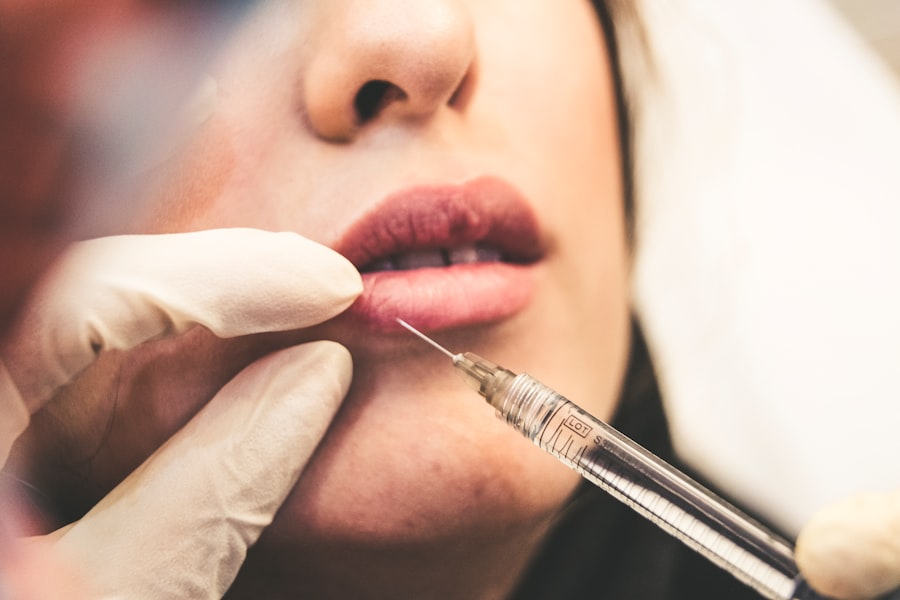
If you are not ready for the downtime or expense of surgery, a center for cosmetic surgery usually offers a variety of injectable treatments. These are maintenance procedures; they require regular visits to keep up the results.
Neurotoxins (Botox, Dysport)
Neurotoxins work by temporarily blocking the nerve signals that tell your muscles to contract. When the muscle relaxes, the skin above it smooths out.
These are used for dynamic wrinkles—the lines that appear when you make facial expressions. Common treatment areas include the horizontal lines on the forehead, the “11” lines between the eyebrows, and crow’s feet around the eyes.
The procedure takes only a few minutes and uses a very fine needle. Results start to appear within a few days and peak at about two weeks. The effects typically wear off after three to four months, as your body naturally metabolizes the product.
Dermal Fillers
Unlike neurotoxins, which relax muscles, dermal fillers add volume to the face. They are used to treat static wrinkles—lines that are visible even when your face is at rest—and to contour areas like the cheeks, jawline, and lips.
The most common fillers are made of hyaluronic acid (HA), a substance naturally found in your skin that attracts and holds water. Brands like Juvederm and Restylane fall into this category.
One of the main benefits of HA fillers is that they are reversible. If you are unhappy with the result or if a complication occurs, the injector can use an enzyme called hyaluronidase to dissolve the filler quickly. Depending on the product used and the area treated, fillers can last anywhere from six months to two years.
If you’re considering body contouring options, you might find the article on smart body contour choices particularly insightful. It discusses various procedures and their benefits, helping you make an informed decision about your cosmetic surgery journey. For more information, you can read the full article here. This resource complements the offerings at the Center for Cosmetic Surgery, providing a comprehensive overview of modern techniques available today.
The Consultation and Recovery Process
| Procedure | Number of Patients | Success Rate (%) |
|---|---|---|
| Rhinoplasty | 150 | 95% |
| Breast Augmentation | 200 | 92% |
| Liposuction | 120 | 90% |
The actual medical procedure is only one part of transforming your look. How you handle the consultation and how strictly you follow post-operative care instructions will heavily influence your final outcome.
What to Ask During Your First Visit
Your initial consultation is a mutual interview. You are explaining your goals, and the surgeon is determining if those goals are medically possible and safe.
Always ask to see before-and-after photos of previous patients. Pay close attention to patients who have a similar body type or facial structure to yours. This gives you a realistic idea of what the surgeon can achieve for you.
You must also talk about the less glamorous side of surgery. Ask the surgeon about their complication rate and what their policy is on revision surgeries. If the results are asymmetrical or if an implant shifts, you need to know whether the facility covers the cost of fixing it or if you will be paying out of pocket again. Finally, ask for a completely itemized quote so you understand the facility fees, anesthesia costs, and the price of post-op garments.
Planning for Downtime
Do not underestimate the physical and emotional toll of surgical recovery. You will need to prepare your home environment before your surgery date.
Set up a comfortable recovery area with plenty of pillows, as many surgeries require you to sleep with your head or upper body elevated to reduce swelling. Place necessary items like medications, water, phone chargers, and remote controls within easy reach so you do not have to stretch or bend.
Follow the post-operative instructions precisely. If your surgeon tells you to wear a compression garment for a month, wear it. These garments reduce swelling and help your skin mold to its new contours. If you are prescribed antibiotics, finish the entire course to prevent infection. Keep in mind that swelling and bruising can make your initial results look alarming. It is completely normal to experience a temporary dip in mood post-surgery, but patience and strict adherence to care guidelines will get you to your desired result.