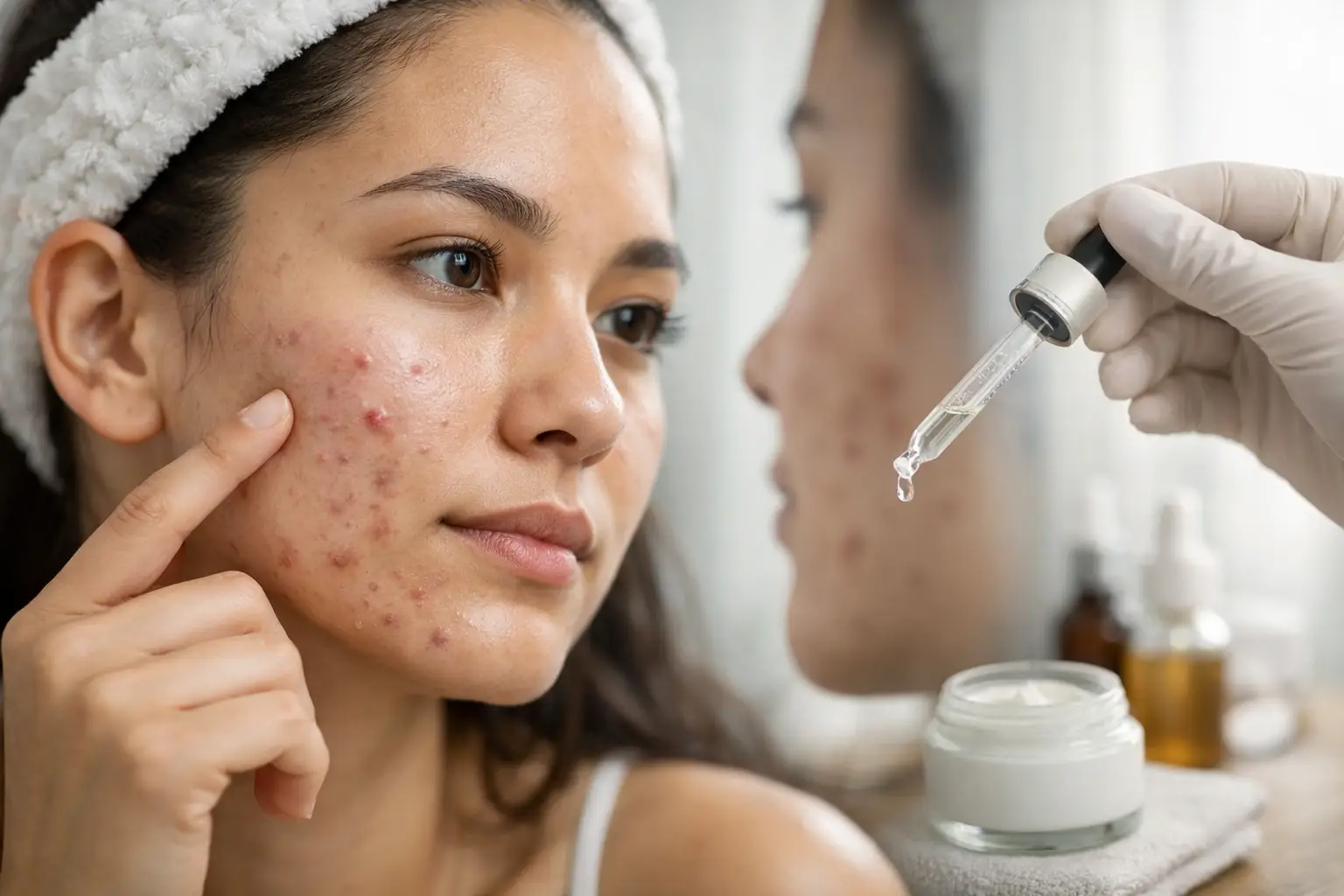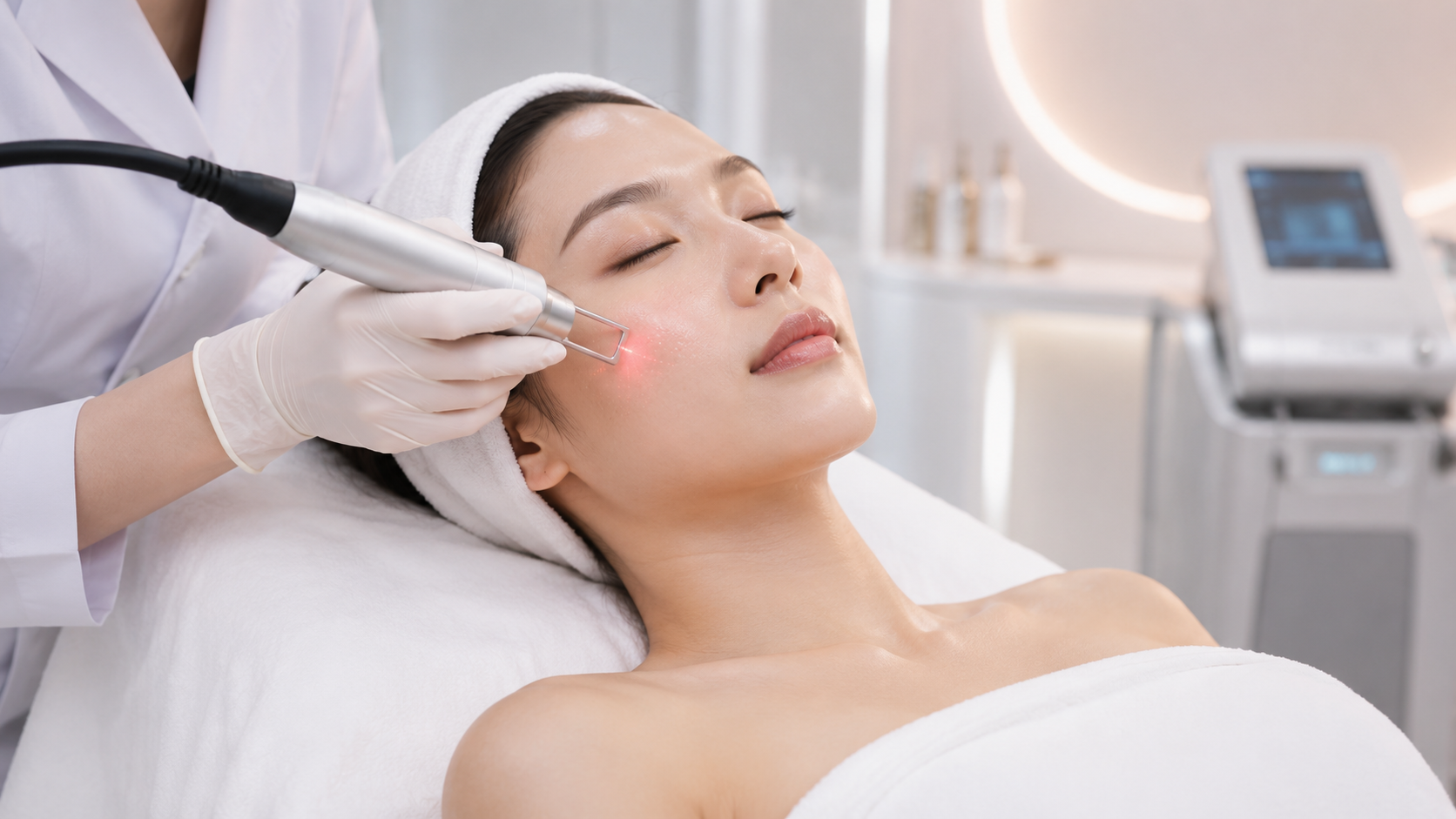
Pigmentation issues are among the most common concerns people bring to aesthetic clinics in Singapore. From sunspots and freckles to melasma and post-inflammatory marks, uneven pigment can affect both appearance and confidence. Many people search online asking, “What is the best pigmentation laser treatment Singapore?” But how much of what you find is truly accurate? Can one laser really suit every skin type and pigmentation concern? The truth is more nuanced.
This guide explains the main types of lasers used in Singapore for pigmentation, how they work, and what you can expect during treatment, based on clinical evidence and common practices in Singapore aesthetic clinics.
Why There Isn’t a Single “Best” Laser
Pigmentation varies in depth, colour, and cause. One person’s melasma may be very different from another’s post-inflammatory pigmentation. As a result, no single laser is universally superior.
In Singapore, aesthetic doctors emphasise doctor-led consultations to determine the most suitable laser for each individual. During the assessment, the doctor will examine skin type, pigment type, and past treatment history to recommend a tailored treatment plan.
Picosecond Lasers For Pigmentation
Picosecond laser works in 2 modes: ablative and non-ablative laser treatment for melasma. It delivers energy in extremely short bursts, measured in trillionths of a second. Each pulse of a picosecond laser stays on the skin 100 times shorter as compared to other lasers. Therefore, it allows more shots of energy to be delivered in a given time. What does this mean to you? With pulses that are 100 times shorter, the skin is not overheated which is a common contributor to increased risk of hyperpigmentation.
It has been effectively used to treat pigmentation removal, acne scars, skin rejuvenation and brightening, and tattoo removal.
How Does Pico Laser Work
Pico laser treatments commonly operate at the 1064nm wavelength. At Lynn Medical, we use pico laser technology designed to deliver ultra-short pulses of energy to target pigmentation concerns effectively.
The laser breaks down pigment particles into fine fragments that allow the body to efficiently clear away through its natural processes.
Pico Lasers are commonly used for:
- Sunspots and aged spots
- Freckles
- Melasma
- Post-inflammatory hyperpigmentation
- Tattoo Removal
Clinical studies show picosecond lasers can achieve noticeable pigment reduction with minimal downtime and lower risk of side effects compared to traditional Q‑Switched lasers.
Patients typically see gradual improvement after a few sessions, though deeper pigmentation may require multiple treatments.
Q‑Switched Nd:YAG Lasers — Established and Reliable
Q‑Switched Nd:YAG lasers remain widely used in Singapore for pigmentation, particularly for deeper pigment. They emit short, high-intensity pulses absorbed by melanin, breaking pigment clusters for natural clearance.
They are often recommended for:
- Deeper brown spots
- Certain types of post-inflammatory hyperpigmentation
- Pigmentation resistant to topical treatments
Studies confirm the safety and efficacy of Q‑Switched Nd:YAG lasers across multiple skin types. (Lee et al., 2020)
Clinics also report secondary benefits, such as mild collagen stimulation, which can subtly improve overall skin tone and texture.
Advanced Multi-Mode “4D” Lasers — Versatile and Tailored
Some Singapore clinics use advanced multi-mode lasers, sometimes described as “4D” lasers. These platforms allow doctors to select multiple wavelengths and pulse types within one session, tailoring treatment for both superficial and deeper pigmentation.
Typical wavelengths include:
- 1064 nm – effective for deeper pigmentation
- 532 nm – targets superficial brown spots
- Additional wavelengths may be used for mixed pigment or subtle colour variation
This flexibility allows a single session to address multiple pigment layers and, in some cases, improve skin tone and texture simultaneously. During treatment, the aesthetic doctor adjusts the settings based on your skin and pigment type.
Clinical research supports the use of multi-wavelength approaches for complex pigment cases, highlighting both safety and efficacy when performed by trained medical professionals. (Park et al., 2020)
Yellow and Complementary Wavelengths
Yellow and red spectrum lasers are sometimes used when pigmentation has a vascular component or for diffuse pigment. While these lasers are less common as a stand-alone solution, they can complement other treatments for optimal results.
What to Expect During and After Treatment
Laser sessions usually take 15–30 minutes depending on the area. Most patients feel mild warmth or snapping sensations during treatment. Topical numbing cream may be applied for comfort.
After treatment, it’s normal to experience:
- Temporary redness
- Slight darkening of treated spots
- Mild swelling
These effects generally resolve within a few days. Multiple sessions are often needed, and sun protection is critical to prevent new pigmentation.
So, Is There Really a “Best Pigmentation Laser Treatment Singapore”?
The short answer: not exactly. One laser may work well for a certain type of pigment but may not be suitable for another. Singapore aesthetic doctors stress that a personalised, doctor-led plan is more important than the brand or marketing claims of a single device.
The right approach combines:
- Accurate assessment of your pigmentation
- A tailored laser or combination of lasers
- Proper aftercare and sun protection
This strategy ensures safety, effectiveness, and realistic results.
Final Thoughts
Laser treatment can significantly improve pigmentation when guided by an experienced aesthetic doctor. Picosecond lasers, Q‑Switched Nd:YAG, advanced multi-mode “4D” lasers, and complementary wavelength lasers each have their role, depending on your pigment type and skin characteristics.
Instead of searching for the single “best pigmentation laser treatment Singapore,” focus on clinics that provide doctor-led consultations, tailored treatment plans, and evidence-based approaches. The combination of the right laser and professional guidance gives you the best chance for clearer, more even skin.
References
- Hwang, J. et al. (2020). Efficacy and Safety of Picosecond Laser for Pigmentary Disorders in Asian Skin. Journal of Cosmetic Dermatology. PubMed
- Lee, S. et al. (2020). Q-Switched Nd:YAG Laser Treatment for Hyperpigmentation: A Systematic Review. Journal of Clinical Medicine. MDPI
- Park, S. et al. (2020). Multi-Wavelength Laser Approaches in Pigmentation Treatment: Clinical Outcomes. Lasers in Medical Science. PubMed
- Singapore Medical Council. Guidelines on Aesthetic Practices for Doctors. SMC
- Health Sciences Authority. Guidance on Advertising Medical Devices. HSA