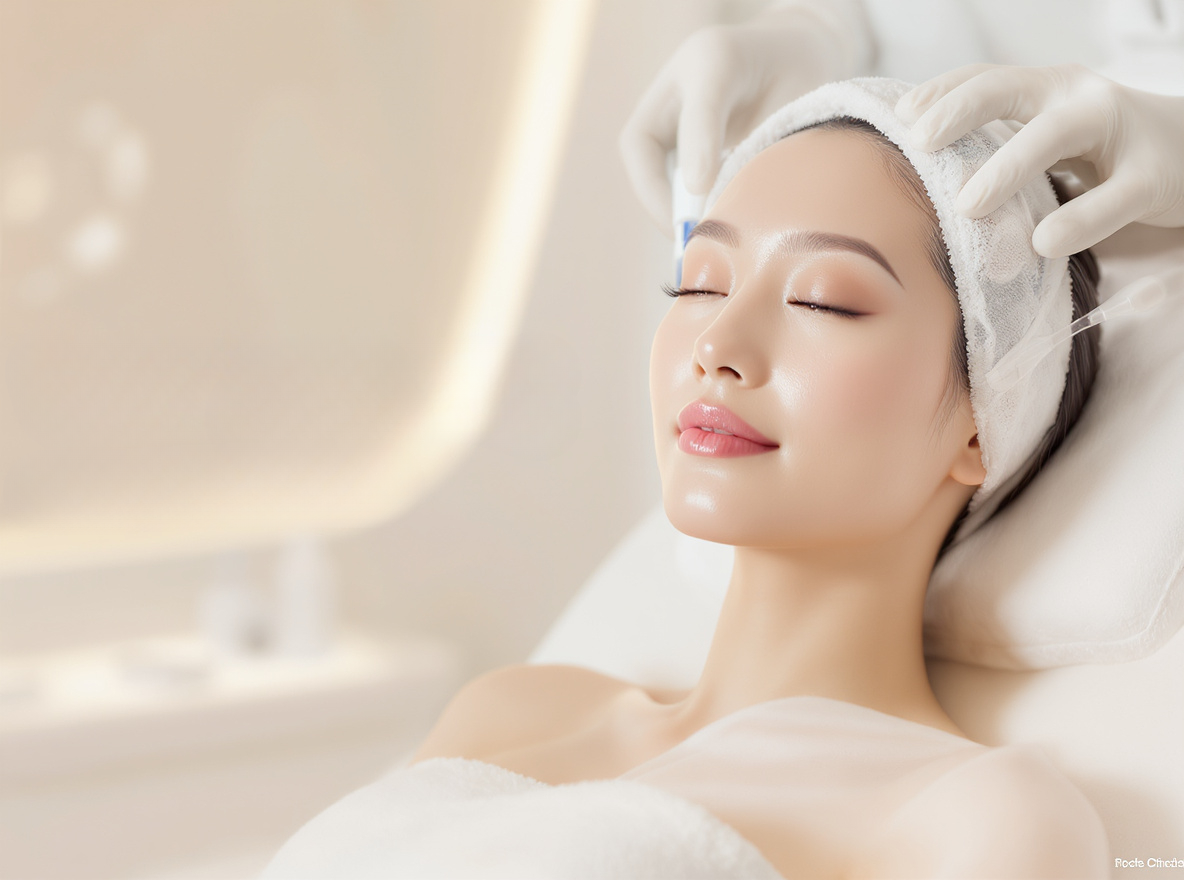
Aesthetic medicine continues to evolve, offering various methodologies aimed at addressing age-related skin changes. In Singapore, medical practitioners often utilize multi-dimensional, energy-based skin treatments to target different depths of the facial tissues. One well-established approach involves a comprehensive four-step laser protocol utilizing two distinct wavelengths: Neodymium-doped Yttrium Aluminum Garnet (Nd:YAG) and Erbium-doped Yttrium Aluminum Garnet (Erbium:YAG). This educational overview outlines how this multi-layered approach functions, its potential clinical applications, essential safety considerations, and the general patient experience within a licensed medical facility.
Energy-based devices operate on the principle of selective photothermolysis, wherein specific wavelengths of light target particular chromophores within the skin. When combined, different laser wavelengths may provide a more comprehensive approach to skin rejuvenation, addressing both superficial textural irregularities and deeper structural laxity without the need for surgical intervention.
The Science Behind Dual-Wavelength Modalities
The efficacy of a multi-stage laser treatment relies heavily on the distinct physical properties of the Nd:YAG and Erbium:YAG lasers. The Nd:YAG wavelength penetrates deeply into the dermis and subcutaneous layers. It is primarily utilized for its ability to create controlled thermal bulk heating within the deeper dermal structures. This localized elevation in temperature aims to stimulate the body’s natural wound-healing response, which may result in neocollagenesis—the production of new collagen fibers.
Conversely, the Erbium:YAG wavelength is highly absorbed by water, which comprises a significant portion of the skin’s epidermal cells. This characteristic makes it highly effective for superficial tissue ablation and structural remodeling at the surface level. By selectively vaporizing the outermost layers of the epidermis, the Erbium:YAG laser encourages cellular turnover. Utilizing both wavelengths in a single treatment session allows medical practitioners to target the skin holistically, from the deep connective tissues up to the superficial stratum corneum.
How the Phased Approach Targets Different Skin Layers
A standard four-dimensional laser protocol generally involves four distinct phases, each designed to elicit a specific biological response.
The first phase often involves an intra-oral application. Using a specialized intra-oral handpiece, the practitioner delivers non-ablative Erbium:YAG laser energy to the mucosal lining inside the mouth. This step aims to deliver controlled heat to the deeper fascial layers and the perioral musculature from the inside out, which may help support the structural integrity of the lower face.
The second phase typically shifts to the exterior of the face, utilizing a micro-pulsed Nd:YAG laser. This specific pulse duration creates microscopic thermal columns in the deeper dermal layers, targeting localized imperfections and contributing to an overall warming of the tissue matrix.
The third phase involves a longer-pulsed Nd:YAG emission to achieve sustained, deep bulk heating of the entire dermal layer. Maintaining the tissue at a specific therapeutic temperature is intended to cause existing collagen fibers to contract while simultaneously prompting fibroblasts to synthesize new collagen and elastin over the ensuing months.
The final phase employs an ablative or semi-ablative Erbium:YAG laser to perform a superficial epidermal peel. This step removes accumulated dead skin cells, aiming to refine the skin’s surface texture and reduce the appearance of superficial dyschromia.
If you’re considering the Fotona 4D laser treatment in Singapore, you might find it helpful to read about the effectiveness of personalized laser treatments for various skin concerns, including pigmentation issues. An insightful article on this topic can be found here: Struggling with Pigmentation: Why Personalised Laser Treatments Work. This resource provides valuable information on how tailored approaches can enhance the results of laser therapies, making it a great complement to your research on Fotona 4D.
Potential Benefits of Multi-Stage Laser Modalities
Non-surgical energy-based interventions offer various potential benefits for individuals seeking a proactive approach to skin aging. However, it remains crucial to understand that results vary significantly between individuals based on their genetic predispositions, baseline skin condition, and age.
Addressing Skin Laxity and Firmness
As the human body ages, intrinsic collagen and elastin production naturally decline. This biological reduction manifests as skin laxity, visible tissue sagging, and a loss of facial volume. The primary objective of the deep-heating Nd:YAG phases is to counteract this decline by inducing thermal injury safely. When tissue is heated to optimal therapeutic temperatures, the immediate response is a contraction of the collagen triple helix. Over time, the subsequent inflammatory response triggers tissue remodeling, which may eventually lead to an improvement in skin firmness and a subtle lifting effect. While this treatment may help improve mild to moderate laxity, patients must recognize that it does not replicate the structural repositioning achieved through surgical facelift procedures.
Targeting Uneven Skin Tone and Texture
Environmental factors, chronic ultraviolet exposure, and natural chronological aging frequently lead to textural irregularities, enlarged pores, and uneven skin tone. The final superficial resurfacing phase directly addresses these concerns. By physically ablating or coagulating the uppermost epidermal layers, the laser prompts the skin to regenerate a new, healthier epithelial surface. This process may help diminish the appearance of fine static lines, soften rough patches, and improve light reflection across the skin, potentially leading to a more uniform complexion.
Considerations for Intra-Oral Treatment Steps
Treating the facial tissues from within the oral cavity represents a distinct approach in aesthetic medicine. The oral mucosa is structurally different from the outer epidermis and can tolerate specific laser parameters that allow for effective heat dispersion into the underlying superficial musculoaponeurotic system (SMAS) and perioral connective tissue. This specific technique targets the nasolabial folds and the skin surrounding the mouth, an area that is notoriously difficult to treat with topical modalities alone. Strict hygiene protocols and specialized eye protection for the patient are mandatory during this phase to ensure utmost safety.
The Treatment Process: What to Expect
Undergoing any medical procedure requires thorough preparation and a clear understanding of the clinical pathway. Clinics regulated by the Singapore Healthcare Services Act (HCSA) adhere to stringent guidelines regarding patient assessment, informed consent, and procedural safety.
Pre-Treatment Consultation and Assessment
A comprehensive medical consultation serves as the foundation of any aesthetic intervention. The examining physician will review the patient’s detailed medical history to identify any underlying conditions or medications that might interfere with the healing process. An assessment of the skin using the Fitzpatrick scale is performed to determine the appropriate laser parameters, thereby minimizing the risk of adverse thermal events. During this consultation, the clinician will discuss the expected outcomes, potential risks, and alternative treatment options, ensuring the patient possesses all necessary information to provide informed consent.
A Step-by-Step Overview of the Procedure
On the day of the procedure, a clinical assistant will cleanse the patient’s skin thoroughly to remove cutaneous debris, sebum, and any residual skincare products. Depending on the patient’s pain tolerance and the specific laser settings chosen by the physician, a topical anesthetic cream may be applied, though many patients tolerate the early non-ablative phases without analgesia.
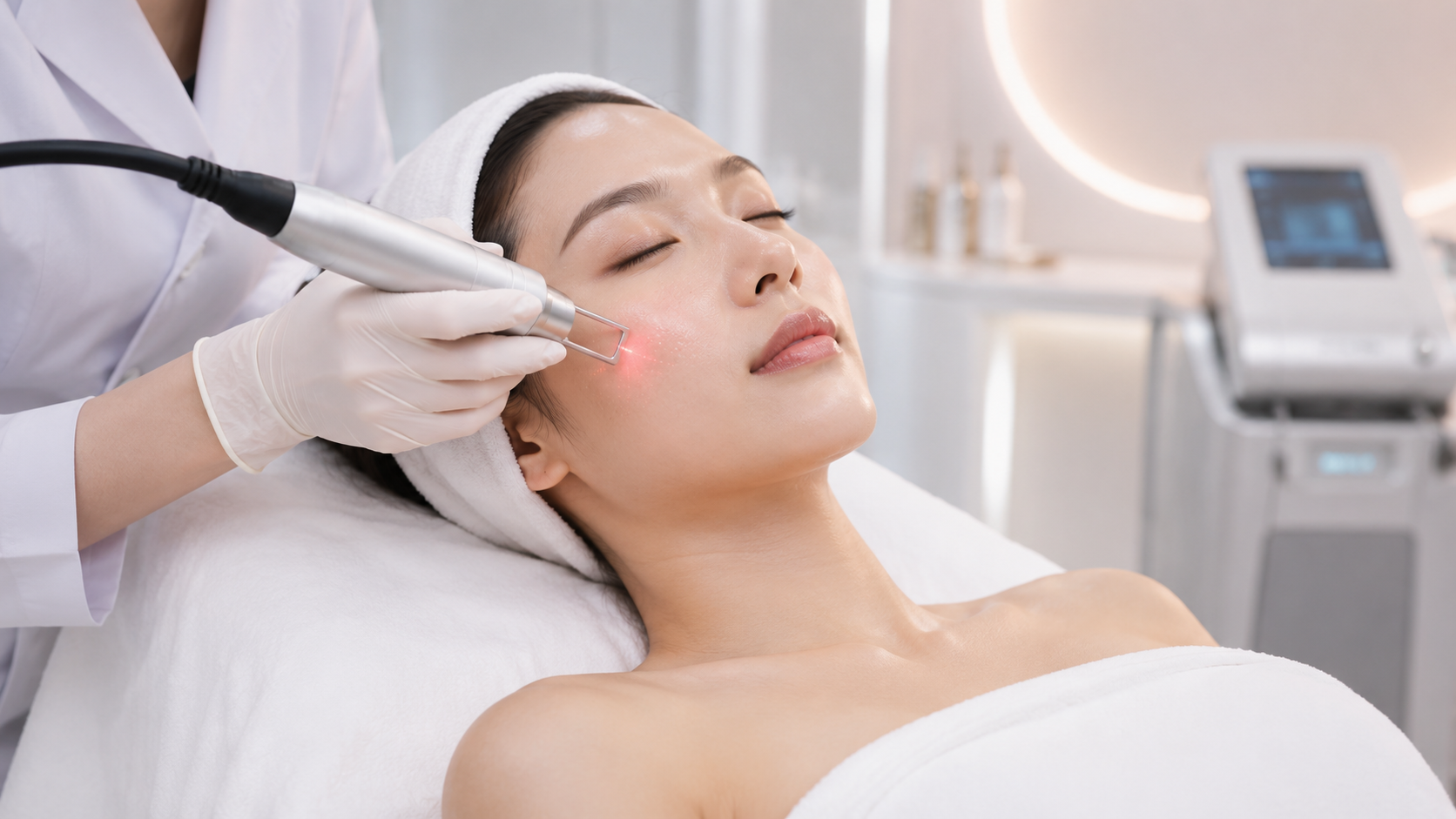
Appropriate ocular protection, typically in the form of specialized laser-grade opaque goggles, will be placed over the patient’s eyes. The practitioner will then systematically proceed through the four treatment phases. Patients generally report sensing a sequence of warmth, occasional mild prickling, and the sensation of localized heat during the deep thermal phases. The entire procedure typically lasts between forty-five minutes to one hour, depending on the anatomical areas covered.
Post-Treatment Care and Recovery
Proper post-procedural care remains fundamental to achieving optimal outcomes while minimizing the likelihood of complications. Immediately following the session, patients usually exhibit varying degrees of erythema (redness) and mild edema (swelling), similar in appearance to a moderate sunburn.
Clinicians typically advise patients to use gentle, ceramide-based moisturizers to support the compromised epidermal barrier. It is critically important to practice strict photoprotection; direct exposure to excessive ultraviolet radiation must be avoided. Broad-spectrum sunscreens with an adequate sun protection factor (SPF) are mandatory to mitigate the risk of post-inflammatory hyperpigmentation. Furthermore, the application of active topical compounds, including retinoids, alpha-hydroxy acids, and ascorbic acid formulations, should be paused until the epidermis has fully re-epithelialized.
Suitability and Contraindications
While energy-based skin treatments provide utility for many individuals, they are not universally appropriate. Thorough patient selection is a critical responsibility of the attending medical professional.
Who May Benefit from the Procedure
Candidates most likely to benefit from a multi-dimensional laser protocol generally include adults experiencing early to moderate signs of chronological aging, such as subtle skin laxity, perioral volume loss, and superficial textural disruptions. Because the laser settings are highly customizable, the treatment can be tailored to accommodate various skin physiologies. Individuals seeking gradual, structurally supported improvements aiming for a natural-looking enhancement often find this modality aligns with their clinical objectives.
Medical Conditions That May Preclude Treatment
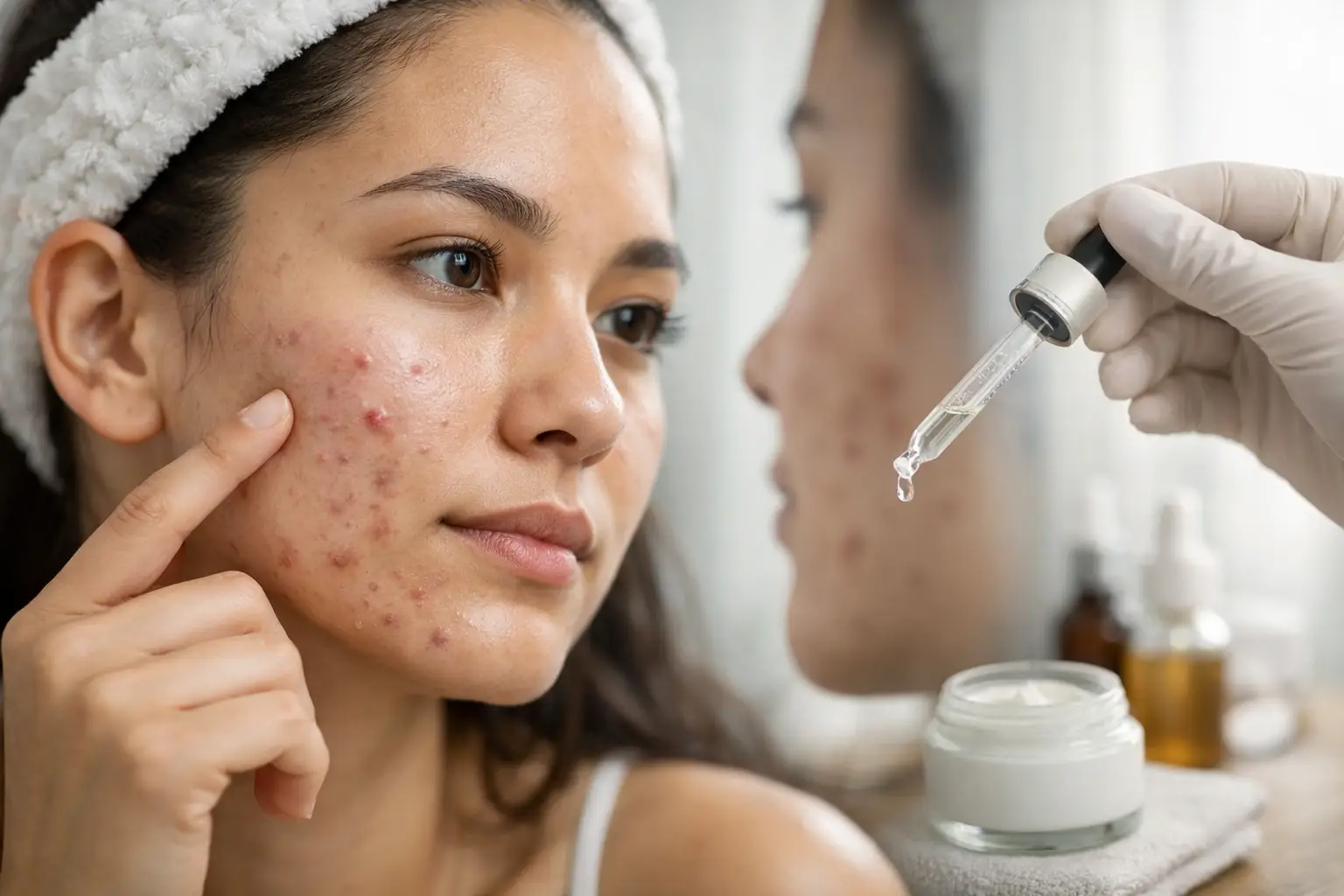
Certain physiological states and medical diagnoses serve as direct contraindications to laser therapy. Patients presenting with active dermatological infections, such as a severe acne flare or an active Herpes Simplex Virus (HSV) outbreak in the treatment area, must wait until the infection resolves. Pregnant or breastfeeding women are historically excluded from elective energy-based aesthetic procedures.
Additionally, patients with a documented history of severe keloid scarring, poorly controlled autoimmune diseases, or compromised wound-healing capabilities may not be entirely suitable candidates. A history of recent and extensive concurrent sun exposure, or the usage of systemic isotretinoin within the preceding six months, requires the physician to defer the treatment to prevent anomalous scarring and severe adverse tissue reactions.
If you’re considering advanced aesthetic treatments, you might find the Fotona 4D laser in Singapore particularly intriguing for its innovative approach to skin rejuvenation. This cutting-edge technology not only targets fine lines and wrinkles but also enhances overall skin texture. For a deeper understanding of various aesthetic options available, you can explore this related article on body contouring choices that discusses different treatments and their benefits. Check it out here to learn more about how these procedures can complement your skincare journey.
Potential Risks and Managing Complications
| Metrics | Data |
|---|---|
| Treatment Area | Face and Neck |
| Technology | Er:YAG and Nd:YAG lasers |
| Treatment Time | Approximately 45-60 minutes |
| Number of Sessions | 3-5 sessions recommended |
| Downtime | Minimal downtime |
Every medical intervention carries inherent risks. Acknowledging and preparing for these possibilities ensures a higher standard of patient safety and care.
Common and Temporary Side Effects
The most frequently encountered sequelae are transient and resolve without requiring complex medical intervention. Erythema and localized edema are expected physiological responses to thermal stimulation and generally dissipate within twenty-four to seventy-two hours. During the final resurfacing phase, mild epidermal flaking or peeling will inevitably occur as the skin actively sheds its devitalized layers. Patients might experience momentary tissue sensitivity or minor changes in skin surface texture as the healing cascade progresses.
Rare Complications and Mitigation Strategies
When administered optimally by a highly trained medical professional, severe complications remain uncommon, yet they must be discussed comprehensively. Over-treatment or inappropriate setting selection may cause focal thermal burns, potentially leading to permanent tissue scarring or protracted hyperpigmentation. Post-inflammatory hyperpigmentation (PIH) requires particular consideration when treating individuals with higher Fitzpatrick skin types, a demographic highly prevalent in Singapore.
Clinicians mitigate these risks by adhering strictly to conservative treatment parameters, frequently incorporating skin-cooling mechanisms, and applying customized post-care protocols. In the rare event of a bacterial or viral skin infection post-procedure, the immediate administration of appropriate topical or oral antimicrobial agents under the physician’s supervision is required to ensure uninterrupted healing.
If you’re considering advanced skin treatments, you might want to explore the benefits of the Fotona 4D laser in Singapore. This innovative technology not only enhances skin texture but also promotes collagen production for a youthful appearance. For a deeper understanding of skin rejuvenation options, check out this informative article on skin boosters in Singapore, which complements the effects of laser treatments and can help you achieve your desired results.
Setting Realistic Expectations in Aesthetic Procedures
A thorough understanding of biological limitations prevents patient dissatisfaction. Patient education regarding the trajectory of tissue remodeling is a pivotal aspect of aesthetic practice.
Understanding Individual Variability in Results
Multi-dimensional laser treatments do not deliver instantaneous structural changes. Aside from an initial, temporary tissue tightening caused by acute thermal edema, the genuine physiological remodeling of collagen and elastin matrices necessitates time. Measurable tissue changes unfold progressively over a period spanning several weeks to several months following the clinical session.
Furthermore, biological responses lack uniformity. Two distinct patients receiving identical parameters may present with entirely different degrees of improvement. Underlying health status, genetic skin quality, environmental stressors, and adherence to strict post-procedural skincare regimens all influence the final tissue outcome.
The Role of Ongoing Maintenance
Intrinsic aging operates as a continuous physiological decline, meaning no aesthetic intervention provides permanent structural arrest. A single comprehensive laser session may yield observable textural refinement; however, clinicians frequently recommend an initial foundational series—potentially encompassing three to four sessions spaced at monthly intervals—to achieve optimal collagen stimulation.
Once the initial clinical goals are met, periodic maintenance therapies become necessary to sustain the newly remodeled tissue matrix. Patients are encouraged to view aesthetic medicine as an ongoing process of cellular support rather than a single, definitive cure for the natural aging process. By cultivating a long-term therapeutic relationship with a licensed medical provider, patients can ensure their aesthetic interventions remain safe, appropriate, and medically sound over time.
FAQs
What is Fotona 4D laser treatment?
Fotona 4D laser treatment is a non-invasive, non-surgical procedure that uses a combination of laser wavelengths to address a variety of skin concerns, including wrinkles, fine lines, uneven skin tone, and sagging skin. It is designed to provide overall skin rejuvenation and tightening.
How does Fotona 4D laser treatment work?
Fotona 4D laser treatment works by utilizing four different modes of laser treatment to target different layers of the skin. These modes include a gentle laser peel, a bulk heating treatment, a fractional treatment, and a skin tightening treatment. This comprehensive approach allows for a more thorough and effective skin rejuvenation.
What are the benefits of Fotona 4D laser treatment?
The benefits of Fotona 4D laser treatment include improved skin texture, reduced wrinkles and fine lines, enhanced skin tone and elasticity, and overall skin tightening. It can also stimulate collagen production, resulting in long-term improvements in skin quality.
Is Fotona 4D laser treatment safe?
Fotona 4D laser treatment is considered safe when performed by a qualified and experienced medical professional. It is FDA-approved and has been shown to be effective with minimal risk of adverse effects when performed by a trained practitioner.
Where can I find Fotona 4D laser treatment in Singapore?
Fotona 4D laser treatment is available at various medical aesthetic clinics and dermatology centers in Singapore. It is important to research and choose a reputable clinic with experienced practitioners to ensure safe and effective treatment.