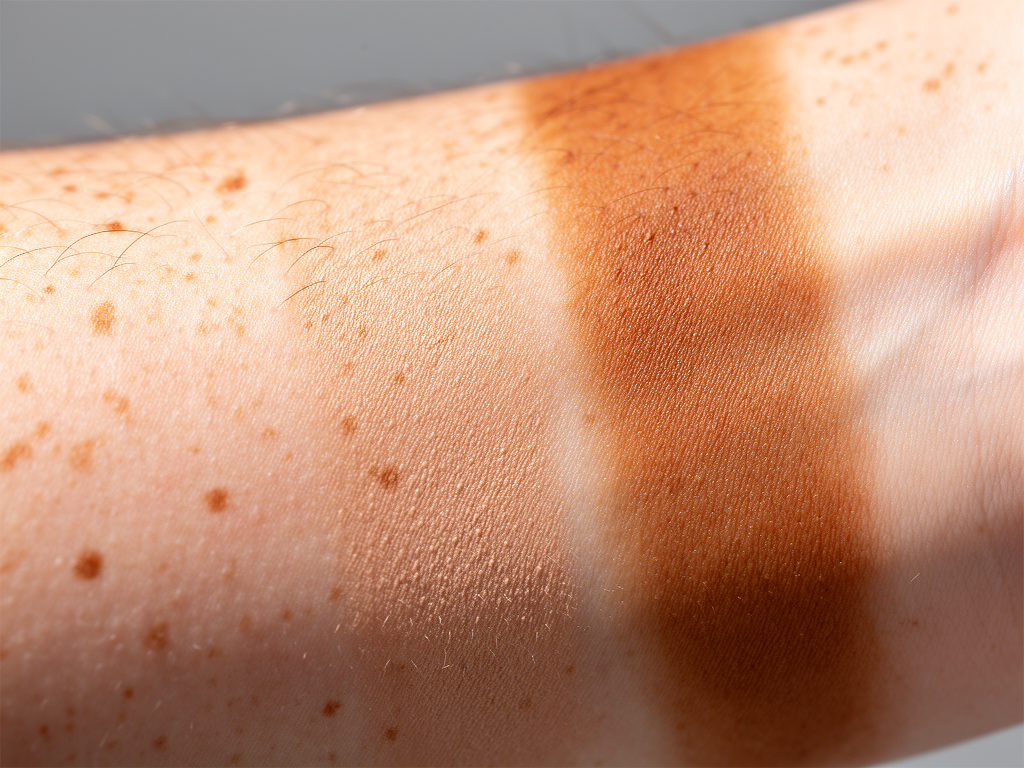
Skin pigmentation refers to the coloration of human skin, which is primarily determined by the synthesis and distribution of melanin. In Singapore, continuous exposure to high ultraviolet index levels year-round, combined with humidity and inherent genetic predispositions, frequently contributes to various hyperpigmentation concerns among the population. Managing these conditions requires a thorough understanding of dermatology and the judicious application of medical therapies. Energy-based skin treatments, particularly laser therapies, serve as a common modality within aesthetic medicine to address hyperpigmentation.
The primary objective of this documentation is to provide a comprehensive, educational overview of how energy-based devices interact with pigmented tissues. It is crucial to recognize that clinical outcomes may help improve the appearance of skin tone, but results vary between individuals based on their physiological makeup, adherence to post-treatment care, and the specific nature of their condition.
To fully comprehend how medical treatments address discoloration, one must first explore the biological mechanisms that dictate skin color and understand the manifestations that present clinically.
How Pigmentation Develops
The human epidermis contains specialized cells known as melanocytes, situated predominantly at the basal layer. These cells are responsible for producing melanin through a complex biochemical process driven by an enzyme called tyrosinase. Once synthesized, melanin is packaged into microscopic organelles termed melanosomes, which are subsequently transported to the surrounding keratinocytes (skin cells). This process is a natural physiological defense mechanism designed to shield the cellular DNA from ultraviolet radiation damage.
However, when melanocytes become overactive, they produce an excess of melanin, leading to localized or widespread hyperpigmentation. This hyperactivity is frequently triggered by chronic sun exposure, genetic predispositions, hormonal fluctuations, aging, or localized tissue trauma. The depth at which this excess melanin is deposited—whether in the superficial epidermis or the deeper dermis—plays a highly significant role in determining the appropriate medical approach for management.
Common Types of Pigmentation Observed in Singapore
Given the environmental conditions and demographic profile in Singapore, several forms of hyperpigmentation are routinely encountered in clinical practice. Ephelides, commonly referred to as freckles, manifest as small, discrete brown macules located on sun-exposed areas. Solar lentigines, frequently known as age spots or sun spots, are larger, well-defined areas of discoloration that typically emerge following years of cumulative ultraviolet exposure.
Melasma presents a more complex clinical challenge. It appears as symmetrical, mottled brownish or grayish patches, generally distributed across the cheeks, forehead, nasal bridge, and upper lip. Its pathogenesis is deeply intertwined with hormonal variations, ultraviolet light exposure, and potentially visible light. Furthermore, Hori’s macules, which present as blue-brown patches situated deeply within the dermal layer, are particularly prevalent among individuals of Asian descent. Lastly, post-inflammatory hyperpigmentation occurs as a reactive process following skin injury, such as acne lesions, burns, or excessive friction.
The Importance of Correct Diagnosis
Because distinct forms of pigmentation reside at different structural depths and derive from varying etiologies, an accurate clinical diagnosis is an absolute prerequisite to an effective management plan. A treatment parameter appropriately calibrated for superficial solar lentigines might inadvertently exacerbate melasma. Medical professionals utilize examination tools, including dermoscopy and Wood’s lamp evaluations, to ascertain the exact nature and depth of the pigmented lesions before recommending any form of intervention.
If you’re considering laser treatments for pigmentation in Singapore, you might find it helpful to read about various last-minute safe treatments that can enhance your appearance for special occasions. One such article discusses effective options that can help you achieve a radiant look just in time for celebrations. You can explore this further in the article titled “Last Minute Safe Treatments to Get You Looking Snatched This CNY” available at this link.
The Role of Laser Treatments in Managing Pigmentation
Laser treatments function precisely by utilizing targeted light energy to interact with specific structures within the dermal and epidermal layers. These therapies offer a structured clinical approach to addressing localized and diffuse melanin deposits.
Mechanism of Action of Energy-Based Skin Treatments
The fundamental scientific principle governing laser pigmentation treatments is selective photothermolysis. This principle dictates that a specific wavelength of light is emitted by the device and selectively absorbed by a targeted chromophore—in this context, melanin. When the melanin particles absorb this concentrated energy, they undergo rapid thermal expansion and are subsequently fractured into substantially smaller fragments.
Following the structural fragmentation of these pigment particles, the body’s innate immune system is activated. Macrophages, which are specialized immune cells, gradually engulf and metabolize these shattered melanin fragments, eventually eliminating them through the lymphatic system. By delivering the light energy in highly precise, ultra-short durations, the surrounding collateral tissues are spared from excessive thermal damage, thereby reducing the probability of adverse complications.
Generic Categories of Laser Technologies
The medical field employs various classifications of energy-based skin treatments, typically categorized by their pulse durations and specific wavelengths. Nanosecond lasers deliver light impulses measured in billionths of a second. This technology has historically served as a foundational standard for addressing a wide array of dermal and epidermal pigmentary concerns.
More recently developed technologies include picosecond lasers, which emit energy in trillionths of a second. The exceptionally abbreviated pulse duration generates a prominent photoacoustic effect, creating shockwaves that shatter the melanin into highly minute particles while minimizing heat transfer to adjacent cells. Additionally, fractional resurfacing lasers may be employed to facilitate accelerated epidermal cell turnover, essentially assisting the skin in naturally shedding microscopic columns of pigmented tissue while generating renewed epithelial layers.
Wavelengths and Penetration Depths
Wavelength selection is a critical variable determined by the executing medical practitioner. Shorter wavelengths typically absorb highly into melanin but do not penetrate deeply into the skin, making them appropriate for superficial epidermal lesions like freckles. Conversely, longer wavelengths penetrate deeper into the dermis without being entirely absorbed by the superficial layers, allowing the focused energy to interact with deeper clinical presentations such as Hori’s macules or tattoo ink. The precise calibration of these variables is entirely dependent on clinical evaluation.
Suitability Considerations for the Asian Phenotype
The ethnic demographic in Singapore generally features skin types classified under Fitzpatrick Skin Types III, IV, and V. This classification system describes skin phenotypes that naturally exhibit a higher baseline concentration of melanin and a propensity to tan easily when exposed to ultraviolet light.
Skin Type and Melanin Activity
Treating patients with inherently higher melanin levels necessitates a profound degree of caution. If an energy-based treatment is excessively aggressive, the baseline melanin within the healthy epidermis will compete with the target hyperpigmentation for the emitted laser energy. This thermal interaction can disturb the surrounding melanocytes, leading to potential complications. Therefore, medical professionals typically utilize conservative energy parameters, gradually adjusting the intensity while continually monitoring the tissue response. Individuals must comprehend that results vary between individuals, depending heavily on their innate biological responses.
Identifying the Underlying Cause of Pigmentation
The etiologic origin of the skin discoloration dictates the viability of energy-based interventions. Pigmentation originating from simple photodamage usually responds in a more straightforward manner to photothermolysis. In contrast, conditions characterized by underlying systemic, vascular, or hormonal triggers demand a heavily moderated approach. Aggressively targeting a hormonally driven condition can provoke a rebound effect, wherein the skin darkens further as an inflammatory defense mechanism. Complete eradication is rarely a realistic outcome for chronic conditions; instead, the strategy focuses on long-term modulation and maintenance.
Contraindications for Laser Therapy
Laser procedures are not universally suitable for all individuals. Absolute and relative contraindications exist to ensure patient safety. Pregnant individuals are routinely advised to postpone elective energy-based therapies due to a lack of generalized safety data and the high probability of hormonally induced skin changes during gestation. Furthermore, individuals currently experiencing active, localized cutaneous infections, such as an outbreak of herpes simplex virus or active inflammatory cystic acne, must resolve these conditions prior to treatment. Patients utilizing specific photosensitizing medications or those with a documented history of keloid scarring require extensive medical evaluation to determine if this therapeutic route is clinically appropriate.
The Treatment Process and Expected Journey
A structured, methodical approach to the treatment procedure ensures optimal clinical oversight and facilitates the management of patient expectations regarding the process.
Pre-Treatment Evaluation and Preparation
The procedural journey initiates with an extensive medical consultation. The attending practitioner will document the patient’s complete medical history, assess current pharmaceutical regimens, and analyze lifestyle factors involving sun exposure. Adherence to strict pre-treatment protocols is essential. Patients are primarily advised to practice rigorous ultraviolet avoidance and to apply broad-spectrum sunscreens meticulously for several weeks prior to the procedure. Additionally, practitioners may advise patients to cease applying topical chemical exfoliants or retinoid preparations days before the treatment to prevent unnecessary epidermal compromise.
What Happens During the Procedure
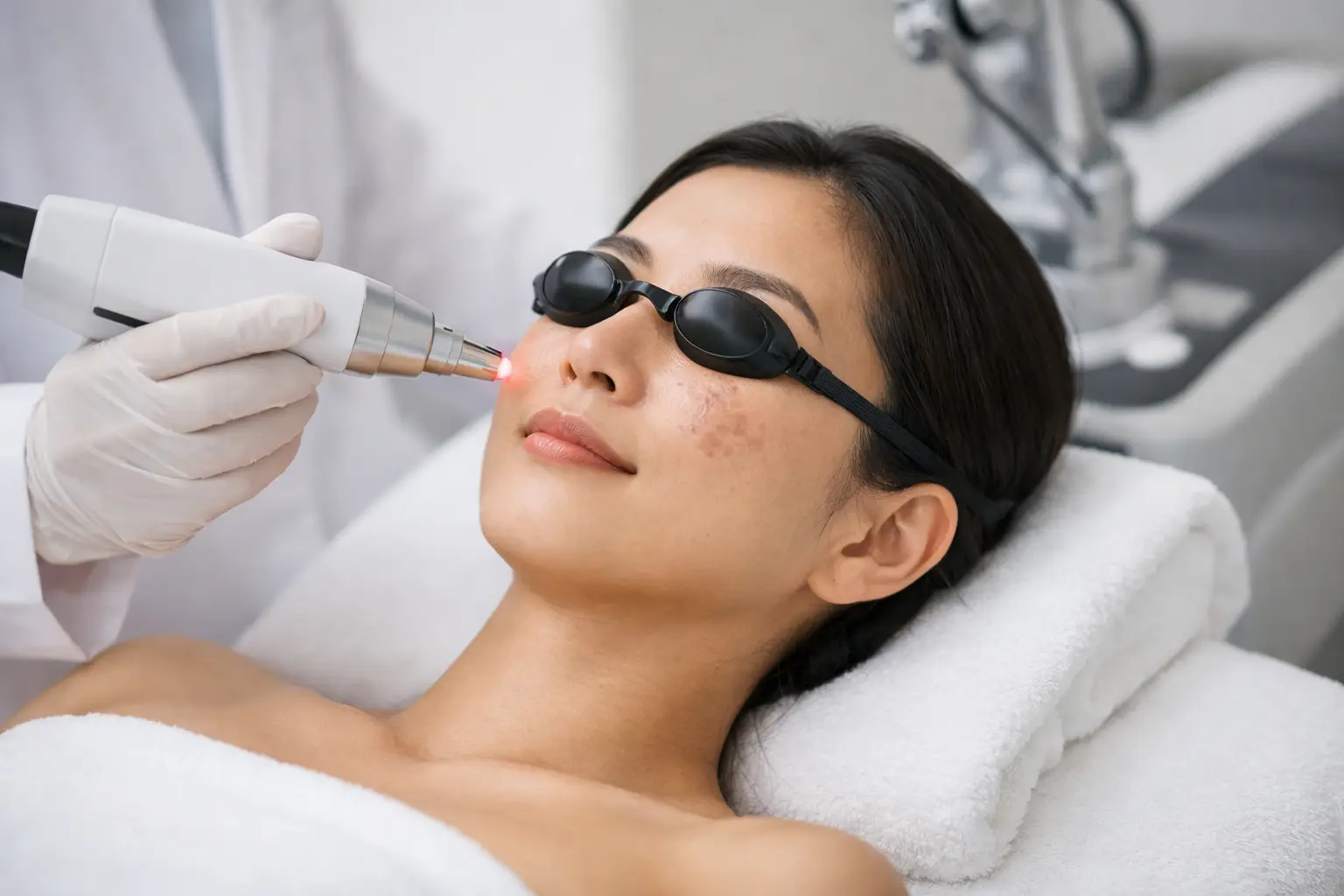
On the day of the procedure, clinical staff will thoroughly cleanse the treatment zone to remove any accumulated sebum, environmental debris, or cosmetic products. Depending on the anticipated discomfort level and the specific parameters of the medical device, a topical anesthetic cream may be applied and allowed to absorb for a designated duration. Both the patient and the attending medical personnel must don specialized protective eyewear entirely opaque to the specific wavelength of the emitting device. During operation, patients frequently report sensations comparable to rapid, mild snapping against the skin, accompanied by an intermittent warming sensation. The duration of the session fluctuates, generally ranging from several minutes to half an hour, strictly dictated by the total surface area requiring medical attention.
Post-Treatment Care and Recovery
The interval immediately following the treatment is highly critical for optimal cutaneous recovery. The application of soothing, non-comedogenic preparations and cold compresses frequently assists in mitigating transient heat sensations. Patients are formally instructed to adhere to a regimented aftercare plan. This includes maintaining maximal protection from ultraviolet radiation through the liberal application of medical-grade sunscreens and the utilization of physical barriers, including wide-brimmed hats and umbrellas. Exposure to extreme environmental heat, involving saunas, steam rooms, or vigorous cardiovascular exercise, must be stringently avoided for several days to prevent exacerbating the localized inflammatory response.
If you’re considering laser treatments for pigmentation in Singapore, it’s essential to understand how your skin’s barrier functions during recovery. A related article discusses the importance of the skin barrier and its role in aesthetic treatments, which can be crucial for achieving optimal results. You can read more about this topic in the article on the science of skin barrier and its significance in recovery from treatments by following this link: the science of skin barrier. Understanding these factors can help you make informed decisions about your skincare journey.
Potential Risks and Limitations
| Treatment | Cost | Effectiveness | Downtime |
|---|---|---|---|
| Q-switched Nd:YAG Laser | Varies | High | Minimal |
| Picosecond Laser | Varies | High | Minimal |
| Fractional Laser | Varies | High | Minimal |
Understanding the inherent risks and the realistic limitations of aesthetic therapies ensures patients are well-informed before engaging in medical procedures. All interventions involving living tissue carry potential adverse effects.
Temporary Reactions and Manageable Side Effects
Following a clinical session, it is entirely normal for the target area to exhibit erythema (redness) and mild edema (swelling). These immediate physiological responses signify the inflammatory cascade initiated by the thermal energy and typically resolve independently within a timeframe of a few hours to a few days. Certain wavelengths and specific targeted lesions may develop transient crusting or localized darkening as the shattered pigment migrates to the stratum corneum before naturally exfoliating. Patients are strictly counselled against prematurely removing or manipulating any crusts to prevent introducing bacteria or triggering scar tissue formation.
The Risk of Post-Inflammatory Hyperpigmentation (PIH)
A primary risk associated with managing pigmentation in Fitzpatrick Skin Types III to V is the development of post-inflammatory hyperpigmentation. This phenomenon occurs when the thermal trauma generated by the laser inadvertently triggers the melanocytes to produce excessive defensive melanin. Ironically, the intervention intended to reduce discoloration can temporarily introduce new pigmentary concerns. Medical professionals mitigate this specific risk by carefully selecting appropriate wavelengths, utilizing conservative fluence (energy) levels, and sometimes prescribing topical tyrosinase inhibitors as an adjunctive preparatory measure or post-procedural therapy.
Complications Regarding Hypopigmentation
While hyperpigmentation is a reactive darkening, hypopigmentation is the loss of natural skin color, presenting as unusually pale or white patches. This adverse event arises when excessive thermal energy destroys the melanocyte cells entirely, preventing them from synthesizing melanin. While often a rare complication when treatments are administered by trained medical personnel using appropriate calibrations, it remains a severe clinical risk because hypopigmentation can be highly challenging to reverse. Extensive spacing between treatment intervals and avoiding overly repetitive targeting of the exact same anatomical coordinates mitigate the occurrence of this complication.
Long-Term Management and Realistic Expectations
Energy-based skin treatments may help improve the visual severity of pigmented areas, but establishing highly realistic expectations is clinically necessary. Pigmentation deeply rooted in genetic programming, aging, or hormonal shifts represents a chronic biological state rather than a fully curable anomaly. Therefore, complete eradication is highly uncommon, and multiple sequential sessions spaced weeks or months apart are standard clinical practice.
Furthermore, the recurrence of pigmented lesions is a persistent reality, particularly in a geographic location characterized by intense sunlight. Continuous maintenance therapy, rigorous daily application of broad-spectrum photoprotection, and the integration of clinically proven topical formulations are imperative components of a long-term management framework. Individuals considering energy-based interventions should always undergo a thorough medical consultation to determine the suitability of these procedures for their specific physiological parameters and aesthetic objectives.
FAQs
What is laser treatment for pigmentation?
Laser treatment for pigmentation is a non-invasive procedure that uses focused light energy to target and break down excess melanin in the skin, reducing the appearance of pigmentation such as sun spots, age spots, and melasma.
How does laser treatment for pigmentation work?
During the procedure, the laser emits a specific wavelength of light that is absorbed by the pigmented areas of the skin. This energy is then converted to heat, which breaks down the excess melanin and stimulates the body’s natural healing process to gradually fade the pigmentation.
Is laser treatment for pigmentation safe?
When performed by a qualified and experienced professional, laser treatment for pigmentation is generally considered safe. However, there may be some risks and side effects, such as temporary redness, swelling, or changes in pigmentation. It is important to consult with a dermatologist or licensed practitioner to discuss the potential risks and benefits.
How many sessions are typically required for laser treatment for pigmentation?
The number of sessions required for laser treatment for pigmentation can vary depending on the individual’s skin type, the severity of the pigmentation, and the specific type of laser used. In general, multiple sessions spaced several weeks apart may be necessary to achieve optimal results.
Where can I find laser treatment for pigmentation in Singapore?
Laser treatment for pigmentation is offered at various dermatology clinics, medical spas, and aesthetic centers in Singapore. It is important to research and choose a reputable facility with qualified practitioners who have experience in performing laser treatments for pigmentation.