The pursuit of maintaining skin health and addressing the physiological signs of aging involves multiple clinical approaches. While injectable procedures such as botulinum toxin treatments, hyaluronic acid fillers, and other collagen-stimulating treatments address specific rhytids and volume depletion, non-invasive, needle-free therapies offer alternative pathways for dermal remodeling. Needle-free rejuvenation encompasses a broad spectrum of modalities designed to induce structural improvements without penetrating the skin with needles. By leveraging thermal, photomechanical, or chemical mechanisms, these energy-based skin treatments and topical applications aim to stimulate the body’s innate wound-healing cascade. The objective is mostly to encourage the production of structurally sound collagen and elastin fibers, which may help improve the overall texture, tone, and laxity of the tissue over time.
To appreciate how needle-free treatments function, it is necessary to examine the anatomical structure of the skin and the mechanisms of biological aging. The skin comprises the epidermis, dermis, and subcutaneous layers, supported by an underlying fascial network. Standard aging involves both intrinsic factors, such as genetics and cellular senescence, and extrinsic factors, including ultraviolet exposure and environmental pollutants. These factors collectively degrade the extracellular matrix, depleting native collagen and elastin. Needle-free modalities primarily aim to stimulate the fibroblasts within the dermis to restore these structural proteins.
The Principles of Energy-Based Devices
Energy-based skin treatments utilize exact wavelengths of light, sound waves, or electrical currents to deliver controlled energy into targeted tissue layers. Upon reaching the target depth, this energy converts into heat or mechanical acoustic waves, creating micro-zones of thermal coagulation or cellular disruption. This controlled injury prompts a localized inflammatory response, which represents the initial phase of the wound-healing cascade. Fibroblasts migrate to the affected area, increasing the synthesis of new collagen (neocollagenesis) and elastin (neoelastogenesis). Because the injury is highly localized and controlled, the surrounding healthy tissue remains preserved, thereby facilitating rapid recovery. Treatments are calibrated to ensure the epidermal barrier remains intact, minimizing downtime while targeting deeper structural anomalies.
Topically Applied Treatments and Transdermal Delivery
Beyond energy-emitting devices, needle-free rejuvenation also incorporates advanced topical delivery systems. The stratum corneum, the outermost layer of the epidermis, acts as a robust barrier protecting the body from external pathogens while preventing trans-epidermal water loss. Delivering high-molecular-weight active ingredients across this barrier without mechanical puncture requires specialized techniques. Clinical methods include chemical peels, which utilize specific acids (such as alpha-hydroxy or beta-hydroxy acids) to reduce intercellular cohesion. This process accelerates the shedding of redundant corneocytes, encouraging cellular turnover and facilitating deeper penetration of active compounds. Furthermore, modalities like electroporation or iontophoresis utilize mild electrical currents to temporarily alter the permeability of the cell membrane, allowing supportive vitamins, antioxidants, or un-crosslinked hyaluronic acid to traverse the epidermal barrier efficiently.
If you’re interested in exploring innovative methods for skin rejuvenation, you might find our article on late-night skincare myths particularly enlightening. Many people are unaware that certain common beliefs about nighttime routines can hinder their skin’s natural glow. To learn more about how to optimize your skincare regimen and discover the truth behind these myths, check out the article here: Late Night Skincare Myths That Might Be Holding Back Your Glow.
Common Modalities in Needle-Free Skin Treatments
The landscape of non-invasive aesthetic medicine has expanded significantly, resulting in a variety of technologies capable of altering dermal structures without surgical intervention or injections. Clinics commonly deploy a combination of the following technologies, depending on the specific physiological requirements of the patient.
High-Intensity Ultrasound Technology
High-intensity focused ultrasound is a prominent technology utilized to address tissue laxity. This equipment converges multiple intersecting ultrasound waves at precise depths beneath the skin surface. These focal points generate focused thermal energy reaching temperatures capable of denaturing existing, weakened collagen fibers. A critical advantage of this modality is its ability to target multiple distinct layers: the superficial dermis, the deep dermis, and the Superficial Musculoaponeurotic System (SMAS). The SMAS is the fascial layer manipulated during traditional surgical facelifts. By inducing focal coagulation points within the SMAS, the subsequent healing process causes tissue contraction. This process may help improve mild to moderate skin laxity. Patients must understand that tissue remodeling occurs gradually over several months, and results vary between individuals based on their intrinsic regenerative capacities.
Radiofrequency Energy Applications
Radiofrequency treatments apply electrical energy to heat tissue via electrical resistance. Unlike ultrasound, which creates discrete focal points of heat, radiofrequency delivers volumetric, generalized heating to the dermal layers. As patients age, the helical structure of collagen unwinds and loses structural integrity. When radiofrequency energy raises the dermal temperature to an optimal therapeutic threshold, the immediate physiological response is the contraction and thickening of these collagen fibrils. Over the following weeks, a delayed secondary response triggers fibroblast activity to synthesize new dermal proteins. Radiofrequency is delivered via monopolar, bipolar, or multipolar configurations, each determining the depth and distribution of the thermal effect. Regular non-ablative radiofrequency treatments focus entirely on subdermal heating, maintaining cooler epidermal temperatures to prevent superficial burns and preserve patient comfort.
Light and Laser Therapies
Laser and light-based therapies offer highly varied approaches to needle-free rejuvenation, aiming primarily at textural irregularities, pigmentary alterations, and vascular lesions. Fractional lasers divide a single laser beam into thousands of microscopic treatment columns, penetrating the dermis while leaving intervening tissues entirely unaffected. This fractional approach promotes rapid re-epithelialization. Additionally, modern picosecond laser technology utilizes ultra-short pulse durations to create a photomechanical impact rather than a purely photothermal one. This rapid delivery of concentrated energy shatters pigment particles into easily absorbable fragments and induces localized pressure waves. These pressure waves stimulate cellular signaling pathways within the dermis, encouraging rejuvenation without excessive heat accumulation. Such devices form a core component of managing photodamage and structural degradation.
Addressing Different Skin Concerns
Selecting the appropriate needle-free modality relies heavily on an accurate clinical diagnosis of the underlying aesthetic concern. Different energy wavelengths and delivery systems interact with tissue chromophores and structures in distinct ways.
Skin Laxity and Firmness
As facial fat pads descend and supportive dermal proteins decline, patients commonly observe a loss of mandibular definition, the formation of nasolabial folds, and generalized cutaneous laxity. Non-invasive skin tightening seeks to mitigate these issues by increasing volumetric tissue support. Ultrasound and radiofrequency modalities are generally selected to address laxity. Generating controlled thermal stress in the reticular dermis and subcutaneous interface promotes tissue contraction. While they offer a non-surgical alternative, it is essential to emphasize that these treatments do not replace surgical intervention for severe ptosis. These modalities may help improve early signs of tissue sagging; however, establishing realistic expectations regarding the degree of tissue lifting is entirely necessary for patient satisfaction.
Pigmentation and Uneven Complexion
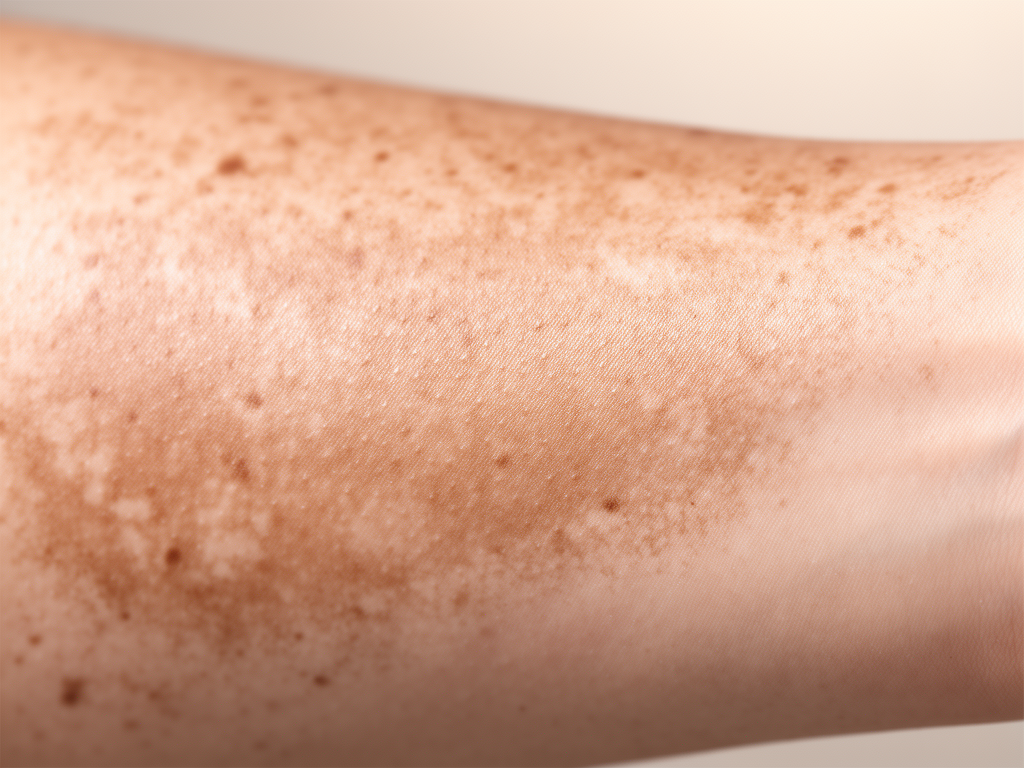
Dyschromia, including lentigines, post-inflammatory hyperpigmentation, and melasma, requires precise management to avoid exacerbating the condition with excessive heat. Excessive melanin production stems from hyperactivity of melanocytes residing in the basal layer of the epidermis. Utilizing specific Q-switched or picosecond lasers allows practitioners to target the melanin chromophore directly. The laser energy breaks the accumulated melanosomes into minute particles, which are subsequently cleared by the body’s lymphatic system. Chemical peeling also serves as a valuable adjunct by accelerating the desquamation process, physically lifting epidermal pigment away. Managing pigmentation is a long-term clinical endeavor requiring a layered approach, and ongoing photoprotection is mandatory to maintain clinical improvements.
Textural Irregularities and Scars
Rough skin texture, enlarged pores, and atrophic scarring originating from acne represent structural deficits within the dermal matrix. Addressing these challenges necessitates substantial dermal remodeling to elevate depressed scar tissue and refine surface irregularities. Fractional non-ablative lasers and specialized radiofrequency applications generate micro-thermal zones that force the skin to rebuild the targeted areas with healthy, organized tissue. The continuous stimulation of epidermal cellular turnover, combined with renewed dermal support, contributes to a smoother topographical appearance. Multiple sessions spaced at appropriate intervals are invariably required to yield noticeable changes, as collagen organization is a slow physiological event.
Suitability and Pre-Treatment Considerations
Not every individual presents as an ideal candidate for every type of needle-free skin treatment. Ensuring safety and maximizing functional outcomes require strict adherence to clinical protocols and thorough pre-procedural evaluations.
Evaluating Patient Suitability
Medical practitioners conduct detailed clinical assessments to determine treatment viability. Variations in skin phototype (classified via the Fitzpatrick scale) significantly influence the choice of energy-based device. For instance, individuals with darker skin phototypes have a higher concentration of active melanocytes and possess an increased risk of post-inflammatory hyperpigmentation when exposed to certain thermal or ablative therapies. Devices utilizing photomechanical energy or radiofrequency, which bypass epidermal melanin, are often favored for darker skin tones. Additionally, active cutaneous infections, severe dermatoses (such as unstable rosacea or active cystic acne), autoimmune disorders impairing wound healing, and pregnancy serve as common contraindications for various intense energy treatments.
Medical History and Skin Assessment
A comprehensive medical consultation precedes any aesthetic intervention. The assessing clinician evaluates the precise nature of the skin concern, identifying whether the laxity is related to dermal depletion, volume loss, or muscular hypertrophy. Previous aesthetic interventions, including past uses of botulinum toxin treatments, hyaluronic acid fillers, or surgical adjustments, are recorded to ascertain safety parameters. The clinician examines the thickness of the epidermo-dermal junction, hydration levels, and the degree of photoaging. Based on these objective observations, a customized treatment schedule is proposed. Educating the patient regarding the exact biological mechanism of the chosen device fosters adherence to aftercare protocols and establishes appropriate clinical benchmarks.
Needle-free skin rejuvenation is gaining popularity as a non-invasive alternative to traditional treatments, offering a pain-free option for those seeking to enhance their skin’s appearance. For those interested in exploring innovative advancements in aesthetic procedures, a related article discusses the latest breakthroughs in hair follicle revival, which may also provide insights into skin rejuvenation techniques. You can read more about it in this informative piece on hair follicle revival.
Understanding Risks and Managing Expectations
| Method | Effectiveness | Pain Level | Downtime |
|---|---|---|---|
| Laser Therapy | High | Low | Minimal |
| Microdermabrasion | Moderate | Low | Minimal |
| Radiofrequency | High | Low | Minimal |
In aesthetic medicine, any procedure that induces an anatomical change inherently carries associated risks. Transparency regarding these potential adverse events and a clear timeline for clinical outcomes form the foundation of professional patient care.
Potential Side Effects
While needle-free rejuvenation techniques bypass the risks associated with sharp instrumentation, energy-based skin treatments retain specific side effect profiles. The intentional induction of thermal or mechanical stress routinely results in transient erythema (redness) and edema (swelling). These acute inflammatory responses are normal and typically subside within hours to a few days, depending on the energy settings deployed. Mismanagement of equipment or inappropriate patient selection can lead to adverse events, including epidermal burns, blistering, or unwanted pigmentary alterations, comprising both hyperpigmentation and hypopigmentation. Adhering to professional clinical guidance and ensuring treatments are administered by qualified personnel minimizes these adverse occurrences. Patients must follow post-procedural instructions carefully, which universally include strict avoidance of ultraviolet light and application of recommended topical barrier support.
Realistic Outcomes and Maintenance
Addressing cellular aging demands a long-term perspective. Because neocollagenesis relies on the body’s intrinsic biological systems, changes do not occur immediately. Patients typically observe structural variations formulating between four to twelve weeks post-intervention, with connective tissue remodeling continuing for up to six months. Furthermore, no procedure halts the chronological aging process. As connective tissues continue to undergo natural degradation over time, the obtained improvements will gradually diminish. Practitioners usually recommend maintenance sessions strategically spaced throughout the year to consistently stimulate cellular activity. Results vary between individuals significantly, influenced by age, genetic predispositions, lifestyle factors such as smoking and nutrition, and the precise severity of the initial presentation. Emphasizing this variability ensures adherence to a sustained, comprehensive skin management plan rather than seeking a singular corrective event.
Needle-free rejuvenation represents a substantial pillar within the aesthetic medical community, providing a diverse array of non-invasive choices for managing structural and textural skin concerns. Through the cautious application of focused energy, light, and optimized topical compounds, these methods encourage dermal revitalization. By prioritizing thorough clinical assessments, precise patient selection, and ongoing anatomical education, medical professionals can formulate safe protocols tailored to support long-term dermatological health.
FAQs
What is needle-free skin rejuvenation?
Needle-free skin rejuvenation refers to non-invasive cosmetic procedures that aim to improve the appearance and texture of the skin without the use of needles or injections. These treatments often utilize technologies such as lasers, radiofrequency, ultrasound, or other energy-based devices to stimulate collagen production and improve skin tone and texture.
What are the benefits of needle-free skin rejuvenation?
The benefits of needle-free skin rejuvenation include minimal discomfort, no downtime, and reduced risk of complications compared to invasive procedures involving needles or injections. These treatments can help improve the appearance of fine lines, wrinkles, acne scars, and uneven skin tone, leading to a more youthful and radiant complexion.
What are some common needle-free skin rejuvenation treatments?
Common needle-free skin rejuvenation treatments include laser skin resurfacing, radiofrequency skin tightening, ultrasound therapy, microdermabrasion, chemical peels, and light-based therapies such as IPL (intense pulsed light) or LED (light-emitting diode) treatments. Each of these treatments targets specific skin concerns and can be tailored to individual needs.
Who is a good candidate for needle-free skin rejuvenation?
Good candidates for needle-free skin rejuvenation are individuals who are looking to improve the appearance of their skin without undergoing invasive procedures involving needles or injections. These treatments are suitable for those with mild to moderate skin concerns such as fine lines, wrinkles, uneven skin tone, and mild skin laxity.
Are there any potential risks or side effects associated with needle-free skin rejuvenation?
While needle-free skin rejuvenation treatments are generally considered safe, there are potential risks and side effects to be aware of, including temporary redness, swelling, and mild discomfort. In rare cases, more serious side effects such as burns, scarring, or changes in skin pigmentation may occur. It is important to consult with a qualified skincare professional to discuss the potential risks and benefits of these treatments.