If you are considering liposuction to help reshape your body, you probably want to know exactly what is involved, how much it helps, and what working with a liposuction clinic actually looks like.
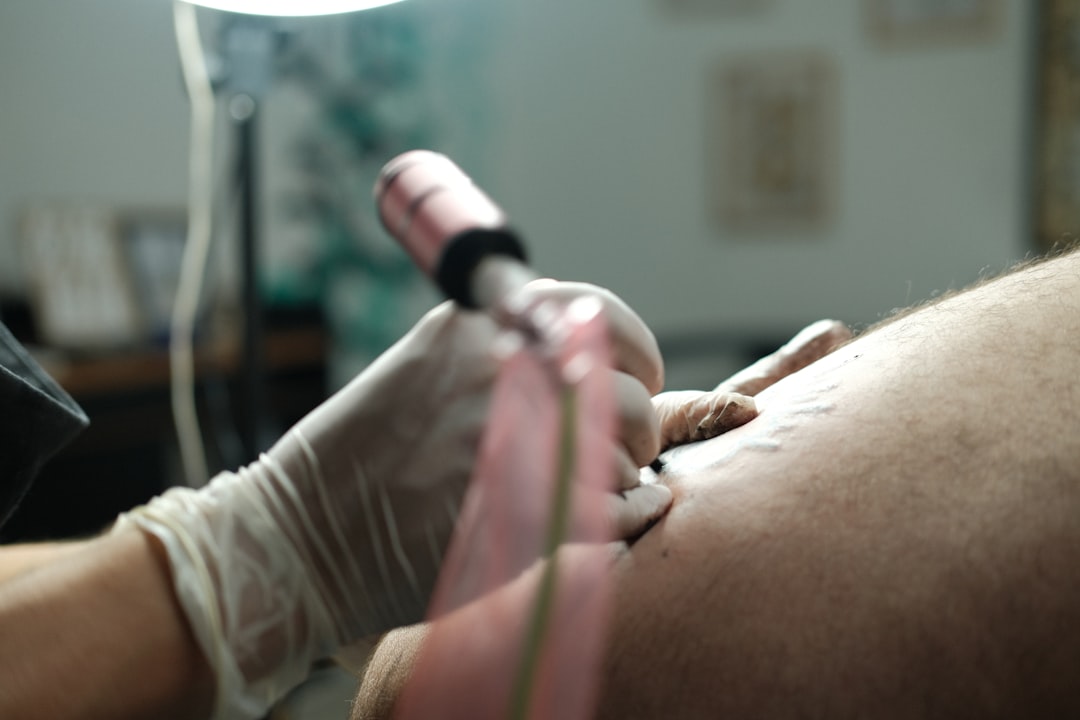
To put it simply, a liposuction clinic is a medical facility where a surgeon removes stubborn, localized pockets of fat that do not respond to diet or exercise. This is done using a hollow tube called a cannula, which vacuums out the fat cells to create a smoother body contour.
Liposuction is not a weight-loss tool, and it will not cure obesity. Instead, it is a targeted procedure meant to refine your proportions. If you are close to your ideal weight but have a persistent lower belly, heavy thighs, or a double chin, a reputable liposuction clinic can help you achieve a more proportionate shape.
Here is a practical breakdown of how liposuction works, how to choose the right clinic, and what to expect from the recovery process.
Before you start searching for a clinic, it is helpful to understand the reality of the procedure. Many people have a skewed perception of what liposuction can achieve, largely due to social media or edited photographs.
It is About Contouring, Not Weight Loss
The most important thing to know is that liposuction targets volume in specific areas. The scale might not drop much after your surgery. In fact, most surgeons will only remove a maximum of about five liters of fat (which translates to roughly ten to eleven pounds) in a single session for safety reasons.
Instead of looking at the scale, you will see the results in how your clothes fit and how your silhouette looks in the mirror. The procedure removes the localized fat cells permanently. Once those specific fat cells are gone, they do not grow back.
Which Body Parts Respond Best?
Liposuction can be performed on almost any area of the body that holds pinchable, subcutaneous fat. The most common areas treated at a clinic include the abdomen, flanks (love handles), inner and outer thighs, upper arms, back, and submental area (under the chin).
The quality of your results will heavily depend on your skin elasticity. If your skin is firm and snaps back easily, it will smoothly contour over your new, slimmer frame. If your skin is loose, thin, or has a lot of stretch marks, removing the fat underneath might leave you with sagging skin. In those cases, a clinic might recommend a skin-excision procedure, like a tummy tuck, in addition to or instead of liposuction.
If you’re considering liposuction and want to understand how skin health can impact your results, you may find this article on skin pigmentation particularly insightful. It discusses the various causes and cures for skin pigmentation, which can be an important factor to consider before undergoing any cosmetic procedure. For more information, you can read the article here: Understanding Skin Pigmentation: Causes and Cures.
How to Choose the Right Liposuction Clinic
Selecting the right facility and surgeon is the most crucial decision you will make. You are trusting someone with your body and your life, so this is not the time to look for a bargain or rush the process.
Board Certification and Credentials Matter
Always check the credentials of the person performing the surgery. Look for a surgeon who is board-certified in plastic surgery. This certification means they have gone through rigorous training and examinations specifically in plastic and reconstructive surgery.
Furthermore, look at the clinic itself. The facility where the surgery takes place should be fully accredited by recognized medical organizations. Accreditation ensures that the clinic meets strict safety standards, has emergency protocols in place, and uses properly maintained medical equipment.
Red Flags to Watch Out For
Trust your gut when visiting a clinic. If a clinic uses high-pressure sales tactics—like offering a massive discount if you book today—you should walk away. Medical procedures should never be sold like timeshares.
Other red flags include a surgeon who refuses to show you long-term before-and-after photos, a clinic that downplays the risks of surgery, or an environment that feels unsanitary. You should also be wary if the clinic is willing to operate on you when your BMI is outside the safe surgical guidelines, which is typically over 30 or 35 depending on the facility.
The Consultation Process
A consultation is your opportunity to interview the surgeon. Be prepared with questions. Ask how many liposuction procedures they perform a week. Ask where the incisions will be placed and how long the resulting scars usually are.
During the consultation, a trustworthy surgeon will evaluate your body, ask about your medical history, and give you an honest assessment of what liposuction can and cannot do for you. They should outline a recommended surgical plan, explain the type of anesthesia they plan to use, and give you a detailed breakdown of the recovery timeline.
Exploring Different Liposuction Techniques

If you spend time looking at clinic websites, you will likely see a variety of trademarked names and acronyms. While the basic concept of liposuction remains the same—loosening fat and suctioning it out—the methods used to loosen that fat can vary.
Tumescent Liposuction (The Standard)
Tumescent liposuction is the foundation of modern fat removal. Before any fat is suctioned out, the surgeon injects a large volume of tumescent fluid into the targeted area. Make no mistake, almost all modern liposuction uses this method.
This fluid is a mixture of saline, lidocaine (a local anesthetic), and epinephrine (a drug that shrinks blood vessels). The fluid causes the fat compartment to swell and firm up, making it easier to remove the fat smoothly. More importantly, the epinephrine significantly reduces bruising and blood loss, making the procedure incredibly safe.
Ultrasound-Assisted Liposuction (UAL)
Sometimes referred to by brand names like VASER, ultrasound-assisted liposuction uses sound waves to liquefy fat cells before they are vacuumed out. The surgeon inserts a specialized metal rod that emits ultrasonic energy under the skin.
This method is particularly effective for treating fibrous, dense fat deposits, such as those found on the male chest or the upper back. It is also often used for secondary liposuction procedures, where scar tissue from a previous surgery makes the fat harder to remove.
Laser-Assisted Liposuction
Laser-assisted liposuction uses targeted laser energy to melt fat. Through a very small incision, a tiny laser fiber is inserted under the skin. The heat from the laser liquefies the fat, which is then suctioned out.
An added benefit of the laser method is that the heat can stimulate collagen production in the deep layers of the skin, potentially leading to mild skin tightening. This method is generally reserved for smaller areas of the body, like the neck, arms, or lower face.
What to Expect Before and During the Procedure
Once you have selected a clinic and a surgical method, you will be scheduled for your procedure. Knowing how to prepare and what the surgical day looks like can help calm your nerves and set you up for a smoother healing process.
Preparing Your Body
A few weeks before your surgery, your clinic will give you a list of pre-operative instructions. You will generally be asked to stop taking blood-thinning medications, including aspirin and certain herbal supplements, to minimize the risk of bleeding.
If you smoke or vape, you must stop at least four to six weeks before surgery. Nicotine constricts blood vessels, drastically reducing the blood supply to your skin and increasing the risk of serious complications, like tissue death and poor wound healing. You should also take this time to prepare your home recovery space. Stock up on easy-to-cook healthy meals, grab some dark-colored bed sheets, and arrange for a responsible adult to drive you home and stay with you for the first 24 hours.
The Day of the Procedure
When you arrive at the clinic, you will change into a surgical gown. The surgeon will come in to mark your body with a surgical pen, creating a topological map of the areas to be sculpted. They will take “before” photos for your medical file.
Depending on the extent of the liposuction, you will either receive local anesthesia with sedation (meaning you are awake but deeply relaxed and numb) or general anesthesia (where you are completely asleep). The procedure itself usually takes anywhere from one to three hours. Once it is done, you will wake up in a recovery room wearing a tight compression garment.
If you’re considering liposuction, you might find it helpful to read about other effective treatments that can enhance your appearance. A related article discusses various last-minute safe treatments that can help you look your best for special occasions. You can check it out for more insights on how to achieve that snatched look just in time for celebrations. For more details, visit this article.
The Recovery Process and Maintaining Results
| Metrics | Value |
|---|---|
| Number of liposuction procedures performed | 200 |
| Success rate | 95% |
| Recovery time | 1-2 weeks |
| Cost of liposuction procedure | 3000-8000 |
The success of your lipo does not just depend on what happens in the operating room. What you do in the weeks following your procedure at the clinic is just as important for achieving a smooth, contoured result.
The First Few Days Post-Op
The first 48 to 72 hours are generally the most uncomfortable. You will feel as though you have done the most intense physical workout of your life. Muscle soreness, stiffness, and significant bruising are entirely normal.
You can also expect fluid to leak from your incision sites for the first few days. This is the leftover tumescent fluid mixed with a small amount of blood. It looks messier than it feels, which is why having dark sheets or absorbent pads on your bed is a practical necessity. While you need to rest, your clinic will require you to get up and walk around your house for a few minutes every couple of hours to keep your blood circulating and prevent blood clots.
Managing Compression Garments and Swelling
Before you leave the clinic, you will be placed in a medical-grade compression garment that looks a bit like a tight wetsuit or a heavy-duty girdle. You will likely hate this garment, but you must wear it.
Compression is vital. It applies firm pressure to the empty space where the fat used to be, preventing fluid from building up (a condition called a seroma). It also helps your skin retract and mold to your new body contours. Most clinics require you to wear this garment 24 hours a day, taking it off only to shower, for the first three to four weeks, followed by another few weeks of daytime or nighttime wear.
Swelling is going to be your main companion for a while. You might actually look larger the week after your surgery than you did before it. This is completely standard. The majority of the swelling resolves within four to six weeks, but it can take three to six months for all residual swelling to disappear and the final results to show.
Long-Term Maintenance Strategy
Liposuction permanently removes the fat cells in the treated area. However, it does not prevent you from gaining weight in the future.
If you consume more calories than you burn, your body will store that energy as fat. Because there are fewer fat cells in the treated area, the new fat will likely deposit in untreated areas of your body. For example, if you had liposuction on your stomach and later gain twenty pounds, you might find that your arms, thighs, or back get disproportionately larger. To protect your investment and maintain your ideal body, you need to stick to a balanced diet and a consistent exercise routine.
When considering procedures like liposuction, it’s essential to understand how your skin’s health can impact recovery and overall results. A related article discusses the importance of the skin barrier and its role in aesthetic treatments, which can be particularly relevant for those undergoing body contouring procedures. You can read more about this crucial aspect of recovery in the article on the science of skin barrier. Understanding these factors can help you achieve the best possible outcomes from your liposuction journey.
Understanding the Costs and Financing
Knowing how a clinic calculates its prices will prevent you from being caught off guard by hidden fees. Liposuction is considered an elective cosmetic procedure, so it involves several different cost factors.
Breaking Down the Fees
When a clinic gives you a quote, make sure it is a comprehensive, all-inclusive number. The total cost of liposuction is usually made up of three main parts.
First is the surgeon’s fee, which is based on their experience, geographic location, and the complexity of your specific case. Second is the operating room or facility fee, which covers the cost of using the clinic’s sterilized equipment and supplies. Finally, there is the anesthesia fee, which pays for the anesthesiologist or nurse anesthetist who carefully monitors your vitals while you sleep. Additionally, ask if your quote includes your post-op compression garments and all follow-up appointments.
Insurance vs. Out-of-Pocket
Because liposuction is meant to improve aesthetic appearance, medical insurance will not cover it. You are responsible for the entire bill out-of-pocket.
If the upfront cost is a barrier, inquire about what financing the clinic accepts. Many reputable clinics partner with third-party medical financing companies that allow you to pay off the procedure in monthly installments. Just be practical and carefully read the interest rates and terms before signing up.