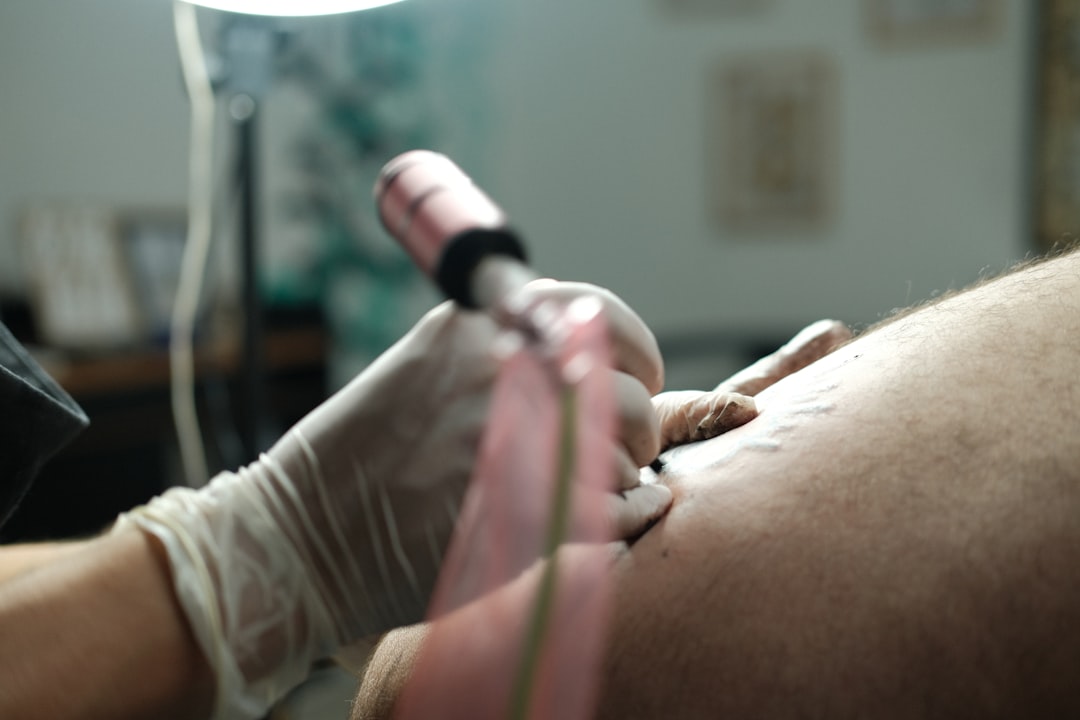
Laser skin treatment, often called laser resurfacing, utilizes concentrated beams of light to remove old, damaged skin cells and stimulate the body’s natural healing response. When this light penetrates the skin, it heats the underlying layers and forces cell turnover while jumpstarting collagen production. The result is a newer, tighter, and more evenly toned layer of skin.
If you are dealing with acne scars, sun damage, or fine lines, laser treatments offer a targeted way to address these issues. Unlike topical creams that work slowly on the surface, lasers create controlled micro-injuries deep within the tissue to restructure your skin from the inside out.
To understand how a laser changes your skin, you need to look at the mechanics of the light beams and how your body reacts to them. Not all lasers do the same thing, and they vary significantly in their intensity and target areas.
Ablative vs. Non-Ablative Lasers
Lasers are generally broken down into two main categories: ablative and non-ablative.
Ablative lasers, such as Carbon Dioxide (CO2) or Erbium lasers, are the heavy hitters. They work by entirely vaporizing the outermost layer of your skin (the epidermis). This process is highly effective for deep wrinkles and severe scarring. However, because it physically removes skin, it requires a significant recovery period characterized by rawness and peeling.
Non-ablative lasers, on the other hand, are less invasive. These devices heat the underlying skin tissue (the dermis) without destroying the top layer. Because the surface remains intact, your recovery time is much shorter. The trade-off is that the results are less dramatic, meaning you will likely need multiple sessions to achieve the same outcome a single ablative treatment might provide.
The Fractional Approach
You will often hear the term “fractional” applied to both ablative and non-ablative lasers, with Fraxel being the most recognizable brand name.
A fractional laser breaks the light beam down into thousands of microscopic columns. Instead of treating the entire surface of the skin like a traditional laser, it treats a fraction of it, leaving healthy tissue intact around every microscopic wound. This intact skin helps the treated areas heal much faster than they would if the entire surface was targeted at once.
The Role of Collagen Production
The real magic of any laser treatment lies in neocollagenesis—the generation of new collagen. Collagen is the structural protein that keeps your skin firm and bouncy. As we age, our natural collagen breaks down.
When a laser applies intense heat to the dermis, it triggers a wound-healing response. Your body rushes fibroblasts to the area, which then produce fresh collagen and elastin. As this new tissue forms over the following weeks and months, the skin naturally tightens and plumps up, reducing the appearance of depressions and wrinkles.
If you’re considering laser treatments for facial rejuvenation, you might find it helpful to read about managing hyperpigmentation, which can be effectively addressed through various methods, including laser therapy. For more insights on this topic, check out the article on tips and treatments for hyperpigmentation at Laz Aesthetic. This resource provides valuable information that can complement your understanding of how laser treatments can help improve skin tone and texture.
Common Skin Issues Lasers Can Fix
Laser treatments are highly versatile. By altering the wavelength of the light and the depth of penetration, providers can target very specific dermatological complaints.
Acne Scars and Textural Issues
Acne scars, particularly pitted scars like boxcar, rolling, or icepick scars, are notoriously difficult to treat with skincare products. These scars form when the skin heals poorly from severe inflammation, leaving behind fibrous bands that pull the skin downward.
Lasers break up this fibrous scar tissue. By stimulating heavy collagen production beneath the scar, the depression is slowly filled in from below. For deep acne scarring, fractional ablative lasers are usually the most effective option.
Fine Lines and Wrinkles
Dynamic wrinkles caused by muscle movement (like frown lines) are usually treated with neurotoxins like Botox. However, static wrinkles—the lines that remain visible when your face is at rest—can be effectively smoothed out with lasers.
By removing the crinkled outer layers of sun-damaged skin and tightening the tissue underneath, lasers smooth out fine lines around the eyes, mouth, and on the forehead. The skin essentially contracts as it heals, pulling taut over the treated areas.
Sun Damage and Hyperpigmentation
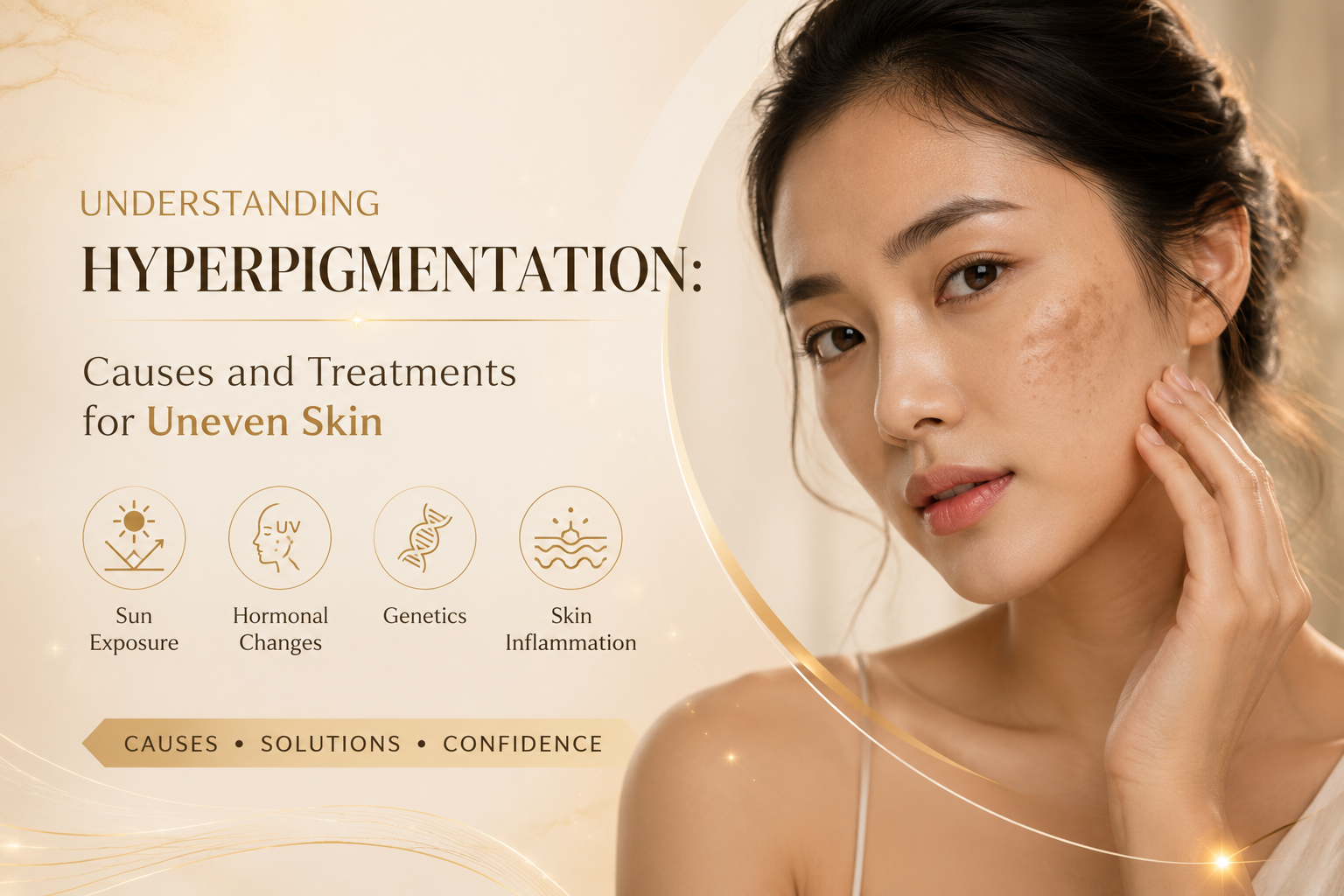
If you spend a lot of time in the sun without protection, you likely have hyperpigmentation, often showing up as brown spots, sun spots, or freckling. Certain lasers are designed to target melanin, the pigment in your skin.
When the light hits the dark spots, the melanin absorbs the energy and shatters into microscopic particles. Your body’s lymphatic system then naturally clears these particles away over the next few weeks, leaving a much more even skin tone.
Vascular Issues and Redness
Not all lasers target water or pigment; some target blood. Vascular lasers, like the Pulsed Dye Laser (PDL), seek out hemoglobin in red blood cells.
If you have broken capillaries around your nose, spider veins, or generalized redness from conditions like rosacea, a vascular laser heats and destroys these tiny dysfunctional blood vessels. The body absorbs the destroyed vessels, and the redness clears from the surface of the skin without damaging the surrounding tissue.
What to Expect During the Treatment
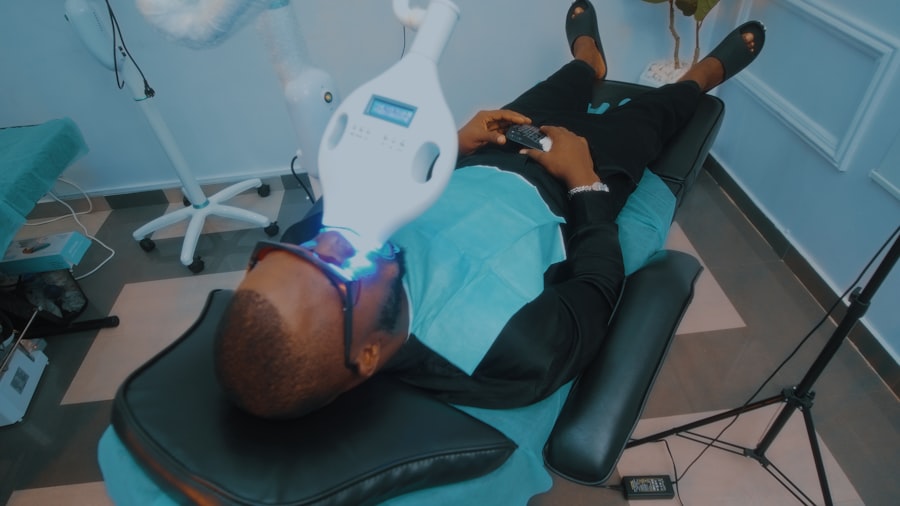
Preparing for a laser treatment and knowing what exactly happens in the room can help reduce any anxiety you might have. It is an intensive clinical procedure, so a bit of preparation is required.
The Prep Work Before the Laser
Your provider will require you to follow specific instructions in the weeks leading up to your appointment. You must stay out of the sun; a laser cannot be used on sunburned or recently tanned skin due to the risk of hyperpigmentation.
You will also be asked to pause the use of active skincare ingredients, such as retinoids, glycolic acid, and salicylic acid, about a week before the treatment to prevent excessive irritation. If you have a history of cold sores, the provider will likely prescribe an antiviral medication starting a few days prior, as the trauma from the laser can trigger an outbreak.
Numbing and Pain Management
Because lasers involve intense heat, pain management is a standard part of the protocol. For non-ablative or lighter fractional treatments, your provider will apply a thick layer of medical-grade topical numbing cream to your face for about 45 minutes to an hour before the procedure.
For deeper ablative treatments, topical numbing may not be enough. The provider might use local anesthetic injections (nerve blocks) or offer oral sedatives to keep you comfortable.
The Feeling During the Procedure
Once you are numb, your eyes will be covered with protective shields. The actual sensation of the laser varies depending on the device. Many people describe the feeling as a rubber band snapping repeatedly against the skin, accompanied by intense heat.
To counteract the heat, the laser device usually features a cooling mechanism that blasts chilled air onto your face as the laser moves across it. The procedure itself can take anywhere from 30 minutes to two hours, depending on the size of the treatment area and the type of laser used.
Navigating the Recovery Process
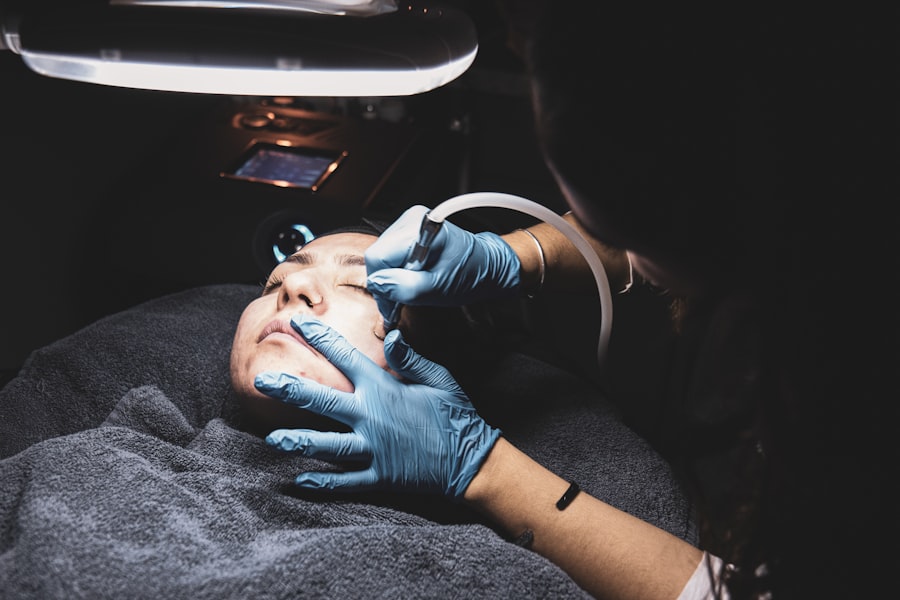
The recovery phase is where the real work happens. Patience and strict adherence to your provider’s instructions are mandatory to get the best results and avoid complications like infection or scarring.
The First 48 Hours
Immediately after the procedure, your skin will look and feel like it has a severe sunburn. It will be tight, red, and swollen, particularly around the eyes. If you had an ablative treatment, your skin might also ooze a clear fluid.
During these first couple of days, your main goal is to keep the skin cool and hydrated. You will likely be instructed to apply a heavy occlusive ointment like Aquaphor strictly and continuously. Your provider may also direct you to do mild vinegar soaks to keep the raw skin clean and stave off bacteria.
Peeling and Healing Over the Next Week
By day three or four, the swelling usually begins to subside, but a new phase starts: peeling. For fractional lasers, you may notice tiny dark dots all over your face that look like coffee grounds. This is the damaged tissue making its way to the surface.
As the skin tightens and begins to flake or peel, the most important rule is not to pick, scratch, or scrub at the dead skin. Pulling skin off before it is ready will result in scarring and prolonged redness. Let it fall off naturally while washing your face gently with your hands.
Adjusting Your Post-Care Skincare Routine
Once the initial raw healing phase is over and the skin has peeled, you will be left with a fresh, slightly pink layer of new skin. This skin is highly sensitive.
You must transition to a very gentle skincare routine consisting of a mild cleanser, a basic unfragranced moisturizer, and a high-quality mineral sunscreen. Chemical sunscreens can sting new skin. You should continue to avoid all active anti-aging and acne ingredients for at least a few weeks until your provider gives you the green light to resume your normal routine.
If you’re considering laser treatments for facial rejuvenation, you might find it helpful to explore the benefits of HIFU technology. This innovative approach offers non-invasive lifting and tightening effects, making it a popular choice among those seeking youthful skin. For more information on this treatment, you can read about it in a related article on the best HIFU treatment in Singapore, which provides insights into its effectiveness and what to expect. Check it out here.
Choosing the Right Laser for Your Skin Type
| Treatment Type | Duration | Recovery Time | Effectiveness |
|---|---|---|---|
| Laser Treatment for Face | 30-60 minutes | 1-3 days | Visible improvement in skin texture and tone |
One of the most critical aspects of laser treatment is understanding that not every laser is safe for every skin type. Treating the wrong skin tone with the wrong laser can result in permanent damage.
Considerations for Darker Skin Tones
People with darker skin tones (Fitzpatrick skin types IV through VI) are at a higher risk for post-inflammatory hyperpigmentation (PIH). Traditional ablative lasers that generate massive surface heat can trigger melanocytes to overproduce pigment, leaving dark, lasting patches on the skin.
Instead of traditional CO2 lasers, people with deeper skin tones usually see better and safer results from non-ablative fractional lasers, Nd:YAG lasers, or picosecond lasers. These devices target the deeper layers of skin using ultra-fast acoustic energy rather than intense thermal energy, bypassing the surface pigment altogether.
Managing Sensitive Skin and Rosacea
If you have highly reactive skin or a condition like rosacea, aggressive skin resurfacing might trigger prolonged inflammation. In these cases, the focus shifts from ablating the skin to calming the vascular response.
Providers generally lean toward gentle vascular lasers or intense pulsed light (IPL—though not technically a laser, it operates on a similar light-based principle). These treatments can address the redness and broken capillaries associated with rosacea without introducing intense heat that might aggravate overall skin sensitivity.
Addressing Age and Skin Laxity
The age of your skin and the degree of laxity will heavily influence the device your provider recommends. If you are in your thirties and looking to treat mild sun damage and early fine lines, a gentle non-ablative fractional laser is highly practical, offering minimal downtime.
If you are in your fifties or sixties with significant volume loss, deep static wrinkles, and heavy sun damage, light treatments simply won’t have enough impact. A deeper ablative treatment will be necessary to physically tighten the severe laxity and generate enough collagen to make a visible difference.
If you’re considering laser treatments for facial rejuvenation, you might find it helpful to explore related options that can enhance your skin’s appearance. For instance, skin boosters are an excellent complement to laser therapies, as they restore hydration and radiance to the skin. You can learn more about these treatments in this informative article on skin boosters, which discusses how they work and their benefits for achieving a youthful glow.
Are Laser Treatments Worth the Investment?
Laser skin resurfacing is a serious financial and time commitment. Weighing the practicality of the costs against the expected outcomes can help you decide if it fits your lifestyle.
Understanding the Costs
The price of a laser face treatment varies widely based on the specific type of machinery used, the geographic location of the clinic, and the credentials of the person operating the device.
On average, a non-ablative fractional laser session can cost anywhere from $500 to $1,200. Because you generally need multiple sessions, this can easily reach $2,000 to $4,000 in total. Fully ablative CO2 treatments, which are usually performed by dermatologists or plastic surgeons, are more expensive per session, often ranging from $1,500 to $3,500, but they typically only require a single visit.
Planning the Number of Sessions Required
When considering the investment, you must account for the time you will spend recovering. An ablative treatment requires one session but demands up to two weeks of physical downtime where you will likely not want to leave the house.
A non-ablative laser requires a staggered approach. You might need anywhere from three to six sessions spaced roughly four to six weeks apart. However, the downtime for each session is minimal—usually just a couple of days of redness that can easily be covered by makeup.
Making the Results Last
A laser treatment can dial back the clock by removing years of damage, but it does not stop the aging process. To make your investment worthwhile, long-term maintenance is crucial.
The absolute most important factor in maintaining your results is rigorous daily sun protection. Failing to wear SPF will quickly undo the hyperpigmentation correction the laser achieved. Additionally, once your skin is fully healed, reintroducing a medical-grade retinoid and a vitamin C serum will help sustain the collagen production the laser initiated, keeping your skin visibly revitalized for years to come.