When you hear about a Center of Dermatology and Plastic Surgery, you might wonder what makes it different from a standard skin clinic or an independent surgical practice. The short answer is integration. These facilities combine medical dermatologists, cosmetic specialists, and plastic surgeons under a single roof. Instead of bouncing between different practices for an annual skin check, an acne prescription, and a cosmetic consultation, you have a unified team managing both the physiological health and the aesthetic appearance of your skin and body.
This model of care exists because health and aesthetics often overlap. A skin cancer removal might require complex reconstructive surgery, or severe acne might leave scars that require specialized laser resurfacing. By keeping these disciplines connected, you get more comprehensive advice and a clearer path to whatever results you are trying to achieve.
Here is a practical breakdown of how these centers operate, the specific treatments they offer, and how to navigate their services.
A combined center operates on the premise that healthy skin is the foundation of any good aesthetic result, and sometimes, aesthetic procedures are necessary to restore normal function and appearance after a medical issue. By housing dermatologists and plastic surgeons together, these clinics streamline patient care.
Bridging the Gap Between Health and Aesthetics
Usually, dermatology focuses on the surface and immediate layers of the skin, treating conditions like rashes, infections, and skin cancers. Plastic surgery goes deeper, dealing with underlying tissue, muscle, and fat to reshape the face and body.
When you have a facility that bridges this gap, the doctors can easily refer you down the hall based on what you actually need. If you visit a dermatologist for sagging skin and they realize a laser will not give you the lift you want, they can immediately involve a plastic surgeon to discuss a structural solution like a facelift.
The Benefit of a Multidisciplinary Approach
The main benefit of a multidisciplinary clinic is objective treatment planning. If you go to a clinic that only offers lasers, they will recommend a laser for your problem. If you go to a clinic that only does surgery, they will recommend surgery.
In a combined center, the staff has access to everything from topical creams and injectables to fully equipped surgical suites. This means the treatment plan they build for you is based on what will actually work best for your specific anatomy, rather than being limited by the tools they happen to have in their office.
For those seeking effective treatments for acne scarring, the article on clear skin solutions at the Center of Dermatology and Plastic Surgery provides valuable insights and options. You can read more about these innovative approaches by visiting the article here: Clear Skin Solutions That Work for Acne Scarring.
Core Medical Dermatology Services
Before any cosmetic work begins, the baseline health of your skin has to be addressed. Medical dermatology is the anchor of these centers. The focus here is entirely on diagnosing, treating, and managing diseases of the skin, hair, and nails.
Skin Cancer Screenings and Mohs Surgery
One of the most critical services provided is the detection and treatment of skin cancer, including melanoma, basal cell carcinoma, and squamous cell carcinoma. Routine full-body skin exams map out your moles and track changes over time.
If cancer is detected, many centers feature dermatologists trained in Mohs micrographic surgery. This is a highly precise technique where the doctor removes the visible tumor and a tiny margin of surrounding skin, evaluating it under a microscope immediately while you wait. If cancer cells are still present at the edges, they go back and remove a little more from that exact spot. This spares as much healthy tissue as possible. Because plastic surgeons are on-site, they can step in immediately after a Mohs procedure to reconstruct the area, minimizing scarring on highly visible areas like the nose or lips.
Managing Chronic Skin Conditions
Chronic conditions like acne, psoriasis, rosacea, and eczema require long-term management. Dermatologists at these centers use a mix of prescription topicals, oral medications, and sometimes in-office light therapies to get flare-ups under control.
Addressing these conditions is often the first step in a longer cosmetic journey. For example, active cystic acne must be cleared up before a patient can undergo microneedling or laser treatments to address the residual scarring.
Cosmetic Dermatology and Non-Surgical Treatments
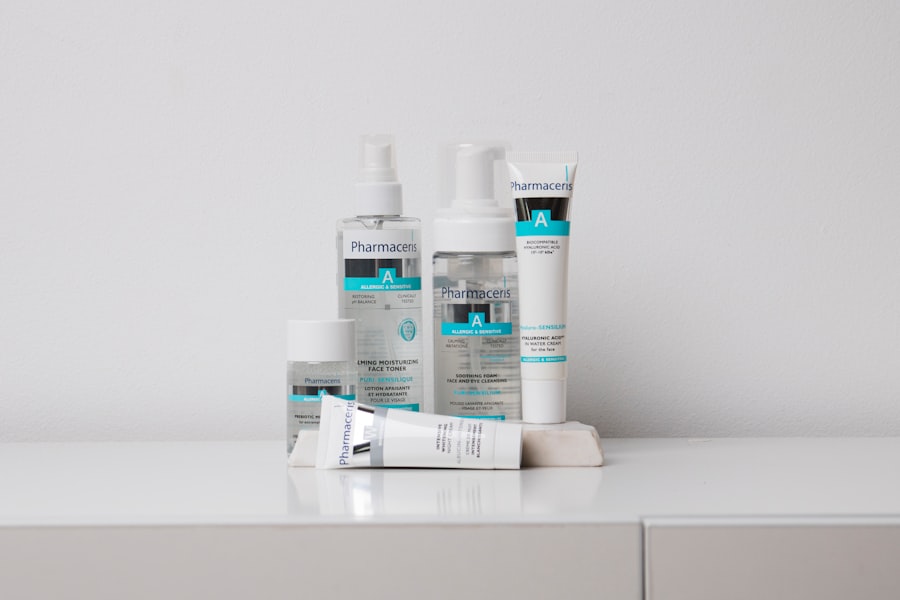
For concerns that don’t require going under the knife, cosmetic dermatology provides a massive array of non-surgical options. These treatments improve skin texture, tone, and volume with minimal downtime.
Injectables: Neuromodulators and Fillers
Injectables are the most common non-surgical procedures. Neuromodulators, like Botox or Dysport, work by temporarily relaxing the facial muscles that cause deep expression lines, particularly around the forehead and eyes.
Dermal fillers, on the other hand, are used to restore lost volume. As we age, we lose fat and bone density in our faces. Fillers made of hyaluronic acid (like Juvéderm or Restylane) or bio-stimulatory materials (like Sculptra) are injected into the cheeks, lips, or jawline to physically lift the tissue and fill in deep folds. Having these handled in a controlled, medical environment ensures you get safe applications based on facial anatomy, significantly reducing the risk of complications like vascular occlusion.
Laser and Light Therapies
Laser technology can address almost any surface-level skin complaint. Ablative lasers, like CO2, physically remove the top layers of skin to treat deep wrinkles and severe scarring. They require a week or more of downtime but offer dramatic results.
Non-ablative lasers and light treatments, such as BroadBand Light (BBL) or Intense Pulsed Light (IPL), target the lower layers of skin without breaking the surface. These are highly effective for pulling up sun damage, erasing broken capillaries, and managing rosacea redness. It is common for a center to pair laser sessions with a solid at-home skincare regimen to maintain the results.
Plastic Surgery Procedures for Long-Term Results
When non-surgical tools cannot provide enough correction, plastic surgery steps in. Surgical procedures manipulate the underlying structure of the body and face, offering the most permanent changes.
Facial Rejuvenation Surgeries
While fillers can add volume, they cannot remove loose, sagging skin. Facial plastic surgery addresses gravitational aging. A rhytidectomy, or facelift, involves lifting the underlying muscle layer (the SMAS) and removing excess skin to redefine the jawline and neck.
Blepharoplasty, or eyelid surgery, is another common procedure that removes heavy, drooping skin from the upper lids and fat bags from the lower lids. Because this work involves delicate structures, being in a facility where your surgeon can coordinate with your dermatologist ensures that your post-operative incision scars can be treated with specialized lasers to fade them as quickly as possible.
Body Contouring and Refinement
Body contouring is designed to target stubborn areas of fat or loose skin that do not respond to diet and exercise. Liposuction physically extracts fat cells from areas like the abdomen, thighs, or chin using a thin tube called a cannula.
However, if a patient has a significant amount of loose skin—often from pregnancy or massive weight loss—removing fat is not enough. Procedures like an abdominoplasty (tummy tuck) repair separated abdominal muscles and remove the excess skin drape. Depending on your goals, a surgeon might combine procedures, such as a breast lift with an augmentation, to reshape and restore volume simultaneously.
For those interested in advanced skin treatments, the Center of Dermatology and Plastic Surgery offers a range of services that can enhance your natural beauty. A particularly popular option is HIFU, or High-Intensity Focused Ultrasound, which has gained attention for its non-invasive lifting effects. To learn more about this innovative treatment, you can check out a related article that delves into the best HIFU treatment available in Singapore at this link. Understanding the benefits and procedures involved can help you make an informed decision about your skincare journey.
How to Choose the Right Center for Your Needs
| Metrics | Value |
|---|---|
| Number of Dermatology Patients | 500 |
| Number of Plastic Surgery Patients | 300 |
| Average Wait Time for Dermatology Appointment | 15 minutes |
| Average Wait Time for Plastic Surgery Appointment | 30 minutes |
| Number of Dermatology Procedures Performed | 1000 |
| Number of Plastic Surgery Procedures Performed | 600 |
Not all centers are created equal. Because aesthetic medicine is highly profitable, many clinics open with practitioners who may not have the specific, rigorous training required for complex procedures. Knowing how to vet a facility is crucial for your safety and results.
Checking Board Certifications and Credentials
The term “cosmetic doctor” is not a legally protected medical specialty. Any licensed physician can legally perform aesthetic procedures. You want to look for specific board certifications.
For dermatology, look for a physician certified by the American Board of Dermatology (ABD). For plastic surgery, ensure the doctor is certified by the American Board of Plastic Surgery (ABPS). These boards require years of dedicated residency training and rigorous exams specifically in these fields. You can easily verify these credentials online through the American Board of Medical Specialties (ABMS) website.
Reviewing Before-and-After Portfolios
A doctor’s past work is the best indicator of their aesthetic style and skill. During your research, look at the clinic’s before-and-after photos. Do not just look at their best cases; look for patients who have a similar body type, age, and skin tone to you.
Pay attention to consistency. Are the after photos taken in the same lighting and at the same angle as the before photos? Consistent, unedited clinical photography shows transparency. If the results look overly tight, unnatural, or completely different from what you want, that center might not be the right fit for your personal aesthetic goals.
What to Expect During Your Initial Consultation
The consultation is an information-gathering session for both you and the provider. It is your opportunity to clearly outline what bothers you, and it is the provider’s job to tell you practically what can and cannot be done about it.
The Assessment Phase
A good consultation starts with a physical exam and a conversation about your medical history. Be prepared to discuss any medications you take, previous surgeries, and your current skincare routine.
The doctor or specialist will evaluate your skin quality, facial symmetry, or body proportions. They should listen to your primary concern rather than immediately pointing out other “flaws” you didn’t ask about. A reputable practitioner will also be honest about the limitations of a procedure. If you ask for a non-surgical treatment that won’t deliver the results you want, they should clearly explain why surgery is the better option—or why you might not be a candidate for either.
Building a Custom Treatment Timeline
Once you agree on an approach, the clinic staff will help you build a realistic timeline. Aesthetic and dermatological treatments often take time to show results.
If you are planning for a specific event, like a wedding, they will work backward to schedule procedures. Surgery might need to be done six months in advance to allow for swelling to subside. Lasers might need three to four sessions spaced a month apart. Botox and fillers usually need to be done about four weeks prior to the event. They will also break down the costs, the expected downtime, and the post-care requirements, giving you all the practical data you need to make an informed decision without feeling rushed.