Revitalizing your look at a medical and aesthetic clinic comes down to using scientifically backed treatments to improve skin texture, restore lost facial volume, and address structural changes without invasive surgery. If you are wondering what actually happens when you step into a clinic setting to refresh your appearance, the answer is a strategic combination of cellular stimulation, precise injectables, and medical-grade technology.
Unlike a standard spa that focuses on relaxation, a medical aesthetic clinic focuses on measurable, physical changes to the skin and body. We target the biological mechanisms of aging, such as collagen depletion, fat pad shifting, and sun damage, using tools that require medical oversight. Here is a practical breakdown of how these treatments work and what you can actually expect.
There is a distinct difference between traditional beauty treatments and medical aesthetics. When you want to see a noticeable change in your skin or facial structure, topical creams and standard facials usually fall short because they only treat the outermost, dead layer of the skin.
The Role of Medical Oversight
A medical aesthetic clinic operates under the license of a medical director, usually a physician, dermatologist, or plastic surgeon. This matters because it gives the facility legal access to prescription-strength medications, higher-percentage chemical peels, and lasers that penetrate deeply enough to alter tissue.
When you sit down with a provider, they aren’t just looking at your skin surface. They are analyzing your underlying bone structure, muscle movement, and the depth of your skin tissue to recommend a targeted plan.
Why Grade of Technology Matters
The devices used in these clinics are cleared by regulatory bodies like the FDA. This means they have undergone clinical trials to prove they do what they claim to do. From the exact wavelength of a laser to the RPM of a microneedling device, the technology is designed to create a controlled injury to the skin, which forces your body to heal itself by producing new, structurally sound tissue.
For those interested in understanding the intricate relationship between skin health and aesthetic treatments, the article on the science of the skin barrier is a must-read. It delves into why maintaining a robust skin barrier is crucial for effective recovery after aesthetic procedures. To explore this topic further, you can read the full article here: The Science of Skin Barrier: Why It Matters in Aesthetic Treatments Recovery.
Skin Rejuvenation: Fixing the Canvas
If your skin’s texture is rough, pigmented, or marked by acne scars, no amount of facial filler will make you look entirely refreshed. Healing the surface of the skin—often referred to as the “canvas”—is usually the first step in a revitalization plan.
How Laser Resurfacing Works
Lasers use focused light to target specific issues in the skin. We generally divide these into ablative and non-ablative lasers. Ablative lasers actually vaporize the top layer of skin. This requires a few days to a week of downtime, but it forces widespread regeneration, making it highly effective for deep wrinkles and severe scarring.
Non-ablative lasers bypass the surface and heat the underlying tissue. Your skin remains intact, meaning you can often go back to work the next day. The heat stimulates collagen production over a period of weeks. We also use specific light therapies, like IPL (Intense Pulsed Light), which specifically target melanin (brown spots) and hemoglobin (redness and broken capillaries) to create an even skin tone.
Chemical Peels for Deeper Exfoliation
Chemical peels might sound old-school, but they remain one of the most reliable ways to reset the skin. By applying a controlled acid solution—like trichloroacetic acid (TCA) or salicylic acid—we dissolve the intercellular glue holding dead skin cells together.
Light peels give you a quick glow with minimal shedding. Medium-depth peels reach the upper part of the dermis, highly effective for melasma, sun damage, and fine lines. You will experience a few days of visible peeling, but the fresh skin underneath will be significantly smoother and more uniform in color.
Microneedling and Collagen Induction
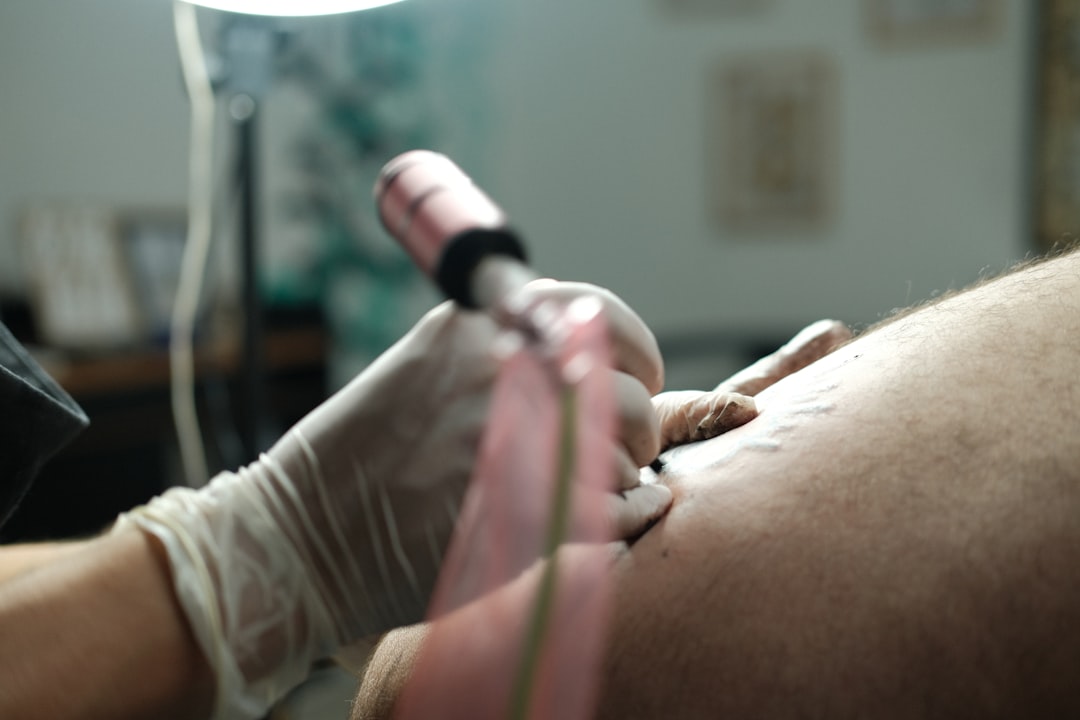
Microneedling involves using a medical device equipped with tiny, sterile needles that rapidly puncture the skin. These micro-injuries are invisible to the naked eye but trigger a powerful wound-healing response.
Your body rushes blood, oxygen, and nutrients to the area, laying down new collagen and elastin as it heals. We often pair microneedling with Platelet-Rich Plasma (PRP)—spun down from a small draw of your own blood—so those micro-channels can absorb your body’s own concentrated growth factors, speeding up healing and enhancing the final result.
The Reality of Injectables

Injectables are arguably the most well-known aesthetic treatments, but they are frequently misunderstood. The goal of modern injectables is not to look frozen or overly plump, but to mimic the bone structure and fat pads you had a decade ago.
The Mechanics of Neuromodulators
Neuromodulators, commonly known by brand names like Botox or Dysport, do not plump the skin. They are purified proteins that temporarily block the chemical signals between nerves and muscles.
If you cannot heavily contract the muscle between your eyebrows or on your forehead, the skin above it stops folding. Over time, those existing creases iron themselves out. Getting these injections takes about ten minutes, feels like a quick pinch, and takes about a week to fully kick in. The effects slowly wear off over three to four months as your body metabolizes the product.
Dermal Fillers as Structural Support
As we age, our facial bones actually shrink, and the fat pads under our skin start to slide downward due to gravity. Dermal fillers, primarily made from synthetic hyaluronic acid (a substance naturally found in your joints and skin), are used to replace this lost scaffolding.
Providers will often place thick, structural fillers deep onto the cheekbone or jawline to lift the face and tighten the skin from beneath. Softer, more flexible fillers are used closer to the surface for areas like the lips or tear troughs under the eyes. Modern filler techniques are highly strategic, focusing on the perimeter of the face to create lift rather than simply filling in a wrinkle.
The Evolution of Biostimulators
Aside from hyaluronic acid, clinics are now utilizing biostimulatory injectables. Products like Sculptra or Radiesse are injected deep into the face, but they don’t provide instant, permanent volume. Instead, they act as seeds that provoke your body to produce large amounts of its own type 1 collagen over several months. This results in a gradual, totally natural thickening of the skin and underlying tissue that lasts structural for up to two years.
Body Contouring and Non-Surgical Adjustments
Our aesthetic goals often extend below the neck. While diet and exercise are foundational, bodies naturally develop stubborn pockets of fat or loose skin that resist lifestyle changes. Medical clinics utilize non-surgical devices to target these specific areas.
Understanding Fat Reduction Technology
Cryolipolysis, heavily associated with the brand CoolSculpting, relies on the fact that fat cells freeze at higher temperatures than water. Applicators are attached to areas like the lower abdomen, flanks, or chin, plunging the tissue into localized freezing temperatures.
The fat cells crystallize and undergo a natural cell death called apoptosis. Over the next two to three months, your lymphatic system naturally flushes the dead cells out of your body. It is not a weight loss procedure, but a contouring one, typically reducing the fat layer in the treated area by about 20%.
Muscle Toning Devices
Newer aesthetic technologies target muscles rather than just fat. Devices utilizing High-Intensity Focused Electromagnetic (HIFEM) technology induce supramaximal muscle contractions.
In a 30-minute session, the machine causes the targeted muscle (like the abs or glutes) to contract tens of thousands of times. This builds muscle fiber density and volume while also initiating a mild fat-burning response in the immediate area due to the extreme energy demand on the body.
Skin Tightening Protocols
Loose skin on the body, whether from aging, pregnancy, or weight loss, is notoriously difficult to treat. Clinics use Radiofrequency (RF) energy and ultrasound devices to heat the deep layers of the skin.
When the skin tissue is safely heated to about 40-42 degrees Celsius, existing collagen fibers immediately contract—giving a slight, instant tightening effect—while simultaneously signaling the body to produce new collagen over the next several months. Often, RF is combined with microneedling to deliver the heat directly under the skin’s surface for more dramatic results.
In the realm of skincare and aesthetic treatments, understanding the impact of our daily habits on skin aging is crucial. A fascinating article explores how facial expression habits can significantly influence the appearance of our skin over time. By examining the connection between our emotional expressions and skin health, it sheds light on preventative measures we can take to maintain a youthful look. For more insights on this topic, you can read the article here: Beyond the Mirror: How Facial Expression Habits Impact Aging Skin.
Building a Realistic Maintenance Plan
“`html
| Service | Number of Patients | Revenue |
|---|---|---|
| Botox Injections | 150 | 25000 |
| Laser Hair Removal | 100 | 18000 |
| Chemical Peels | 80 | 12000 |
“`
Revitalizing your look is not a one-and-done event. Because aging is a relentless biological process, aesthetic treatments require a maintenance strategy. Thinking of aesthetic treatments like going to the gym makes it easier to understand: you cannot do one intense workout and expect to stay fit forever.
Setting Healthy Expectations
When you visit a medical and aesthetic clinic, patience is necessary. While dermal fillers offer immediate gratification, laser results take weeks, and biostimulators or body contouring can take months.
Understanding the timeline of your own biology ensures you aren’t disappointed. It is also completely normal to require multiple sessions. Most lasers, peels, and microneedling treatments are sold in series of three to six because cumulative treatments yield the best outcomes.
Bridging the Gap with At-Home Care
The work you do at home is just as important as the treatments you receive in the clinic. A clinical provider will likely audit your skincare routine.
Using medical-grade skincare ensures your skin has the raw materials it needs to heal and produce collagen after a treatment. Daily application of a broad-spectrum sunscreen is non-negotiable, as UV rays are responsible for the vast majority of skin aging and will quickly undo the results of expensive laser treatments. Incorporating a retinoid will keep cell turnover high in between clinic visits.
Budgeting for the Long Term
Aesthetics are an investment. To avoid sticker shock, it is best to discuss long-term budgeting during your consultation. You might front-load your budget during the first year to address major concerns—getting foundational fillers, a series of lasers, and establishing a baseline.
After that initial phase, you shift to a maintenance phase. This usually includes neuromodulator touch-ups three times a year, a skin-resurfacing treatment once a year, and perhaps one syringe of filler annually to maintain the volume. Providers are used to working within budgets and can prioritize which treatments will give you the most noticeable impact for your money.
Preparing for Your First Consultation
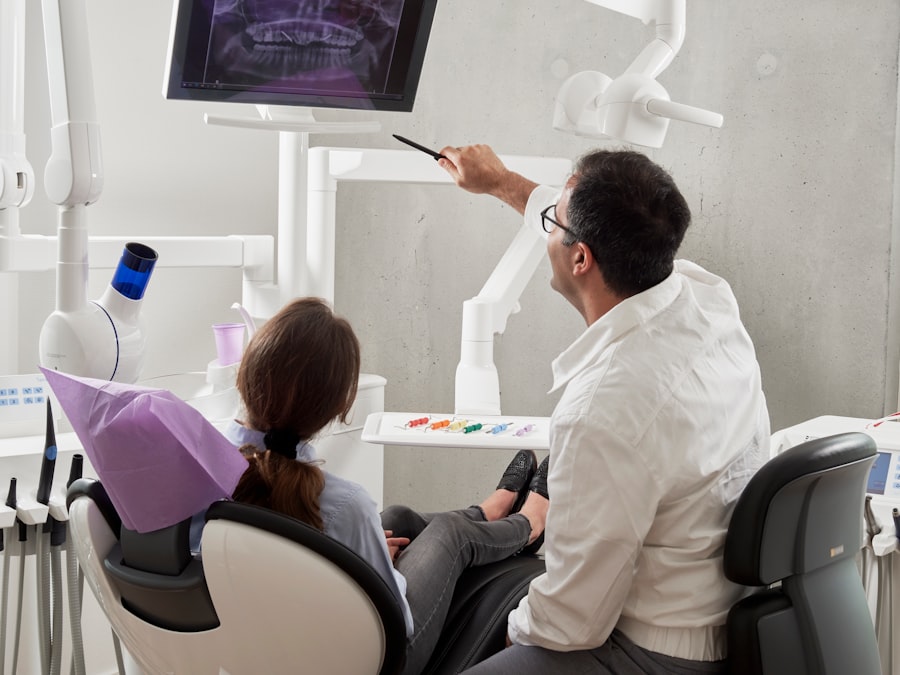
The first step in any aesthetic journey is the consultation. This is your opportunity to interview the provider just as much as it is their opportunity to assess your anatomy.
Knowing the Right Questions to Ask
When sitting down with an injector or laser technician, ask about their specific experience. How many times have they performed this exact procedure? What happens if there is an adverse reaction? A reputable medical aesthetic clinic will have emergency protocols and dissolving agents (for hyaluronic acid fillers) on hand at all times.
Ask to see before-and-after photos of their actual patients, not just the stock photos provided by the device manufacturers. Look for patients in the photos who have similar facial structures or skin concerns as you.
Establishing Clear Boundaries
Be clear about what bothers you, but remain open to their assessment. Often, patients come in wanting filler in their smile lines, only for the provider to accurately explain that adding volume to the cheekbones will biologically pull the skin up and erase those lines much more naturally.
A good consultation should feel educational, never pressured. You should leave with a clear, written treatment plan that outlines the recommended order of procedures, the expected downtime, and exact costs. Armed with this information, you can make practical, informed decisions about how to best revitalize your look.