Hyaluronic acid is a naturally occurring high-molecular-weight glycosaminoglycan found extensively throughout the human body. It is a fundamental component of the extracellular matrix, which is the structural framework that surrounds and supports cells. Within the skin, hyaluronic acid plays a critical regulatory role in maintaining tissue homeostasis, cellular function, and overall skin integrity.
The Science Behind Hyaluronic Acid
From a biochemical perspective, hyaluronic acid is composed of repeating disaccharide units of D-glucuronic acid and N-acetyl-D-glucosamine. Its unique molecular structure affords it an extraordinary capacity to bind and retain water molecules. In fact, hyaluronic acid can bind up to one thousand times its own weight in water. This fundamental property provides the skin with its natural hydration, turgor, and physical resilience.
In the dermis—the deep layer of the skin—hyaluronic acid creates a viscoelastic environment that cushions underlying structures, supports the network of collagen and elastin fibres, and facilitates the transport of essential nutrients. This highly hydrated matrix is essential for optimal cellular activity, including the function of fibroblasts, which are the cells responsible for synthesising new collagen.
How Ageing Affects Natural Hyaluronic Acid Levels
The amount of hyaluronic acid naturally present in the skin is not static; it undergoes a continuous process of synthesis and degradation. However, as the human body ages, this delicate balance shifts. The natural production of hyaluronic acid gradually decreases, while the rate of degradation may remain constant or increase.
This decline is influenced by two primary categories of ageing: intrinsic and extrinsic. Intrinsic ageing is the chronologic, genetically determined process that naturally slows down cellular metabolism and structural protein synthesis over time. Extrinsic ageing refers to external environmental factors that accelerate tissue degradation. Long-term exposure to ultraviolet (UV) radiation from the sun, environmental pollutants, poor dietary habits, and smoking generate free radicals that induce oxidative stress within the skin. This oxidative stress accelerates the fragmentation of the extracellular matrix, depleting native hyaluronic acid reserves.
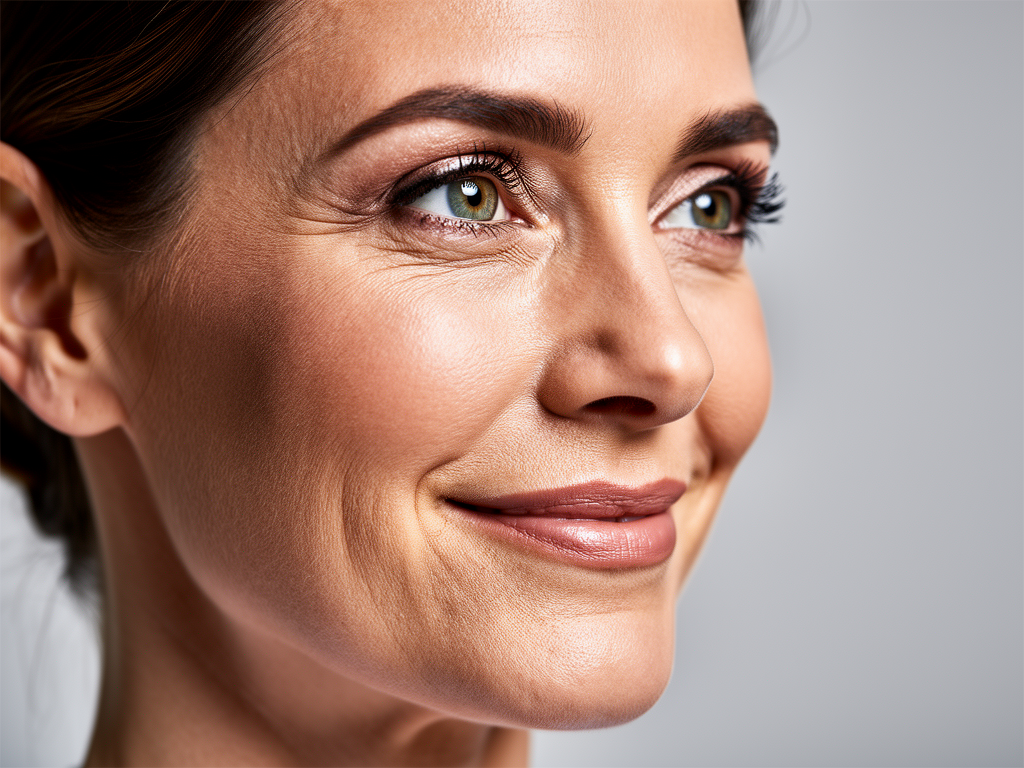
As the natural stores of hyaluronic acid diminish, the skin progressively loses its ability to retain moisture. Over time, this biological shift may manifest as increased skin laxity, the formation of fine lines, an uneven skin texture, and an overall appearance of dryness or dermal thinning.
If you’re interested in enhancing your skin’s hydration and overall appearance, you might want to explore the benefits of hyaluronic acid skin boosters. For a deeper understanding of how these treatments work and their potential effects on your skin, check out this informative article on hyaluronic acid skin boosters. You can read more about it here: Hyaluronic Acid Skin Booster.
What Are Hyaluronic Acid Skin Boosters?
In the field of aesthetic medicine, various injectable treatments have been developed to address the structural and biochemical changes associated with dermal ageing. Hyaluronic acid skin boosters encompass a category of micro-injectable treatments designed specifically to deposit hyaluronic acid directly into the superficial to mid-dermis.
Concept and Mechanism of Action
The core concept of a hyaluronic acid skin booster is to physically replenish the skin’s depleted moisture reservoirs from within. Unlike topical skincare products, which often struggle to penetrate the protective stratum corneum (the outermost layer of the epidermis) due to the large molecular size of hyaluronic acid, skin boosters are delivered via micro-injections. This method bypasses the epidermal barrier, allowing the active substance to be placed directly into the dermal layer where it is most needed.
The mechanism of action relies on the hydrophilic nature of the injected hyaluronic acid. Once administered into the dermal tissue, it draws in and holds surrounding water molecules, effectively acting as an internal reservoir. Furthermore, the physical presence of the micro-injections and the hyaluronic acid may help stimulate specific mechanoreceptors within the skin. It is hypothesised that this gentle stretching of the dermal fibroblasts may encourage a supportive environment for natural collagen and elastin synthesis over subsequent months.
Distinction from Hyaluronic Acid Dermal Fillers
It is crucial to differentiate hyaluronic acid skin boosters from traditional hyaluronic acid dermal fillers, even though both utilise the same primary molecule. The primary distinction lies in the formulation and the intended clinical outcome.
Dermal fillers are generally formulated with heavily cross-linked hyaluronic acid. Cross-linking is a chemical process that binds the molecules together to create a dense, stable gel. This specific structure allows dermal fillers to resist immediate degradation, making them suitable for replacing lost facial volume, providing structural support to bone or fat compartments, and contouring specific facial features (such as the cheeks, chin, or jawline).
Conversely, skin boosters typically utilise non-crosslinked or lightly crosslinked hyaluronic acid. Because the molecules are not tightly bound into a dense gel, they do not provide a volumising or lifting effect. Instead, the fluid nature of the skin booster allows it to disperse evenly through the skin tissue upon injection. Therefore, the goal of a skin booster is not to alter the shape or contours of the face, but rather to focus purely on the overall quality, hydration, and biochemical environment of the treated skin.
Potential Benefits of Hyaluronic Acid Skin Boosters
While aesthetic treatments cannot halt the inherent ageing process, hyaluronic acid skin boosters attempt to mitigate some of the visible effects of dermal dehydration and structural protein loss. It is important to note that results vary between individuals based on their baseline skin condition, age, lifestyle, and physiological response to the treatment.
Skin Hydration and Moisture Retention
The primary aim of hyaluronic acid skin boosters is to improve tissue hydration. By depositing water-binding molecules directly into the dermis, the treatment may help restore moisture balance to skin that feels chronically dry or compromised by environmental stressors. Improved dermal hydration often contributes to a smoother, more supple skin surface. Patients who struggle with rough or flaky skin textures that do not respond adequately to topical moisturisers often consider this treatment as a systemic approach to skin hydration.
Addressing Skin Texture and Elasticity
Beyond simply introducing moisture, the treatment seeks to influence the condition of the extracellular matrix. Research into dermal injectables suggests that optimising the hydration of the tissue environment may help support the natural biological functions of the skin. With a more robust dermal environment, patients may observe changes in skin texture. Over a series of treatments, the subtle restructuring of the dermal layer may help improve overall skin elasticity and firmness, whilst potentially softening the appearance of superficial fine lines and crepey skin.
Areas Commonly Treated
The structural degradation of the skin is not isolated to the face; it affects all areas exposed to intrinsic aging and external environmental stress. As such, hyaluronic acid skin boosters can be administered to multiple anatomical regions.
The facial region is the most common area of application, addressing general dullness, fine lines around the eyes or mouth, and overall hydration. However, the skin on the neck and the décolletage (the upper chest) are also frequently treated. The skin in these areas is naturally thinner, contains fewer sebaceous (oil) glands, and is often subjected to significant cumulative sun exposure, making it particularly prone to premature ageing and crepiness. Additionally, the dorsum (back) of the hands frequently exhibits early signs of volume loss and dehydration, and skin boosters may help improve the superficial skin quality in this region.
The Treatment Process: What to Expect
Undergoing any medical aesthetic procedure involves a structured process designed to prioritise patient safety and ensure clinical appropriateness. The administration of hyaluronic acid skin boosters is a minimally invasive medical procedure that must be conducted by a licensed medical practitioner in a clinical setting.
Initial Medical Consultation and Assessment
The process must always commence with a comprehensive medical consultation. During this consultation, the medical practitioner will assess the patient’s complete medical history, including any pre-existing medical conditions, past aesthetic treatments, and known allergies. A thorough review of current medications and supplements is necessary, particularly to identify any blood-thinning agents (such as aspirin, non-steroidal anti-inflammatory drugs, or high doses of certain vitamins) that could increase the risk of bruising during the procedure.
The practitioner will then conduct a clinical examination of the patient’s skin. They will evaluate skin thickness, elasticity, baseline hydration levels, and the presence of any active dermatological conditions. Based on this thorough assessment, the practitioner determines whether a hyaluronic acid skin booster is a clinically appropriate option. Importantly, the consultation serves to educate the patient and align their expectations with realistic clinical outcomes, keeping in mind that results are not immediate and vary from person to person.
The Treatment Procedure
If the individual is deemed a suitable candidate, the physical procedure can be scheduled. The clinical team begins by comprehensively cleansing and disinfecting the targeted treatment area to maintain strict aseptic conditions. To enhance patient comfort during the injections, a topical numbing cream (local anaesthetic) is typically applied to the skin and allowed to take effect for roughly thirty to forty-five minutes.
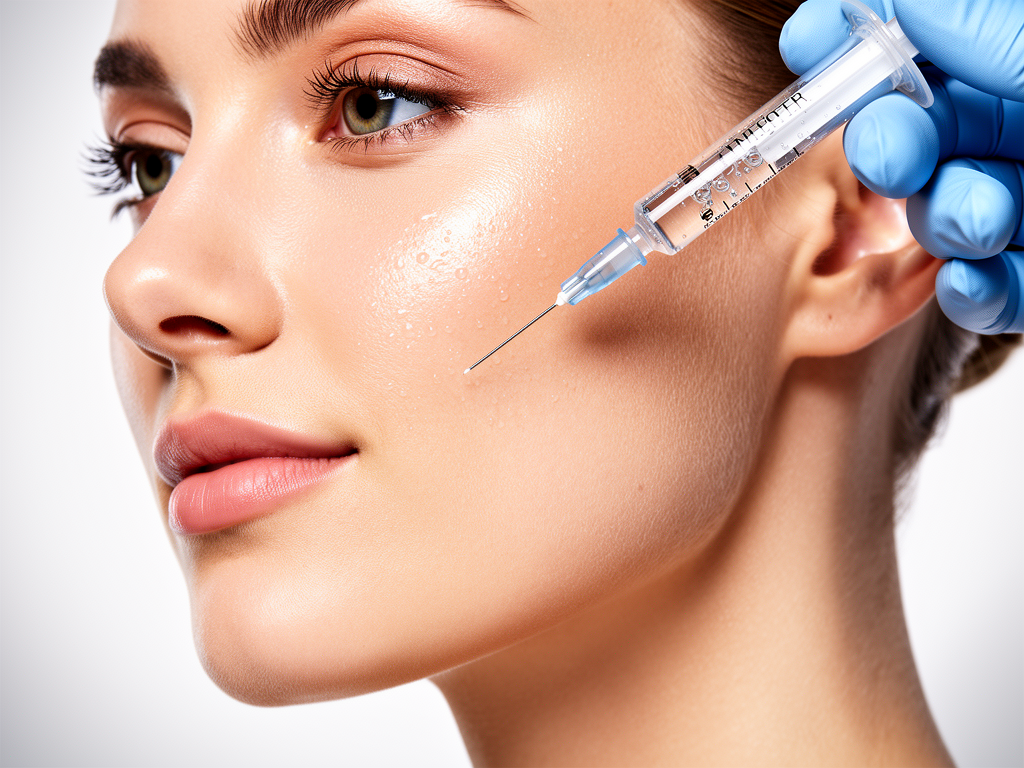
The practitioner will then administer the hyaluronic acid via a series of precise micro-injections into the designated dermal depth. Depending on the specific protocol chosen by the practitioner, the treatment may be performed using an ultra-fine needle or a blunt-tipped micro-cannula. When needles are used, the practitioner may create multiple small injection points across the treatment area to ensure an even distribution of the product. Following the injections, the practitioner may gently massage the treated area to facilitate the smooth integration of the fluid within the tissue.
Post-Treatment Care and Recovery
Because hyaluronic acid skin booster treatments involve multiple superficial injections, a careful post-treatment recovery protocol must be observed. Immediately after the procedure, patients may notice small, raised bumps (micro-papules) at the injection sites. This is a common physiological response as the injected fluid settles into the dermal layer; these typically subside within twenty-four to forty-eight hours as the product assimilates into the extracellular matrix.
The clinical provider will supply detailed aftercare instructions to minimise potential complications. Patients are generally advised to avoid excessively touching or rubbing the treated area for the remainder of the day to prevent the introduction of bacteria. Strenuous physical exercise, which raises body temperature and blood pressure, should be avoided for roughly twenty-four to forty-eight hours to mitigate the risk of prolonged swelling or bruising. Furthermore, patients are advised to refrain from exposing the treated skin to extreme heat, such as saunas, steam rooms, or direct and intense sun exposure, until any initial redness or swelling has fully resolved.
Hyaluronic acid skin boosters have gained popularity for their ability to hydrate and rejuvenate the skin, making it look plumper and more youthful. For those interested in exploring the science behind various skin treatments, you might find this article on V-shape jaw botulinum skin boosters particularly insightful, as it delves into the benefits and mechanisms of different skin enhancement techniques. Understanding these treatments can help you make informed decisions about your skincare routine.
Suitability, Potential Risks, and Considerations
| Benefits | Effectiveness | Usage |
|---|---|---|
| Hydrates the skin | Highly effective in retaining moisture | Apply a few drops to clean skin before moisturizer |
| Plumps and firms the skin | Improves skin elasticity | Can be used daily or as needed |
| Reduces the appearance of fine lines and wrinkles | Visible improvement in skin texture | Suitable for all skin types |
Aesthetic medical interventions require a balanced understanding of not only the potential benefits but also the necessary prerequisites and the inherent risks involved. Hyaluronic acid skin boosters are generally well-tolerated, but they are not universally suitable for every individual or every skin condition.
Assessing Patient Suitability
The ideal candidate for a hyaluronic acid skin booster is generally an adult seeking to address signs of mild to moderate skin laxity, fine superficial lines, or chronic skin dehydration. Conversely, there are absolute and relative contraindications to this procedure.
Individuals who are pregnant or currently breastfeeding are advised against undergoing elective injectable treatments due to a lack of established safety data for these specific groups. Patients presenting with active skin infections, such as severe acne flares, cold sores (Herpes Simplex Virus), or local bacterial infections in the intended treatment area, must wait until the condition has fully resolved to avoid spreading the infection. Furthermore, individuals with specific autoimmune diseases, poorly controlled diabetes, or known hypersensitivity to hyaluronic acid or lidocaine (which is often formulated into the injection for comfort) may be unsuitable candidates and must discuss their medical history transparently with their doctor.
Understanding Potential Side Effects
As with any procedure involving the penetration of the skin barrier, hyaluronic acid skin boosters carry inherent risks of side effects. The most commonly reported events are localised and transient in nature. These typically include mild to moderate erythema (redness), swelling, tenderness, and bruising at the injection sites. These expected reactions are a normal part of the body’s inflammatory response to the mechanical action of the needle and the introduction of a new substance into the tissue. They generally resolve independently over the course of a few days to a week.
While exceedingly rare when performed correctly using non-crosslinked hyaluronic acid, there are broader risks associated with dermal injections. These can include localised tissue infections, allergic reactions, or the formulation of persistent nodules and granulomas (immune-mediated lumps) under the skin. Vascular occlusion—a rare but severe complication wherein the injectable product inadvertently enters a blood vessel and impedes blood flow—is a recognised risk in aesthetic injectables, though the superficial placement and low viscosity of skin boosters greatly reduce this specific risk. Nevertheless, these possibilities underscore the necessity of seeking treatment exclusively from qualified, extensively trained, and legally certified medical professionals who possess a deep understanding of facial anatomy and complication management.
Managing Expectations
Patient education forms the cornerstone of ethical aesthetic practice in Singapore. It is fundamental to understand that hyaluronic acid skin boosters are not surgical procedures and do not produce surgical-level lifting or tightening. They are a modality aimed at improving tissue quality rather than altering facial architecture.
Results vary between individuals, and it is crucial to temper expectations regarding the timeline of these results. Because the mechanism relies on the gradual improvement of dermal hydration and potential biological stimulation, outcomes are not immediately apparent upon leaving the clinic. Patients may require a waiting period of several weeks for the hyaluronic acid to effectively integrate with the cellular matrix and for the skin’s hydration levels to visibly adjust.
Additionally, conservative protocols often involve an initial build-up phase followed by maintenance. A single session may not yield the desired outcome for a patient with significantly dehydrated skin. Practitioners frequently recommend an initial series of two to three sessions, spaced several weeks apart, to attain the optimal baseline level of hydration and dermal support. Following the initial phase, periodic maintenance treatments—usually scheduled once or twice a year—are often advised to sustain the improved skin environment, as the hyaluronic acid will eventually follow the natural biological pathway of degradation and absorption by the body.
A thorough consultation will ensure that the individual understands the commitment, the limits of the treatment, the financial and temporal investment required, and the inherent variability of human biological responses. Through a responsible, clinically sound approach, hyaluronic acid skin boosters represent a medically established option for addressing the qualitative aspects of ageing skin.
FAQs
What is hyaluronic acid skin booster?
Hyaluronic acid skin booster is a type of dermal filler that is injected into the skin to improve hydration, firmness, and overall skin quality. It is made of hyaluronic acid, a substance that occurs naturally in the body and helps to maintain moisture and elasticity in the skin.
How does hyaluronic acid skin booster work?
When injected into the skin, hyaluronic acid skin booster attracts and retains water, helping to hydrate and plump the skin. This can improve the appearance of fine lines, wrinkles, and dullness, and can also help to restore volume and firmness to the skin.
What are the benefits of hyaluronic acid skin booster?
The benefits of hyaluronic acid skin booster include improved hydration, smoother and firmer skin, reduced appearance of fine lines and wrinkles, and overall improvement in skin quality. It can also help to restore volume and fullness to areas of the face that have lost elasticity and firmness.
Are there any side effects of hyaluronic acid skin booster?
Common side effects of hyaluronic acid skin booster may include redness, swelling, bruising, and tenderness at the injection site. These side effects are usually mild and temporary, and typically resolve within a few days. In rare cases, more serious side effects such as infection or allergic reaction may occur.
Who is a good candidate for hyaluronic acid skin booster?
Good candidates for hyaluronic acid skin booster are individuals who are looking to improve the hydration, firmness, and overall quality of their skin. It is suitable for most skin types and can be used to address a variety of concerns, including fine lines, wrinkles, and loss of volume. However, individuals with certain medical conditions or allergies may not be suitable candidates for this treatment. It is important to consult with a qualified healthcare professional to determine if hyaluronic acid skin booster is right for you.