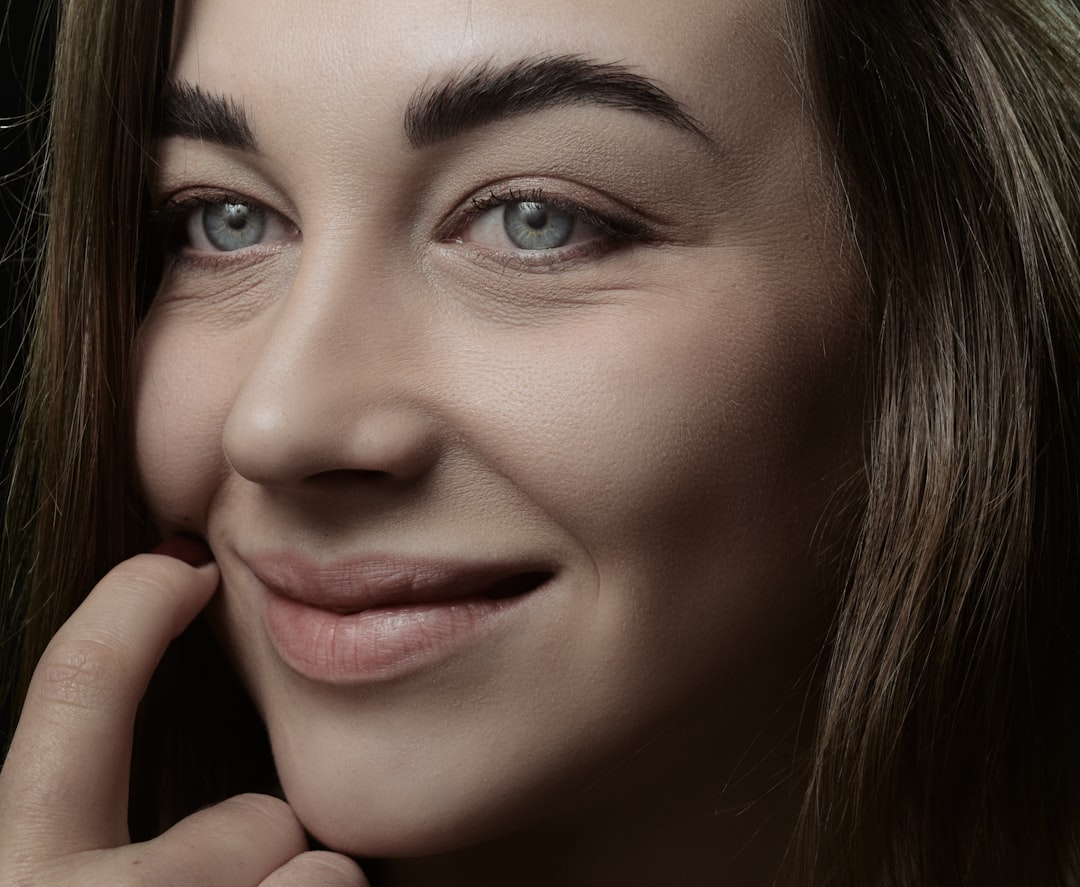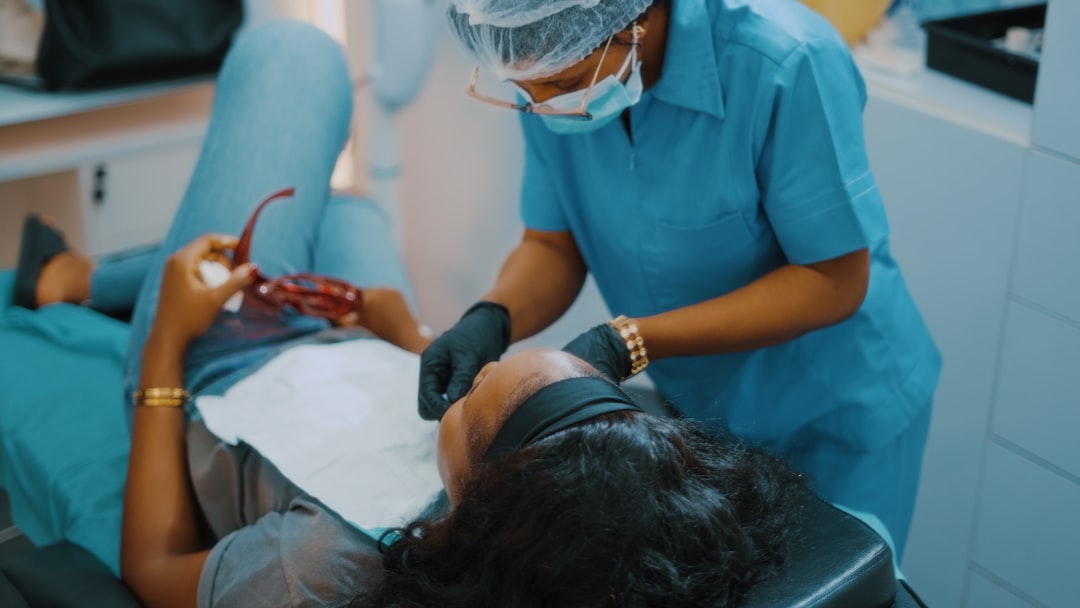
When you visit a cosmetic clinic to enhance your natural features, you are accessing medical-grade procedures designed to refine your appearance and improve your skin’s health. It involves a strategic mix of injectables, energy-based devices, and clinical skincare to address specific concerns like volume loss, hyperpigmentation, or deep-set lines.
Enhancing your beauty in a clinical setting is rarely about changing your face completely. It is about careful, targeted treatments that restore balance and address the natural changes that happen to our skin and underlying tissues over time. If you are considering aesthetic treatments, understanding how these procedures work, what they actually do, and what the recovery looks like is the best way to ensure you get the results you want.
Injectables are often the first thing people think of when they consider visiting a cosmetic clinic. They are highly effective, minimally invasive, and offer predictable results when administered by an experienced practitioner.
Neuromodulators for Wrinkle Relaxation
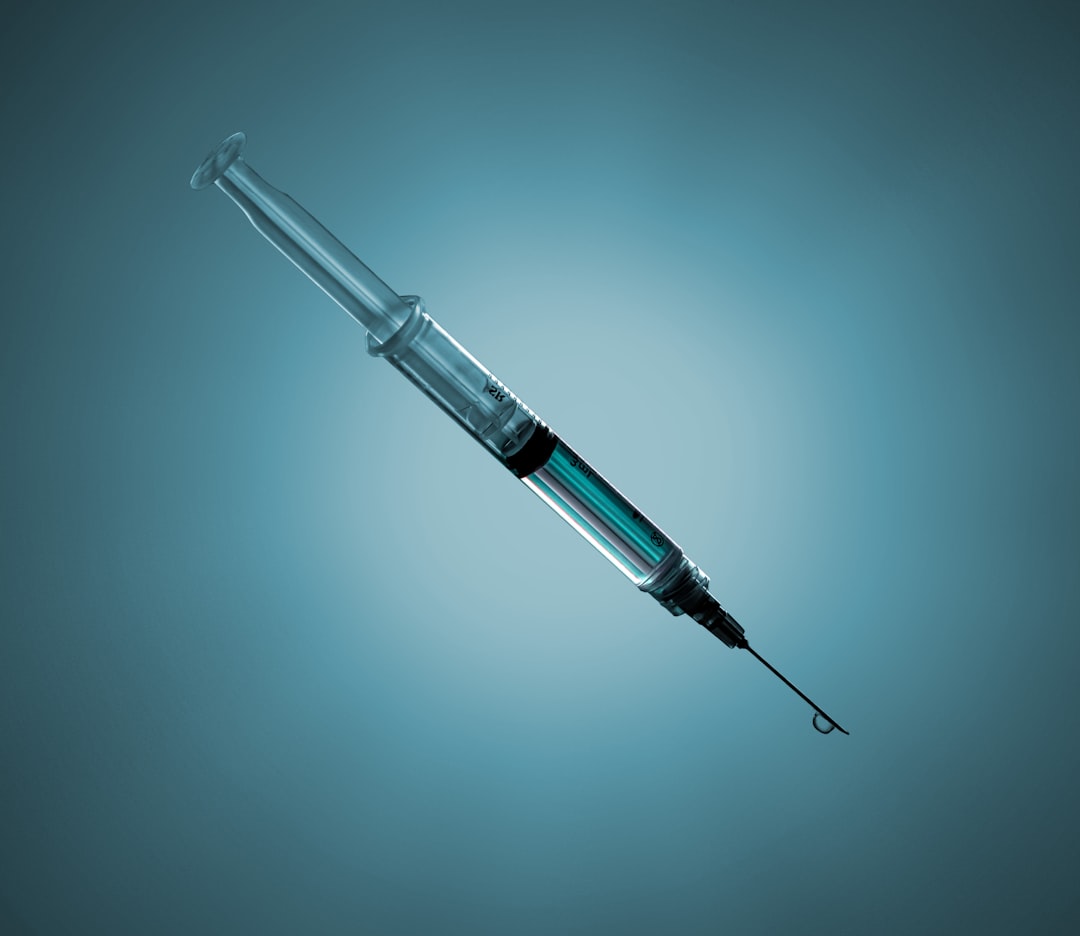
Neuromodulators, commonly known by brand names like Botox, Dysport, or Xeomin, are used to relax specific facial muscles. They work by temporarily blocking the nerve signals that tell your muscles to contract.
This is highly effective for “dynamic wrinkles,” which are the lines that appear when you make facial expressions. The most common areas treated are the glabella (the 11 lines between your eyebrows), the horizontal lines across your forehead, and the crow’s feet around your eyes.
The treatment itself is quick, usually taking less than fifteen minutes. You will not see results immediately; it typically takes about three to five days for the product to start working, and up to two weeks for the full effect to settle in. The results wear off gradually over three to four months as your body metabolizes the product.
Dermal Fillers for Volume and Contour
While neuromodulators relax muscles, dermal fillers add volume. As we age, we naturally lose fat, bone density, and collagen in our faces, which can lead to a hollow or sagging appearance.
Most temporary fillers are made of hyaluronic acid, a sugar molecule that occurs naturally in your skin and holds onto water. Different fillers have different thicknesses. A thick, structured filler might be placed deeply on the cheekbone to provide lift, while a thin, flexible filler is used to smooth out delicate areas like the lips or the fine lines around the mouth.
There are also biostimulatory fillers, like Sculptra or Radiesse. Instead of just taking up space, these products trigger your body’s own immune response to produce new collagen over several months. This provides a gradual, long-lasting improvement in skin thickness and facial structure.
If you’re considering enhancing your appearance through non-invasive procedures, you might find the article on smart body contour choices particularly insightful. It discusses various options available at cosmetic clinics and helps you understand the benefits of each treatment. To learn more about these innovative solutions, check out the article here: Smart Body Contour Choices: What to Choose & Why.
Advanced Skin Rejuvenation Treatments
A great facial structure means very little if the skin on top of it is dull, textured, or heavily sun-damaged. Clinical skin rejuvenation focuses on forcing the skin to turn over cells faster and produce more collagen.
Chemical Peels
Chemical peels use controlled acidic solutions to dissolve the bonds between dead skin cells. This forces the top layers of skin to shed, revealing smoother, more evenly pigmented skin underneath.
Peels come in different depths. Superficial peels, using alpha-hydroxy acids (AHAs) like glycolic or lactic acid, have zero downtime and give a quick glow. Medium-depth peels, usually utilizing trichloroacetic acid (TCA), penetrate further into the epidermis and the upper dermis.
With a medium peel, you can expect your skin to visibly flake and peel for about three to seven days. These are highly effective for treating stubborn hyperpigmentation, melasma, and fine textural issues. Darker skin tones require careful preparation with melanin-inhibiting skincare before a peel to prevent post-inflammatory hyperpigmentation.
Microneedling and Collagen Induction
Microneedling, or collagen induction therapy, uses a device equipped with tiny, sterile needles to create micro-injuries in the skin. This controlled physical trauma tricks the body into its natural wound-healing cascade.
As the skin repairs these microscopic channels, it generates a surge of new collagen and elastin. This makes it an excellent treatment for acne scars, enlarged pores, and general skin laxity. Practitioners adjust the depth of the needles based on the concern being treated; superficial depths help with product absorption and glow, while deeper depths are required to break up scar tissue.
Many clinics combine microneedling with Platelet-Rich Plasma (PRP). This involves drawing a small amount of your blood, spinning it down to isolate the growth factors, and applying it to the skin during the needling process to drastically speed up healing and enhance the final result.
Laser and Light-Based Therapies
Energy-based devices use concentrated light or radiofrequency to target specific structures in the skin. They are some of the most powerful tools in a cosmetic clinic’s arsenal for treating color irregularities and deep wrinkles.
Intense Pulsed Light (IPL)
While often grouped with lasers, IPL is technically a broad-spectrum light treatment. It works by targeting specific colors in the skin—namely the red of broken capillaries and the brown of sun spots and freckles.
When the light hits these targets, it turns into heat and destroys the pigmented cells or coagulates the blood vessel. A few days after an IPL treatment, you will notice your sun spots darkening and rising to the surface of your skin. They often look like coffee grounds before naturally flaking off in the shower. IPL is incredibly effective for clearing up a mottled complexion, but it is generally only safe for lighter skin tones due to the risk of burning melanin-rich skin.
Fractional Laser Resurfacing
Fractional lasers treat skin resurfacing by breaking a laser beam into thousands of microscopic columns. Because it leaves healthy, untreated tissue around each microscopic wound, the skin heals much faster than it would with older, fully ablative lasers.
There are two main types of fractional lasers. Non-ablative lasers heat the underlying tissue without breaking the surface of the skin. They have minimal downtime but require multiple sessions to see significant results. Ablative lasers, like CO2 or Erbium lasers, actually vaporize the top layer of skin while heating the dermis. This requires several days of strict downtime and healing, but the results for deep wrinkles, severe sun damage, and surgical scars are unmatched.
Body Contouring and Non-Surgical Sculpting
Cosmetic clinics do not just focus on the face. Non-surgical body contouring has advanced significantly, offering ways to address stubborn pockets of fat and loose skin that do not respond to diet and exercise. It is important to note that these are not weight-loss treatments; they are meant for targeted refinement.
Fat Reduction Techniques
Cryolipolysis, commonly known as fat freezing, is one of the most popular non-invasive fat reduction methods. The technology takes advantage of the fact that fat cells are more vulnerable to cold than surrounding tissue. An applicator vacuums the target area and drops the temperature enough to trigger fat cell death without damaging the skin or nerves. Over the next eight to twelve weeks, your lymphatic system naturally clears away the dead cells.
Another method is injection lipolysis, which uses a synthetic form of deoxycholic acid. When injected into specific areas—most commonly the submental fat under the chin—it permanently destroys the fat cell membrane. This treatment causes significant swelling for a week or two, but provides a permanent reduction in the fat pad.
Skin Tightening Procedures
If your concern is loose skin rather than excess fat, skin tightening devices are the appropriate route. These treatments usually utilize radiofrequency (RF) or focused ultrasound technology.
Devices like Ultherapy or RF microneedling send bulk heat deep into the dermis and the superficial muscular aponeurotic system (SMAS) layer. By heating tissue to roughly 65 degrees Celsius, the existing collagen fibers immediately contract, and the body is stimulated to produce new, tightly wound collagen over the following months. Results from these treatments are a waiting game, often taking three to six months to become fully visible.
If you’re considering enhancing your skin’s appearance, you might find it interesting to explore the science behind various treatments. One such option is the Pico laser, which has gained popularity for its effectiveness. For a deeper understanding of how this technology can benefit your skin, check out this informative article on the benefits of Pico laser treatments. It provides insights into the procedure and its advantages, helping you make an informed decision for your cosmetic needs.
How to Prepare for Your First Clinic Visit
| Metrics | Value |
|---|---|
| Number of Patients | 500 |
| Services Offered | Facial Treatments, Botox, Fillers, Laser Hair Removal |
| Customer Satisfaction Rate | 95% |
| Number of Staff | 10 |
A successful cosmetic treatment actually begins before you sit in the practitioner’s chair. Proper preparation reduces the risk of complications, minimizes downtime, and ensures you and your provider are on the same page.
The Initial Consultation
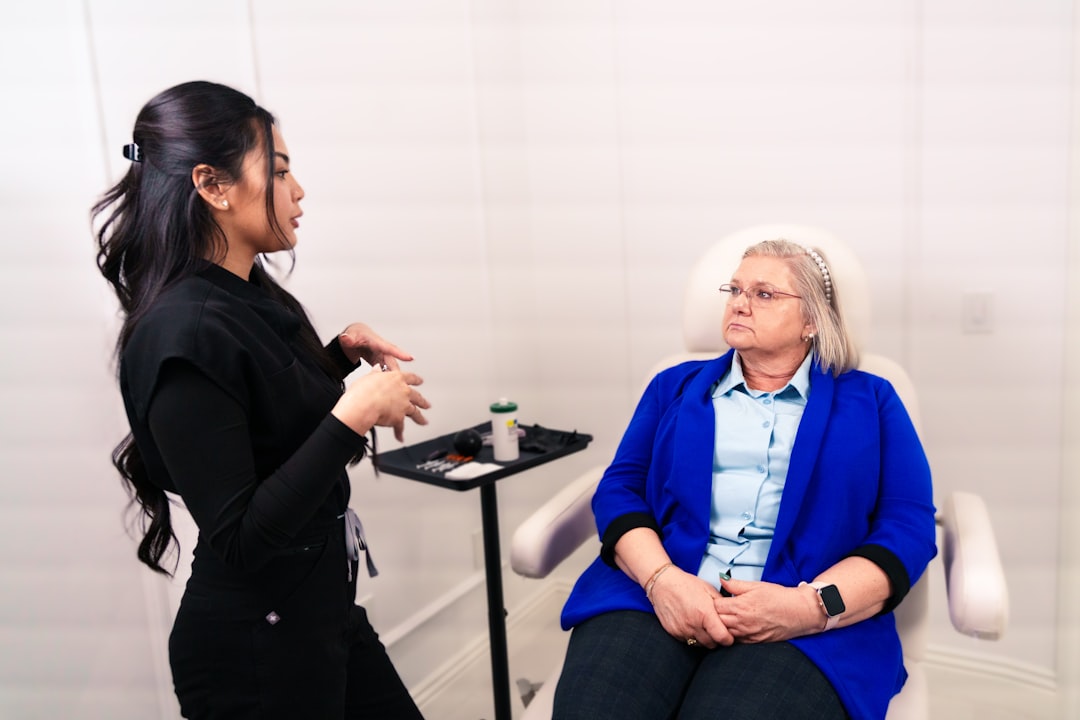
The consultation is the most critical part of your visit. A reputable practitioner will want to know your full medical history, any medications you are taking, and your previous experiences with aesthetic treatments.
You should be prepared to discuss your budget and your lifestyle. If you cannot afford a week of peeling, your provider needs to know that so they can pivot from a heavy chemical peel to a series of gentle laser treatments. It is also very common, and a sign of good practice, for a provider to say “no” to a request if they feel it will not suit your anatomy or if it poses a medical risk.
Pre-Treatment Guidelines
For almost all injectable treatments, the main goal prior to your appointment is to minimize the risk of bruising. You will be advised to avoid blood-thinning agents for about five to seven days before your visit. This includes over-the-counter painkillers like ibuprofen and aspirin, as well as supplements like fish oil, vitamin E, ginseng, and Ginkgo Biloba.
You should also avoid consuming alcohol for at least 24 hours before your treatment, as it temporarily dilates your blood vessels and increases the likelihood of a bruise. If you are prone to cold sores and are getting a lip treatment, your provider will likely recommend a course of antiviral medication a few days prior to prevent the trauma of the needle from triggering an outbreak.
Aftercare and Maintaining Your Results
What you do after you leave the clinic is just as important as the procedure itself. Medical aesthetic treatments are investments of your time and money, and proper aftercare protects that investment.
Immediate Post-Treatment Care
After injectables, you need to keep your head elevated and avoid bending over or doing intense physical exercise for the rest of the day. This keeps your blood pressure steady and prevents products like neuromodulators from migrating to unintended muscles. You can apply ice gently to swollen areas, but avoid firm pressure.
For skin treatments like peels or lasers, your skin barrier has been temporarily compromised. You will need to switch to a very gentle cleanser and a basic, fragrance-free moisturizer. Active ingredients like retinol, vitamin C, and exfoliating acids must be paused until the skin has completely healed, which usually takes about a week.
Long-Term Skincare Integration
Clinic treatments do the heavy lifting, but your daily skincare routine maintains the results. Think of your clinic visits as going to the dentist for a deep clean, and your skincare routine as brushing your teeth twice a day.
Sun protection is absolutely mandatory. UV exposure degrades collagen and stimulates pigment production, quickly undoing the results of expensive laser and injectable treatments. Applying a broad-spectrum SPF of 30 or higher every single day is the bare minimum for maintaining your clinic results.
Additionally, incorporating a medical-grade retinoid into your nightly routine will keep your cellular turnover high and extend the life of your collagen-stimulating treatments. By combining sensible, daily skincare habits with strategic clinical interventions, you can safely and effectively enhance your natural features over the long term.