If you are wondering how clinical cosmetics differ from the skincare you buy at the local drugstore, the answer comes down to formulation, active ingredient concentrations, and delivery systems. Clinical cosmetics, often referred to as medical-grade skincare or cosmeceuticals, bridge the gap between standard cosmetics and pharmaceuticals. They are engineered to penetrate below the top layer of your skin to create actual structural changes, rather than just temporarily masking issues on the surface.
Switching to clinical cosmetics means shifting your focus from attractive packaging and marketing claims to proven science and medical research. If you have been dealing with stubborn skin issues that haven’t responded to standard products, understanding how clinical skincare works is a practical next step.
Clinical cosmetics are skincare products typically dispensed or recommended by dermatologists, plastic surgeons, and licensed aestheticians. They are formulated to address specific medical and aesthetic skin conditions with high efficacy.
The Difference Between Over-the-Counter and Medical-Grade
Over-the-counter (OTC) products are formulated for the masses. Because they are sold without professional supervision, they legally and practically must contain lower concentrations of active ingredients to prevent widespread adverse reactions. They are designed to be safe for almost anyone to pick off a shelf and use without guidance.
Clinical cosmetics, on the other hand, are designed with the assumption that a professional is guiding your usage. They contain higher percentages of active ingredients and are formulated in ways that ensure stability. Because they have stronger formulations, they undergo rigorous clinical testing to prove their efficacy on human skin before they are sold.
Why Ingredient Penetration Matters
A high percentage of an active ingredient is useless if it just sits on top of your skin. The outer layer of your skin, the stratum corneum, is incredibly good at keeping things out.
Clinic cosmetics utilize advanced delivery systems, like liposomes or micro-encapsulation. These technologies wrap the active ingredients in protective lipid layers that mimic the skin’s natural structure. This allows the ingredients to bypass the skin’s defensive barrier and travel down to the deeper layers where new cells, collagen, and elastin are produced.
If you’re interested in exploring more about cosmetic treatments, you might find this article on hair loss treatment particularly insightful. It provides expert tips and strategies that can complement your understanding of clinic cosmetic options. For more information, check out the article here: Expert Tips and Strategies for Hair Loss Treatment.
Top Active Ingredients to Look For
When you transition to clinical skincare, you will start seeing a few specific ingredients repeatedly. Understanding what they do is crucial for selecting the right products for your skin.
Retinoids for Cell Turnover
Retinoids are derivatives of Vitamin A and are the gold standard in clinical skincare. In OTC products, you will usually find retinol or retinyl palmitate, which take a long time to convert into retinoic acid—the form your skin can actually use.
Clinical cosmetics often use encapsulated retinol, retinaldehyde, or prescription-strength tretinoin. These forms work much faster to speed up cellular turnover. They force your skin to shed dead cells and generate fresh ones rapidly, which helps clear out pores, fade dark spots, and stimulate collagen production.
Vitamin C and Potent Antioxidants
Vitamin C is notoriously unstable. If exposed to light and air, it oxidizes and becomes ineffective. Clinical brands invest heavily in stabilizing their Vitamin C formulas, usually utilizing L-ascorbic acid.
To be effective, L-ascorbic acid must be formulated at a very specific, low pH level (usually under 3.5). Clinical products get this formulation right, ensuring the antioxidant penetrates the skin to neutralize free radicals from UV exposure and pollution, while also interrupting the production of unwanted pigment.
Chemical Exfoliants (AHA/BHA)
Instead of physical scrubs that can cause micro-tears in the skin, clinical cosmetics rely on chemical exfoliants. Alpha Hydroxy Acids (AHAs), like glycolic and lactic acid, dissolve the glue holding dead skin cells together on the surface.
Beta Hydroxy Acids (BHAs), primarily salicylic acid, are oil-soluble. This means they can penetrate deep into the sebum-filled pores to dissolve clogs. Clinical formulations often combine these acids at optimal pH levels to provide intensive exfoliation without severely damaging the skin barrier.
Growth Factors and Peptides
As we age, our skin’s ability to repair itself slows down. Clinical skincare often includes growth factors and peptides, which act as messengers.
When applied to the skin, these ingredients send signals to your cells, instructing them to behave like younger cells. This primarily means telling the fibroblasts in your skin to produce more collagen and elastin, which helps to firm the skin and improve overall texture.
Targeting Specific Skin Concerns
The main advantage of clinic cosmetics is their ability to target precise, stubborn skin issues effectively. Because the ingredients are potent, you can build a highly customized routine.
Managing Stubborn Acne and Breakouts
Adult acne and hormonal breakouts rarely respond to the weak salicylic acid washes found in grocery stores. A clinical approach to acne focuses on controlling sebum production, reducing inflammation, and killing acne-causing bacteria without stripping the skin of its natural moisture.
A clinical routine for acne might include a potent, non-drying benzoyl peroxide treatment to address bacteria, combined with a medical-grade BHA liquid exfoliant to keep pores clear. Crucially, clinical routines also incorporate barrier-repairing ceramides to ensure the skin doesn’t become overly dry, which can actually trigger more oil production.
Fading Hyperpigmentation and Sun Damage
Hyperpigmentation—whether it is melasma, sun spots, or post-inflammatory marks from old blemishes—is notoriously difficult to treat. Over-the-counter brightening creams often fall short because they cannot penetrate deeply enough to reach the melanocytes (the cells that produce pigment).
Clinical solutions tackle this by using a combination of tyrosinase inhibitors. Ingredients like hydroquinone, tranexamic acid, kojic acid, and arbutin work together to block the enzyme responsible for melanin production. Used consistently and paired with a high-quality clinical sunscreen, these formulations can significantly break down existing pigment and prevent new spots from forming.
Addressing Fine Lines and Volume Loss
While no topical cream can replicate the results of a surgical facelift, clinical cosmetics can visibly improve skin density and surface wrinkles.
To address aging, clinical routines lean heavily on medical-grade retinoids for resurfacing and growth factors for deep tissue repair. Additionally, clinical hyaluronic acid serums often use multi-molecular weights. Smaller molecules penetrate deeply to hydrate and plump the lower layers, while larger molecules sit on the surface to smooth fine lines instantly.
How to Safely Build a Clinical Skincare Routine
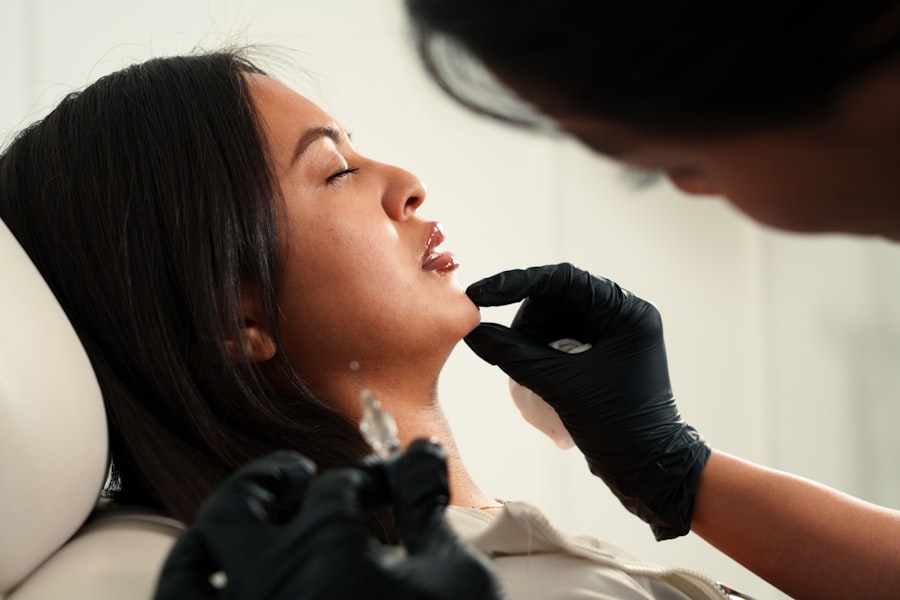
Because medical-grade products are potent, diving in too quickly can cause irritation, redness, and peeling. Building a routine requires a strategic, measured approach.
Start Slow to Protect Your Barrier
The most common mistake people make with clinic cosmetics is using too many active ingredients at once. When you introduce a powerful retinoid or a strong chemical exfoliant, your skin needs time to adapt.
A practical method is “skin cycling.” You might use an exfoliating acid on night one, a retinoid on night two, and then take nights three and four off to focus entirely on hydration and barrier repair. This prevents your skin’s moisture barrier from becoming compromised, which is essential for healthy skin.
The Importance of Professional Guidance
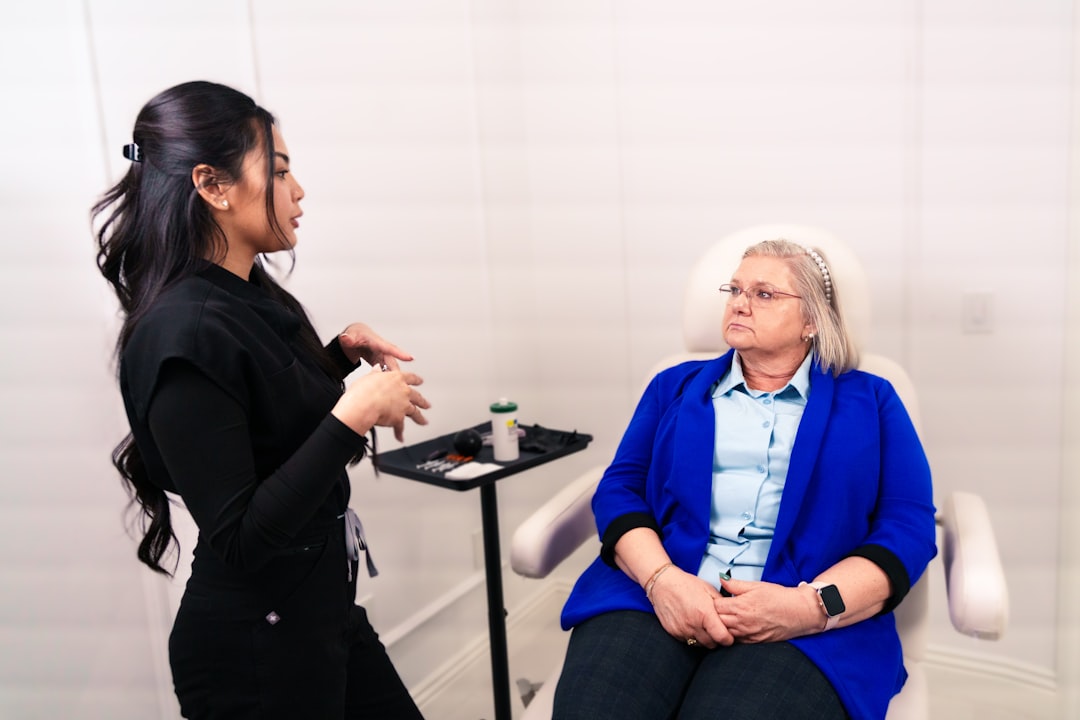
While you can purchase many clinic cosmetics online, consulting with a dermatologist or aesthetician is highly recommended.
A professional can accurately diagnose your skin type and concerns, helping you avoid products that might exacerbate your issues. For example, if you have rosacea, a professional will steer you away from strong glycolic acids and direct you toward gentler alternatives like azelaic acid, ensuring you don’t waste money on products that will trigger a flare-up.
Layering Rules You Shouldn’t Break
The order in which you apply clinical products dictates how well they work. A general rule is to apply products from the thinnest consistency to the thickest.
Start with watery toners or essences, move to lightweight serums, and finish with heavier creams and lotions. Furthermore, be mindful of mixing actives. For instance, applying a low-pH Vitamin C serum at the exact same time as a high-pH niacinamide or retinol can render them less effective or cause irritation. It is usually best to keep Vitamin C in your morning routine and reserve retinoids for the evening.
If you’re considering enhancing your appearance through cosmetic procedures, you might find it helpful to explore various options available at clinics specializing in aesthetic treatments. One popular choice is the smooth and fuss-free hair removal treatment, which can significantly improve your skincare routine. For more information on this effective procedure, you can read a related article here: smooth and fuss-free hair removal treatment. This resource provides insights into the benefits and techniques involved, helping you make an informed decision about your cosmetic journey.
Combining Clinic Cosmetics with In-Office Treatments
| Metrics | Value |
|---|---|
| Number of cosmetic procedures performed | 500 |
| Customer satisfaction rate | 95% |
| Number of repeat customers | 300 |
| Number of new customers | 200 |
If you are investing in professional clinic treatments like chemical peels, laser resurfacing, or microneedling, your at-home skincare routine becomes even more critical.
Pre-Treatment Skin Prep
Clinicians often require patients to prep their skin with specific medical-grade products for several weeks before a procedure.
Using a tyrosinase inhibitor (like a hydroquinone or tranexamic acid serum) before a laser treatment calms down your pigment-producing cells. This significantly lowers the risk of post-inflammatory hyperpigmentation, a common complication where the heat from the laser causes new dark spots to form. Pre-treating with a retinoid also ensures your skin cell turnover is optimized, leading to a more even and predictable result from peels or microneedling.
Post-Procedure Recovery and Maintenance
After a clinical treatment, your skin barrier is temporarily compromised. Standard drugstore moisturizers often contain fragrances, dyes, or preservatives that will sting and severely irritate vulnerable, healing skin.
Clinic cosmetics offer specialized post-procedure recovery creams. These are usually sterile, highly occlusive ointments packed with ceramides, peptides, and soothing agents like colloidal oatmeal or centella asiatica. Once the skin has healed, continuing with a strong clinical routine ensures that the expensive results of your in-office treatment last for months or years, rather than fading quickly.
Making Clinical Skincare Work for Your Budget
Medical-grade skincare is more expensive than drugstore alternatives. However, you do not need to replace every single item in your bathroom cabinet with a high-end clinical product to see results.
Where to Splurge
The products that actually stay on your skin and contain active ingredients are where you should spend your money.
Invest in a high-quality clinical Vitamin C serum, because stability and formulation are difficult and expensive to achieve. Similarly, invest your budget in a well-formulated retinoid, an effective chemical exfoliant, or a specialized treatment serum targeting your main concern (like hyperpigmentation or adult acne). These are the products that will do the heavy lifting and change your skin’s structure.
Where to Save
You can safely save money on products that are washed down the drain or serve a very basic function.
Unless you need a specific medicated cleanser for severe acne, a gentle, affordable drugstore cleanser is usually perfectly fine. The same applies to basic moisturizers. If you are getting all your active ingredients from your high-quality serums, your moisturizer’s only job is to seal everything in and prevent water loss. A simple, fragrance-free pharmacy moisturizer can accomplish this without breaking the bank.
By understanding how clinic cosmetics function, respecting their potency, and strategically applying them to your specific skin needs, you can achieve noticeable, lasting changes in your skin’s health and appearance. Focus on active ingredients, respect your skin barrier, and seek professional advice when needed to get the most out of your skincare routine.