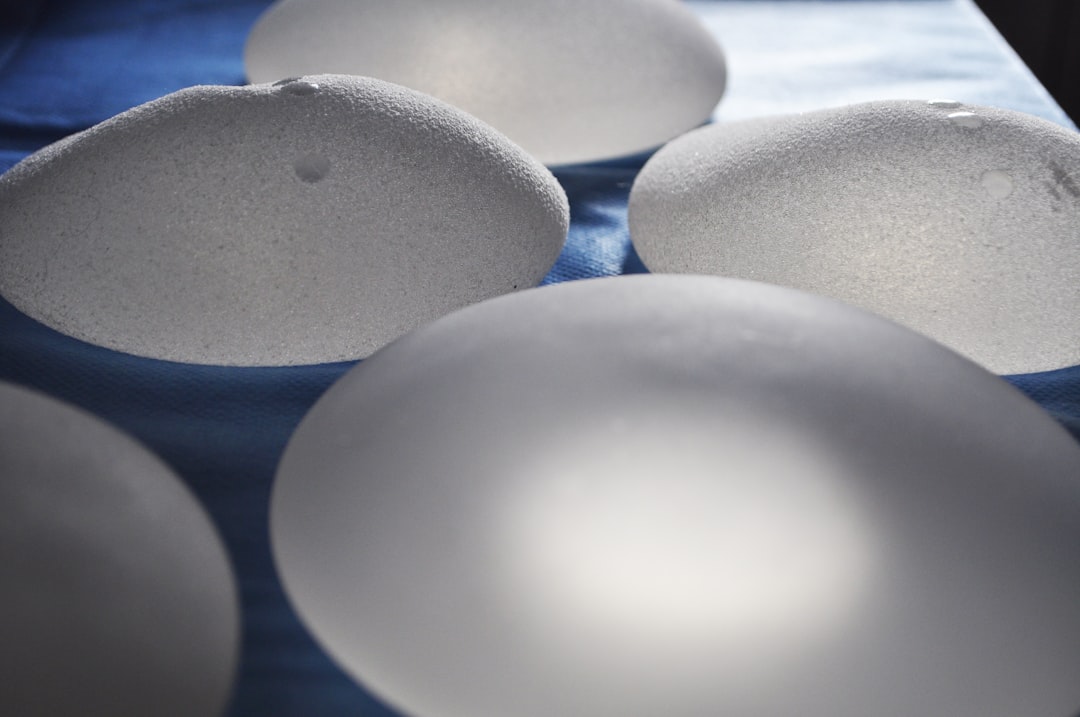
Dermal fillers are injectable, gel-like substances used to restore lost volume, smooth out deep creases, and provide structural support to the face. When you visit our clinic for a dermal filler treatment, the goal is straightforward: to refine and balance your natural features using precise, medical-grade products. We do not aim to change what you look like. Instead, we use fillers to subtly enhance your existing bone structure, replace volume lost to natural aging, and create better facial symmetry.
If you are considering dermal fillers, it helps to understand exactly what they are, how the procedure works, and what the recovery looks like. Knowing the mechanics behind the treatment allows you to make informed decisions about your face and helps set realistic expectations for your results.
To understand how fillers enhance your look, it is helpful to look at how the face changes over time. As we age, our bodies produce less collagen and elastin. We also experience shifts in facial fat pads and a gradual loss of bone density. This combination leads to sagging skin, hollow areas, and deeper wrinkles. Dermal fillers are designed to address these changes from beneath the skin.
The Science of Hyaluronic Acid
The most common type of dermal filler used in our clinic is made from hyaluronic acid (HA). Hyaluronic acid is a naturally occurring substance in your skin that helps retain moisture and softness. In injectable form, HA acts like a sponge, drawing in water to plump the area and smooth out the overlying skin.
Different HA fillers have different consistencies, often referred to as their “G-prime.” A high G-prime filler is thick and structurally firm, making it ideal for mimicking bone in the jawline or cheekbones. A low G-prime filler is softer and more flexible, which makes it better suited for areas that move frequently, like the lips or the nasolabial folds. One of the main benefits of HA fillers is that they are entirely reversible. If you are unhappy with the result or experience a rare complication, we can inject an enzyme called hyaluronidase to dissolve the filler safely.
Bio-Stimulatory Fillers
While HA fillers provide immediate volume, bio-stimulatory fillers work a bit differently. Products containing calcium hydroxylapatite or poly-L-lactic acid are designed to trigger your body’s natural collagen production.
When we inject bio-stimulatory fillers, they provide a mild, immediate lift, but their true benefit appears over several weeks and months. As the product breaks down, it leaves behind a framework of new collagen strands, thickening the skin and improving its overall texture. These fillers are often used for broader volume loss in the midface or to tighten skin along the lower face and neck. They are not reversible, which is why we use them selectively based on your specific anatomy.
At our dermal filler clinic, we understand that personalized treatment plans are essential for achieving optimal aesthetic outcomes. A related article that delves into this topic is titled “Personalizing Treatment Plans: How Genetics, Ethnicity, and Skin Type Influence Aesthetic Outcomes.” This insightful piece explores how individual differences can affect the results of cosmetic procedures, including dermal fillers. To read more about this important aspect of aesthetic treatments, visit the article here: Personalizing Treatment Plans.
What to Expect During Your Initial Consultation
No two faces are the same, which means no two filler treatments should be identical. Before any needles are prepared, you will sit down with one of our practitioners for a thorough consultation. This step is mandatory because it ensures the treatment plan aligns with your anatomy and your personal goals.
Assessing Your Facial Anatomy
During the consultation, we take a close look at your facial structure. We evaluate your skin laxity, the thickness of your tissue, and your underlying bone structure. We also look at your face in motion—how your muscles pull when you smile, speak, or frown.
We will likely take a series of standardized clinical photographs from different angles. This helps us identify subtle asymmetries and provides a baseline to track your progress. Our practitioners are trained to view the face holistically. Sometimes, a fold around the mouth is actually caused by volume loss in the cheeks. By mapping out your facial anatomy, we can target the root cause of the issue rather than just filling a crease.
Discussing Your Goals and Expectations
Clear communication is vital. We will ask you exactly what bothers you when you look in the mirror and what kind of result you are hoping for. It is important to be realistic about what dermal fillers can and cannot achieve.
Fillers are excellent for volume and contouring, but they cannot fix severe skin sagging or correct certain muscular issues. If we believe a surgical intervention or a neurotoxin like Botox would serve you better, we will tell you. We will also review your medical history, including any autoimmune conditions, allergies, and your history with previous cosmetic treatments, to ensure you are a safe candidate for injections.
Popular Treatment Areas for Facial Enhancement
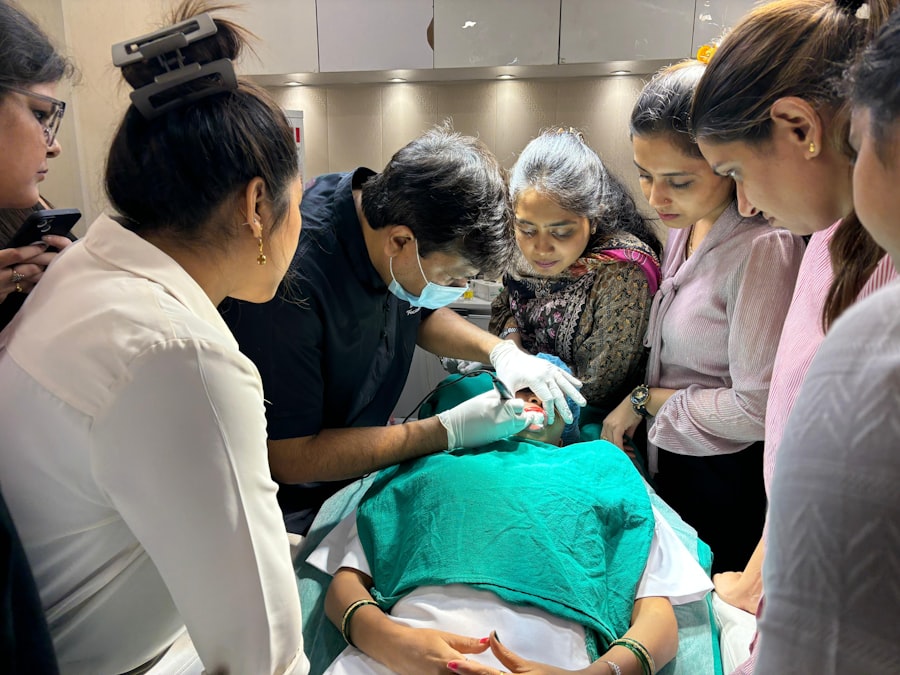
Fillers can be used almost anywhere on the face, but strategic placement yields the most natural-looking enhancements. Rather than chasing every line, our clinic focuses on key structural areas that provide the highest impact for facial harmony.
Restoring Volume in the Cheeks
The midface is often the anchor of facial aesthetics. When fat pads in the cheeks shrink or slide downward, it creates a tired appearance and contributes to heavy folds around the mouth.
By placing a dense filler deeply along the cheekbone, we can restore this lost support. This not only rounds out hollow cheeks but often provides a subtle, upward lift to the lower half of the face. Cheek filler is highly customizable; we can concentrate on the lateral cheeks for a chiseled, contoured look, or focus on the medial (front) cheeks to soften a hollowed midface.
Refining the Jawline and Chin
A defined jawline creates a clear separation between the face and the neck, which is universally recognized as a structurally strong feature. We use firm, structural fillers to build out the angle of the mandible and straighten the jawline.
The chin is equally important, especially for profile balancing. If a chin is recessed, it can make the nose look larger and the jawline appear softer. Adding a small amount of filler to the chin can project it forward, bringing the entire lower face into better proportion.
Smoothing Nasolabial Folds and Marionette Lines
Nasolabial folds run from the nose to the corners of the mouth, while marionette lines extend from the mouth down toward the chin. As mentioned earlier, we often treat these lines by lifting the cheeks first.
However, if the creases remain prominent, we can place a flexible HA filler directly into the folds. The goal here is not to erase the lines completely—some folding is natural when you smile—but to soften them so they do not cast deep shadows on your face when it is at rest.
Subtle Lip Enhancements
Lip filler is one of our most requested treatments, but our approach prioritizes hydration, shape, and balance over sheer volume. We look at the ratio between your upper and lower lip, the definition of your Cupid’s bow, and the structure of your lip borders.
Using a soft, dynamic filler, we can smooth out vertical lip lines, restore lost moisture, and provide a gentle plump. If you want a more noticeable volume increase, we typically recommend building the lips gradually over multiple sessions to avoid product migration or an unnatural “duck” appearance.
Rejuvenating the Under-Eye Area (Tear Troughs)
Hollowness under the eyes can make you look chronically fatigued, regardless of how much sleep you get. Tear trough filler is placed deeply above the orbital bone to smooth the transition between the lower eyelid and the cheek.
This is an advanced injection area because the skin here is incredibly thin. We are highly selective about who qualifies for tear trough filler. If you have large under-eye bags caused by fat prolapse, or if you have a tendency to retain fluid, filler can actually worsen the problem. In those cases, we will discuss alternative skincare or surgical options.
The Injection Process: Step-by-Step
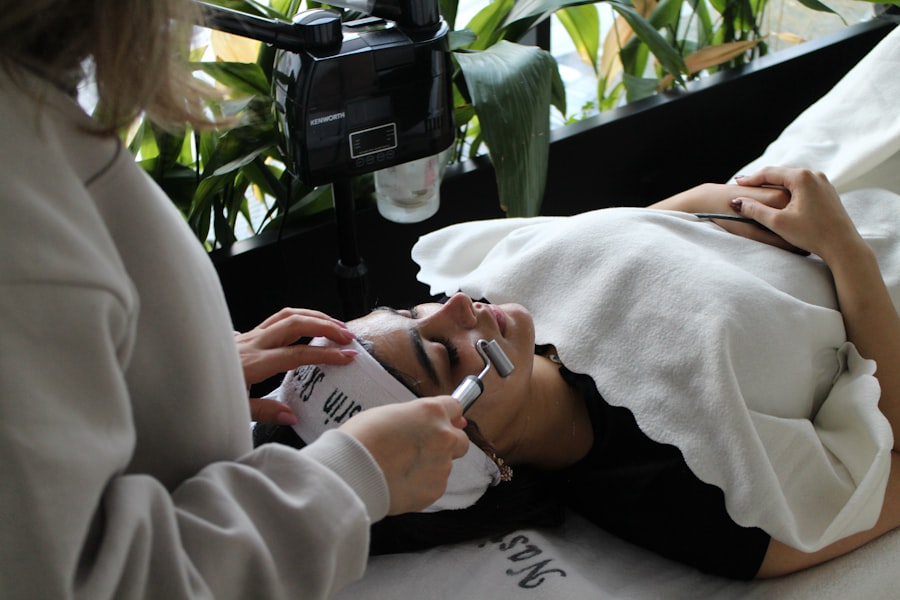
Understanding what happens during the actual appointment can alleviate a lot of anxiety. We maintain strict hygiene protocols and use specialized techniques to make the process as comfortable and efficient as possible.
Preparing the Skin and Numbing
Before any treatment begins, your skin is thoroughly cleansed and sanitized using a medical-grade antiseptic. We then apply a strong topical numbing cream to the treatment areas and allow it to sit for about 15 to 20 minutes.
Additionally, almost all of the dermal fillers we use come pre-mixed with lidocaine, a local anesthetic. This means that after the initial pinch of the needle, the area continues to numb itself from the inside as the product is injected.
Precision Injection Techniques
Depending on the area being treated, your practitioner will use either a fine needle or a micro-cannula. Needles are used when we need absolute precision, such as defining the border of the lip or building sharp structure on the cheekbone.
A micro-cannula, on the other hand, is a long, flexible tube with a blunt tip. We create a single, tiny entry point with a needle, and then thread the cannula under the skin to deposit the filler. Because the tip is blunt, it pushes blood vessels out of the way rather than piercing them. This significantly reduces the risk of bruising and swelling, and makes treating broad areas like the jawline or tear troughs much safer.
If you’re considering enhancing your appearance with dermal fillers, it’s essential to understand how various skin conditions, such as hyperpigmentation, can affect your overall look. For valuable insights on managing hyperpigmentation and exploring effective treatments, you can read more in this informative article on managing hyperpigmentation. This knowledge can help you make informed decisions about your skincare and aesthetic treatments.
Safety Protocols and Minimizing Risks
| Metrics | Value |
|---|---|
| Number of Patients Served | 500 |
| Types of Dermal Fillers Offered | Juvederm, Restylane, Radiesse |
| Success Rate | 95% |
| Number of Procedures Performed | 1000 |
Injecting fillers is a medical procedure, and like all medical procedures, it comes with potential risks. Our clinic treats safety as the absolute highest priority, well above aesthetic outcomes.
Preventing Vascular Occlusions
The most serious risk associated with dermal fillers is a vascular occlusion. This occurs when filler is accidentally injected into a blood vessel, blocking blood flow to the surrounding tissue.
To prevent this, our practitioners have an intimate knowledge of facial anatomy and the depth of major arteries. We frequently use the cannula technique mentioned above to minimize risk. Furthermore, we always keep an emergency supply of hyaluronidase and other necessary medical protocols on hand. If a vascular issue were to occur, we are fully equipped to identify it immediately and dissolve the filler to restore blood flow safely.
Managing Common Side Effects
While severe complications are incredibly rare, minor side effects are standard. You should expect some degree of swelling, redness, and tenderness at the injection sites. Bruising is also a common possibility, especially in highly vascular areas like the lips. We minimize these effects through careful technique, but they are a normal part of your body’s healing response.
Aftercare and Maintaining Your Results
The way you care for your face after your appointment directly impacts your final results and how quickly you recover. We will provide you with a detailed aftercare sheet, but there are a few standard rules to keep in mind.
The First 24 to 48 Hours
Immediately following your treatment, we advise you to avoid touching or massaging the injected areas, as this can inadvertently move the filler before it settles. You should also avoid intense cardiovascular exercise, hot saunas, and alcohol for at least 24 hours, as these can increase your blood pressure and exacerbate swelling and bruising.
We recommend sleeping on your back with your head elevated on an extra pillow for the first night or two. It is also important to avoid any routine dental work for at least two weeks after receiving filler, particularly around the mouth or jawline, to prevent unnecessary pressure and reduce the risk of infection.
Long-Term Care and Touch-Ups
It takes about two to four weeks for dermal fillers to fully integrate with your facial tissue and settle into their final position. Once the swelling has completely resolved, you will see the true result.
The longevity of your enhancement depends on the type of filler used, the area treated, and your own metabolism. Areas with a lot of movement, like the lips, tend to process filler faster, usually lasting 6 to 9 months. Firmer fillers placed deeply on the bone, such as in the cheeks or chin, can last anywhere from 12 to 24 months.
To maintain your look, we recommend scheduling a follow-up assessment about once a year. Often, a small touch-up is all that is required to maintain your structural support and keep your features looking refreshed and balanced. Combining your filler treatments with high-quality daily skincare and daily sun protection will also ensure your skin stays healthy and supports the enhancements we have created.