Enhancing your beauty at a cosmetic clinic simply means using medical-grade treatments and technology to address specific physical concerns that at-home skincare cannot fix. Whether you want to restore lost volume, smooth out uneven skin texture, or contour specific areas of your body, a clinical setting provides targeted solutions based on human anatomy and cellular response. Instead of relying on topical creams that only sit on the surface, clinical procedures penetrate deeper into the skin layers to stimulate collagen, relax muscles, or alter tissue structure.
Navigating the world of aesthetic treatments can feel overwhelming if you don’t know what to expect. Below is a practical breakdown of the procedures we offer, how they actually work, and what you need to know to make informed decisions about your skin and body.
The aesthetic industry has shifted away from extreme alterations and heavily invasive surgeries. Today, the focus in our clinic is on subtle modifications, skin health, and preventative care.
Non-Surgical vs. Surgical Options
Non-surgical treatments make up the bulk of modern cosmetic procedures. These include injectables, lasers, and energy-based devices. They require little to no downtime, carry fewer risks than going under general anesthesia, and generally cost less upfront. However, their results are temporary and require maintenance.
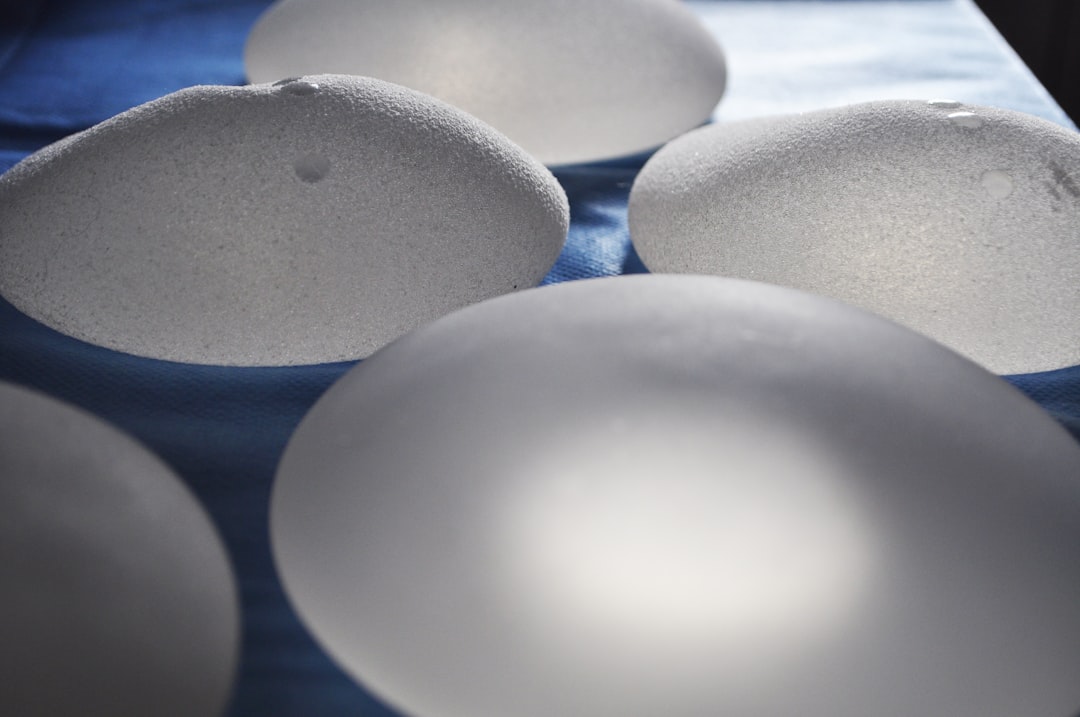
Surgical options, on the other hand, physically remove or alter tissue. While we focus heavily on non-invasive and minimally invasive techniques, it is important to know the limits of what a needle or a laser can do. If you have significant skin laxity, a non-surgical device will only provide mild tightening, whereas a surgical lift offers a definitive change.
The Importance of a Custom Treatment Plan
No two faces or bodies are identical. When you visit our clinic, we do not apply a one-size-fits-all menu of services. We look at your bone structure, skin thickness, muscle movement, and fat distribution.
A custom treatment plan maps out exactly which procedures will address your specific anatomy. For instance, treating dark under-eye circles might require a dermal filler for one person, but a pigmentation laser for another. Identifying the root cause of your concern is the first step in any clinical enhancement.
If you’re considering treatments for pigmentation issues, it’s essential to be well-informed about the potential pitfalls. A related article that provides valuable insights is “Mistakes You Don’t Want to Make When Treating Pigmentation in Singapore,” which discusses common errors and how to avoid them for optimal results. You can read it [here](https://lazzaesthetic.com.sg/mistakes-you-dont-want-to-make-when-treating-pigmentationment-in-singapore/). This resource can help guide your decisions and ensure you achieve the best outcomes from your cosmetic treatments.
Popular Skin Rejuvenation Procedures
Skin rejuvenation focuses on the surface and middle layers of your skin. These treatments aim to repair sun damage, clear up hyperpigmentation, reduce acne scarring, and create a smoother overall texture.
Chemical Peels and Resurfacing
Chemical peels use formulated acidic solutions to dissolve the bonds between dead skin cells. Light peels, often utilizing alpha-hydroxy acids (AHAs) like glycolic or lactic acid, provide a quick exfoliation with almost no downtime. You might experience mild flaking for a few days.
Medium to deep peels, which use trichloroacetic acid (TCA), penetrate deeper into the epidermis and the upper dermis. These are highly effective for stubborn melasma and deeper wrinkles, but they require a commitment to downtime. You can expect visible peeling, redness, and sensitivity for seven to ten days.
Laser Treatments for Texture and Tone
Lasers use focused light energy to target specific issues in the skin. We categorize them primarily into ablative and non-ablative lasers. Ablative lasers physically vaporize the top layer of skin, forcing the body to heal and create a brand-new surface. This is highly effective for deep acne scars but requires a week or more of recovery.
Non-ablative lasers are gentler. They heat the underlying skin tissue without destroying the surface layer. This heat stimulates your body’s natural collagen production over time. You might leave the clinic looking a bit red, like you have a mild sunburn, but you can usually resume normal activities immediately.
Microneedling Explained
Microneedling, or collagen induction therapy, uses a device with fine, sterile needles to create micro-injuries in the skin. Your brain registers these tiny punctures as damage and sends blood flow and collagen to repair the area.
We can adjust the depth of the needles depending on the area being treated. A shallow depth works well for general glow and product absorption, while deeper penetration is necessary to break up the tethered tissue of acne scars. The procedure involves a topical numbing cream to manage discomfort, and you will likely look flushed for 24 to 48 hours post-treatment.
Injectables: Modifying Volume and Wrinkles

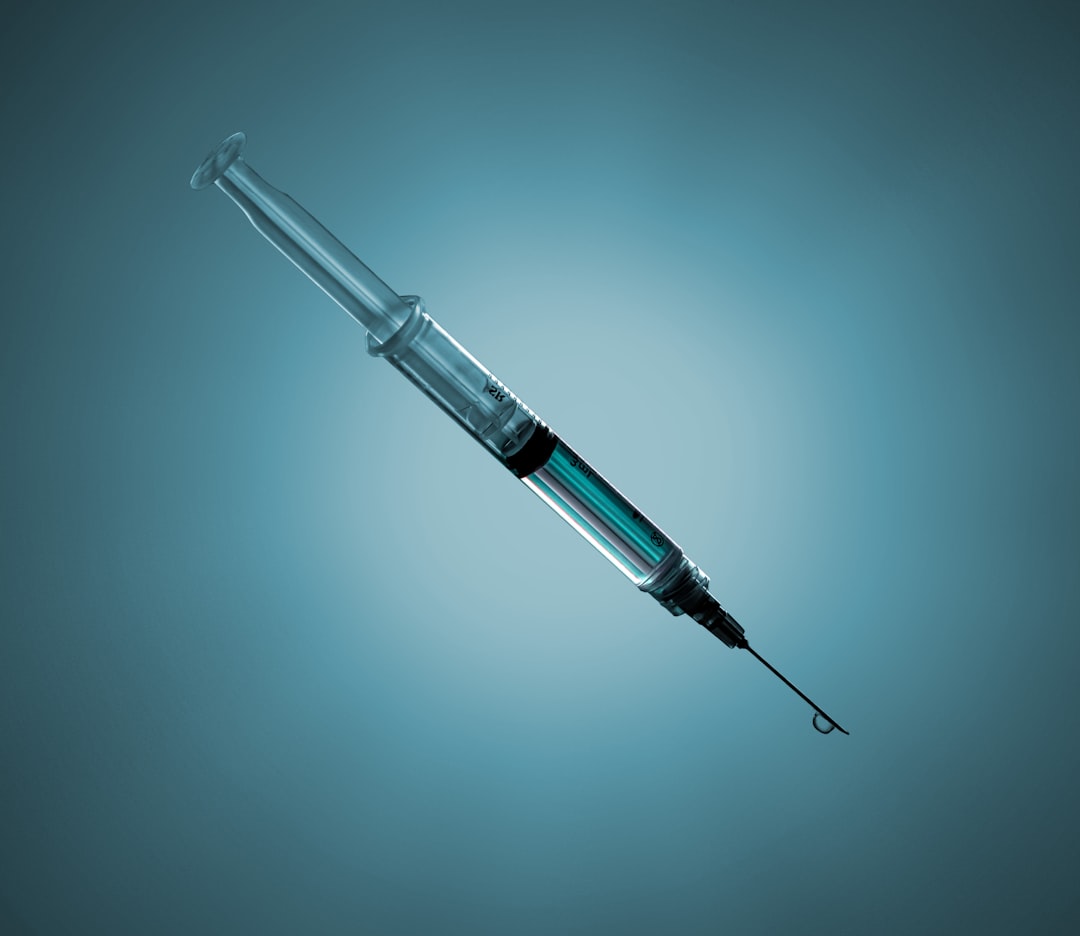
Injectables are the most common procedures performed in cosmetic clinics. They are fast, highly effective, and offer predictable results when administered by a trained professional. However, it is vital to understand the difference between the two main categories: neuromodulators and dermal fillers.
Neuromodulators (Botox and Alternatives)
Neuromodulators, commonly known by brand names like Botox, Dysport, or Xeomin, are purified proteins that temporarily interrupt the communication between your nerves and your muscles. When the muscle cannot receive the signal to contract, the overlying skin remains smooth.
We use these primarily for dynamic wrinkles—the lines that appear when you frown, raise your eyebrows, or smile. It takes about three to seven days for the medication to take full effect, and the results typically last three to four months. Once it wears off, your muscle movement returns to normal.
Dermal Fillers for Volume Loss
While neuromodulators stop movement, dermal fillers add volume. As we age, our skulls actually shrink slightly, and the fat pads in our faces slip downward. This creates hollows under the eyes, flattening in the cheeks, and heavy folds around the mouth.
Most modern fillers are made from hyaluronic acid, a sugar naturally found in your body that holds onto water. We inject this gel-like substance to rebuild cheekbones, define jawlines, or plump thinning lips. The results are visible immediately. Because they are made of hyaluronic acid, these fillers are also reversible; we can dissolve them with a specific enzyme if needed.
Body Contouring and Refinement
Cosmetic clinics aren’t just for the face. We offer various technologies designed to target stubborn pockets of fat and loose skin on the body that do not respond to diet and exercise.
Fat Reduction Techniques
Non-surgical fat reduction generally relies on extreme temperatures or chemical injections. Cryolipolysis, commonly known as fat freezing, uses an applicator to drop the temperature of localized fat pads to a point where the fat cells are destroyed. Your lymphatic system then clears out these dead cells over the next two to three months.
Injection lipolysis uses deoxycholic acid to break down fat cells, most commonly used for the submental area (double chin). It is important to note that these are contouring treatments, not weight loss solutions. They are designed for people at or near their ideal weight who have specific areas of pinchable fat.
Skin Tightening Devices
If your primary concern is loose skin rather than excess fat, skin tightening devices are the appropriate route. These machines utilize radiofrequency (RF) or ultrasound energy to safely heat the deeper layers of the skin.
When the dermis reaches a specific temperature, the existing collagen fibers contract, providing a slight immediate lift. More importantly, this heat triggers a long-term healing response, producing new, tighter collagen over three to six months. Multiple sessions are usually required to see meaningful results.
If you’re considering non-invasive treatments to enhance your appearance, you might find it interesting to explore the benefits of HIFU technology. This innovative procedure is gaining popularity in cosmetic clinics for its ability to lift and tighten skin without surgery. For more information on this topic, you can read a related article that discusses the best HIFU treatment options available in Singapore. Check it out here: the best HIFU treatment in Singapore.
Preparing for Your First Appointment
| Metrics | Value |
|---|---|
| Number of Patients | 500 |
| Revenue | 100,000 |
| Number of Procedures | 1000 |
| Customer Satisfaction Rate | 95% |
The success of a cosmetic procedure doesn’t just depend on the practitioner; it also depends on how well you prepare. Coming into the clinic with realistic expectations and an optimized physical state makes the process smoother.
The Initial Consultation
Your first visit will be a conversation and an assessment. Be prepared to discuss your complete medical history, including any autoimmune conditions, history of cold sores, and all medications or supplements you currently take.
Bring your current skincare routine with you—take photos of the bottles if it’s easier. We need to know if you are using active ingredients like retinol or exfoliating acids, as these can thin the skin barrier and interfere with treatments like peels or lasers.
What to Avoid Before Treatment
If you are getting injectables, bruising is the most common side effect. To minimize this risk, we advise stopping any blood-thinning medications or supplements at least five days before your appointment, provided your primary care doctor approves.
Common culprits that increase bruising include ibuprofen, aspirin, fish oil, vitamin E, and alcohol. If you are prone to bruising, you might want to start taking Arnica tablets a few days beforehand. Additionally, arrive at your appointment with a clean face, free of makeup, to save time and reduce the risk of infection.
If you’re interested in learning more about skin issues and their treatments, you might find this article on skin pigmentation particularly insightful. It delves into the various causes of pigmentation problems and offers a range of potential cures, making it a valuable resource for anyone considering cosmetic procedures at a clinic. Understanding these factors can help you make informed decisions about your skincare and aesthetic options.
Managing Aftercare and Expectations
What you do after you leave the clinic is just as important as the procedure itself. Following aftercare instructions strictly will prevent complications and ensure you get the best possible outcome from your investment.
Post-Treatment Healing Timelines
Every procedure has a specific healing timeline. For injectables, expect swelling and potential bruising for up to two weeks. Do not judge your final filler results until the two-week mark, as the hyaluronic acid needs time to integrate with your tissue and settle.
For lasers and peels, keeping the skin hydrated and protected is your main job. You will be advised to avoid heavy sweating, saunas, and intense exercise for a few days. Picking at flaking skin is strictly prohibited, as it can cause permanent hyperpigmentation or scarring.
Long-Term Maintenance
It is vital to understand that cosmetic clinical treatments are largely temporary. Your body will continue to age, muscle movement will eventually return, and volume will naturally deplete again.
Budgeting for maintenance is a practical part of enhancing your beauty at a clinic. Neuromodulators require visits a few times a year, while fillers might last anywhere from six to eighteen months depending on the area injected and your metabolism. Skin treatments like microneedling are often done in a series of three to six upfront, followed by maintenance sessions once or twice a year.
Finally, no clinical treatment can outwork bad daily habits. Daily application of a broad-spectrum sunscreen is non-negotiable. Protecting your skin from UV damage preserves the collagen we stimulate in the clinic and protects the financial investment you have made in your appearance.