Enhancing your physical appearance at a plastic surgery clinic involves a combination of medical expertise, customized planning, and realistic goal-setting. When you come in for a procedure, you are working with medical professionals to refine your natural features, address specific physical concerns, or restore areas of your body using either surgical or non-surgical methods.
Instead of looking for a one-size-fits-all transformation, the process is about identifying what works for your specific anatomy and lifestyle. Every procedure requires careful planning, an understanding of the recovery process, and a commitment to proper aftercare.
Below is a detailed walkthrough of how our clinic operates, the specific procedures available, and exactly what you need to know to make informed decisions about your care.
The consultation is the most critical part of the entire process. This is not a sales meeting; it is a medical evaluation and a planning session. Before any procedure is scheduled, we need to understand exactly what you want to achieve and determine if it is medically safe and physically possible.
Discussing Your Goals and Expectations
When we sit down to talk, we will ask you to be specific about what bothers you and what kind of result you are looking for. Bringing in reference photos can be helpful, but we will quickly ground the conversation in your unique anatomy.
We will explain what surgical techniques can realistically achieve. If a goal is not attainable due to your bone structure, skin elasticity, or body type, we will tell you directly. Our priority is to ensure you have a clear, accurate picture of the expected outcome so you are not caught off guard after the procedure.
Medical Evaluation and Safety Checks
Surgery, even when elective, places stress on the body. We will conduct a thorough review of your medical history. This includes discussing any chronic conditions, previous surgeries, and every medication or supplement you currently take.
Depending on your age and the planned procedure, we may require standard blood tests, an EKG, or medical clearance from your primary care physician. We will also discuss anesthesia. Depending on the complexity of the operation, we use either local anesthesia, IV sedation, or general anesthesia, and we will explain the risks and protocols associated with each.
If you’re considering enhancing your appearance through cosmetic procedures, you might find it helpful to read more about Botox and its benefits. For a comprehensive overview, check out this informative article titled “The Beginner’s Guide to Botox: Is It Right for You?” which can provide valuable insights into this popular treatment. You can find it here: The Beginner’s Guide to Botox.
Preparing Your Body and Home for Surgery
The work begins before you even arrive at the clinic on your surgery day. Proper preparation significantly impacts how smoothly your procedure goes and how quickly you recover.
Lifestyle Adjustments Before Surgery
We require patients to make specific lifestyle changes in the weeks leading up to a procedure. If you smoke or use nicotine products, you will need to stop at least four to six weeks prior to surgery. Nicotine constricts blood vessels, which severely impacts your body’s ability to heal and increases the risk of tissue death.
You will also need to pause certain medications and supplements. Blood thinners, aspirin, ibuprofen, and even common supplements like fish oil, vitamin E, and ginger can increase bleeding during surgery. We will provide a comprehensive list of what to avoid and when to stop taking them.
Organizing Your Home for Recovery
When you return home after surgery, your mobility will likely be limited. We advise setting up a recovery space ahead of time. Place essential items like your phone charger, medications, water, and snacks at waist height so you do not have to bend down or reach up high.
Prepare easy-to-digest meals in advance and ensure you have plenty of loose, comfortable clothing that opens in the front. You will also need to arrange for a responsible adult to drive you home from the clinic and stay with you for the first 24 to 48 hours to assist with basic tasks and monitor your condition.
Facial Procedures: Refining Your Natural Features
Facial procedures require a delicate approach, as the goal is usually to create harmony between your features rather than making an obvious, drastic change. We focus on techniques that yield natural-looking results that age well over time.
Rhinoplasty: Form and Function
Rhinoplasty, or nose reshaping, is one of the most common procedures we perform. It can be done for purely aesthetic reasons, such as reducing a dorsal hump or refining the nasal tip, or for functional reasons, like correcting a deviated septum to improve breathing.
We use either an open or closed technique depending on the complexity of the changes needed. It is important to know that while the initial splint comes off after about a week, rhinoplasty recovery is a long game. Minor swelling, especially in the tip of the nose, can take up to a full year to completely resolve.
Eyelid Surgery (Blepharoplasty)
If you have heavy, drooping upper eyelids or significant under-eye bags, blepharoplasty is the standard approach. This procedure removes excess skin, muscle, and sometimes fat from the upper or lower eyelids.
The procedure is relatively quick, often performed under local anesthesia with light sedation. Recovery is usually straightforward, with most bruising and swelling subsiding within ten to fourteen days. The result is generally a more rested and alert appearance without altering the fundamental shape of your eyes.
Facelifts for Long-Term Rejuvenation
A modern facelift (rhytidectomy) does not just pull the skin tight; that outdated method leads to an unnatural, windblown look. Instead, we focus on the SMAS layer—the muscle and connective tissue beneath the skin.
By lifting and repositioning this underlying structure and then gently redraping the skin, we can restore volume to the midface and sharpen the jawline. A facelift involves a more extensive recovery period, requiring about two to three weeks of downtime before you feel comfortable returning to normal social activities.
Body Contouring Options
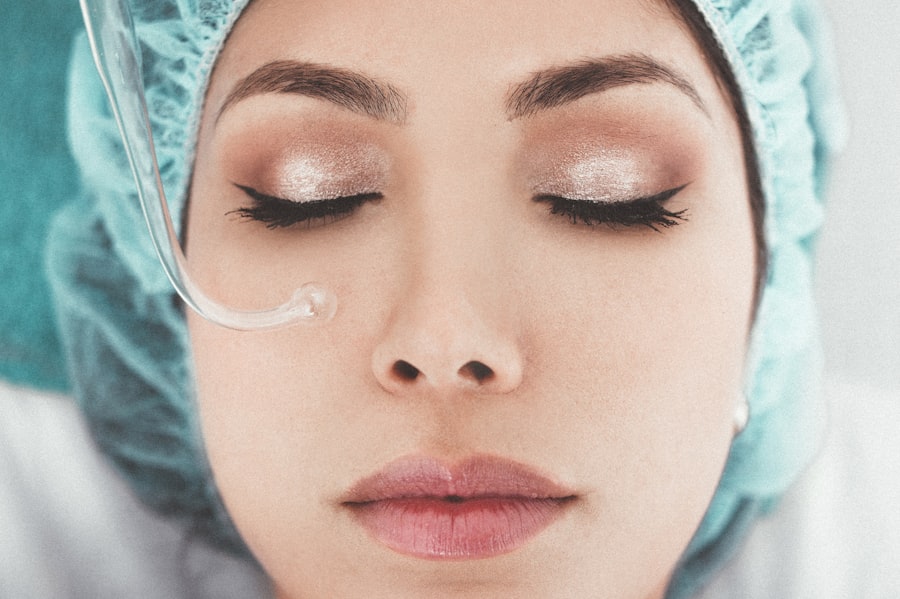
Body contouring procedures are designed to address loose skin, stubborn fat deposits, or structural changes that diet and exercise cannot resolve. They are not weight-loss treatments, but rather ways to reshape specific areas of the physique.
Liposuction: Targeting Stubborn Areas
Liposuction removes localized fat deposits from areas like the abdomen, flanks, thighs, or under the chin. We use a small, hollow tube called a cannula to break up and suction out the fat cells.
To get the best results, you need to have good skin elasticity so the skin can contract smoothly over your new contours. After the procedure, you will be required to wear a specialized compression garment for several weeks. This garment minimizes swelling and helps your body adapt to its new shape.
Tummy Tucks (Abdominoplasty)
A tummy tuck goes beyond fat removal. It is typically recommended for patients who have excess, sagging skin and weakened abdominal muscles, often due to pregnancy or significant weight loss.
During this procedure, we surgically repair separated abdominal muscles (diastasis recti) and remove the excess skin. Recovery requires patience. You will be asked to walk slightly bent over for the first few days to avoid placing tension on the incision, and you will likely have surgical drains in place to manage fluid buildup for the first week.
Breast Enhancements and Reductions
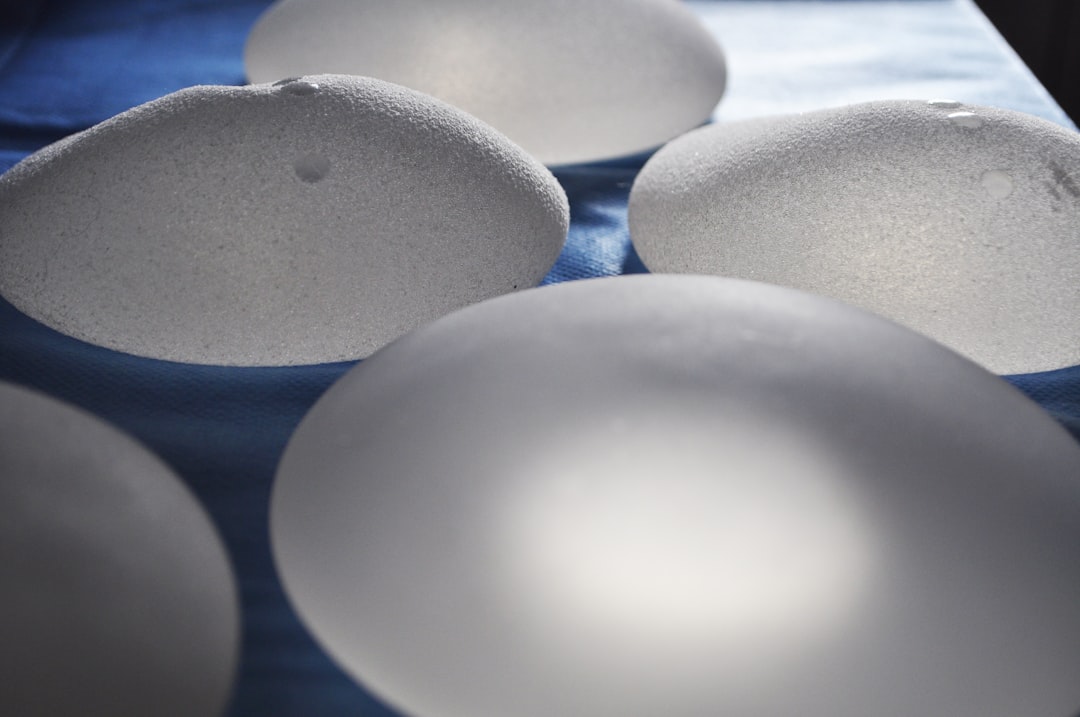
We offer procedures to increase, lift, or reduce breast size based on your physical comfort and aesthetic goals. For augmentations, we discuss the differences between silicone and saline implants, as well as the placement (over or under the muscle) to suit your body type.
Breast reductions are frequently performed to relieve the chronic back, neck, and shoulder pain associated with disproportionately large breasts. Breast lifts (mastopexy) simply remove excess skin and reshape the existing breast tissue to sit higher on the chest wall, without necessarily changing the overall volume.
If you’re considering plastic surgery and are concerned about skin issues such as hyperpigmentation, it’s essential to understand the various treatment options available. A related article that provides valuable insights on managing hyperpigmentation can be found here: managing hyperpigmentation. This resource offers tips and treatments that can complement your plastic surgery journey, helping you achieve the best possible results for your skin.
Non-Surgical Treatments for Quicker Results
| Metrics | Value |
|---|---|
| Number of surgeries performed | 200 |
| Customer satisfaction rate | 95% |
| Average wait time for appointments | 20 minutes |
| Number of certified plastic surgeons | 5 |
Not everyone needs or wants surgery. We offer clinical-grade, non-surgical treatments that require minimal downtime and can be performed directly in the office. These are excellent for maintenance or minor adjustments.
Neuromodulators and Dermal Fillers
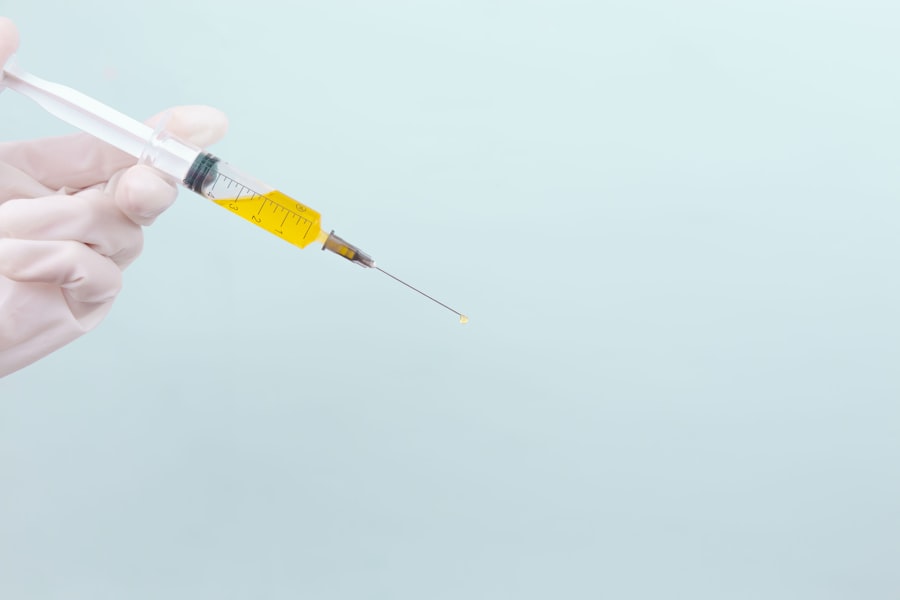
Injectables fall into two main categories: neuromodulators and dermal fillers. Neuromodulators, like Botox or Dysport, work by temporarily relaxing the specific facial muscles that cause wrinkles, particularly around the forehead and eyes. Results take a few days to appear and last about three to four months.
Dermal fillers, typically made from hyaluronic acid, are used to restore lost volume. We use them to plump lips, fill deep creases around the mouth, or build up the cheekbones and jawline. Fillers provide immediate results and generally last anywhere from six months to over a year, depending on the product used and the area treated.
Laser Skin Resurfacing
To address surface-level skin issues like sun damage, acne scars, fine lines, and uneven texture, we utilize laser skin resurfacing. We offer both ablative and non-ablative laser options.
Ablative lasers remove the top layer of skin, requiring a week or more of downtime as the skin peels and heals, but they offer dramatic results for deep wrinkles and severe texture issues. Non-ablative lasers heat the underlying skin tissue to stimulate collagen production without destroying the surface, requiring less downtime but often necessitating multiple sessions for optimal results.
Navigating Recovery and Aftercare
The success of your procedure relies heavily on how well you follow your aftercare instructions. Healing is a biological process that takes time, and trying to rush it will only compromise your results.
Immediate Post-Op Care
In the days immediately following surgery, managing pain and preventing infection are your main priorities. Take your prescribed medications exactly on schedule. Do not wait for the pain to become severe before taking a dose.
You will need to keep your incision sites clean and dry. We will teach you exactly how to change your dressings and manage any surgical drains. It is also crucial to get up and walk around your house for a few minutes every few hours to promote circulation and prevent blood clots, even if you feel tired.
Long-Term Maintenance and Scar Care
Once your incisions have fully closed and the initial healing is complete, we transition to scar management. We often recommend silicone sheets or specialized gels to help flatten and fade the scars over the next several months.
Maintaining your results over the years requires a stable lifestyle. Significant fluctuations in weight can stretch the skin and alter the results of body contouring or facial surgeries. Finally, strict sun protection is non-negotiable. UV exposure degrades collagen and can cause scars to darken permanently, so wearing a high-quality SPF daily is an essential part of protecting your investment in your appearance.