When you decide to enhance your physical appearance at a plastic surgery clinic, the process involves far more than just showing up for a procedure. It requires a structured approach that includes a detailed medical evaluation, selecting the right surgical or non-surgical methods for your specific anatomy, preparing your body for the physical stress of an operation, and committing to a strict recovery timeline.
Understanding exactly how a clinic operates and what each phase of your treatment demands is the best way to get the results you want while minimizing risks. Here is a practical breakdown of what happens when you work with our clinic to change or refine your features.
The first step in any cosmetic procedure is the consultation. This is not a sales pitch; it is a clinical evaluation to determine if your physical goals align with what is medically possible. We spend this time looking at your anatomy, discussing your lifestyle, and mapping out a precise surgical plan.
Discussing Your Goals Realistically
When you come in, it helps to be highly specific about what bothers you and what you want to change. Bringing reference photos can be useful, but only as a starting point. Your underlying bone structure, skin elasticity, and body proportions dictate what we can achieve.
During this meeting, we will examine the area you want to treat and explain the limitations of your tissue. For example, if you want a certain nose shape, we have to account for the thickness of your nasal skin and the strength of your cartilage. We use physical examinations and sometimes computer imaging to give you a realistic preview of the potential outcome, rather than an idealized picture that your anatomy cannot support.
Medical History and Suitability
Not everyone is an immediate candidate for elective surgery. We require a comprehensive medical history to ensure you can safely undergo anesthesia and heal properly. We will check your Body Mass Index (BMI), as a higher BMI can increase the risk of complications during and after surgery.
You must disclose all medications, supplements, and lifestyle habits. Blood thinners, including common supplements like fish oil and vitamin E, need to be stopped well before surgery to prevent excessive bleeding. If you use nicotine in any form—including vaping or patches—you will be required to stop completely for several weeks before and after the procedure. Nicotine constricts blood vessels, severely limiting the blood supply needed for your incisions to heal, which can lead to tissue death and severe scarring.
If you’re interested in exploring the latest advancements in cosmetic procedures, you might find this article on skin pigmentation particularly insightful. It discusses the causes and cures of skin pigmentation issues, highlighting the effectiveness of pico laser treatments. For more information, you can read the full article here: Understanding Skin Pigmentation: Causes and Cures with Pico Laser.
Facial Enhancements: Subtle Tweaks to Major Changes
Facial procedures require a deep understanding of facial aging, which usually involves a combination of skin laxity, volume loss, and repetitive muscle movement. We offer different approaches depending on the severity of the issue and your desired downtime.
Non-Surgical Options
If you are not ready for the downtime of surgery, non-surgical treatments can temporarily alter your facial dynamics. Neuromodulators, commonly known by brand names like Botox, are injected directly into specific facial muscles. They temporarily block the nerve signals that cause these muscles to contract, which smooths out dynamic wrinkles—the lines that appear when you frown, smile, or raise your eyebrows. The effects usually last three to four months.
Dermal fillers serve a different purpose. Made primarily from hyaluronic acid, they are used to restore lost volume. We inject fillers to rebuild the structure in areas like the cheekbones, jawline, or lips. Fillers do not stop muscle movement; they simply add physical mass under the skin. Depending on the density of the filler and the location of the injection, these results can last anywhere from six to eighteen months before your body naturally metabolizes the product.
Surgical Facial Procedures
When non-surgical options are no longer effective, surgical intervention is required to manipulate the underlying facial structures. A facelift (rhytidectomy) does not just pull the skin tight. We access the deeper muscle and tissue layer called the SMAS (Superficial Musculoaponeurotic System), lifting and securing it to a higher position before removing the excess skin. This prevents a “pulled” look and ensures longevity.
Rhinoplasty (nose reshaping) is another common facial surgery. Depending on the complexity, we will use either a closed technique (all incisions hidden inside the nostrils) or an open technique (a small incision across the columella, the tissue between the nostrils). The open technique allows for direct visibility of the nasal framework, which is often necessary for complex reshaping or repairing structural issues like a deviated septum.
Body Contouring and Sculpting

Body contouring procedures are designed to remove stubborn fat deposits and excess skin that do not respond to diet or exercise. These are not weight-loss procedures; they are strictly for reshaping the body’s silhouette.
Liposuction and Fat Transfer
Liposuction physically removes fat cells from targeted areas such as the abdomen, flanks, thighs, or chin. We use the tumescent technique, which involves injecting a sterile solution containing saline, lidocaine (a local anesthetic), and epinephrine (a drug that shrinks blood vessels) into the fat layer. This fluid causes the fat to swell and firm up, making it easier to extract via a thin tube called a cannula, while significantly reducing blood loss and bruising.
In some cases, the extracted fat can be repurposed through a fat transfer. The harvested fat is purified in a centrifuge to separate the viable fat cells from oil and blood. These healthy cells are then carefully re-injected into areas where you want more volume, such as the breasts or buttocks. Keep in mind that not all transferred fat survives; usually, about 60 to 70 percent of the injected fat establishes a blood supply and remains permanently.
Tummy Tucks (Abdominoplasty)
A tummy tuck addresses issues that liposuction alone cannot fix: loose skin and separated abdominal muscles. This procedure is highly requested by patients who have experienced significant weight loss or pregnancy.
During the procedure, an incision is made low on the abdomen, usually from hip to hip. We lift the skin to expose the abdominal wall and use sutures to pull the separated rectus abdominis muscles back together, creating a firmer, flatter abdominal profile. After the underlying structure is repaired, the skin is pulled taut, the excess is surgically removed, and the belly button is repositioned. Recovery from a tummy tuck is intensive, requiring you to walk with a slight hunch for the first week or two to prevent tension on the incision line.
Breast Procedures: Augmentation, Reduction, and Lifts
Breast procedures involve altering the volume, shape, and position of the breasts. The specific approach depends entirely on your starting breast tissue and your end goals.
Choosing the Right Implant Size and Type
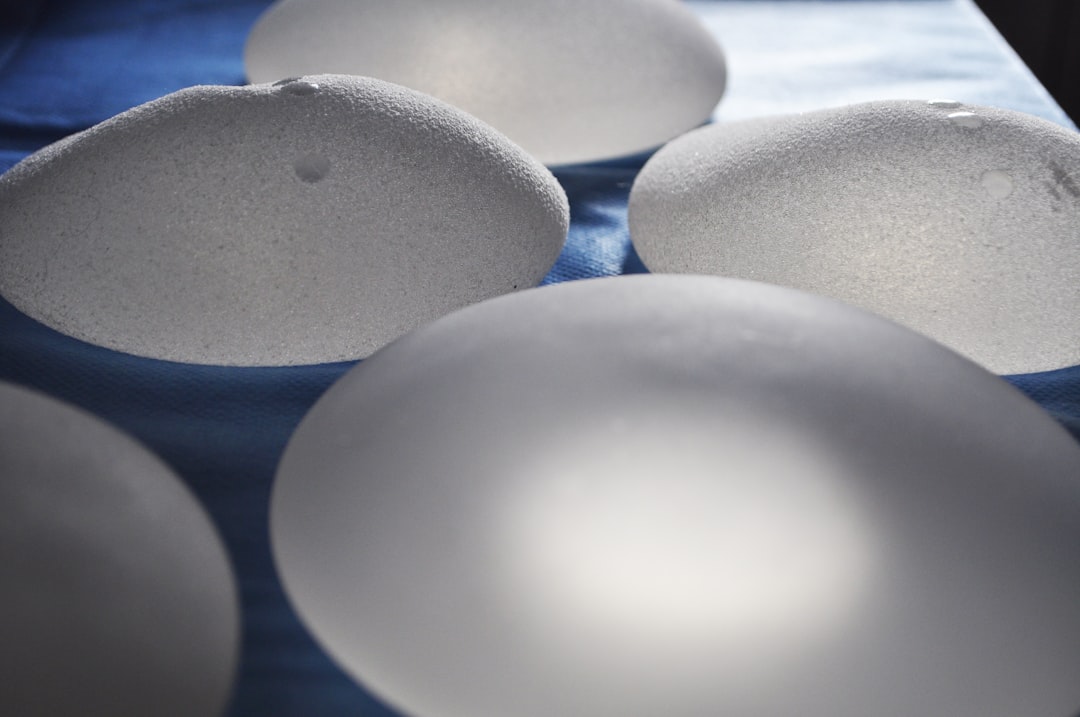
If you are undergoing breast augmentation, choosing the right implant requires balancing your aesthetic desires with your chest width and skin elasticity. We generally work with two types of implants: saline and silicone. Saline implants are filled with sterile saltwater after they are inserted, requiring a slightly smaller incision. Silicone implants come pre-filled with a cohesive gel that closely mimics the feel of natural human fat tissue.
We also have to determine the profile of the implant (how far it projects outward) and the placement. Implants can be placed subglandular (over the pectoral muscle) or submuscular (under the pectoral muscle). Submuscular placement often provides a smoother slope and less visible implant rippling, especially in patients with very little natural breast tissue.
What to Expect During a Lift or Reduction
Volume is only one part of the equation; position is the other. A breast lift (mastopexy) removes excess stretched skin and reshapes the remaining breast tissue to sit higher on the chest wall. The nipple and areola are also elevated to a more forward-facing position.
A breast reduction uses similar incision patterns but also involves the removal of glandular breast tissue and fat to relieve the physical burden of overly large breasts, which often cause neck, back, and shoulder pain. Depending on how much lift or reduction is required, the incisions may be limited to a circle around the areola, extend down in a vertical line (a “lollipop” incision), or continue along the breast crease (an “anchor” incision).
If you’re considering enhancing your appearance through cosmetic procedures, it’s essential to explore all available options and their potential benefits. A recent article discusses effective solutions for acne scarring, which can be a concern for many individuals seeking to improve their skin’s texture and overall look. You can read more about these treatments in the article on clear skin solutions that work for acne scarring at Laz Aesthetic. Understanding these options can help you make informed decisions about your journey in plastic surgery.
Preparing for Surgery: The Weeks Before
| Metrics | 2019 | 2020 | 2021 |
|---|---|---|---|
| Number of Procedures | 500 | 600 | 700 |
| Patient Satisfaction Rate | 90% | 92% | 95% |
| Revenue (in USD) | 1,000,000 | 1,200,000 | 1,500,000 |
The success of your surgery relies heavily on how well you prepare your body and your environment in the weeks leading up to your procedure date.
Lifestyle Adjustments
About two weeks prior to your surgery, you must stop taking any medications that increase bleeding. This includes aspirin, ibuprofen, naproxen, and many herbal supplements. Tylenol (acetaminophen) is generally safe to use for pain during this period.
Hydration and nutrition play a crucial role in how well your body handles the trauma of surgery. Focus on eating a diet high in protein and vitamins to build up your immune system. The night before your surgery, you will be required to fast. Having an empty stomach is a strict requirement for general anesthesia to prevent the risk of aspirating stomach contents into your lungs while unconscious.
Setting Up Your Recovery Space
Before you leave for the clinic on the morning of your surgery, your recovery space at home should be completely set up. You will not have the energy or mobility to organize things once you return.
Make sure all your necessary items—medications, water, healthy snacks, phone chargers, and the TV remote—are within arm’s reach. If you are having a procedure on your torso or breasts, you will need to sleep on an incline. Invest in a solid wedge pillow or arrange extra pillows to keep your upper body elevated, which helps significantly with swelling. Buy loose-fitting, button-down shirts so you do not have to lift your arms over your head to get dressed.
If you’re considering enhancing your appearance through cosmetic procedures, it’s essential to explore various options available to you. A recent article discusses the different smart body contour choices and provides insights on what to choose and why. You can read more about it in this informative piece on smart body contouring. Understanding these options can help you make an informed decision that aligns with your aesthetic goals.
The Recovery Phase: What Actually Happens
Recovery is a physical process that requires patience. Your body needs energy to repair the surgical trauma, which means you will feel exhausted for the first few days. Understanding the timeline of healing prevents unnecessary anxiety.
Managing Pain and Swelling
Pain is usually most intense during the first 48 to 72 hours. We will prescribe specific pain management medications to get you through this window. It is important to stay ahead of the pain by taking your medication on schedule, rather than waiting until you are hurting.
Swelling and bruising are unavoidable. Swelling is the body’s natural inflammatory response to injury and brings healing cells to the area. For body procedures, we will fit you with a medical-grade compression garment. You must wear this garment 24 hours a day for several weeks. Compression minimizes fluid buildup, helps the skin adhere to its new underlying contours, and supports the tissue as it heals. For facial procedures, sleeping with your head elevated and applying cold compresses strictly according to our instructions will help control the inflammation.
Follow-Up Appointments and Long-Term Care
You will have several follow-up appointments at our clinic so we can monitor your healing. During the first week, we will check your incisions, remove any surgical drains (often used in tummy tucks and breast reductions to siphon off excess fluid), and take out non-dissolvable stitches.
Scars are a permanent trade-off for surgery, but how they heal depends on your post-operative care. Once the incisions are fully closed and we give you clearance, you can begin using silicone scar sheets or gels. These products hydrate the scar tissue and prevent the overproduction of collagen, keeping the scars flat and pale.
Finally, keep in mind that cosmetic surgery requires a long waiting game. While you will see a difference immediately, the tissues take a long time to settle. Swelling fluctuates with your diet, activity level, and the weather. It takes about three months for the majority of the swelling to subside, and it can take a full year to see the final, refined results of procedures like rhinoplasty or a facelift. Following our instructions carefully throughout this entire timeline ensures that the investment you made in altering your appearance yields the best possible outcome.