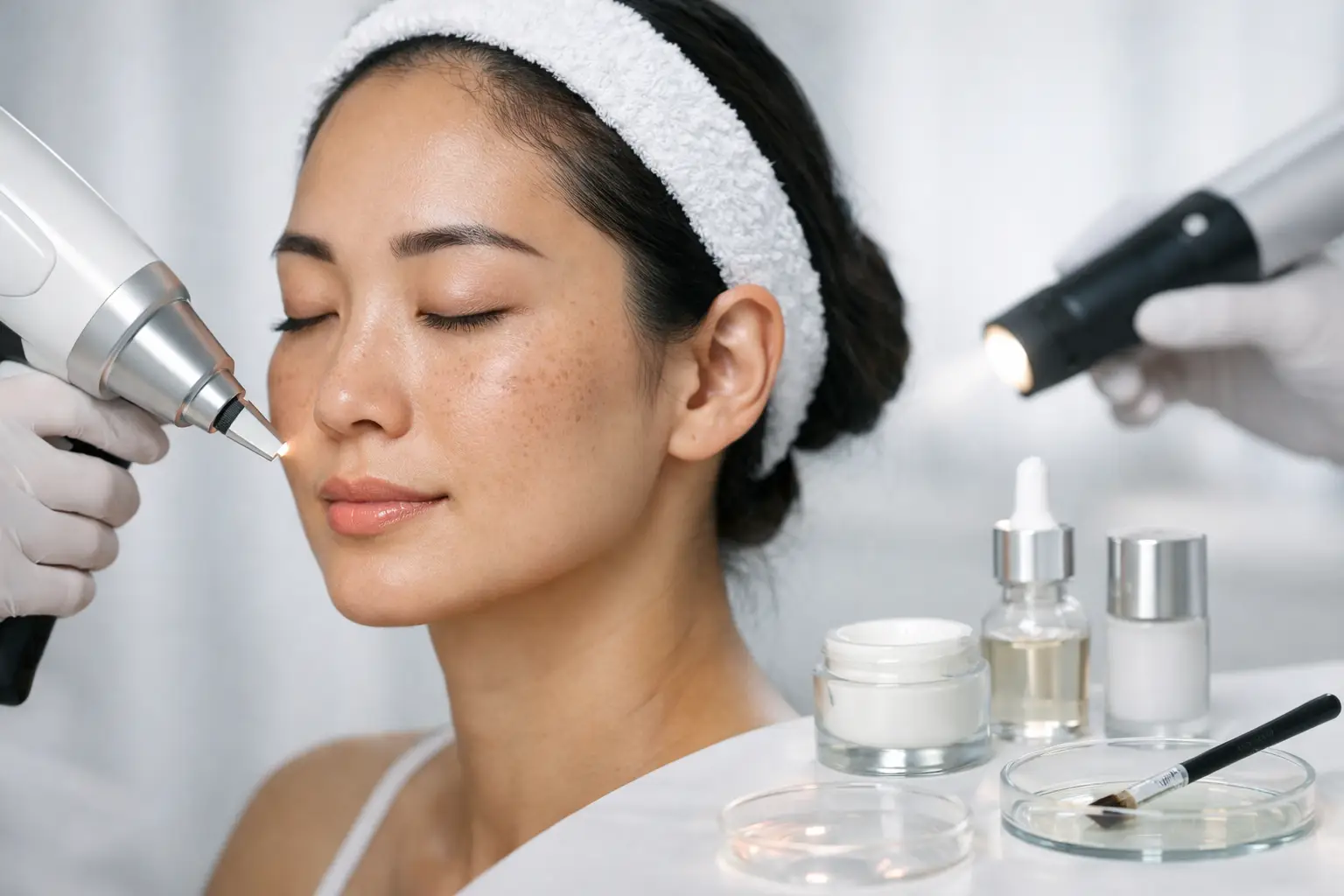
Energy-based skin treatments have become a prominent component of dermatological and aesthetic practice. Among these modalities, picosecond laser technology represents a specific category of optical devices utilized to address various dermatological concerns. Rather than relying on prolonged heat exposure, these devices operate on ultra-short pulse durations to target chromophores—such as melanin or exogenous tattoo pigments—within the skin.
As with any medical procedure, it is essential to approach picosecond laser treatments with a foundation of objective information. The purpose of this article is to explore the scientific principles, clinical applications, patient experience, and safety considerations associated with picosecond laser technology. It is important to note that results vary between individuals, and proper medical assessment is required before initiating any treatment protocol.
The fundamental principle of laser dermatology involves the principle of selective photothermolysis, wherein specific wavelengths of light are absorbed by target structures in the skin without excessively damaging surrounding tissues. Picosecond lasers represent a refinement of this concept through the alteration of pulse duration.
The Physics of Ultra-Short Pulses
A picosecond is one-trillionth of a second. Lasers operating in this domain deliver energy to the skin in extraordinarily brief intervals. Traditional nanosecond lasers deliver energy in billionths of a second, relying heavily on a photothermal effect, which involves heating the target pigment until it breaks apart. In contrast, picosecond lasers lean toward a photomechanical or photoacoustic effect. The rapid delivery of energy creates a localized pressure wave that shatters pigment particles into minutiae. This mechanism may help improve the clearance of pigment by the body’s macrophage cells while potentially reducing the amount of residual thermal energy that transfers to adjacent skin tissues.
Fractional Technology and Tissue Remodeling
Many picosecond laser devices utilize a specialized delivery system often referred to as a fractional array or micro-lens array. This optic modification fractionates the primary laser beam into hundreds of microscopic, high-intensity beams. When these microscopic beams interact with the skin, they can induce a phenomenon known as Laser-Induced Optical Breakdown (LIOB).
LIOB creates highly localized, microscopic zones of cellular disruption within the dermal layer of the skin, while leaving the overlying epidermis largely intact. This controlled micro-injury initiates the body’s natural wound-healing cascade, characterized by the subsequent release of growth factors, fibroblast activation, and the formation of new collagen and elastin fibers over several months.
Wavelength Selection
Picosecond lasers typically operate across multiple wavelengths, most commonly 1064 nm and 532 nm, among others. The selection of wavelength is determined by the absorption coefficient of the target pigment and its depth within the skin. The 532 nm wavelength is highly absorbed by melanin and is generally restricted to the superficial epidermal layers. Conversely, the 1064 nm wavelength penetrates deeper into the dermis, making it suitable for deeper pigmentary conditions and darker skin types.
Pico laser technology has gained significant attention in the field of aesthetic treatments due to its numerous benefits, including reduced downtime and effective skin rejuvenation. For a deeper understanding of how personalized treatment plans can enhance the outcomes of such procedures, you can refer to this insightful article on the influence of genetics, ethnicity, and skin type on aesthetic results. To learn more, visit this article.
Common Applications in Aesthetic Clinical Practice
The physical properties of picosecond lasers allow medical practitioners to utilize them for a range of dermatological indications. While these treatments can be effective for many patients, it must be emphasized that outcomes are dependent on individual biological responses.
Managing Pigmentation Concerns
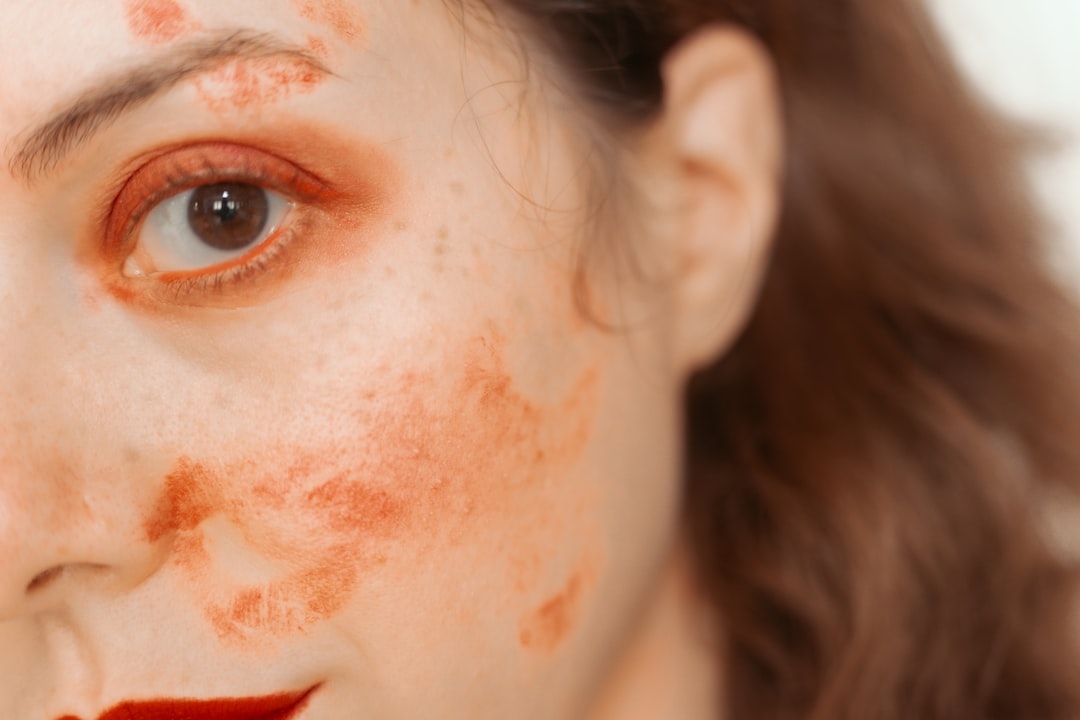
Hyperpigmentation occurs when there is an overproduction or uneven distribution of melanin within the skin. This can manifest as epidermal lesions, such as solar lentigines (sun spots) and ephelides (freckles), or dermal lesions like Hori’s macules and Nevus of Ota. Melasma, a complex condition influenced by hormonal factors, ultraviolet exposure, and vascular hyper-reactivity, often presents as mixed epidermal and dermal pigmentation.
Picosecond lasers may help improve the appearance of benign pigmented lesions by mechanically fragmenting the melanin. Because the photomechanical effect generates less diffuse heat, it is often utilized in the management of melasma, a condition highly sensitive to thermal stimulation, which can exacerbate the pigmentation. However, multiple sessions are generally required, and chronic conditions like melasma mandate ongoing management alongside topical therapies and strict ultraviolet protection.
Addressing Acne Scars and Skin Texture
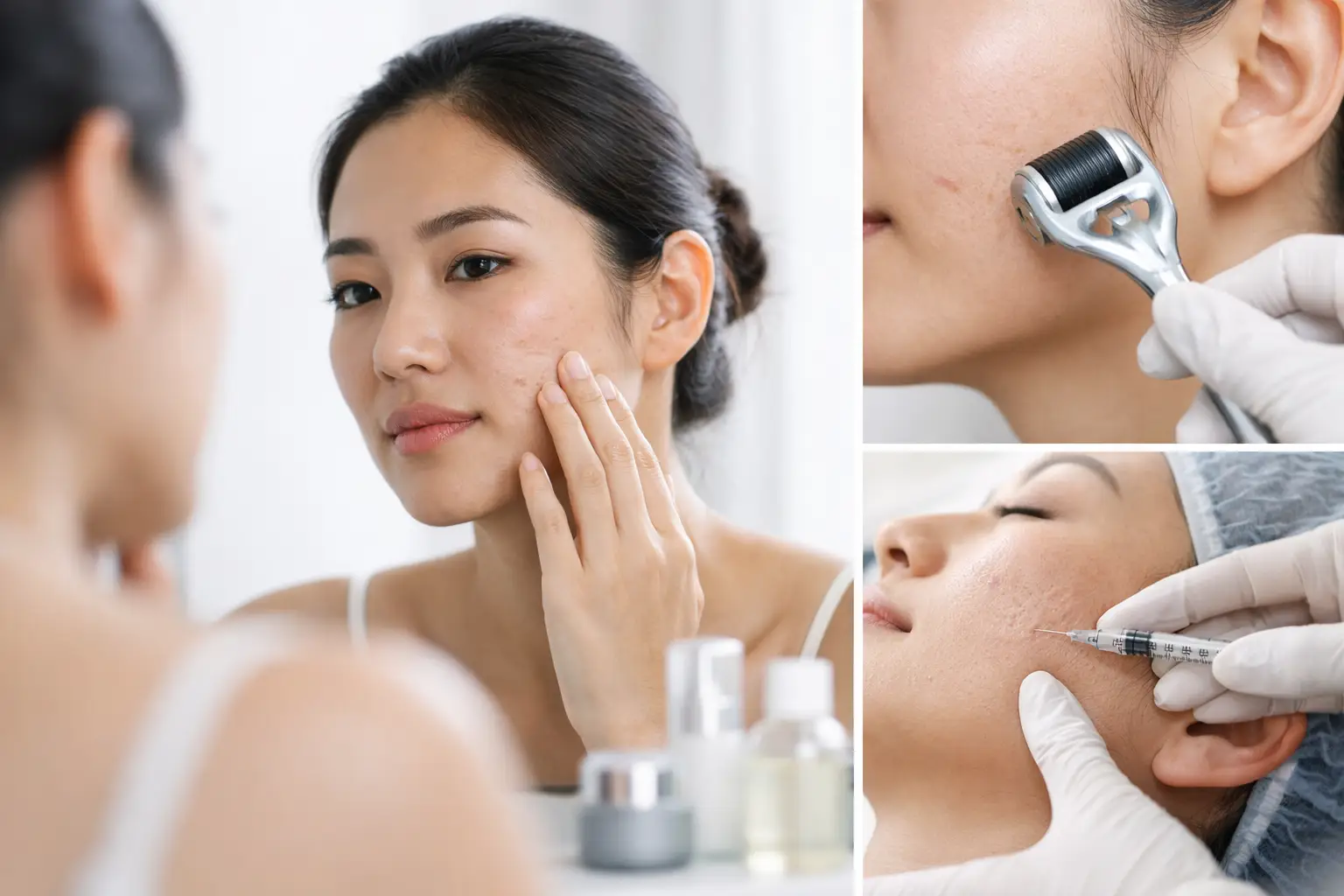
Atrophic acne scarring is a structural alteration of the dermal layer resulting from severe localized inflammation. These scars are classified by their morphological appearance: ice-pick, boxcar, and rolling scars.
Utilizing the fractional modality described earlier, picosecond lasers target the dermis to stimulate structural remodeling. By creating intra-dermal LIOBs, the treatment prompts the synthesis of new extracellular matrix components. Over subsequent weeks and months, the gradual increase in dermal thickness and tissue organization may help improve the overall texture of the skin and reduce the depth of atrophic scars. While a single session may begin the remodeling process, a series of treatments is typically necessary to observe measurable structural changes. Furthermore, extremely deep scars may necessitate adjunctive therapeutic interventions.
Tattoo Removal Processes
Tattoo inks are exogenous pigments deposited into the dermis. The body’s immune system struggles to clear these pigment complexes due to their large molecular size. Picosecond lasers assist the immune system by delivering high peak power to shatter the ink particles.
The efficacy of tattoo removal depends on multiple variables, including the chemical composition of the ink, the density of the pigment, the depth of placement, the age of the tattoo, and the patient’s individual immune response. While black and dark blue inks typically respond well to lower wavelengths like 1064 nm, complex colors such as green, light blue, or yellow may require specialized wavelengths. Complete removal is not guaranteed, and residual shadowing or “ghosting” can remain.
The Treatment Experience: What Individuals May Expect
Understanding the clinical workflow helps to align patient expectations regarding the process, time commitment, and physical sensations associated with laser procedures.
Pre-Treatment Assessment and Preparation
Prior to any optical or energy-based skin treatment, a comprehensive medical consultation is mandated. The treating practitioner will evaluate the patient’s medical history, assess the specific dermatological condition, and determine the individual’s Fitzpatrick skin type. Individuals will strictly be advised to avoid unprotected sun exposure, tanning beds, and certain photosensitizing medications or topical products (such as retinoids or strong direct acids) in the weeks preceding the appointment.
During the Procedure
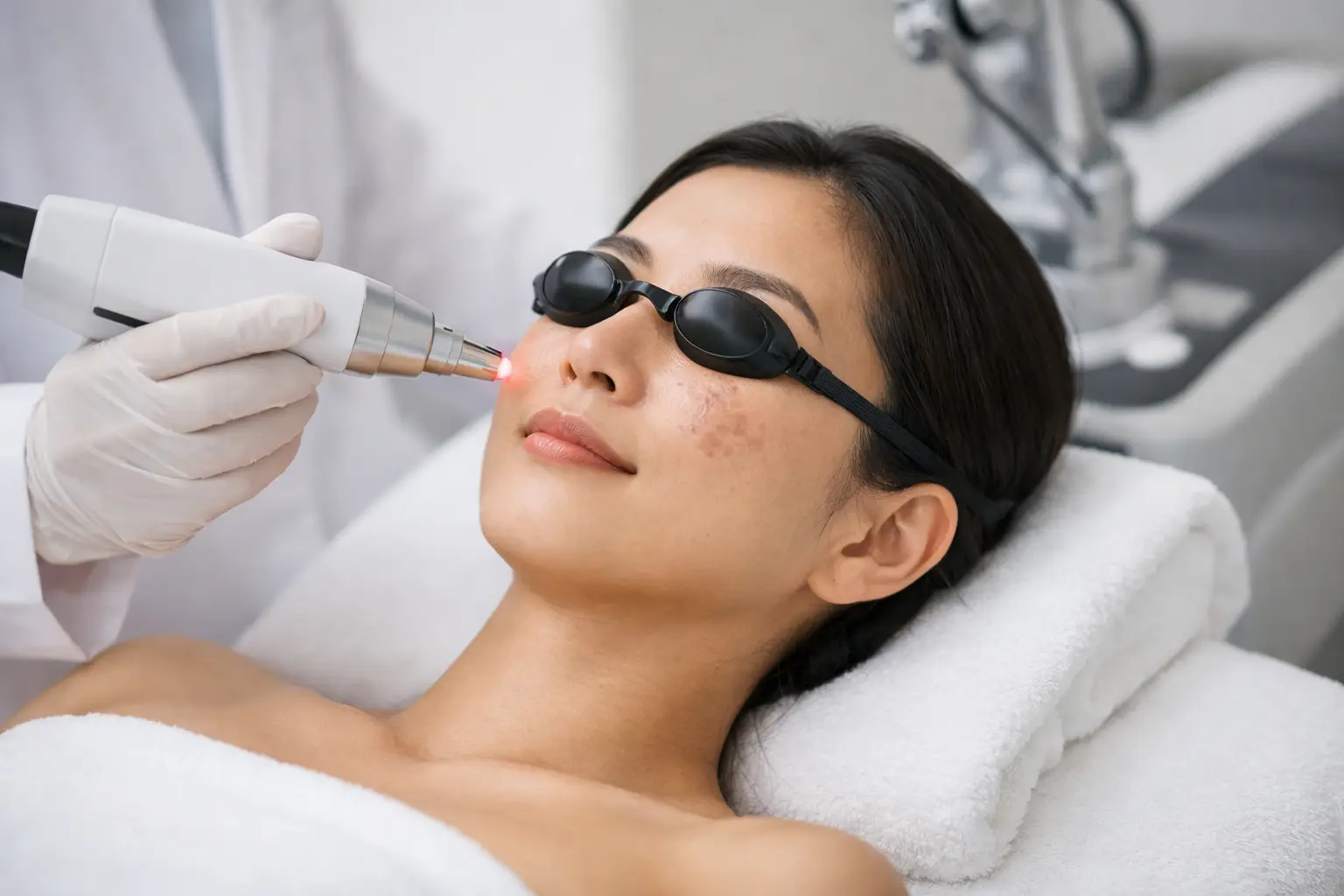
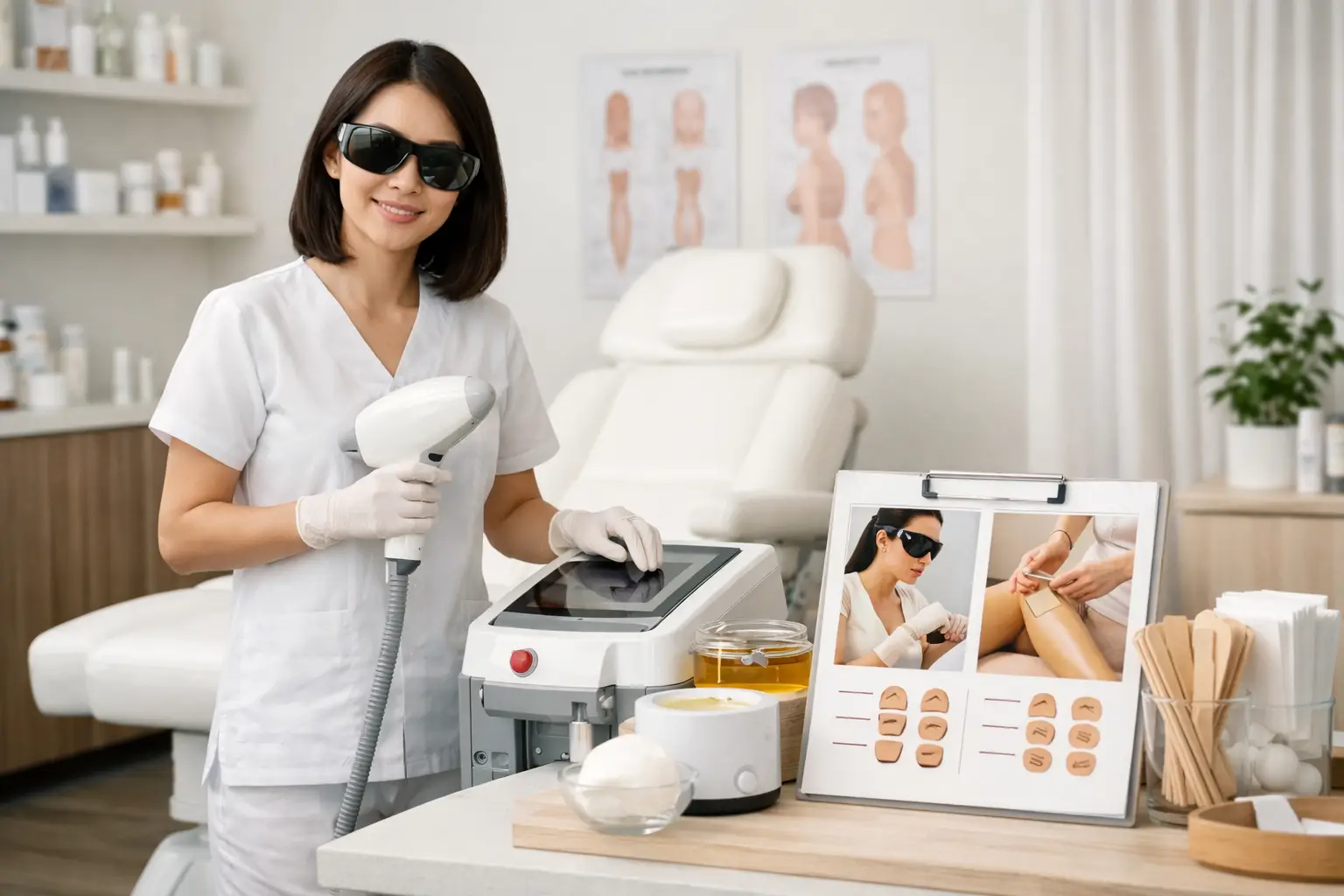
The procedure takes place in a clinical setting equipped with appropriate laser safety measures, including specialized protective eyewear for both the patient and practitioner. Depending on the intensity of the specific laser parameters selected and individual pain tolerance, a topical anesthetic cream may be applied to the treatment area for 30 to 60 minutes beforehand.
During the delivery of the laser energy, patients commonly report a sensation akin to the repetitive snapping of a rubber band against the skin, accompanied by a localized feeling of warmth. In fractional resurfacing modes or tattoo removal, a localized cooling device blowing chilled air is frequently utilized concurrently to mitigate discomfort and protect the superficial epidermal layers.
Post-Treatment Care and Recovery
Immediately following the procedure, the skin will exhibit varying degrees of erythema (redness) and mild edema (swelling), similar to an acute mild sunburn. In treatments targeting specific sun spots or during tattoo removal, minor petechiae (pinpoint bleeding) or transient frosting of the skin may occur.
Post-treatment clinical protocols typically emphasize maintaining a clean and protected epidermal barrier. Patients are instructed to use gentle, non-irritating skin cleansers and to apply prescribed barrier-repair moisturizers. Extreme caution regarding sun exposure is critical; broad-spectrum sunscreens must be worn daily. The duration of the recovery period varies depending on the intensity of the treatment, ranging from a few hours of mild redness to several days of mild desquamation (flaking).
Suitability and Considerations for Different Skin Types
Laser-tissue interactions are heavily influenced by the concentration and distribution of melanin within the epidermis, necessitating a highly individualized approach to energy settings.
Evaluating Asian and Deeper Skin Types
In aesthetic dermatology, skin types are commonly classified using the Fitzpatrick scale, ranging from Type I (very pale, always burns) to Type VI (deeply pigmented, never burns). Singapore’s diverse population predominantly encompasses Fitzpatrick types III, IV, and V.
The primary clinical consideration when treating skin types with higher baseline melanin content is the competing absorption of laser energy. If the epidermal melanin absorbs excessive energy, it can lead to thermal injury. Picosecond technology, particularly at the 1064 nm wavelength, inherently possesses a higher safety profile for darker skin types compared to some nanosecond lasers or intensely ablative devices, primarily due to its reliance on acoustic rather than thermal energy. However, conservative parameter selection remains essential.
General Contraindications
There are specific circumstances under which picosecond laser treatments may be inadvisable or require postponement. Absolute and relative contraindications include, but are not limited to:
- Pregnancy and active breastfeeding (due to a lack of safety studies in these demographics).
- Active local skin infections or acute inflammatory skin conditions (e.g., active herpes simplex outbreak, severe cystic acne flare).
- Recent, unprotected sun exposure or sunburn in the planned treatment area.
- The current or recent use of systemic isotretinoin (typically requires a cessation period before elective laser treatments).
- A known history of keloid scarring, particularly when higher-energy fractional parameters are being considered.
- Certain autoimmune disorders or conditions that impair normal wound healing.
Pico laser technology has gained significant attention for its remarkable benefits in skin rejuvenation and treatment of various skin concerns. For those interested in exploring complementary treatments, a related article discusses the advantages of skin boosters, which can enhance the overall results of laser treatments. You can read more about this in the article on skin boosters, which highlights how these treatments work synergistically with pico lasers to improve skin texture and hydration. For further details, check out the article here.
Potential Risks and Side Effects
| Benefits of Pico Laser |
|---|
| 1. Faster treatment time |
| 2. Reduced risk of side effects |
| 3. Effective for various skin types |
| 4. Minimal discomfort during treatment |
| 5. Stimulates collagen production |
| 6. Treats a wide range of skin concerns |
While medical laser treatments operate within strict biophysical parameters to maximize safety, the application of physiological stress to living tissue carries inherent risks that patients must be informed about prior to consent.
Temporary Expected Reactions
Most immediate physiological responses are transient and represent the standard biological reaction to focused energy. These expected reactions include temporary localized swelling, a stinging or burning sensation akin to a mild sunburn, and transient erythema. When targeting discrete lentigines, the pigment may undergo an acute darkening process before micro-crusting and naturally exfoliating over seven to fourteen days. It is critical that patients do not scratch or artificially remove this crust to prevent secondary injury.
Managing Unintended Complications
Though relatively rare when treatments are performed by trained personnel, adverse events can occur. One of the most significant risks in skin with higher melanin content is Post-Inflammatory Hyperpigmentation (PIH). PIH manifests as a temporary or sometimes prolonged darkening of the skin resulting from the local inflammatory response to the laser. PIH is often managed with time, diligent sun protection, and medical-grade topical applications.
Conversely, aggressive settings or overlapping pulses can sometimes result in hypopigmentation (a loss of natural skin pigment), which may be difficult to reverse. Other rare complications include the formulation of superficial blisters, secondary bacterial or viral infections resulting from improper post-care hygiene, and, in severe cases of thermal injury, structural scarring.
The Importance of Professional Assessment
The complexity of laser physics, coupled with the variable nature of human skin physiology, dictates that picosecond laser treatments are medical procedures. The administration of Class 4 medical lasers requires the oversight, assessment, and execution of qualified medical personnel within an appropriately regulated clinical environment.
A thorough diagnostic assessment is fundamentally required to distinguish between benign cosmetic conditions and potentially malignant skin lesions that mimic hyperpigmentation. By adhering to rigorous safety protocols, understanding the physical limitations of the technology, and providing realistic, patient-specific expectations, practitioners can appropriately integrate picosecond laser technology into a comprehensive dermatological care plan.
FAQs
What is Pico laser technology?
Pico laser technology is a type of laser treatment that uses ultra-short pulses of energy to target and break down pigmentation and stimulate collagen production in the skin. It is often used for tattoo removal, skin rejuvenation, and treatment of pigmentation issues.
What are the benefits of Pico laser treatment?
The benefits of Pico laser treatment include faster and more effective results compared to traditional laser treatments, minimal discomfort and downtime, and the ability to treat a wide range of skin concerns including pigmentation, wrinkles, and acne scars.
Is Pico laser treatment safe for all skin types?
Yes, Pico laser treatment is safe for all skin types, including darker skin tones. The ultra-short pulses of energy minimize the risk of damage to the surrounding skin, making it a safe and effective option for a wide range of patients.
How many sessions of Pico laser treatment are typically needed to see results?
The number of sessions needed for Pico laser treatment varies depending on the specific skin concern being addressed. However, most patients see significant improvement after just a few sessions, with optimal results typically achieved after a series of treatments.
Are there any potential side effects of Pico laser treatment?
While Pico laser treatment is generally considered safe, some potential side effects may include temporary redness, swelling, or darkening of the treated area. These side effects are typically mild and resolve on their own within a few days. It is important to consult with a qualified provider to discuss any potential risks before undergoing Pico laser treatment.