Hyaluronic acid has become a frequently discussed component in the field of aesthetic dermatology. As an endogenous substance naturally produced by the human body, it plays a fundamental role in maintaining tissue hydration and structural integrity. In clinical aesthetics, hyaluronic acid is utilized in various treatment modalities intended to address signs of aging, volume loss, and skin dehydration.
The objective of this article is to provide an educational overview of hyaluronic acid face treatments. This includes understanding the biological function of the molecule, the different types of treatments available in medical aesthetics, suitability criteria, the standard clinical process, and the potential risks associated with these procedures. It is essential to approach aesthetic treatments with a balanced perspective, acknowledging that while medical interventions may help improve certain dermatological concerns, results vary between individuals and are influenced by numerous physiological factors.
Hyaluronic acid is an essential physiological substance that provides hydration and structural support to various tissues within the body, predominantly the skin. Understanding its underlying biochemistry provides insight into why it is commonly used in aesthetic medicine.
Biological Composition and Properties
Scientifically, hyaluronic acid is a glycosaminoglycan, a type of naturally occurring polysaccharide (sugar molecule) found heavily within the skin’s extracellular matrix. Its defining biological characteristic is its hydrophilic (water-binding) nature. A single molecule of hyaluronic acid is capable of binding and retaining significant amounts of water relative to its molecular weight. Within the dermal layer of the skin, hyaluronic acid surrounds structural proteins such as collagen and elastin, creating a hydrated environment that facilitates cellular processes and provides the skin with turgor, or mechanical resilience.
Extrinsic and Intrinsic Factors Affecting HA
The body regulates a constant cycle of synthesizing and degrading hyaluronic acid. However, as part of the intrinsic aging process, the natural production of hyaluronic acid gradually decreases over time, while the rate of its degradation increases. This physiological shift contributes to an overarching loss of moisture retention and structural support in the skin. Additionally, extrinsic factors, such as prolonged exposure to ultraviolet (UV) radiation from the sun, environmental pollutants, oxidative stress, and lifestyle choices such as smoking, can accelerate the depletion of endogenous hyaluronic acid. The culmination of these factors typically presents clinically as reduced skin elasticity, increased dryness, the formation of fine lines, and the gradual loss of facial volume.
For those seeking effective treatments for hyperpigmentation on the face, understanding the underlying causes is crucial. A related article that delves into this topic is available at Hyperpigmentation: What Causes the Recurrence of Dark Spots?. This resource provides valuable insights into the factors contributing to dark spots and offers guidance on how to manage and treat them effectively.
Categories of Hyaluronic Acid Face Treatments
In the medical aesthetics field, practitioners utilize varying formulations of hyaluronic acid to target different anatomical layers and aesthetic concerns. The application methods and biochemical structures of the hyaluronic acid determine its clinical function.
Non-Invasive Topical Applications
The most accessible form of hyaluronic acid is found in topical skincare products, including serums, creams, and lotions. Because hyaluronic acid is a relatively large molecule, its natural form cannot penetrate deeply into the dermis when applied topically. Advances in cosmetic chemistry have led to formulations utilizing varied molecular weights; lower molecular weight hyaluronic acid may penetrate superficial layers of the epidermis slightly better, while higher molecular weights sit on the skin’s surface to prevent transepidermal water loss. While topical applications may help improve superficial skin hydration, their effects are inherently localized to the uppermost skin layers and do not address deep tissue volume loss or internal dermal hydration.
Volume-Restoring Hyaluronic Acid Fillers
Hyaluronic acid dermal fillers are injectable medical devices designed to address volume loss, augment facial structures, and reduce the appearance of deeper static wrinkles. In these formulations, the hyaluronic acid undergoes a chemical process known as cross-linking. Cross-linking binds the individual hyaluronic acid chains together, creating a stable, gel-like substance that resists immediate enzymatic degradation by the body. This structural adaptation allows the filler to provide physical support and lift when injected into specific facial planes, such as the subcutaneous fat layer or directly above the bone. The degree of cross-linking dictates the thickness and longevity of the gel, with thicker gels generally utilized for structural enhancement (such as in the cheeks or jawline) and softer gels for areas requiring more flexibility (such as the lips).
Hydration-Focused Micro-Injections
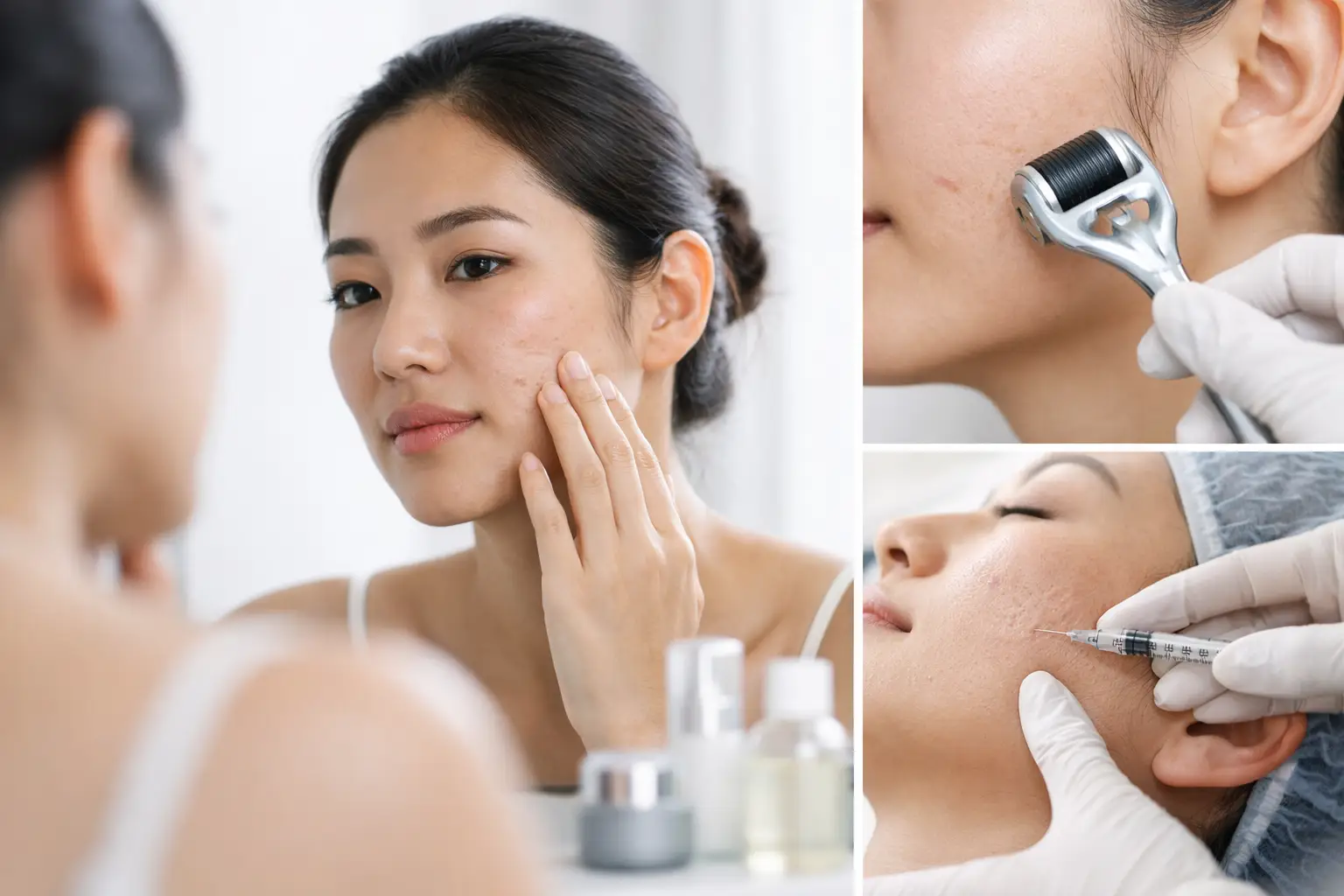
Distinct from structural dermal fillers, hydration-focused hyaluronic acid micro-injections (frequently referred to generically as skin hydrators or skin boosters) utilize uncross-linked or minimally cross-linked hyaluronic acid. These formulations are not designed to provide structural volume, alter facial contours, or fill deep folds. Instead, they are administered via multiple shallow injections directly into the dermis. The intended mechanism is to replenish the skin’s internal reservoir of hyaluronic acid, thereby improving overall dermal hydration, skin texture, and elasticity from within. By dispersing the hyaluronic acid evenly across a broad area, this modality aims to improve the physiological environment of the skin over an extended period.
Determining Suitability and Treatment Indications
Not all individuals are ideal candidates for hyaluronic acid face treatments. A comprehensive medical assessment is necessary to determine whether a specific treatment aligns with an individual’s anatomical needs, medical history, and aesthetic objectives.
Assessing Dermatological Needs
Suitability for hyaluronic acid treatments depends heavily on the primary concern being addressed. Patients experiencing age-related volume loss in the midface, noticeable nasolabial folds, or thinning lips may be assessed for cross-linked hyaluronic acid fillers. Conversely, individuals whose primary concerns involve generalized skin dullness, textural irregularities, or subjective feelings of dry skin that are unresponsive to topical moisturizers may be evaluated for hydration-focused micro-injections. In many clinical scenarios, a combination of modalities may be discussed. The practitioner will evaluate the patient’s skin thickness, degree of laxity, and overall tissue viability to recommend an appropriate treatment pathway.
Contraindications and Medical Limitations
There are strict medical contraindications for any injectable hyaluronic acid treatment. Individuals who are pregnant or breastfeeding are universally advised against undergoing these procedures due to a lack of clinical studies establishing safety in these populations. Furthermore, patients with active skin infections, such as severe acne breakouts, cold sores (herpes simplex virus), or bacterial infections in the intended treatment area, must wait until the condition has fully resolved to minimize the risk of spreading the pathogen. Individuals with a known hypersensitivity or severe allergic reaction to hyaluronic acid, or specific proteins used during their manufacturing process, are not suitable candidates. Additionally, patients with systemic autoimmune disorders or those taking blood-thinning medications require careful medical evaluation, as these factors may alter healing times or increase complication risks.
The Clinical Process: From Assessment to Aftercare
The administration of injectable hyaluronic acid is a medical procedure that must be conducted methodically, prioritizing patient safety, anatomical precision, and informed consent.
Comprehensive Medical Consultation
The process begins with an in-depth clinical consultation. During this phase, the medical practitioner will record the patient’s comprehensive medical history, including past aesthetic procedures, underlying medical conditions, and current medications or supplements. A physical examination of the face is conducted to analyze facial proportions, skin quality, dynamic muscle movements, and underlying bone structure. It is during this consultation that the practitioner explains the proposed treatment plan, discusses the specific type of hyaluronic acid to be used, and outlines the rationale. The practitioner must clearly outline what the treatment may help achieve, while establishing that results vary between individuals and cannot be guaranteed.
Clinical Procedure Protocols
On the day of the procedure, the treatment area is thoroughly cleansed and disinfected using medical-grade antiseptic solutions to maintain a sterile environment. A topical anesthetic cream is frequently applied to the skin prior to the procedure to reduce physical discomfort. Many modern hyaluronic acid injectables also contain a local anesthetic agent formulated directly into the gel to further manage pain during administration. Depending on the targeted layer of tissue and the desired outcome, the practitioner may utilize ultra-fine medical needles or blunt-tipped micro-cannulas to deliver the hyaluronic acid. Cannulas are often employed in certain areas to minimize tissue trauma and reduce the probability of encountering blood vessels.
Managing Expectations and Post-Treatment Care
Following the administration of the injections, the practitioner carefully assesses the area and may perform gentle external massage to ensure the smooth distribution of the product beneath the skin. Patients are then provided with comprehensive post-treatment instructions. Typically, these instructions advise patients to refrain from strenuous physical exercise, excessive alcohol consumption, and exposure to intense heat (such as saunas or prolonged sun exposure) for an initial period to minimize the exacerbation of swelling or bruising. Patients must understand that the longevity of results depends heavily on the specific formulation used, the anatomical area treated, and the individual’s unique baseline metabolism. Hyaluronic acid is eventually broken down and metabolized by the body’s natural enzymes; therefore, none of these treatments represent permanent interventions.
If you’re exploring effective treatments for your face, you might find it interesting to read about some common skincare myths that could be affecting your glow. For instance, many people believe that late-night skincare routines are unnecessary, but this article sheds light on why they can be crucial for maintaining healthy skin. You can check out the details in this insightful piece on late-night skincare myths that might be holding you back from achieving the radiant complexion you desire.
Recognizing Potential Risks and Safety Considerations
| Treatment Type | Duration | Frequency | Results |
|---|---|---|---|
| HA Treatment for Face | 30-60 minutes | Every 4-6 months | Improved skin hydration, reduced wrinkles, and enhanced facial volume |
While hyaluronic acid treatments possess an established safety profile within the realm of aesthetic medicine, they are minimally invasive medical procedures and carry inherent risks. A proper understanding of both common side effects and rare complications is necessary for informed consent.
Anticipated Post-Procedural Responses
Following any procedure that breaches the skin barrier, localized inflammatory responses are to be expected. The most frequently reported temporary side effects include erythema (redness), localized swelling, tissue tenderness, and bruising at the injection sites. The mechanical action of the needle, combined with the introduction of a foreign substance, naturally triggers the body’s local immune response. The water-attracting nature of hyaluronic acid may also cause additional localized fluid retention in the days immediately following the procedure. These common reactions are generally transient and typically resolve independently within a few days to two weeks, though recovery times will naturally vary between individuals.
Severe Complications and Management
Though statistically uncommon, severe complications can occur, underscoring the necessity of undergoing treatments in a clinical setting. Deep tissue infections or the formation of granulomas (inflammatory nodules caused by the immune system reacting to the filler material) represent significant medical events requiring prompt intervention. The most severe, albeit rare, risk associated with injectable treatments is vascular occlusion. This occurs if the hyaluronic acid gel is inadvertently injected directly into an artery, or if excessive material causes external compression of blood vessels, thereby obstructing natural blood flow. If left unrecognized, restricted circulation can lead to localized tissue necrosis (tissue death) or, in extremely rare vascular pathways, visual impairments.
The Role of Hyaluronidase in Risk Management
One of the primary reasons hyaluronic acid is utilized extensively in aesthetic medicine is the availability of a specific reversal agent. Hyaluronidase is a prescription enzyme capable of rapidly degrading and dissolving exogenous hyaluronic acid. In the event of a suspected vascular occlusion, or if severe aesthetic complications such as prominent lumps or over-correction occur, a medical professional can administer hyaluronidase injections to dissolve the filler and restore regular blood flow or correct the aesthetic irregularity. The capability to potentially reverse an adverse outcome is a critical component of risk management, further highlighting why these procedures must be performed by appropriately trained medical personnel capable of both identifying and treating complications.
In summary, hyaluronic acid face treatments offer varied methods for addressing concerns related to skin aging, structural volume loss, and dermal hydration. The distinction between superficial skincare, deep structural fillers, and hydration micro-injections relies on the specific structural formulation and the targeted tissue depth. While these interventions may help improve the appearance and condition of the skin, they possess inherent clinical risks and limitations. Results will inherently vary depending on the individual’s physiology. Any individual considering aesthetic interventions should seek a thorough assessment from a licensed medical practitioner to ensure that the chosen procedure aligns with their anatomical requirements and accurately reflects realistic clinical parameters.
FAQs
What is HA treatment for the face?
HA treatment for the face refers to the use of hyaluronic acid, a naturally occurring substance in the body, to add volume and hydration to the skin. It is commonly used in dermal fillers to reduce the appearance of wrinkles and fine lines, as well as to enhance facial contours.
How does HA treatment work?
Hyaluronic acid attracts and retains moisture, which helps to hydrate the skin and add volume. When used in dermal fillers, HA is injected into the skin to plump up areas that have lost volume due to aging or other factors. This can help to smooth out wrinkles and create a more youthful appearance.
What are the benefits of HA treatment for the face?
The benefits of HA treatment for the face include reducing the appearance of wrinkles and fine lines, adding volume to the cheeks and lips, improving facial contours, and hydrating the skin. HA treatments are also non-invasive and require minimal downtime.
Are there any side effects or risks associated with HA treatment?
Common side effects of HA treatment for the face may include redness, swelling, bruising, and tenderness at the injection site. These side effects are usually mild and temporary. In rare cases, more serious side effects such as infection or allergic reaction may occur.
How long do the results of HA treatment last?
The duration of HA treatment results can vary depending on the specific product used and individual factors such as metabolism and lifestyle. Generally, the effects of HA fillers can last anywhere from 6 months to 2 years. Regular maintenance treatments may be needed to sustain the results.