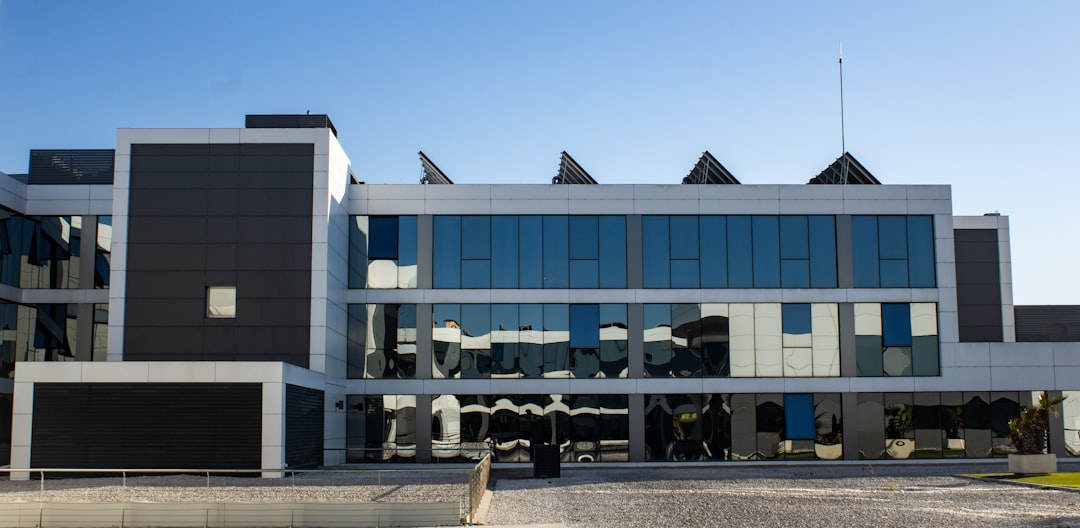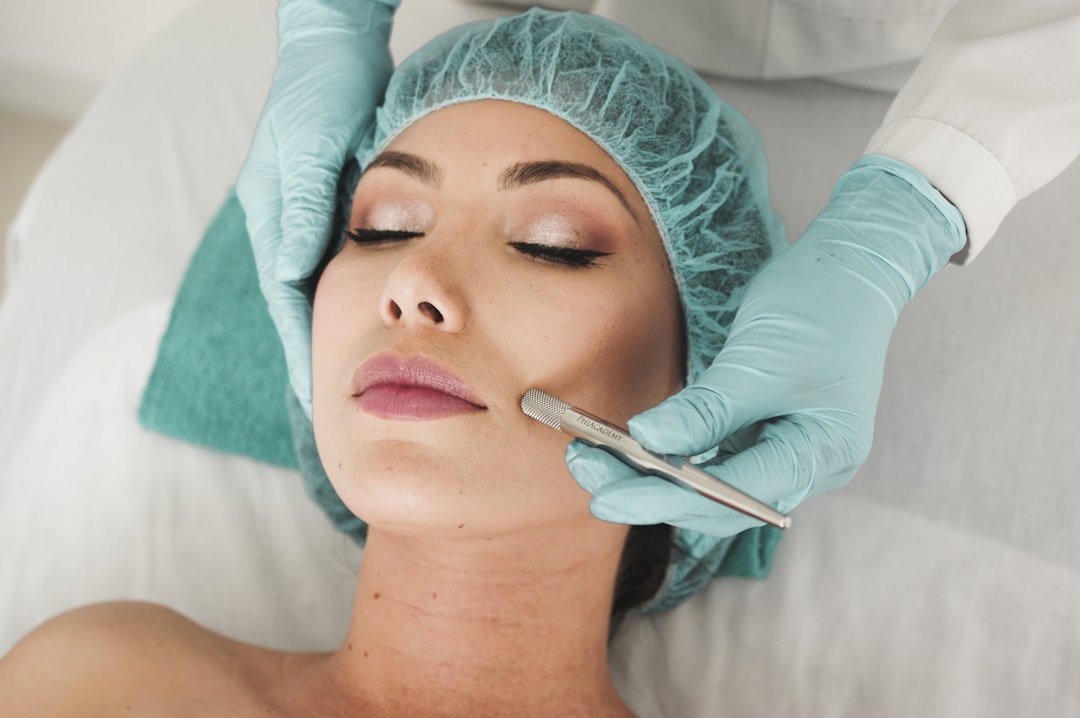
If you are trying to improve your skin texture, treat a persistent condition, or simply maintain your current skin health, South Coast Dermatology and Cosmetic Center offers a comprehensive approach. Revitalizing your skin here involves a combination of medical diagnosis and cosmetic treatments. Rather than relying on guesswork in the skincare aisle, a visit to this center provides you with an evidence-based plan tailored to your specific skin profile.
Navigating the world of skincare alone can be overwhelming. With thousands of products and treatments available, it is hard to know what actually works. By consulting with board-certified dermatologists and trained aesthetic providers, you get access to clinical-grade treatments and expert advice. This guide breaks down exactly what services are provided, how the treatments work in practice, and what you can expect when you walk through their doors.
Walking into a dermatology and cosmetic center for the first time should feel productive and informative. The providers at South Coast Dermatology prioritize understanding your unique skin profile before recommending any interventions.
The Initial Consultation Process
When you first arrive, the focus is heavily on information gathering. Your provider will sit down with you to discuss your medical history, any prescription medications you are currently taking, and your primary skin concerns. They will want to know if you are dealing with pain, itching, or purely aesthetic frustrations.
This conversation is usually followed by a physical examination of your skin. The dermatologist will look closely at your skin type, any visible sun damage, and active flare-ups. They often use a dermatoscope—a handheld magnifying tool with a built-in light—to get a closer look at the structures just beneath the surface of your skin.
Reviewing Your Current Routine
Be prepared to talk about what you put on your face and body every day. Providers usually ask you to list the cleansers, moisturizers, serums, and sunscreens you currently use.
Often, people are unknowingly using products that irritate their skin barrier or counteract each other. By reviewing your daily habits, the dermatologist can pinpoint if a specific ingredient is causing your skin to react poorly, or if you are simply missing a crucial step in your regimen.
Building a Custom Treatment Strategy
Skin is highly individual, so a generic approach rarely yields good results. Once the physical evaluation and routine review are complete, the provider builds a strategy specifically for your lifestyle and goals.
This plan might include prescription medications, in-office cosmetic procedures, or simply a streamlined change in your daily skincare routine. The goal is to address the root cause of your skin issues practically, rather than just masking the surface symptoms.
At South Coast Dermatology and Cosmetic Center, patients can explore a range of advanced treatments for skin rejuvenation, including non-surgical options that leverage the latest technologies in aesthetic medicine. For those interested in understanding the future of these innovations, a related article titled “Emerging Technologies in Aesthetic Medicine: What’s Next for Non-Surgical Skin Rejuvenation” provides valuable insights into the evolving landscape of cosmetic procedures. You can read the article [here](https://lazzaesthetic.com.sg/emerging-technologies-in-aesthetic-medicine-whats-next-for-non-surgical-skin-rejuvenation/).
Core Medical Dermatology Services
Before looking at cosmetic upgrades, it is important to ensure your skin is fundamentally healthy. South Coast Dermatology handles a wide range of medical skin conditions, prioritizing your physical health and comfort.
Managing Adult and Teen Acne
Acne is not just a teenage issue; many adults deal with hormonal, cystic, or stress-induced breakouts well into their thirties and forties. The center treats acne through a variety of targeted methods rather than relying on harsh, drying over-the-counter washes.
Treatment plans often include topical retinoids to speed up cell turnover, topical antibiotics to kill acne-causing bacteria, and sometimes oral medications to regulate hormones. For stubborn cases, providers may perform in-office extractions or recommend specific light therapies to calm active inflammation.
Comprehensive Skin Cancer Screenings
Regular skin checks are a crucial part of long-term health maintenance. The dermatologists at the center perform thorough, full-body exams to look for suspicious moles, changing freckles, or new lesions.
If they find something unusual, they can perform a biopsy right in the office. This usually involves numbing the area and taking a tiny sample of the skin to send to a lab. Catching skin cancer early—whether it is basal cell carcinoma, squamous cell carcinoma, or melanoma—drastically improves treatment outcomes and minimizes the need for extensive surgery.
Treating Psoriasis and Eczema
Chronic conditions like psoriasis and eczema require ongoing management. These conditions cause dry, itchy, and scaly patches that can be physically uncomfortable and disruptive to your daily life.
Treatments at the clinic range from strong prescription steroid creams for localized flare-ups to newer biologic medications. Biologics are injectable medications that target the specific parts of the immune system responsible for the inflammation, offering significant relief for severe cases.
Addressing Hair Loss and Scalp Health
Dermatology extends past the skin on your face and body; it also includes your hair and nails. Many patients visit the center for sudden or gradual hair loss, known medically as alopecia.
Providers will run blood tests or perform scalp biopsies to determine if the hair loss is genetic, stress-related, or caused by an underlying medical condition. Treatments can include topical minoxidil, prescription oral medications, or corticosteroid injections directly into the scalp to stimulate the hair follicles.
Cosmetic Procedures for Skin Rejuvenation
Once medical concerns are managed and your skin is healthy, you might look to improve its texture, tone, and overall appearance. The cosmetic center offers several procedures designed to revitalize aging or sun-damaged skin.
Understanding Neuromodulators and Fillers
Injectables are typically divided into two categories: neuromodulators and dermal fillers. Neuromodulators, such as Botox or Dysport, work by temporarily relaxing the specific facial muscles that cause dynamic wrinkles. This is highly effective for smoothing out horizontal forehead lines and the crow’s feet around the eyes.
Dermal fillers operate differently. Often made of a synthetic version of hyaluronic acid—a sugar naturally found in your body—fillers are used to restore lost volume. As we age, our faces naturally lose underlying fat and bone density. Providers strategically inject filler to subtly plump up areas like the cheeks, lips, and the nasolabial folds around the mouth.
The Mechanics of Laser Skin Resurfacing
Laser treatments use focused columns of light to target specific skin issues. Ablative lasers remove the thin outer layer of skin entirely and heat the underlying dermal tissue. This intense process forces the body to heal itself, creating fresh skin and new collagen. It is highly effective for deep wrinkles and severe acne scars, though it does require a week or two of recovery downtime.
Non-ablative lasers are less invasive. They leave the surface of the skin intact while heating the tissue below. Because the surface is not broken, this requires a much shorter recovery period. Non-ablative lasers are generally used for mild to moderate skin texture issues, fine lines, and lingering pigmentation.
Microneedling and Platelet-Rich Plasma (PRP)
Microneedling involves using a medical-grade device fitted with fine needles to create tiny, controlled punctures in the top layer of the skin. This triggers the body’s natural wound-healing cascade, resulting in cellular turnover and increased collagen and elastin production.
Often, microneedling is paired with Platelet-Rich Plasma (PRP) therapy. For this, a provider draws a small amount of your blood, spins it in a centrifuge to isolate the growth factors, and applies that serum to your face during the microneedling process. This drastically speeds up healing time and improves the overall structural results of the treatment.
Custom Chemical Peels
Chemical peels achieve a similar exfoliating goal but use acidic solutions instead of physical needles. The provider applies a chemical solution—usually containing glycolic, salicylic, or trichloroacetic acid—that causes the dead surface skin to eventually peel off.
Peels come in different depths depending on how much correction your skin needs. A light peel requires almost no downtime and gives you a quick glow. A medium or deep peel targets deeper hyperpigmentation and sun damage, requiring several days of peeling and careful aftercare.
Advanced Technologies in Skin Care

Technology in the dermatology field advances quickly. South Coast Dermatology integrates modern equipment to offer minimally invasive options that provide measurable, predictable results without the need for surgery.
Non-Surgical Skin Tightening
If you are noticing skin laxity along your jawline or neck but are not ready for a surgical facelift, non-surgical tightening devices offer a practical middle ground. These machines typically use radiofrequency (RF) or ultrasound energy.
The energy passes through the surface of the skin and deeply heats the underlying dermal layers. This targeted heat causes existing collagen fibers to contract immediately, offering a slight lift. More importantly, it stimulates the production of new collagen over the following three to six months, leading to gradually firmer, tighter skin.
Intense Pulsed Light (IPL) Therapy
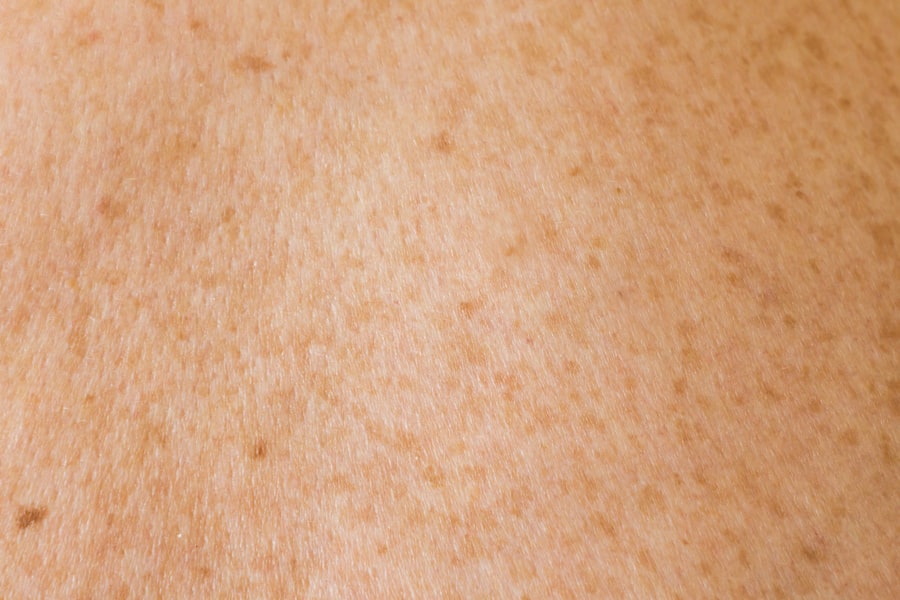
IPL is often confused with a laser, but it operates differently. Instead of a single focused wavelength of light, IPL uses broad-spectrum light to target various chromophores in the skin, such as melanin (which causes brown spots) and hemoglobin (which causes redness).
It is particularly useful for clearing up superficial sun damage, freckles, and broken capillaries around the nose and cheeks. A typical IPL session takes about thirty minutes. Afterward, the targeted dark spots will usually look a bit like coffee grounds before naturally flaking off a few days later.
Body Contouring and Fat Reduction
Revitalizing your skin sometimes extends to the contours of your body. The center often utilizes non-invasive fat reduction technologies to address stubborn pockets of fat that do not respond to diet and exercise.
Methods like cryolipolysis work by freezing fat cells without damaging the overlying skin. Because fat cells freeze at higher temperatures than skin cells, the cold temperature destroys the fat cells. Over the next few weeks, your lymphatic system naturally processes and eliminates these dead cells from the body, resulting in a slimmer silhouette.
At South Coast Dermatology and Cosmetic Center, patients often seek advanced treatments for smoother skin, which is why a recent article on regional botulinum in Singapore provides valuable insights into the benefits and applications of this popular procedure. For those interested in exploring effective options for skin rejuvenation, this comprehensive guide can be found here. Understanding the latest techniques and their outcomes can help individuals make informed decisions about their skincare journey.
Maintaining Your Results at Home
| Metrics | Value |
|---|---|
| Number of Patients Served | 5000 |
| Number of Dermatology Procedures | 3000 |
| Number of Cosmetic Procedures | 2000 |
| Number of Staff Members | 15 |
The clinical work done in the dermatologist’s office is only half the equation. How you treat your skin in your own bathroom determines how long your clinical results will last and how well your skin ages over time.
Choosing the Right Skincare Products
You do not need a complicated, twelve-step routine to maintain healthy skin. In fact, using too many products can damage your moisture barrier. The providers at South Coast can help you strip your routine down to a few high-quality, effective essentials.
They often recommend switching from standard drugstore products to medical-grade skincare. A gentle cleanser, a moisturizer suited to your specific skin type, and a reliable active ingredient are usually all you need. For example, applying a vitamin C serum in the morning helps protect against environmental free radicals, while a prescription retinoid at night keeps cell turnover high and pores clear.
The Importance of Daily Sun Protection
Sun exposure is the single leading cause of premature aging, wrinkles, and skin cancer. Even if you invest heavily in advanced cosmetic procedures, failing to wear sunscreen will quickly undo all of those expensive results. Ultraviolet A (UVA) rays cause aging, while Ultraviolet B (UVB) rays cause burning.
Your provider will recommend wearing a broad-spectrum sunscreen with an SPF of at least 30 every single day, rain or shine. Mineral sunscreens containing zinc oxide or titanium dioxide are frequently suggested for sensitive or post-procedure skin. These ingredients sit on top of the skin and physically reflect UV rays, making them less irritating than chemical sunscreens that absorb the rays.
Timing Your Follow-Up Visits
Skin revitalization is not a one-time, overnight event. It is a continuous process of maintenance and adjustment as your skin naturally changes with age, hormonal shifts, seasons, and lifestyle factors.
Before you leave the center, you will usually set up a schedule for your follow-up visits. This might mean coming back in four weeks to check on the progress of a new acne medication, or returning in six to nine months for a touch-up on your neuromodulators. By keeping an open line of communication with your dermatologist, you can ensure your skin remains healthy, functional, and refreshed year-round.