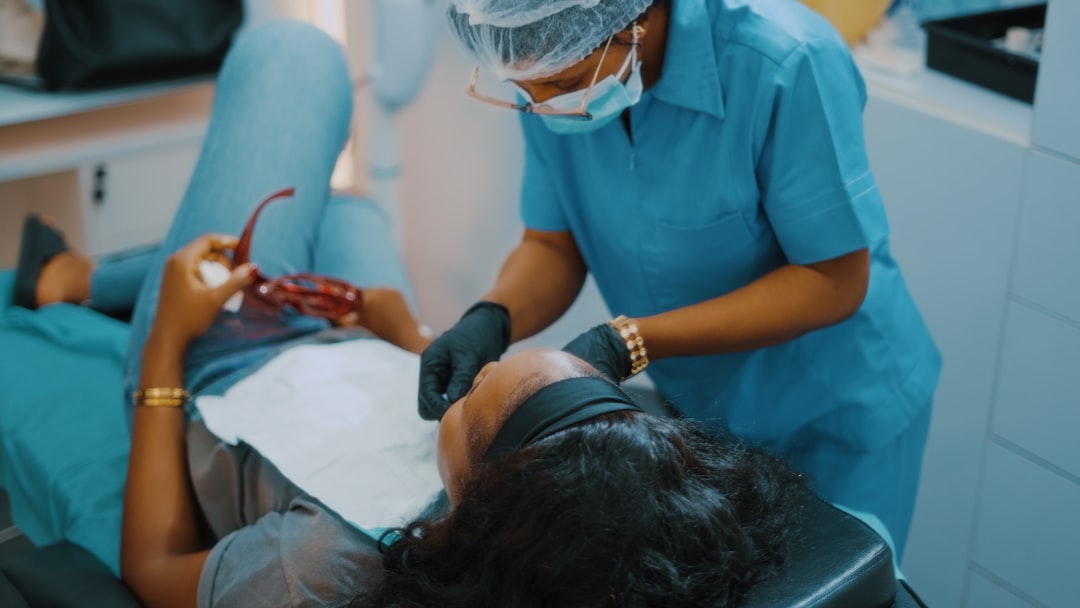
Finding the right aesthetic clinic near you comes down to evaluating credentials, reviewing verifiable patient outcomes, and understanding a clinic’s safety protocols. If you want a quick answer on how to start: look for a medical director who is a board-certified dermatologist or plastic surgeon, seek out unedited before-and-after photos with consistent lighting, and prioritize providers who require a thorough, in-person consultation before touching your skin.
You are looking for a safe, highly skilled medical environment, not just the most convenient location or the lowest price. Aesthetic treatments involve medical procedures that carry real risks. Treating your search with the same rigor you would use to find a primary care doctor or a specialist is the most practical approach.
Here is a detailed breakdown of how to vet your local options and find a clinic that will deliver safe, effective results.
The term “best” is subjective, but in aesthetic medicine, it translates to safety, expertise, and consistent results. The top clinic for you is the one that aligns with your specific goals while maintaining strict medical standards.
Credentials Over Geography
It is tempting to choose a clinic simply because it is a five-minute drive from your house. However, convenience should be the last factor on your list. Start by looking at the credentials of the people who will actually be performing the procedures.
State laws vary wildly regarding who can legally inject dermal fillers or operate a class IV laser. In some areas, an aesthetician can operate a laser; in others, it requires a registered nurse or a doctor. Look for clinics where the staff consists of board-certified dermatologists, board-certified plastic surgeons, or highly specialized nurse practitioners (NPs), physician assistants (PAs), and registered nurses (RNs) who work under close medical direction. “Board-certified” means the practitioner has completed rigorous, standardized training and passed exams in their specific specialty.
Specialization Matters
Aesthetic medicine is a broad field. A clinic might have an incredible reputation for body contouring but lack the specialized skill required for complex tear-trough dermal fillers.
When researching, look for a clinic’s core competency. If you want a non-surgical rhinoplasty, you need an injector who does that specific, high-risk procedure multiple times a week. If you are looking for acne scar revision, you want a clinic that invests heavily in various laser and microneedling technologies. Do not assume that a clinic that is good at one thing is automatically excellent at everything.
If you’re looking for effective non-surgical options to enhance your appearance, you might find this article on HIFU treatment particularly insightful. It discusses how this innovative technique can provide a youthful look without the need for invasive procedures. For more information, you can read the article here: HIFU Treatment: Non-Surgical Face Lifting for a Youthful Look.
How to Research Clinics in Your Area
A simple internet search for “aesthetic clinic near me” will yield dozens of results, mostly driven by who spends the most on local search engine optimization. You have to dig deeper than the first page of map results.
Analyzing Patient Reviews
Star ratings on Google or Yelp only tell a fraction of the story. You need to read the actual text of the reviews to gauge how the clinic operates. Pay close attention to reviews that mention the consultation process. Did the patient feel listened to? Did the provider explain the risks?
More importantly, look for reviews that mention how the clinic handles things when they do not go perfectly. Complications happen even in the best hands. A clinic that responds to a dissatisfied patient quickly, brings them back in for an assessment, and works to resolve the issue is a clinic you can trust. You should also check dedicated aesthetic review platforms like RealSelf, where patients often post detailed accounts of their healing processes and specific provider names.
Evaluating Before-and-After Galleries
A clinic’s portfolio is its visual resume. However, before-and-after photos can be highly misleading if you do not know what to look for.
When evaluating a gallery, look for consistency. The “before” and “after” photos should have the exact same lighting, the same camera angle, and the same facial expression. If the patient is frowning under harsh fluorescent light in the before photo, and smiling in soft, warm light in the after photo, the clinic is using photography tricks to exaggerate the result. Additionally, make sure the photos are of the clinic’s actual patients, not stock images provided by the manufacturer of the laser or the filler.
Red Flags to Watch Out For
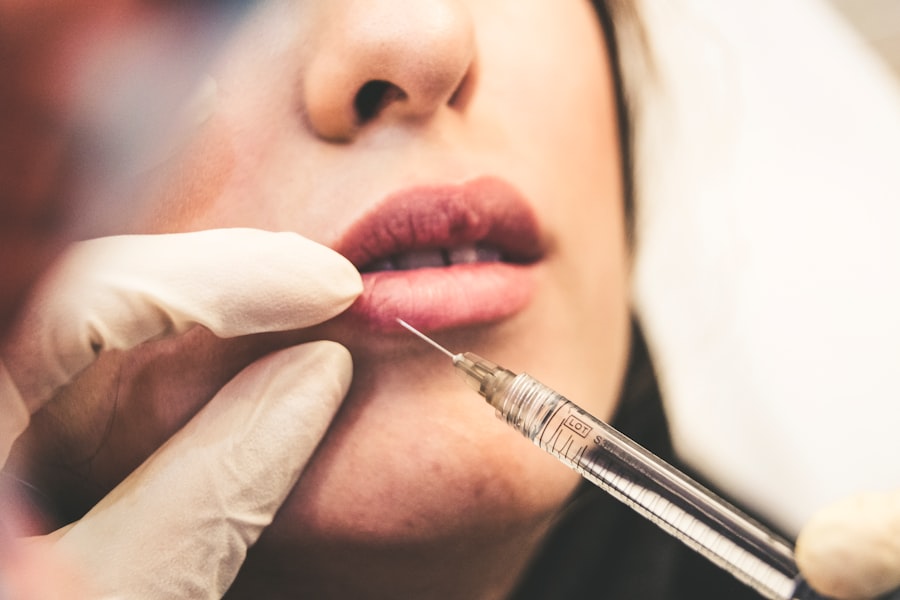
Knowing what to avoid is just as important as knowing what to look for. The aesthetic industry is lucrative, which unfortunately attracts businesses that prioritize profit over patient safety.
High-Pressure Sales Tactics
Aesthetic treatments are elective medical procedures. You should never feel pressured into making a decision on the spot. If a clinic tells you that a “special price” is only valid if you book today, or if they try to upsell you aggressively during your consultation for a completely different treatment, walk away. A reputable provider will give you a treatment plan, outline the costs, and encourage you to go home and think about it.
Unusually Low Prices
Bargain hunting has no place in aesthetic medicine. The cost of a procedure includes the price of the product (like Botox or filler), the cost of the consumable materials, the maintenance of the equipment, and the expertise of the provider.
If a clinic is offering injectables or laser treatments at a price significantly lower than the local average, they are cutting corners. They might be over-diluting neurotoxins, buying counterfeit products from overseas, or using outdated, poorly maintained equipment. You are paying for the practitioner’s knowledge of facial anatomy and their ability to handle an emergency, not just the liquid in the syringe.
Vague Answers About Equipment
If you are going in for a laser, ultrasound, or radiofrequency treatment, the clinic should be transparent about the exact technology they use. If you ask what kind of laser they use for hair removal and the answer is just “a standard laser,” that is a red flag. Reputable clinics are proud of their technology investments. They should be able to tell you the brand, the wavelength, and why that specific device is safe for your skin type.
Preparing for Your Initial Consultation

The consultation is your opportunity to interview the provider. Many top-tier clinics charge a consultation fee. This is standard practice and often applied to the cost of your treatment. It ensures the provider can block out adequate time to assess you without having to rush to the next patient.
Questions You Need to Ask
Go into your consultation with a list of direct questions. Ask the provider how long they have been performing the specific procedure you are interested in. Ask them to explain the potential risks and side effects.
One of the most critical questions you can ask an injector is: “What is your protocol if a vascular occlusion occurs?” A vascular occlusion is a rare but serious emergency where filler enters a blood vessel. A qualified provider will have an emergency kit on hand, including an dissolving agent like hyaluronidase, and will be able to explain their emergency protocol calmly and clearly.
Assessing the Clinic Environment
Take note of the environment from the moment you walk in. While many aesthetic clinics look like high-end spas, they are still medical facilities. The treatment rooms should be impeccably clean. The provider should wash their hands and put on fresh gloves in front of you. They should clean your skin thoroughly with medical-grade antiseptic before any needle or laser touches your face. If the environment feels chaotic, unhygienic, or overly casual, do not proceed with treatment.
If you’re considering enhancing your appearance before the Lunar New Year, it’s essential to know when to start your laser treatments for optimal results. For more insights on preparing your skin, you can check out this informative article on preparing your skin for the festivities. This resource provides valuable tips and timelines to ensure you look your best as you celebrate the season.
Understanding Clinic Expertise by Treatment Type
| Clinic Name | Location | Services Offered | Contact Information |
|---|---|---|---|
| Beauty Clinic A | Downtown | Botox, Fillers, Laser Treatments | 123-456-7890 |
| Glamour Clinic B | Midtown | Facials, Chemical Peels, Microdermabrasion | 456-789-0123 |
| Radiance Clinic C | Uptown | Laser Hair Removal, Skin Tightening, Body Contouring | 789-012-3456 |
Your vetting process should change slightly depending on the exact treatment you are seeking. Different procedures carry different risks and require different skill sets.
Injectables: Neuromodulators and Fillers
When looking for an injector, you want someone who prioritizes a conservative approach. Good aesthetic work should be undetectable. The provider should assess your face in motion, not just statically, to understand how your muscles move. They should have a deep understanding of the underlying vascular network, fat pads, and bone structure of the face. Avoid providers who offer a “menu” of standard doses; every face requires a customized approach.
Laser and Light Therapies
Laser treatments require a deep understanding of skin typing, specifically the Fitzpatrick scale. Different skin tones react very differently to heat and light. A laser that safely removes pigmentation on very pale skin can cause severe burns or permanent hyperpigmentation on darker skin tones. A good clinic will have multiple different lasers (such as Nd:YAG for darker skin and Alexandrite for lighter skin) rather than trying to use a single machine for every patient that walks through the door.
Skin Resurfacing and Microneedling
Treatments that break the surface of the skin, like medical-grade microneedling or ablative lasers, require strict sterile protocols to prevent infection. The clinic should provide you with a very clear timeline of the healing process, detailing exactly what you will look like on day one, day three, and day seven. They should also supply or clearly recommend specific aftercare products, as your skin barrier will be compromised and vulnerable after these procedures.
If you’re exploring options for aesthetic clinics near you, it’s essential to stay informed about various skin concerns and their treatments. One common issue many people face is hyperpigmentation, which can be effectively managed with the right approach. For valuable insights on this topic, you can check out this informative article on managing hyperpigmentation that offers tips and treatments to help you achieve a clearer complexion.
Managing Your Expectations and Timelines
A major sign of a high-quality aesthetic clinic is how they manage your expectations. A good provider will be honest about what a treatment can and cannot achieve.
Immediate vs. Gradual Results
Some treatments, like dermal fillers, offer immediate results, though swelling will distort the final look for a few weeks. Other treatments, like collagen-stimulating injectables, microneedling, or radiofrequency treatments, rely on your body’s natural healing response. These take months to show their full effect. A reputable clinic will explain this timeline clearly so you are not left wondering why you do not see a difference three days after your appointment.
Maintenance and Longevity
No aesthetic treatment is permanent. Your provider should outline exactly how long a treatment is expected to last and what the maintenance schedule looks like. They should work with you to create a realistic, long-term treatment plan that fits both your aesthetic goals and your budget, rather than promising a permanent fix.
Making Your Final Decision
After researching, reading reviews, and attending a consultation, it is time to make a decision based on facts and your own comfort level.
Evaluating the Treatment Plan
Look at the proposed plan objectively. Does it address your specific concerns, or does it include a bunch of extra services you never asked for? The best providers will often tell you “no.” If you ask for a treatment that will not suit your anatomy or might compromise your facial harmony, a good practitioner will refuse to do it and explain why. If a clinic agrees to every single demand you make without offering medical guidance, they view you as a transaction, not a patient.
Planning for Follow-up Care
Finally, before you agree to any procedure, ensure the clinic has a robust follow-up system. Ask who you should contact if you experience severe pain, unusual swelling, or skin discoloration after hours. A top-tier clinic will have an on-call provider or a direct emergency line for post-procedure complications. You should never be left to guess whether a side effect is normal or an emergency.
Taking the time to evaluate a clinic on these practical, medical, and safety-oriented criteria ensures that you will find a provider who will take care of your health while helping you achieve the aesthetic results you want. Focus on education, ask direct questions, and trust your assessment of their clinical standards.