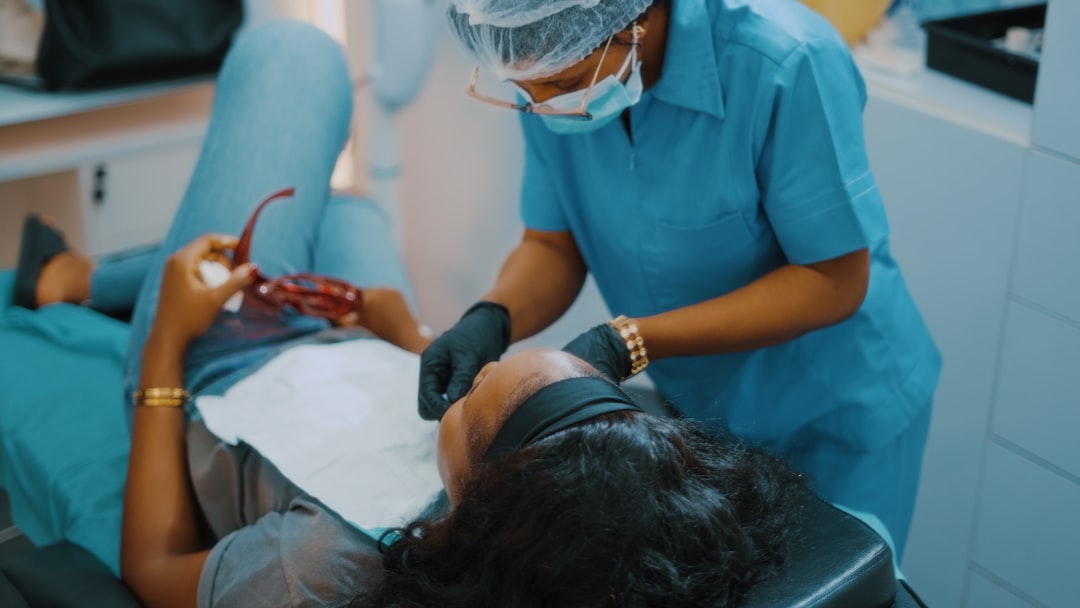
Lip injections involve carefully placing dermal fillers into the lip tissue to increase volume, adjust shape, correct asymmetry, or smooth out fine lines. The most common and safest fillers used at clinics today are made of hyaluronic acid.
A standard appointment takes about 45 minutes from consultation to checkout, with the actual injecting taking 10 to 15 minutes. Results are immediate, though initial swelling will distort the final look. Your true results settle in after about two weeks. Depending on your metabolism and the specific product used, lip fillers typically last between six and twelve months before your body naturally dissolves them.
If you are considering visiting a clinic to change the shape or volume of your lips, knowing exactly what to expect helps you make informed decisions and avoid botched results.
Understanding the materials used in lip augmentation is the first step in the process. Clinics have moved away from permanent options like silicone because of high complication rates. Today, temporary and reversible options are the medical standard.
The Role of Hyaluronic Acid
Most modern lip fillers are formulated with hyaluronic acid (HA). HA is a naturally occurring substance in your skin and joints that attracts and holds onto water.
When a clinic injects an HA filler—common brand names include Juvéderm and Restylane—it acts like a sponge beneath the skin. It binds to the moisture in your lip tissue, creating plumpness and structure.
Different HA fillers have different consistencies. Some are thick and structural, making them ideal for defining the vermillion border (the outline of your lips). Others are highly flexible and thin, making them better for adding soft, pillowy volume to the body of the lip without restricting your mouth’s natural movement. Your injector will choose the specific formula based on your anatomy and goals.
Alternative Filler Options
While HA is the gold standard, you might hear about other types of fillers in the aesthetic world, such as calcium hydroxylapatite or poly-L-lactic acid.
However, these are generally reserved for structural facial injections, like the cheeks or jawline. They are not recommended for lips because they carry a higher risk of forming nodules in mobile areas and cannot be easily dissolved.
Fat grafting is another alternative where a doctor harvests fat from another part of your body and injects it into your lips. While this offers a permanent result, it requires a surgical procedure and is significantly more unpredictable, as the body often reabsorbs a large portion of the transferred fat. For the vast majority of patients visiting a clinic, HA fillers are the only logical choice.
If you’re considering enhancing your appearance with lip injections, it’s essential to stay informed about the latest trends and techniques in the industry. A great resource for this is an article that discusses current trends in aesthetic treatments, which can provide valuable insights into what to expect during your visit to a lip injection clinic. You can read more about these trends in the article available at Laz Aesthetic’s What’s Trending.
How to Choose the Right Clinic and Injector
The most important variable in your lip filler journey is the person holding the needle. Lip anatomy is incredibly complex, filled with a dense network of blood vessels. Injecting lips requires medical knowledge, not just a good aesthetic eye.
Qualifications to Look For
Always look for a licensed medical professional. Depending on your region, this should be a Registered Nurse (RN), Nurse Practitioner (NP), Physician Assistant (PA), or a Medical Doctor (MD or DO).
Beyond their basic medical license, look for specialized training in facial anatomy and aesthetic injections. Ask how long they have been injecting and request to see a portfolio of their work.
When reviewing their portfolio, pay attention to healed results rather than just “immediately after” photos, which are often swollen. Look for patients with similar facial structures to yours to see how the injector handles natural proportions.
Red Flags During Your Consultation
A consultation should feel like a medical appointment, not a high-pressure sales pitch. If an injector immediately agrees to inject a massive amount of filler without discussing your baseline anatomy, take a step back.
Beware of clinics offering extreme discounts on platforms like Groupon. Filler products have a fixed base cost from the manufacturer. If the price seems suspiciously low, the clinic may be severely diluting the product, using counterfeit fillers, or letting inexperienced trainees practice on you.
Another major red flag is the absence of a thorough medical history check. Your injector needs to know about any autoimmune conditions, bleeding disorders, or previous filler treatments, as these directly impact your safety and results.
The Step-by-Step Clinic Experience

Knowing exactly what happens from the moment you sit in the chair can help lower your heart rate and make the experience much smoother.
The Initial Assessment
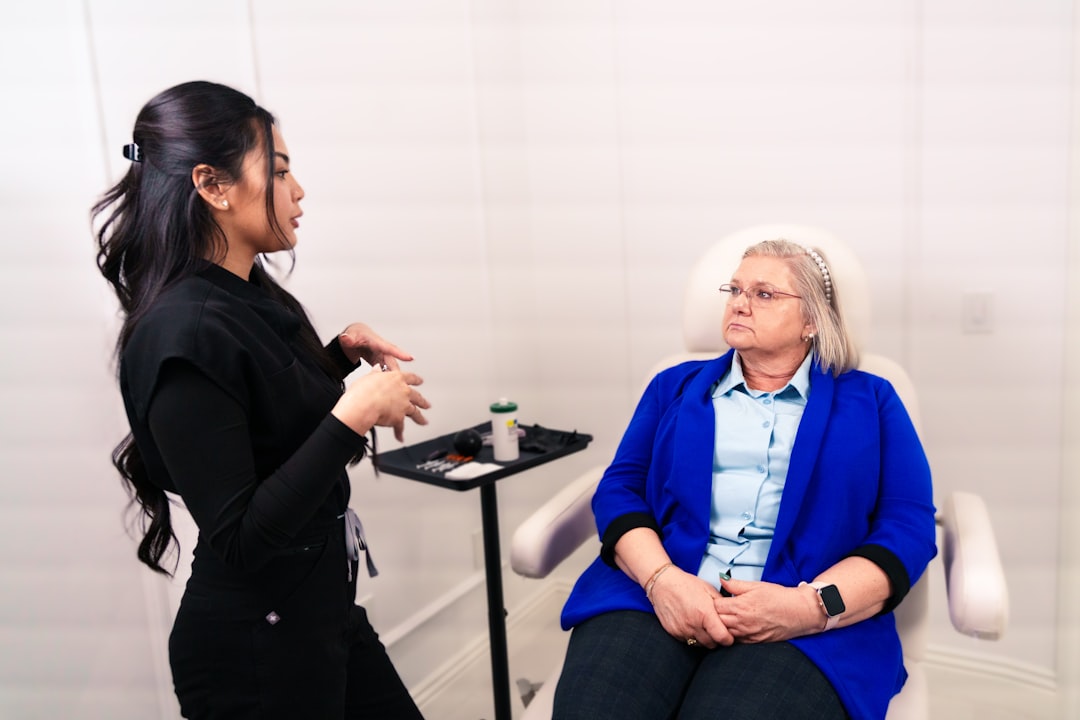
Before any needles are opened, your injector will examine your lips in motion and at rest. They will look at your dental support, the distance between your nose and top lip, and the natural ratio of your top lip to your bottom lip.
You will discuss your goals. It helps to bring reference photos, but be prepared for your injector to explain whether those results are possible for your specific anatomy. A good injector will explain exactly where they plan to place the product—such as the Cupid’s bow, the oral commissures (corners of the mouth), or the main body of the lip—to achieve the desired look.
Numbing and Prep
To manage discomfort, the clinic will usually apply a strong topical numbing cream to your lips. This stays on for 15 to 20 minutes. Your lips will feel heavy, fat, and cold once it takes effect.
Some clinics offer a dental block, which is an injection of lidocaine inside the mouth (similar to what a dentist uses) to completely numb the area. Most modern HA fillers also have powdered lidocaine mixed directly into the gel, meaning the lips get progressively more numb as the injection process continues.
Once you are numb, the injector will thoroughly clean your lips and the surrounding skin with an antiseptic like chlorhexidine or alcohol to prevent infection.
The Injection Process
There are two primary tools injectors use: needles and micro-cannulas. Needles are sharp, precise, and great for defining borders. Cannulas are blunt-tipped tubes that slide under the skin, which can sometimes reduce bruising and swelling since they don’t pierce blood vessels as easily. Many injectors use a combination of both.
You will feel a pinch when the needle breaks the skin, followed by a sensation of pressure as the gel is pushed into the tissue.
The injector will likely move around your mouth, doing a bit on the top, a bit on the bottom, and checking the symmetry. They may firmly massage your lips during the process to mold the filler and prevent lumps from forming. The active injecting part usually only takes about 10 minutes.
Managing Expectations and Pain
A lot of anxiety around lip injections comes from a misunderstanding of how the process feels and how the lips look immediately afterward.
Does It Actually Hurt?
Pain is subjective, but most people describe lip injections as uncomfortable rather than agonizing. The lips are packed with nerve endings, so it is a sensitive area.
The initial pinches at the borders of the lips, especially near the Cupid’s bow, tend to be the sharpest. As mentioned earlier, the lidocaine mixed into the filler helps significantly. By the time the injector is finishing up, you will likely feel pressure and pushing rather than sharp pain.
If you are particularly sensitive to pain, schedule your appointment away from your menstrual cycle, as pain tolerance drops significantly during that time. Avoid taking aspirin or ibuprofen beforehand to prevent excessive bruising.
The Swelling Phase vs. Final Results
When you look in the mirror immediately after the injection, your lips will look larger than the final result. Over the next 24 to 48 hours, they will swell even more.
Day two is notoriously the worst day for swelling. Your lips might look uneven, overly tight, or even slightly duck-like. This is a normal inflammatory response to the trauma of the needle and the water-binding nature of the HA filler.
Clinics advise patients to wait a full 14 days before making any judgments. By two weeks, the swelling subsides, the filler integrates with your natural tissue, and the final shape emerges.
It is also important to be aware of “lip blindness.” Because you get used to your swollen lips during the healing process, the healed, natural result might suddenly look too small to you. Trust your injector and wait a few months before deciding you need more volume.
If you’re considering enhancing your appearance through lip injections, it’s essential to understand how various factors can influence the overall look of your skin. A related article discusses the impact of facial expression habits on aging skin, which can be quite insightful for anyone looking to maintain a youthful appearance. You can read more about this topic in the article titled Beyond the Mirror: How Facial Expression Habits Impact Aging Skin. Understanding these aspects can help you make informed decisions about cosmetic procedures.
Aftercare and Maintenance
| Metrics | Value |
|---|---|
| Number of Lip Injections | 1000 |
| Customer Satisfaction Rate | 95% |
| Success Rate | 90% |
| Average Cost per Lip Injection | 300 |
How you treat your lips after leaving the clinic heavily influences your final result and the lifespan of the filler.
The First 48 Hours
Immediately after your appointment, your clinic will likely give you an ice pack. Apply it in short intervals (10 minutes on, 10 minutes off) to constrict blood vessels and limit swelling.
For the first 24 to 48 hours, avoid anything that increases blood flow to your face. This means no heavy cardiovascular exercise, no saunas, no hot yoga, and no alcohol. Elevated blood pressure will only worsen swelling and bruising.
You also need to avoid pressure on the lips. Do not drink out of straws, avoid kissing, and try to sleep elevated on your back so blood doesn’t pool in your face overnight. Keep your lips clean and avoid applying heavy lipsticks or glosses for at least 24 hours to reduce the risk of infection at the injection sites.
How Long Will Your Results Last?
Filler longevity is not an exact science; it depends heavily on your biology. The average lifespan of HA lip filler is 6 to 12 months.
Because you use your mouth constantly for talking, eating, and smiling, the filler in your lips breaks down faster than filler placed in less mobile areas like the cheeks or tear troughs. People with very fast metabolisms or those who do intense daily workouts often find their filler breaks down on the shorter end of that spectrum.
To maintain your look, you don’t need to wait until the filler is completely gone. Most patients visit their clinic once a year for a “touch-up” appointment, where the injector adds a smaller amount of product to restore the volume that has naturally dissolved.
Dissolving Fillers if You Change Your Mind
One of the greatest benefits of hyaluronic acid fillers is that they are entirely reversible. If you are unhappy with the result, if the filler shifts out of the lip border (known as migration), or if a rare complication occurs, the clinic can dissolve it.
To do this, the injector uses an enzyme called hyaluronidase. When injected into the lips, this enzyme breaks the bonds of the HA filler, turning it back into a liquid that your body flushes away within 24 to 48 hours.
Dissolving filler can cause a temporary stinging sensation and significant swelling, but it acts as a reliable safety net. Knowing that the procedure isn’t permanent gives many patients the peace of mind they need when visiting a lip injection clinic for the first time.