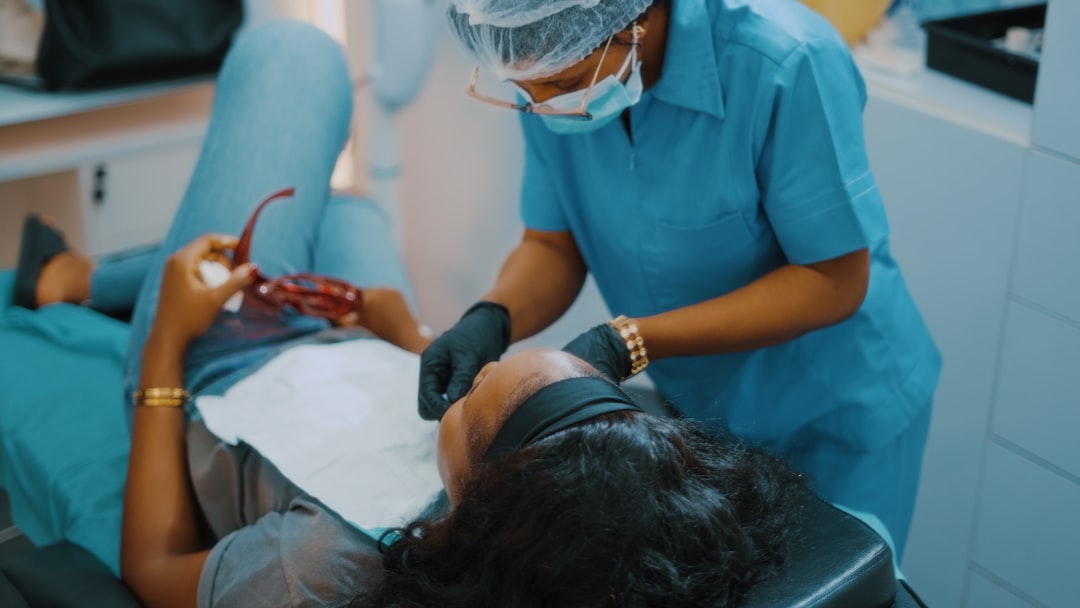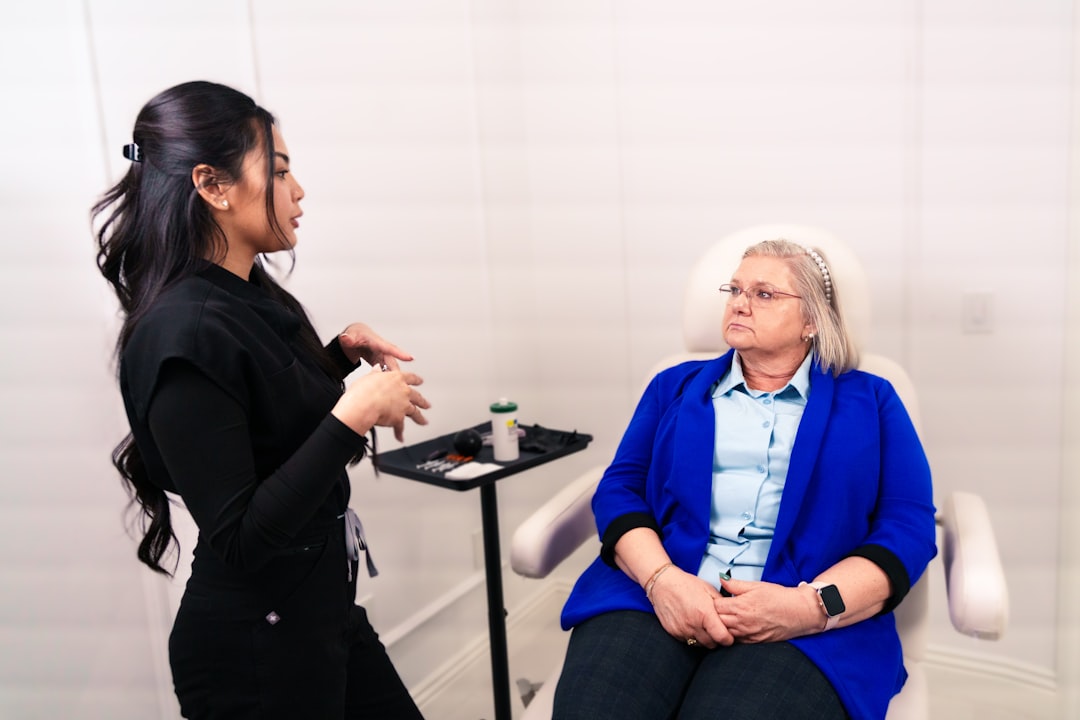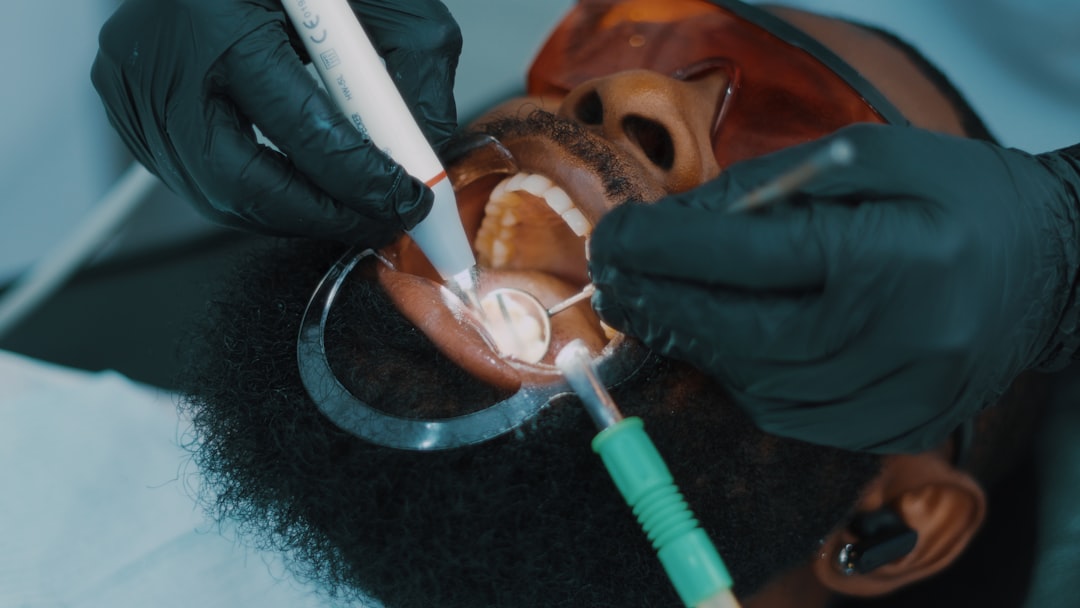
An aesthetic center is a medical facility that offers treatments designed to improve your physical appearance and overall skin health through minimally invasive procedures. If you are wondering where these centers fit in the health and beauty landscape, they sit right between a traditional day spa and a plastic surgery clinic. They combine the clinical safety and efficacy of a doctor’s office with the aesthetic focus of a spa, offering results-driven treatments like cosmetic injectables, laser skin resurfacing, and medical-grade skincare.
People visit aesthetic centers when over-the-counter creams and regular facials stop delivering the desired results, but they are not ready for, or do not need, invasive surgical procedures. These facilities focus on a concept known as “prejuvenation” and rejuvenation—maintaining the health of your skin and body, addressing signs of aging, and treating specific dermatological concerns using science-backed technology.
Here is a detailed breakdown of how aesthetic centers operate, the specific treatments they offer, and how to navigate these services safely and effectively.
To understand what an aesthetic center can do for you, it helps to understand how it operates and who runs it. These clinics are heavily regulated, and for good reason—the treatments they offer penetrate the skin and create actual physiological changes in your body.
The Difference Between a Spa and a Medical Aesthetic Center
A standard day spa focuses primarily on relaxation and surface-level beauty. You go there for a Swedish massage, a mud wrap, or a classic facial that involves steaming and gentle exfoliation. The tools used at a day spa do not breach the epidermis in a significant way, and the staff usually consists of massage therapists and standard estheticians.
An aesthetic center, often called a medspa or medical spa, focuses on clinical outcomes rather than just relaxation. While the environment is usually comfortable and upscale, the primary goal is visible, long-lasting improvement to the skin or body. The equipment used here—such as high-powered lasers, ultrasound devices, and injectables—requires medical oversight to be operated safely.
Who Works There?
The defining feature of an aesthetic center is the presence of medical professionals. Every reputable clinic operates under the license of a medical director, who is typically a board-certified dermatologist or plastic surgeon.
The day-to-day treatments are usually performed by a mix of specialized staff. Registered Nurses (RNs) and Nurse Practitioners (NPs) often handle the cosmetic injections and deeper laser treatments. Certified Medical Aestheticians handle medical-grade facials, superficial peels, and microneedling. This hierarchy ensures that whoever is performing your procedure has the specific medical training required to manage both the treatment and any potential complications.
If you’re interested in enhancing your facial aesthetics, you might find the article on the benefits of V-Shape Jaw Botulinum Skin Boosters particularly insightful. This piece delves into the science behind these innovative treatments and how they can improve your skin’s appearance. To learn more about this topic, you can read the full article here: Benefits for Your Skin: The Science Behind V-Shape Jaw Botulinum Skin Boosters.
Core Treatments for Skin Health and Rejuvenation
Most people first visit an aesthetic center to address skin concerns like acne scarring, hyperpigmentation, sun damage, or fine lines. The tools available here go far beyond what you can buy at a beauty supply store.
Medical-Grade Facials and Chemical Peels
Medical facials often utilize physical and chemical exfoliation simultaneously. A common example is a hydradermabrasion treatment, which uses a vacuum-like device to extract impurities from the pores while simultaneously pushing potent serums—like hyaluronic acid and peptides—deep into the skin.
Chemical peels in an aesthetic center use stronger acid concentrations than at-home peels. Ingredients like Trichloroacetic acid (TCA), high-percentage glycolic acid, and salicylic acid are applied to the skin to dissolve the bonds between dead skin cells. This forces the top layers of skin to peel off over several days, revealing smoother, more evenly pigmented skin underneath. The depth of the peel can be adjusted based on whether you are treating mild dullness or deep acne scars.
Laser and Light Therapies
Lasers are among the most versatile tools in an aesthetic center. They work by emitting specific wavelengths of light that target different issues in the skin.
Intense Pulsed Light (IPL) is frequently used to treat redness, rosacea, and sunspots. The light energy is absorbed by the melanin (pigment) or hemoglobin (blood) in the skin, destroying the target without damaging the surrounding tissue.
Fractional lasers, like Fraxel or CO2 lasers, are more intense. They create thousands of microscopic thermal injuries in the skin. This controlled damage tricks the body’s natural healing response into kicking in, which produces fresh collagen and elastin. It is highly effective for smoothing out deep wrinkles and textured scars, though it does require a few days of social downtime for recovery.
Microneedling and Collagen Induction
Microneedling is a mechanical way to stimulate collagen production. A device tipped with dozens of microscopic needles is stamped or glided across the skin, creating tiny puncture wounds.
Like laser therapy, this triggers the skin’s healing process. However, because it does not use heat, it is often safer for darker skin tones that might be prone to hyperpigmentation from laser heat. Many aesthetic centers combine microneedling with Radiofrequency (RF) energy, which sends heat down into the deeper layers of the dermis to create an even stronger skin-tightening effect.
Injectables: Modifying Volume and Wrinkles

Cosmetic injectables are the most popular services at aesthetic centers due to their quick treatment times and immediate or near-immediate results. They generally fall into two categories: neuromodulators and dermal fillers.
Neuromodulators (Botox, Dysport, Xeomin)
Neuromodulators are used to treat dynamic wrinkles—the lines that form when you make facial expressions, like frowning, squinting, or raising your eyebrows.
The injected substance temporarily blocks the nerve signals to the specific facial muscle it is injected into. Because the muscle can no longer contract forcefully, the skin above it smooths out. This treatment is most commonly used on the forehead, between the eyebrows (the “11s”), and around the eyes (crow’s feet). The procedure takes about ten minutes, results start to show in a few days, and the effects gradually wear off over three to four months.
Dermal Fillers
While neuromodulators relax muscles, dermal fillers add physical volume beneath the skin. As we age, our bodies stop producing as much collagen, and we lose facial fat and bone density. This leads to hollow under-eyes, sagging cheeks, and thinning lips.
Most dermal fillers are made of a synthetic version of hyaluronic acid, a substance your body naturally produces to retain moisture. When injected, the gel instantly plumps the area, restores lost volume, and smooths out static wrinkles (lines that are visible even when your face is resting).
Another category includes biostimulatory fillers, such as Sculptra or Radiesse. Instead of just taking up space under the skin, these products contain microparticles that stimulate your body to grow its own new collagen over several months, resulting in a more gradual, longer-lasting structural improvement.
Body Contouring and Wellness Services

Modern aesthetic centers have expanded beyond the face, recognizing that overall wellness and body confidence are closely linked.
Non-Surgical Fat Reduction
If you have stubborn pockets of fat that do not respond to diet and exercise—such as on the lower abdomen, under the chin, or the flanks—aesthetic centers offer non-surgical alternatives to liposuction.
Cryolipolysis, commonly known by the brand name CoolSculpting, uses targeted cold temperatures to freeze and destroy fat cells without damaging the overlying skin. Once the fat cells die, the body’s lymphatic system naturally processes and eliminates them over a period of two to three months.
Other body contouring devices use radiofrequency heat or ultrasound energy to melt fat cells while simultaneously tightening the skin. These treatments are not designed for weight loss, but rather for targeted sculpting on individuals who are already close to their ideal weight.
IV Therapy and Vitamin Injections
Many centers have integrated functional wellness into their menus, most notably through Intravenous (IV) therapy.
Taking vitamins orally means they must pass through your digestive tract, where a significant percentage of the nutrients is lost. IV drips bypass the digestive system, delivering hydration, vitamins, and minerals directly into the bloodstream for maximum absorption. Common formulations include high-dose Vitamin C for immune support, B-complex vitamins for energy, and glutathione, a powerful antioxidant that helps brighten the skin and detoxify the liver.
If you’re interested in enhancing your skincare routine, you might find the article on acne treatment essentials particularly helpful. It provides a comprehensive step-by-step guide that can assist you in understanding the best practices for managing acne effectively. For more insights, check out the article here. This resource can be a valuable addition to your journey towards achieving clearer skin and overall aesthetic improvement.
How to Choose the Right Aesthetic Center for You
| Service | Number of Clients | Revenue |
|---|---|---|
| Botox Injections | 150 | 15,000 |
| Facial Treatments | 200 | 20,000 |
| Laser Hair Removal | 100 | 10,000 |
Because the medical aesthetics industry is highly profitable, new clinics are opening rapidly. Not all of them operate with the same standards of safety and ethics. Choosing the right provider is the most critical step in your aesthetic journey.
Checking Credentials and Licensing
Before booking a treatment, verify who owns and oversees the clinic. A reputable aesthetic center will clearly list its Medical Director on its website, and that director should ideally be a physician specialized in dermatology or plastic surgery.
Next, find out who will actually be holding the syringe or the laser. For injectables, you want a licensed medical professional, such as an RN, NP, PA (Physician Assistant), or doctor. Ask about their specific training and how long they have been performing the procedure. Medical aesthetics requires a deep understanding of facial anatomy; a weekend certification course is not enough experience to safely navigate the complex network of facial arteries and nerves.
The Importance of the Initial Consultation
A good aesthetic center will require a thorough consultation before performing any treatment. This is not just a sales pitch. It is a necessary medical screening.
During this appointment, the provider should ask about your medical history, current medications, and allergies. They should examine your skin, listen to your concerns, and offer a customized treatment plan. Be wary of clinics that push you toward the most expensive treatment without explaining why, or those that guarantee flawless results. A trustworthy provider will clearly explain the potential risks, the expected downtime, and what a realistic outcome looks like for your specific anatomy.
If you’re considering a visit to an aesthetic center, you might find it helpful to explore the various treatments available that can enhance your appearance just in time for special occasions. For instance, you can read about some last-minute safe treatments that can help you look your best this Chinese New Year in this insightful article. It provides valuable information on how to achieve a snatched look effortlessly. Check it out here: last-minute safe treatments.
Preparing for Your First Visit and What to Expect
Once you have chosen a center and booked your appointment, how you prepare for and recover from your treatment plays a massive role in your final results.
Pre-Treatment Guidelines
Preparation usually starts a week before you walk into the clinic. To minimize the risk of bruising from injections or deep treatments, you will typically be advised to stop taking blood-thinning supplements and medications, such as ibuprofen, aspirin, fish oil, and Vitamin E. You should also avoid alcohol for at least 24 to 48 hours before your appointment.
If you are going in for a laser treatment, a chemical peel, or microneedling, you must protect your skin from the sun in the weeks leading up to the procedure. Providers will refuse to laser tanned or sunburned skin because the excess melanin increases the risk of burns and permanent hyperpigmentation. You will also likely need to pause the use of strong active ingredients in your skincare routine, like retinol or prescription tretinoin, a few days prior to avoid over-sensitizing your skin.
Post-Care and Maintenance
The actual procedure is only half the work; the rest happens at home during the healing phase. Your provider will give you specific aftercare instructions, which you must follow strictly.
For injectables, this might mean not lying down for a few hours or avoiding strenuous workouts for a day to prevent the product from migrating. For skin resurfacing treatments, your skin barrier will be temporarily compromised. You will be instructed to use gentle, fragrance-free cleansers and thick barrier repair creams.
Most importantly, you must commit to daily sun protection. Aesthetic treatments represent a significant investment of your time and money. Exposing treated skin to UV rays without a broad-spectrum SPF will not only undo the improvements you just paid for, but it can also cause severe skin damage. Treat your aesthetic center visits as a partnership: they provide the clinical intervention, and you provide the daily maintenance to ensure those results last.