The human skin is a complex, multifaceted organ functioning as the body’s primary physiological barrier against extrinsic environmental elements. Over time, continuous exposure to a tropical climate, which is characterized by year-round high ultraviolet (UV) indices, can influence the skin’s structural integrity and cellular behavior. One of the more frequently observed manifestations of cumulative environmental exposure, alongside internal physiological processes, is the development of skin blemishes and pigmentary irregularities.
While preventative measures such as sun avoidance and topical baseline skincare provide foundation maintenance, they may not entirely reverse established structural or pigmentary shifts. Consequently, individuals frequently seek medical-grade interventions within the field of aesthetic medicine. Energy-based skin treatments, particularly laser therapy, represent one medical avenue intended to address these specific dermatological concerns. The purpose of this text is to provide an objective, educational overview of how laser therapies interact with cellular structures to address skin blemishes, detailing the scientific mechanisms, the clinical process, necessary aftercare, and the inherent risks associated with such procedures. It is essential to recognize that all medical interventions carry baseline risks, and clinical outcomes will definitively vary between individuals.
To comprehend how energy-based skin treatments operate, it is necessary first to understand the biological nature of skin blemishes. In aesthetic dermatology, a “blemish” broadly encompasses various irregularities in skin tone, pigmentation, or surface texture. These irregularities can present at different depths within the skin’s anatomy, specifically within the superficial epidermis or the deeper dermis.
Common Types of Skin Blemishes
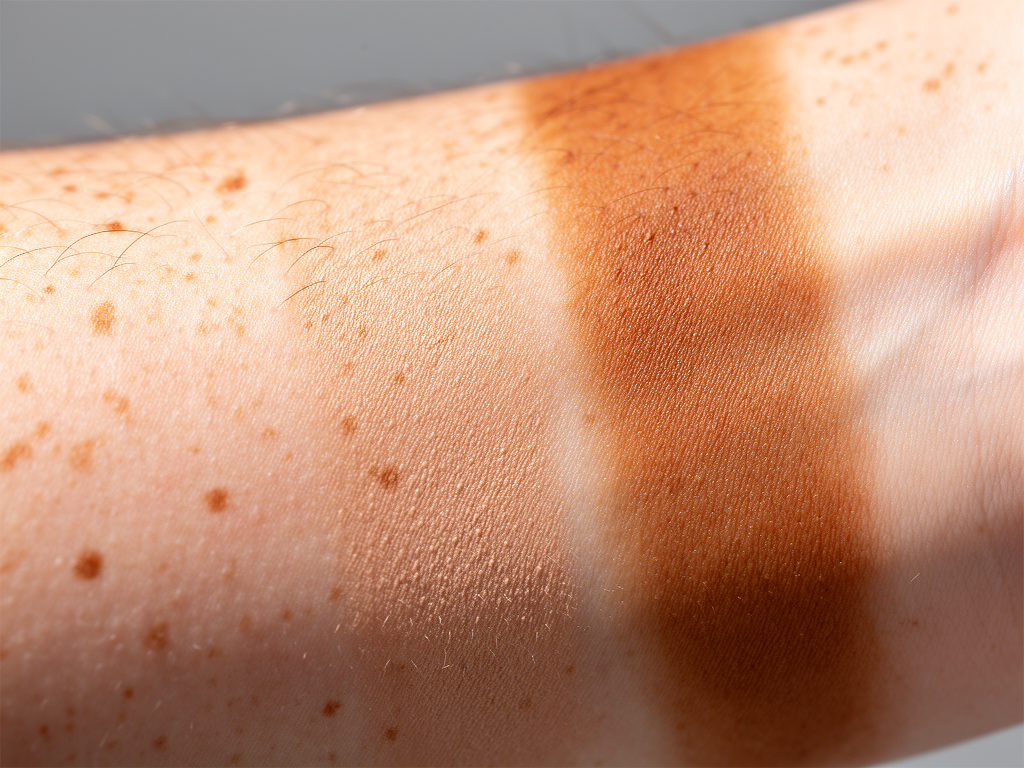
Skin blemishes manifest in several distinct clinical forms, each requiring precise identification before any intervention is considered. Ephelides, frequently referred to as freckles, are small, flat macules that often present on sun-exposed anatomical regions. Solar lentigines, commonly known as sunspots or age spots, are typically larger, demarcated areas of hyperpigmentation associated directly with chronic photodamage.
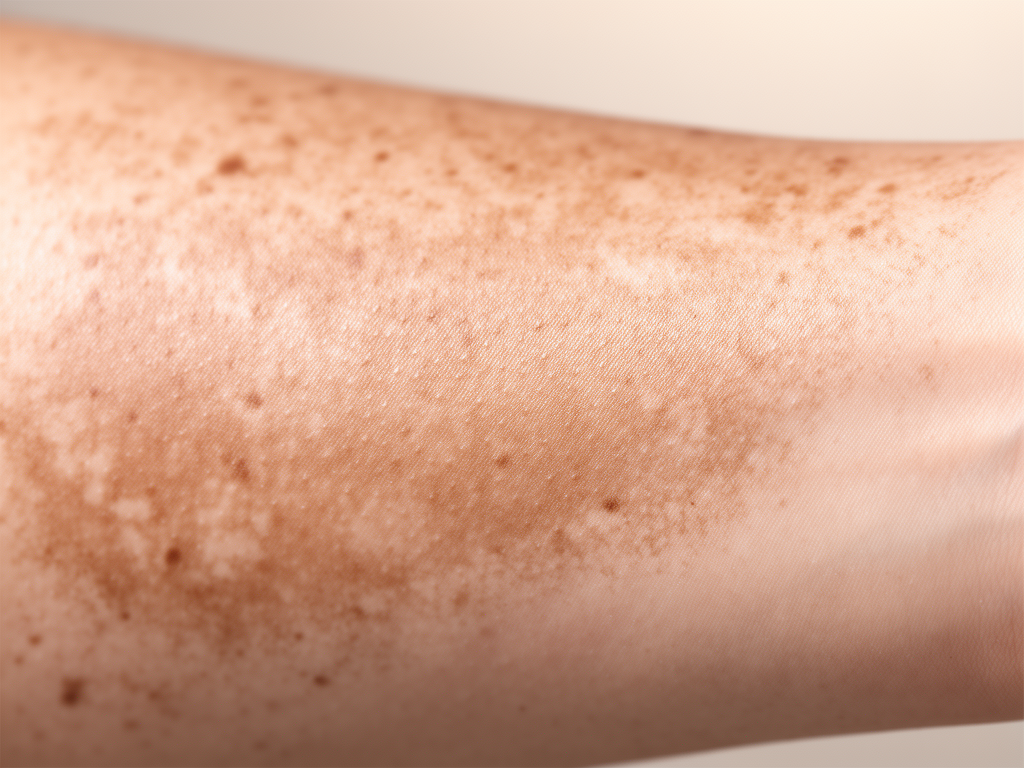
Melasma is another prevalent condition, presenting as symmetrical, irregularly shaped patches of brown or grey pigmentation. It frequently occurs on the cheeks, forehead, and upper lip, and is known for its complex etiology and persistence. Post-inflammatory hyperpigmentation (PIH) is a secondary form of blemish that develops following localized skin trauma or an inflammatory response, such as resolving acne lesions. Furthermore, some blemishes are vascular in nature, involving visible telangiectasia (small, dilated blood vessels) or diffuse erythema (redness), which similarly disrupt the uniformity of the skin complexion. Understanding the specific pathology of the blemish is a critical requirement for medical practitioners when establishing an approach to treatment.
Extrinsic and Intrinsic Factors
The development of skin blemishes is biologically driven by a combination of extrinsic and intrinsic factors. The foremost extrinsic factor is environmental ultraviolet (UV) radiation. Upon exposure to sunlight, UVA and UVB rays stimulate melanocytes—the highly specialized melanin-producing cells situated in the basal layer of the epidermis. This stimulation initiates melanogenesis, a process where the enzyme tyrosinase converts amino acids into melanin pigment, which is then distributed to surrounding skin cells as a biological shield against DNA damage. Over time, localized overproduction and subsequent accumulation of this pigment lead to visible blemishes.
Intrinsic factors relate to an individual’s endogenous physiology. Genetic predisposition plays a substantial role in determining an individual’s susceptibility to pigmentary issues; for example, the predilection for ephelides is largely inherited. Endocrine fluctuations represent another major intrinsic catalyst. Hormonal shifts, particularly involving estrogen and progesterone during pregnancy or via pharmacological contraceptive use, are heavily implicated in the onset and exacerbation of melasma. Furthermore, chronologic aging entails a gradual decline in cellular turnover and an accumulation of localized cellular damage, eventually manifesting as uneven skin tone over time.
For those interested in exploring effective solutions for skin blemishes, a related article that provides valuable insights is available at this link: Acne Treatment Essentials: A Step-by-Step Guide. This comprehensive guide delves into various acne treatment options, including the benefits of laser therapy, and offers practical advice on how to achieve clearer skin.
Mechanism of Laser Blemish Treatments
Laser technology has been studied and utilized within the field of dermatology for decades to manage various structural and pigmentary skin irregularities. The foundational scientific principle governing laser blemish treatment relies upon the highly controlled delivery of targeted light energy into specific cutaneous tissues.
The Science of Photothermolysis
The core physical mechanism employed in the majority of pigment-targeting energy-based skin treatments is selective photothermolysis. This process dictates the use of specific wavelengths of light that are preferentially absorbed by targeted chromophores within the tissue. A chromophore is a light-absorbing molecule; when managing pigmentation, the primary target chromophore is endogenous melanin.
When the directed laser energy penetrates the skin, the melanin pigment rapidly absorbs the light. This absorption results in the rapid conversion of light energy into either localized thermal energy (heat) or a photoacoustic mechanical wave, depending on the specific duration of the laser pulse. This localized reaction structurally acts to break down the concentrated, macromolecular pigment particles into significantly smaller, microscopic fragments. Subsequently, the body’s natural physiological immune mechanisms—specifically phagocytosis by macrophages—work to gradually clear these fragmented cellular debris through the lymphatic system. Alternatively, superficial pigment fragments may naturally exfoliate in tandem with the standard epidermal desquamation cycle. By meticulously calculating the appropriate wavelength and modulating the pulse duration, the medical practitioner aims to target the blemish selectively, seeking to minimize thermal diffusion and potential injury to the surrounding, healthy biological tissue.
Types of Laser Modalities
Clinical practitioners utilize varying laser modalities depending heavily upon the spatial depth, pathological type, and overall severity of the specific skin blemish. Lasers operating in the nanosecond or picosecond pulse durations deliver energy in extraordinarily brief, high-intensity bursts. These specific modalities are frequently utilized for targeting fragmented dermal pigmentation. They rely primarily on a photoacoustic effect, meaning the duration of the light pulse is so minimal that it shatters the pigment via acoustic pressure waves rather than relying purely on thermal accumulation.
Conversely, fractional laser modalities operate by generating microscopic, column-like zones of thermal influence within the tissue, clinically termed micro-thermal zones, while intentionally leaving the surrounding adjacent tissue completely intact. This fractional delivery pattern is designed to purposefully induce a localized, controlled wound-healing response within the skin structural matrix, potentially aiding in addressing superficial textural blemishes and promoting a degree of cellular renewal. Long-pulsed laser devices may conversely be utilized for selectively coagulating superficial vascular structures in cases where the presenting blemish is strictly related to visible blood vessels. Ultimately, a registered medical practitioner will determine the most appropriate technological modality based strictly upon the clinical diagnosis of the presenting condition.
The Treatment Process and Patient Journey
Undergoing any medical-grade laser blemish treatment involves a heavily structured clinical pathway, originating with an in-depth clinical consultation and eventually concluding with a phased, monitored treatment plan. Understanding the stages of this systemic journey assists patients in adequately preparing for the procedure and establishing calibrated, realistic expectations.
Pre-Treatment Assessment and Preparation
A thorough, rigorous pre-treatment assessment remains a mandatory component ensuring patient safety and procedure appropriateness. During the initial clinical consultation, the practitioner will comprehensively evaluate the patient’s detailed medical history, existing pharmacological regimens, history of prior aesthetic procedures, and general dermatological health. An accurate clinical diagnosis of the blemish is non-negotiable; treating specific hypermelanotic conditions, such as melasma, frequently necessitates a highly conservative therapeutic approach to avert triggering a rebound hyperpigmentation effect.
Strict preparation guidelines are typically communicated to the patient to optimize skin physiology prior to the procedure. Patients are fundamentally advised to strictly evade direct sunlight and discontinue any intentional tanning activities for a multi-week period preceding the session. The habitual use of broad-spectrum topical sunscreen is strongly emphasized. Based strictly upon physician instructions, patients may additionally be directed to pause the topical application of skincare products containing highly active ingredients—such as topical retinoids, alpha-hydroxy acids (AHAs), or beta-hydroxy acids (BHAs)—typically several days before treatment. This precautionary measure aims to fortify the epidermal barrier and reduce the baseline risk of severe irritation. In designated instances, a preparatory skin conditioning regimen utilizing topical tyrosinase inhibitors might be prescribed to temporally suppress melanocyte hyperactivity before proceeding with laser exposure.
What to Expect During the Procedure
On the scheduled day of the procedure, the targeted anatomical areas are meticulously cleansed and degreased to remove residual makeup, accumulated sebum, sunscreen molecules, and varied surface impurities. Specialized ocular protection is strictly provided to properly shield the patient’s eyes from potential laser light scatter. Depending distinctly upon the physical parameters of the selected laser modality and the individual patient’s baseline pain threshold, a topical anesthetic ointment may optionally be applied to desensitize the epidermal layers of the targeted area, generally requiring an incubation period of thirty to forty-five minutes to achieve adequate clinical efficacy.
Throughout the laser application, the practitioner systematically navigates the device’s handpiece over the pre-determined target zones. The physical sensation experienced by the patient is variable depending on the specific wavelength and energy fluence utilized. Patients frequently describe the sensory experience as a mild, repetitious prickling feeling, a physical sensation heavily likened to minute rubber bands snapping against the tissue, or merely a localized accumulation of thermal warmth. The cumulative duration of the physical procedure directly depends upon the total surface area requiring treatment, but generally encompasses an estimated duration ranging from fifteen up to forty-five minutes. Following the cessation of the laser application, soothing topical agents, cold physical compresses, or regulated cooling devices are regularly applied to pacify the tissue and systematically begin mitigating the expected, procedure-induced transient erythema (redness).
Post-Treatment Care and Recovery
The post-treatment rehabilitation phase is integral to the overarching success and safety of the clinical process. The specific manner in which an individual manages their post-procedural tissue following an energy-based skin treatment critically influences the overall timeline of recovery and serves to minimize the statistical probability of adverse secondary complications.
Immediate Aftercare Guidelines
In the immediate hourly timeframe following the conclusion of the laser session, the treated cutaneous area may exhibit mild to moderate erythema (redness) accompanied by mild edema (swelling). This physiological response is frequently characterized by a physical appearance and localized sensation highly analogous to a mild superficial sunburn. Depending upon the precise type of laser employed and the depth of the thermal action, pre-existing superficial pigmentation may temporarily present as darker than baseline, or microscopically form fine, superficial crusts over the subsequent multi-day period.
Patients are strictly instructed to adhere entirely to bland, gentle topical skincare practices. This protocol necessarily includes gently cleansing the facial tissue exclusively with a mild, non-soap, pH-balanced cleanser, followed promptly by the application of a basic, occlusive moisturizer or a specifically prescribed recovery emulsion to artificially support the compromised physical skin barrier. It is clinically imperative that patients refrain from picking, scratching, or aggressively exfoliating the treated zones. Prematurely physically dislodging healing crusts distinctly escalates the risk parameters for permanent scarring or the induction of post-inflammatory hyperpigmentation. Furthermore, rigorous sunscreen application is categorically compulsory, and maintaining strict avoidance of direct and prolonged UV light exposure remains critical throughout the acute physiological healing sequence. Strenuous physical activities that intentionally induce excessive thermal vasodilation or sweating—such as vigorous cardiovascular exercise, prolonged sauna use, and high-temperature showers—should optimally be suspended for the initial post-procedural days to avert exacerbating the localized inflammatory cascade.
Long-term Skin Maintenance
Laser blemish treatments functionally do not represent a permanent, preventative biological cure. The longevity and persistence of the eventual clinical results rely inextricably upon disciplined, long-term dermatological maintenance. Clinical outcomes heavily vary between completely different individuals, and multiple sequential sessions generally may be necessitated to achieve the targeted, optimal fading of the diagnosed blemishes. Consequently, preserving the accrued clinical outcomes requires a steadfast, permanent behavioral commitment to comprehensive sun protection. The unwavering, daily application of broad-spectrum topical sunscreen formulated with an appropriately high Sun Protection Factor (SPF), deployed in conjunction with physical UV barriers such as wide-brimmed hats and polarized umbrellas, remains unequivocally essential, particularly functioning within an intensely high UV index environment.
Furthermore, integrating a judicious, customized topical skincare routine meticulously tailored to the patient’s individual physiological skin type may further assist in maintaining baseline skin health. Upon clearance from the attending clinical professional, this maintenance phase may progressively incorporate the measured, continued use of strictly prescribed gentle exfoliants or targeted chemical brightening agents. When expertly guided by a medical professional, this strategy is designed to assist in managing continuous cellular turnover and mildly suppressing the likelihood of future excessive focal melanin synthesis over prolonged periods.
Laser treatment for skin blemishes has gained popularity for its effectiveness in achieving clear and radiant skin. Many individuals seeking to enhance their complexion often explore various options, including advanced techniques like laser therapy. For those interested in learning more about how to achieve a festive glow through deep hydration treatments, a related article can provide valuable insights. You can read more about it in this informative piece on deep hydration treatments, which complements the discussion on laser options for skin improvement.
Suitability, Risks, and Safety Considerations
| Treatment Type | Effectiveness | Side Effects | Cost |
|---|---|---|---|
| Intense Pulsed Light (IPL) | High | Redness, swelling, temporary darkening of skin | – |
| Fractional Laser Therapy | High | Redness, swelling, itching, scarring (rare) | – |
| Carbon Dioxide (CO2) Laser | Very High | Redness, swelling, itching, scarring, changes in skin color |
Elective aesthetic medical procedures, including all classifications of generic energy-based skin treatments, intrinsically induce controlled physiological and structural alterations to the human skin structure. Consequently, they are definitively not devoid of medical risks. Rigorously assessing physiological suitability and fully comprehending the spectrum of potential adverse effects represent mandatory clinical steps dictated by basic healthcare regulations and ethical clinical practice.
Assessing Patient Suitability
Medical laser therapy is not universally appropriate for all individuals. Developmentally ideal candidates are individuals who exist in a sustained state of generally sound medical health and possess firmly regulated, realistic expectations regarding the possible limitations of clinical outcomes. Treatment suitability and parameter selection are heavily influenced by the patient’s documented Fitzpatrick skin type—a dermatological classification framework denoting baseline genetic skin color and its inherent cellular tolerance or reaction to ultraviolet light. Individuals presenting with physiologically darker skin phenotypes (specifically Fitzpatrick types IV through VI) inherently biologically carry a statistically heightened baseline risk of demonstrating adverse, unpredictable pigmentary responses—such as reactive hyperpigmentation or localized hypopigmentation—when their tissue is subjected to significant laser energy. Therefore, specific laser parameters, energy fluences, and physical wavelengths must be exceptionally cautiously titrated by an actively experienced medical practitioner, particularly when evaluating deeply pigmented or recently sun-tanned cutaneous tissue.
Standard medical contraindications strictly preventing the application of laser treatments typically encompass the documented presence of active localized bacterial or viral skin infections, the existence of unhealed open wounds, a documented genetic history of spontaneously forming keloid or hypertrophic scarring, or the active presence of severe inflammatory autoimmune dermatological conditions (such as severe atopic dermatitis or psoriasis) located directly within the mapped treatment vicinity. Furthermore, individuals who are currently pregnant or actively lactating are universally medically advised to suspend or postpone entirely any elective aesthetic clinical treatments. Patients who have recently systematically ingested explicit categories of oral photosensitizing pharmacological medications, must undergo a mandatory physiological washout period, sometimes spanning several months depending on the drug pharmacokinetics, before safely undergoing any energy-based therapeutic interventions.
Potential Side Effects and Management
Even when accompanied by deeply detailed clinical assessment protocols and the deployment of profoundly appropriate, conservative laser parameters, physiological side effects can and do occur within clinical settings. The substantial majority of these side effects present as transient, strictly localized, and medically manageable. The common, routinely expected physiological side effects inherently include the aforementioned temporary induction of localized redness, moderate interstitial swelling, and mild sensory discomfort directly following the physical procedure. As previously annotated, designated forms of clinical blemishes may demonstrate a temporary phase of aggressive focal darkening before theoretically gradually lightening in the subsequent weeks.
However, more significant, albeit less statistically common, medical risks exist and deserve careful consideration. These hazards include the possibility of deep thermal burns, superficial tissue blistering, and untoward, unpredictable alterations in overall skin surface texture. Pigmentary alterations represent a notably prevalent categorical risk; post-inflammatory hyperpigmentation involves a reactive, persistent pathological darkening of the skin tissue resulting from laser-induced inflammation. Conversely, post-inflammatory hypopigmentation refers to a definitive lightening or localized biological loss of functional pigment within the previously treated anatomical area. While hyperpigmentation may possess the physiological capacity to gradually fade over an extended time horizon via implemented medical management, hypopigmentation phenomena can occasionally demonstrate absolute permanence. In statistically rare biological instances, permanent structural tissue scarring may biologically formulate.
It remains an uncompromising requirement for all patients to rigorously monitor their tissue and urgently report any unexpectedly severe, highly irregularly patterned, or excessively prolonged side effects directly to their providing clinical facility. Prompt medical evaluation by a registered healthcare provider enables the immediate formulation and implementation of appropriate, responsive medical management strategies, ultimately assisting in drastically mitigating the physiological severity and duration of any respective adverse clinical events. Prospective patients are heavily encouraged to consult fully with a locally registered, medically qualified medical practitioner to extensively discuss these factors before formalizing a decision to proceed with any medical treatment plan.
FAQs
What is laser treatment for skin blemishes?
Laser treatment for skin blemishes is a non-invasive procedure that uses focused light to target and reduce the appearance of various skin imperfections such as acne scars, age spots, sun damage, and vascular lesions.
How does laser treatment for skin blemishes work?
During the procedure, the laser emits a specific wavelength of light that is absorbed by the targeted skin blemish. This energy then breaks down the blemish, stimulating the body’s natural healing process and promoting the growth of new, healthy skin cells.
What are the benefits of laser treatment for skin blemishes?
Laser treatment for skin blemishes can effectively improve the appearance of the skin, reduce the visibility of blemishes, and promote a more even skin tone. It is a relatively quick and safe procedure with minimal downtime and can be tailored to address specific skin concerns.
Are there any risks or side effects associated with laser treatment for skin blemishes?
While laser treatment for skin blemishes is generally safe, some potential risks and side effects may include temporary redness, swelling, or discomfort at the treatment site. In rare cases, there may be a risk of scarring, infection, or changes in skin pigmentation.
Who is a good candidate for laser treatment for skin blemishes?
Good candidates for laser treatment for skin blemishes are individuals with realistic expectations and a desire to improve the appearance of specific skin imperfections. It is important to consult with a qualified dermatologist or skincare professional to determine if laser treatment is suitable for your skin type and concerns.