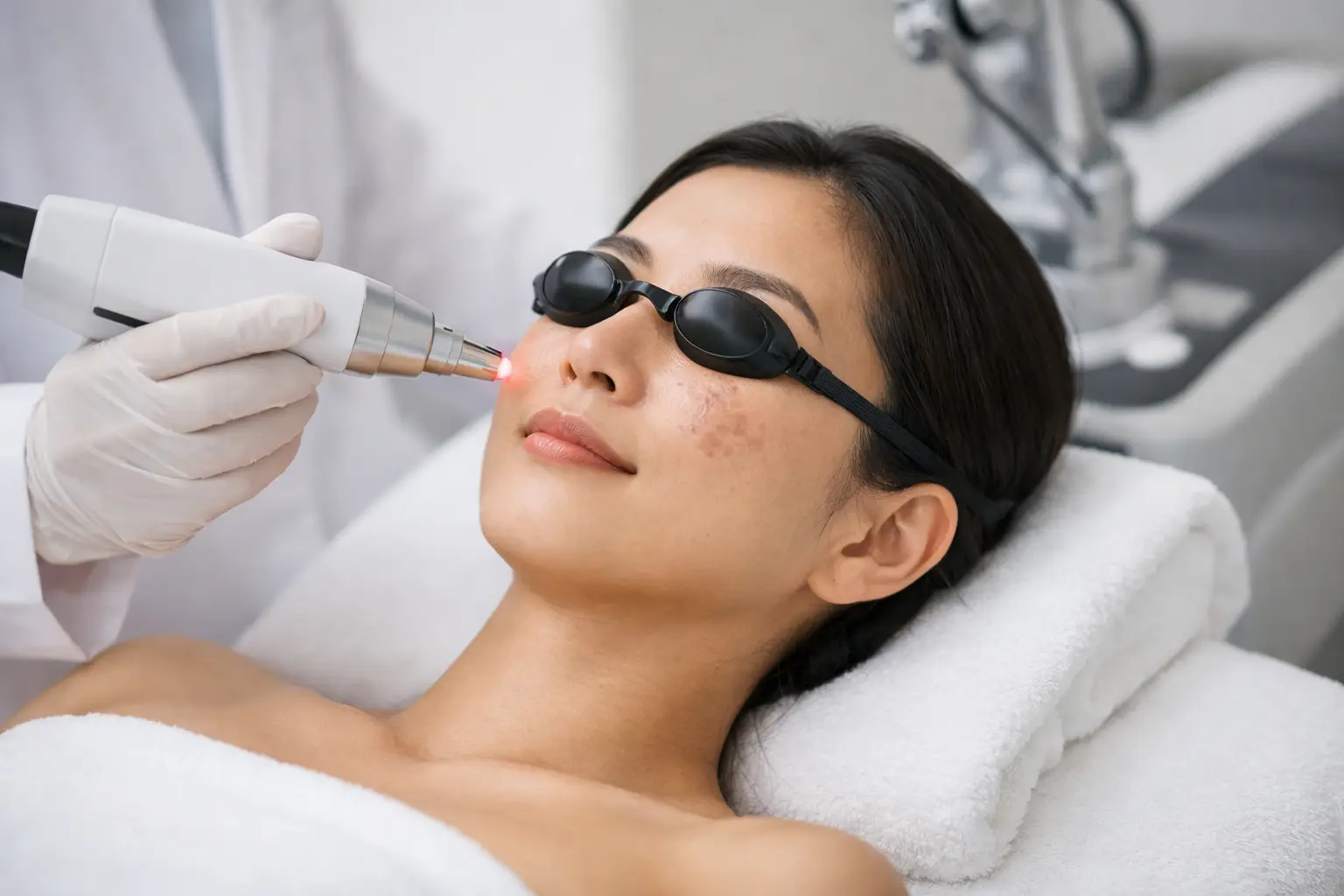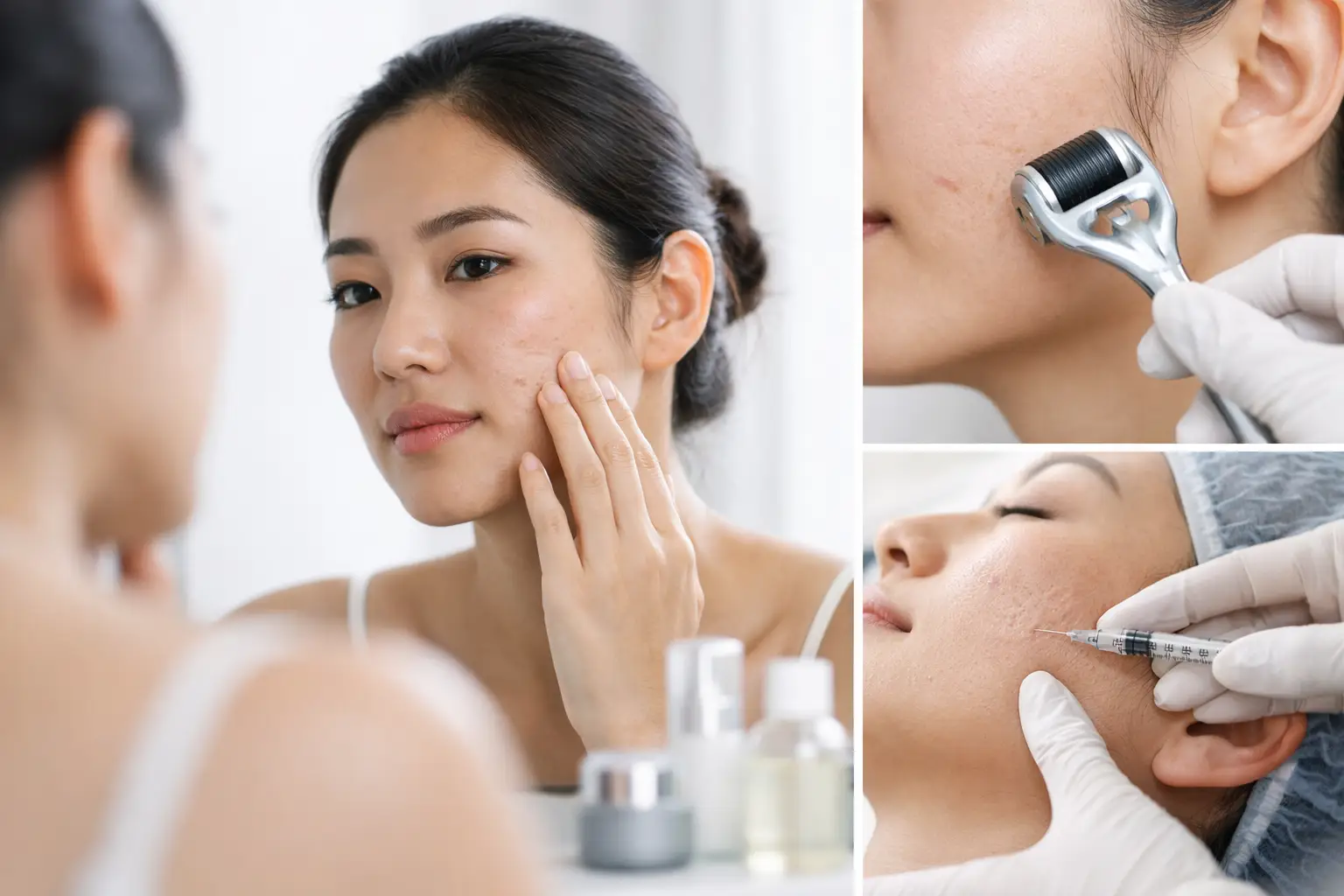
As individuals age, endogenous changes within the physical structures of the face, combined with environmental factors, gradually lead to the loss of skin elasticity and firmness. In aesthetic medicine, numerous modalities aim to address these signs of aging gracefully and conservatively. One such modality that has become established in dermatological and aesthetic practice is High-Intensity Focused Ultrasound, commonly referred to as HIFU.
Operating strictly as an energy-based skin treatment, HIFU utilizes targeted sound waves to induce thermal phenomena within the deeper layers of the facial anatomy. This process is intended to stimulate the body’s innate biological responses to support tissue remodeling and structural tightening. It is important to approach any aesthetic procedure with a foundational understanding of its biological mechanisms, inherent limitations, and associated risks. This educational overview explores the scientific principles of focused ultrasound, its application in addressing skin laxity, the typical treatment experience, and critical considerations regarding suitability and patient safety.
To comprehend how non-surgical ultrasound treatments affect the physical dimensions of the face, it is necessary to examine the interaction between acoustic energy and human tissue. HIFU operates differently from laser therapies or surface-level targeted procedures, primarily due to its ability to bypass the outermost epidermal layers.
The Science Behind Focused Ultrasound Energy
Focused ultrasound utilizes high-frequency acoustic waves that are concentrated at precise focal points beneath the surface of the skin. Unlike regular medical ultrasound, which bounces low-intensity sound waves off internal organs to generate diagnostic images, HIFU converges multiple intersecting beams of high-intensity energy. At the exact points of convergence, localized friction occurs within the cellular structures. This friction generates a rapid elevation of temperature, typically between 60 to 70 degrees Celsius, creating microscopic areas known as thermal coagulation points (TCPs). The surrounding tissues remain physically unaffected because the energy is only significant enough to generate heat at the specific focal intersection.
The Role of Collagen and Elastin in Skin Structure
The fundamental purpose of creating these controlled thermal coagulation points is to interact directly with the structural proteins of the skin: collagen and elastin. Collagen provides the rigid structural framework that gives skin its thickness and resilience, while elastin allows the skin to stretch and return to its original form. With advancing age, natural enzymatic breakdown and decreased fibroblastic activity lead to an overall deficit in these proteins. When the localized thermal energy from HIFU reaches the connective tissue, the existing, aged collagen fibers undergo immediate heat-induced contraction. Furthermore, the localized physiological stress initiates a cascade of cellular wound-healing responses designed to synthesize fresh collagen fibers over the following months.
Targeting the Superficial Musculoaponeurotic System (SMAS)
A distinctive characteristic of HIFU is its capability to transmit energy to varying depths, typically ranging from 1.5 millimeters down to 4.5 millimeters in facial applications. The 4.5-millimeter depth is particularly relevant as it frequently corresponds to the Superficial Musculoaponeurotic System (SMAS). The SMAS is a continuous layer of fibrous tissue and muscle that encases the facial structures. In traditional surgical face lifts, this is the foundational layer manipulated and sutured to elevate the soft tissues of the face. HIFU devices are calibrated to target this specific anatomical layer with non-ablative thermal energy, intending to encourage gradual, modest tightening without surgical incisions.
For those considering a non-surgical facelift, High-Intensity Focused Ultrasound (HIFU) has emerged as a popular option due to its ability to tighten and lift the skin without invasive procedures. An interesting article that explores the connection between posture, neck lines, and jaw definition can provide valuable insights into how these factors influence facial aesthetics. To learn more about this relationship and its implications for treatments like HIFU, you can read the article here: The Unseen Link Between Posture, Neck Lines, and Jaw Definition.
Clinical Applications of HIFU for Facial Concerns
Ultrasound energy is utilized selectively based on proper clinical indications. Practitioners must evaluate the specific anatomical regions and the degree of physiological aging to determine if this energy-based modality is an appropriate inclusion in a patient’s care plan.
Addressing Mild to Moderate Skin Laxity
HIFU is primarily indicated for individuals experiencing mild to moderate skin laxity. It is not intended to replicate the extensive structural repositioning achieved through surgical intervention. Instead, it seeks to provide a subtle, non-surgical tissue elevation that may help improve the appearance of drooping or sagging skin. The objective is structural support rather than dramatic transformation, working with the existing anatomical framework to encourage a firmer tissue texture.
Common Anatomical Focus Areas
During a session, different depths of non-surgical ultrasound treatments can be utilized across various regions of the face and neck. Practitioners commonly focalize the energy on the lower facial vectors, aiming to define the natural contours of the jawline and temporarily reduce the appearance of submental fullness, commonly described as a double chin. The mid-face region, specifically the nasolabial folds (smile lines), may also be addressed by targeting the supportive adipose and muscular structures beneath the cheeks. Additionally, subtle brow tissue elevation is occasionally pursued by directing shallower focal depths above the supraorbital rim, which may help open up the periorbital (eye) area.
The Phased Process of Tissue Remodeling
Understanding the biological timeline of HIFU is crucial for patient expectation management. The intended results are not achieved simultaneously. The changes follow a distinct biological healing phase:
- Inflammatory Phase: Occurring within the first 48 hours post-treatment, biological debris is cleared from the thermal points, and fibroblasts are attracted to the site.
- Proliferative Phase: This happens over several weeks as new granulation tissue, rich in type III collagen, is created.
- Maturation Phase: Spanning from a few months up to a year, the relatively weak type III collagen is gradually replaced by stronger, more resilient type I collagen. This phase represents the gradual tissue remodeling responsible for any visible firming effects.
The HIFU Treatment Process: What to Expect
Providing a transparent overview of a standard clinical encounter helps to demystify the medical process and prepare patients for what occurs within the consultation room and the treatment bed.
The Importance of a Pre-Treatment Consultation
According to aesthetic medical standards in Singapore, every procedure must begin with an extensive consultation. The practitioner assesses the patient’s medical history, current pharmaceutical usage, and specific aesthetic goals. Physical palpation and visual assessment of the skin’s thickness, elasticity, and bone structure determine if the individual possesses the biological capacity to respond favorably to ultrasound therapy. This is also the stage where alternative therapies—such as botulinum toxin treatments for dynamic wrinkles or hyaluronic acid fillers for volume loss—may be objectively discussed to provide a comprehensive view of available modalities.
Step-by-Step Walkthrough of the Procedure
If a patient is deemed suitable, the actual procedure follows standardized protocols. First, the treatment area is thoroughly cleansed to remove cutaneous oils, debris, and cosmetic products. Subsequently, a conductive ultrasound gel is applied over the target areas. This gel is essential as it facilitates the uninterrupted transmission of acoustic sound waves from the device transducer directly into the dermal layers. The practitioner then maps out specific treatment vectors on the face using a sterile marking tool, guiding the placement of the transducer head. The device delivers sequential lines of acoustic energy, moving methodically across the mapped regions to ensure uniform distribution of the thermal coagulation points.
Sensations Experienced During the Session
The perception of energy delivery varies widely among individuals. As the acoustic energy is deposited beneath the skin, patients typically report feelings of sub-dermal warmth, deep prickling, or dull aches. The intensity of these sensations correlates with the energy levels used and the proximity of the targeted SMAS layer to underlying bone structures (such as along the jawline or forehead). Sensory management is heavily prioritized; practitioners may employ topical numbing creams, localized cooling devices, or oral analgesics adjusted to individual comfort thresholds. Sensations are transient and ordinarily subside immediately upon the removal of the transducer from the skin.
Care and Recovery Following a Session
Because focused ultrasound avoids altering the epidermal surface, commonly understood recovery metrics, such as open wounds or peeling, are absent. Nonetheless, the tissue has undergone localized thermal stress underneath, necessitating proper post-procedural awareness.
Immediate Post-Treatment Skin Responses
Directly following the procedure, patients may notice transient erythema (redness) across the treated zones. This response is a normal physiological reaction to heat and typically resolves within a few hours. Mild edema (swelling) is also occasionally observed, acting as the primary indicator of the body’s inflammatory response kicking into action. Some individuals may experience heightened sensitivity to touch or a dull muscular ache—akin to the sensation following a vigorous physical workout—persisting for several days to a few weeks.
Recommended Aftercare Practices
While downtime is generally described as minimal, sensible dermatological care is advocated. Patients are advised to utilize broad-spectrum sunscreen daily and to minimize direct, prolonged exposure to harsh ultraviolet radiation, which degrades newly formed collagen. Skincare regimens should ideally shift toward gentle, non-abrasive cleansers and hydration-focused formulations. The temporary cessation of highly active topical ingredients, such as potent chemical exfoliants (AHAs/BHAs) or prescription retinoids, may be recommended for several days to prevent compounding superficial irritation onto the deeply treated tissues.
Timeline for Observing Potential Changes
Because neocollagenesis relies on internal protein synthesis, visible outcomes are inherently gradual. While a small percentage of individuals report a minor immediate tightening—primarily an artifact of initial heat contraction and fluid edema—meaningful structural changes require time. Practitioners typically inform patients that the development of results takes place over an average span of two to three months, potentially continuing to refine up to six months post-treatment. Results vary between individuals based on age, the biological vitality of the existing collagen matrix, and metabolic factors. Continual maintenance may be required, generally on an annual or bi-annual basis, to sustain the collagen-stimulating momentum.
For those considering a non-surgical face lift, High-Intensity Focused Ultrasound (HIFU) has gained popularity due to its effectiveness in tightening skin and reducing wrinkles. If you’re interested in exploring skin treatments further, you might find it beneficial to read about the role of tranexamic acid in treating melasma, which can complement your skincare routine. You can find more information in this article on the effectiveness of tranexamic acid.
Suitability, Risks, and Important Considerations
| Metrics | Results |
|---|---|
| Effectiveness | Highly effective in skin tightening and lifting |
| Downtime | Minimal to none |
| Duration | Results can last up to 1-2 years |
| Pain Level | Generally well-tolerated with minimal discomfort |
| Side Effects | Temporary redness or swelling |
Medical treatments carry inherent limitations. Balancing aesthetic expectations with biological reality is paramount. As non-surgical tissue tightening is highly dependent on an individual’s healing response, identifying correct patient suitability mitigates the risk of dissatisfaction and medical complications.
Evaluating Ideal Candidates
The clinical efficacy of HIFU is highly patient-dependent. Ideal candidates generally fall within the demographic experiencing early to moderate signs of skin laxity, often noting a decrease in facial firmness or mild tissue descent. Individuals in their thirties to early fifties typically possess sufficient fibroblastic reserves to generate a robust collagen response when stimulated by thermal energy. It serves as a sensible modality for those seeking gradual refinements rather than aggressive anatomical reconstruction, or for those who possess medical or personal aversions to surgical interventions.
Contraindications and Medical Limitations
Certain physiological states and medical histories strictly contraindicate the use of energy-based skin treatments. Individuals with severe, advanced skin elasticity loss or heavily photodamaged tissues may not possess enough residual collagen infrastructure to mount an effective healing response, thereby gaining little to no benefit from the procedure. Contraindications include the presence of active systemic or localized skin infections, severe cystic acne within the treatment area, untreated autoimmune diseases, or bleeding disorders. Furthermore, placing focused ultrasound energy over areas containing metallic implants, electrical devices (such as pacemakers), or recently injected dermal biosynthetics (without ample waiting time) is generally prohibited due to the risk of altering the implants or triggering aberrant tissue reactions. Pregnancy and breastfeeding remain absolute contraindications as a matter of clinical precaution.
Understanding Potential Risks and Side Effects
Although the procedure avoids disrupting the superficial skin barrier, the utilization of intense thermal energy carries risks that must be objectively disclosed. Beyond expected mild swelling and tenderness, patients may occasionally experience localized purpura (bruising) due to the inadvertent disruption of small capillaries in the deeper dermis. A specific, albeit rare, consideration during lower facial treatments involves the marginal mandibular nerve. If acoustic energy is delivered too closely to this nerve pathway, patients may experience transient motor nerve paresis, leading to a temporary, asymmetrical weakness in the movement of the outer lip. While typically self-resolving over a span of weeks, practitioners mitigate this risk through precise anatomical mapping and cautious energy depth selection. Numbness or altered sensation in localized patches can also occur, though these sensory changes are generally temporary.
For those considering a non-surgical face lift, High-Intensity Focused Ultrasound (HIFU) has emerged as a popular option due to its effectiveness in tightening skin without invasive procedures. If you’re interested in exploring skin treatments that complement HIFU, you might find valuable insights in this article about clear skin solutions that work for acne scarring. Understanding various skin care options can enhance your overall aesthetic journey and help you achieve the best results.
Integrating HIFU into a Broader Skincare Approach
Scientific literature suggests that standalone treatments frequently yield subtle results. For optimized dermatological health, single modalities are most effective when positioned within a multi-tiered approach to skin aging.
Complementary Skin Maintenance Strategies
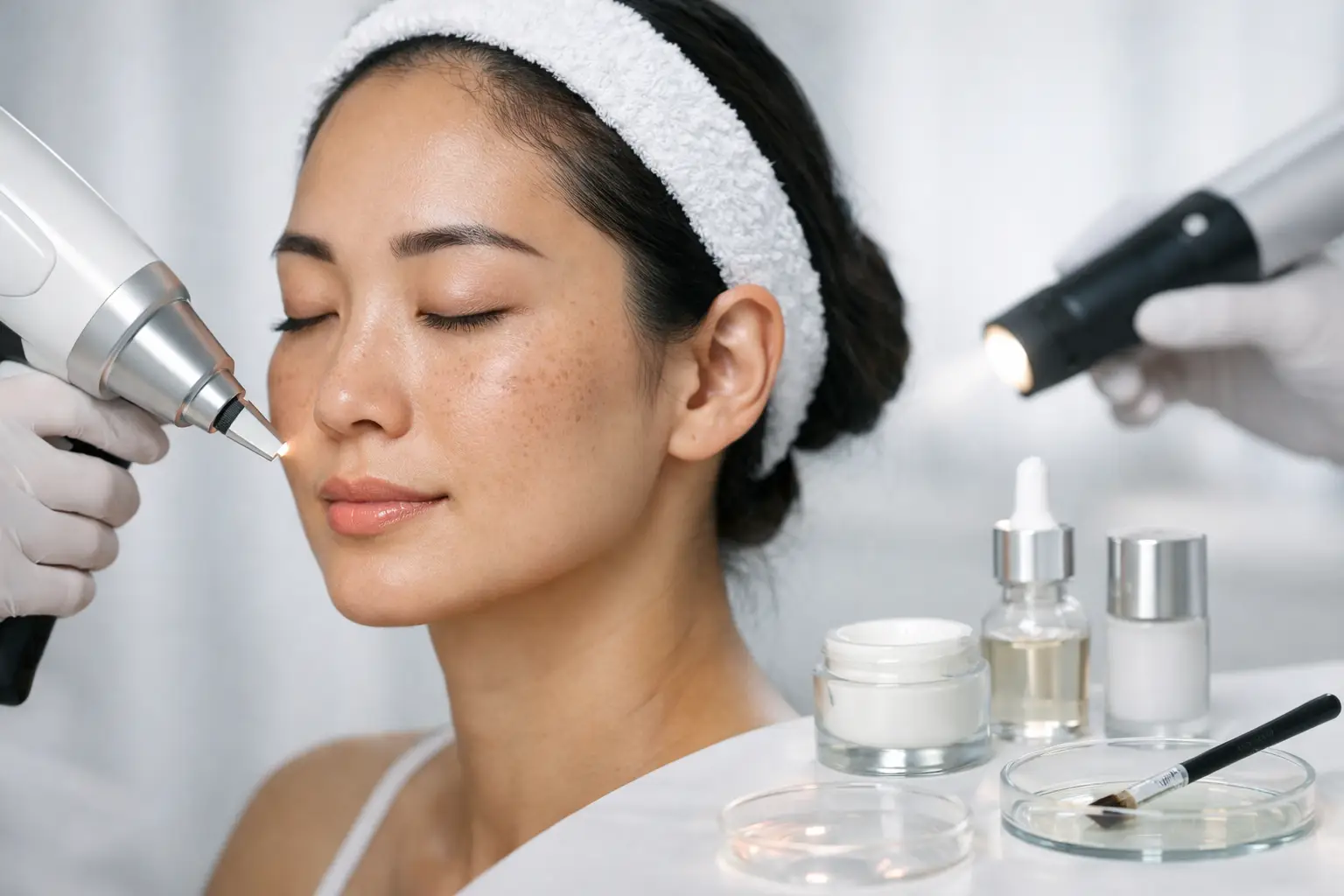
Aesthetic skin tightening does not pause intrinsic chronological aging nor protect against ongoing environmental degradation. Integrating a focused ultrasound session with evidence-based lifestyle habits ensures the newly synthesized structural proteins are protected. High-quality nutritional intake, adequate hydration, and the cessation of habits such as smoking—which actively constricts blood vessels and starves fibroblasts of oxygen—are critical. Within clinical spaces, practitioners may recommend overlapping complementary non-surgical treatments. For instance, pairing deep ultrasound therapies with superficial energy-based surface treatments addressing epidermal pigmentation or texture, or collagen-stimulating injectables designed to enhance general skin hydration, may collectively target different layers of the facial structure. However, proper intervals between different modalities must be strictly observed.
Navigating Realistic Clinical Expectations
The most vital component of exploring aesthetic treatments is maintaining a medically accurate perspective. High-Intensity Focused Ultrasound delivers targeted thermal stimulation to encourage the endogenous production of structural skin proteins. It may help improve the density and tension of the skin layers over a gradual timeline, but it does not remove redundant skin or mimic the absolute repositioning achievable in an operating theater. Biological responses remain highly individualized, and aesthetic outcomes cannot be guaranteed for every patient. By participating in comprehensive consultations and fully understanding both the physiological benefits and clinical limits of HIFU, individuals can make informed, educated decisions regarding their facial aesthetic health.
FAQs
What is a non-surgical face lift HIFU?
A non-surgical face lift HIFU, or High-Intensity Focused Ultrasound, is a non-invasive cosmetic procedure that uses ultrasound energy to stimulate the production of collagen in the skin, resulting in a lifted and tightened appearance.
How does non-surgical face lift HIFU work?
During a non-surgical face lift HIFU treatment, ultrasound energy is delivered deep into the skin, targeting the foundational layers and stimulating collagen production. This results in a tightening and lifting effect on the skin over time.
What are the benefits of non-surgical face lift HIFU?
Some of the benefits of non-surgical face lift HIFU include a non-invasive procedure, no downtime, and gradual, natural-looking results. It can also target specific areas of the face and neck to address sagging skin and wrinkles.
Are there any side effects or risks associated with non-surgical face lift HIFU?
While non-surgical face lift HIFU is generally considered safe, some potential side effects may include temporary redness, swelling, or tingling sensations. In rare cases, there may be bruising or numbness, but these typically resolve on their own.
How long do the results of non-surgical face lift HIFU last?
The results of non-surgical face lift HIFU can last up to 1-2 years, as the stimulated collagen production continues to improve the skin’s appearance over time. However, individual results may vary based on factors such as age, skin condition, and lifestyle habits.