Managing excess or unwanted facial and body hair is a common consideration for many individuals. Traditional methods of hair removal, such as shaving, plucking, threading, and waxing, offer ways to manage hair growth but typically require frequent maintenance. As aesthetic medicine has evolved, energy-based skin treatments have become widely utilized as alternatives designed to provide longer-lasting hair reduction. Among these energy-based options is diode laser technology.
By understanding the science, the biological factors of hair growth, and the clinical considerations surrounding diode laser hair removal, individuals can make informed decisions regarding their skin and body care. It is important to note from the outset that individual responses to energy-based treatments differ, and results vary between individuals. Thorough consultation with a qualified medical professional is essential to determine if this approach aligns with an individual’s specific physiological characteristics and aesthetic goals.
To fully grasp how laser systems approach hair removal, it is necessary to first understand the biological behavior of hair and the foundational physics of laser applications in dermatology.
The Biological Hair Growth Cycle
Human hair does not grow constantly; rather, it progresses through a continuous biological cycle comprised of three primary phases: the anagen phase, the catagen phase, and the telogen phase.
- Anagen Phase (Active Growth): During this stage, the hair follicle is actively producing new cells, and the hair shaft is connected firmly to the dermal papilla, which supplies it with blood and nutrients. This phase is crucial for laser treatments.
- Catagen Phase (Transition): This is a brief transitional phase where hair growth ceases, and the hair follicle begins to shrink and detach from its blood supply.
- Telogen Phase (Resting and Shedding): In this final stage, the hair rests in the follicle until it eventually sheds to make room for new anagen hair.
Energy-based treatments are typically only effective when a hair follicle is in the anagen phase. Because each hair on the human body is at a different stage of this cycle at any given time, a single treatment session will only affect a percentage of the total hair in the targeted area. Consequently, multiple sessions spaced over several weeks are usually required to address all follicles as they eventually re-enter the anagen phase.
The Role of Energy-Based Skin Treatments
Energy-based hair removal relies on delivering concentrated light into the skin. This light is intended to interact with specific cellular structures to disrupt the hair follicle’s ability to generate new hair. Different systems exist in the medical aesthetic landscape, including Intense Pulsed Light (IPL) devices and various types of lasers. While IPL utilizes a broad spectrum of light, lasers emit a single, focused wavelength of light. The diode laser is one class of laser frequently utilized for hair reduction, operating on specific parameters designed to interact with the anatomical structures of the hair follicle.
Diode hair removal is a popular choice for those seeking long-lasting results in hair reduction. To better understand the importance of skin care during and after such aesthetic treatments, you might find it helpful to read a related article on the science of the skin barrier and its significance in recovery. This article delves into how maintaining a healthy skin barrier can enhance the effectiveness of treatments like diode hair removal. For more information, visit this link.
The Science of Diode Laser Hair Removal
Diode lasers are constructed using semiconductor technology that produces coherent light in the visible to infrared range. The biophysical interactions during a treatment session are governed by complex principles of light absorption and heat transfer.
Wavelengths and Target Chromophores
In laser terminology, a “chromophore” is the specific substance within the tissue that absorbs the light energy. For hair removal, the primary chromophore is melanin—the pigment responsible for giving hair and skin its color. Diode lasers typically operate at wavelengths between 800 and 810 nanometers, though some utilize combined wavelengths depending on the specific medical device.
This specific range of wavelengths is heavily absorbed by the melanin concentrated in the hair shaft and the root of the follicle. At the same time, this wavelength range is designed to penetrate deeply enough into the dermis to reach the hair bulb while attempting to minimize excess absorption by the melanin present in the surface surface layer of the skin (the epidermis).
Selective Photothermolysis Explained
The foundational principle behind all laser hair removal is “selective photothermolysis.” This concept refers to the precise targeting of a specific structure (selective) using light (photo) to generate heat (thermo) that damages the target (lysis).
When the diode laser emits a pulse of light, the melanin in the anagen-phase hair shaft absorbs this light energy. The absorbed light is immediately converted into thermal energy (heat). This localized heat radiates outward from the hair shaft into the surrounding follicular structures, including the stem cells responsible for generating new hair. If an adequate temperature is reached, these structures are thermally damaged, which may help reduce or delay future hair growth. The concept of selectivity is critical; the goal is to deliver enough heat to disrupt the follicle while allowing the surrounding dermal tissue to remain largely unaffected.
Suitability and Pre-Assessment Considerations
Not all individuals are ideal candidates for diode laser treatments, and patient safety depends on a careful assessment of skin and hair characteristics. A comprehensive evaluation by a medical provider ensures that the treatment parameters are appropriately matched to the individual’s physiology.
Skin Types and Hair Characteristics
Medical practitioners use the Fitzpatrick skin typing system, which categorizes skin from Type I (very fair skin that always burns and never tans) to Type VI (deeply pigmented skin that never burns). Because the laser targets melanin, the contrast between the hair color and the skin color plays a significant role in how the energy is absorbed.
Historically, lasers were primarily suited for individuals with light skin and dark hair, as the high contrast allowed the laser to target the hair follicle without excessively heating the skin. Diode lasers, due to their specific wavelength and adjustable pulse durations, offer a degree of versatility across a broader range of Fitzpatrick skin types compared to some shorter-wavelength lasers.
However, because the treatment relies heavily on the presence of melanin, it is generally ineffective on hair lacking pigment. White, gray, very light blonde, and some shades of red hair lack the necessary levels of melanin to absorb enough light energy. Therefore, individuals with these hair colors may not achieve noticeable results from laser treatments.
Medical History and Contraindications
Prior to commencing any energy-based skin treatment, a complete medical history must be disclosed. Certain medical conditions, medications, or ongoing treatments can contraindicate the use of laser therapy.
Individuals taking photosensitizing medications (drugs that make the skin more sensitive to light) may face a higher risk of adverse reactions, such as burns or hyperpigmentation. Additionally, active bacterial, viral, or fungal infections in the treatment area, as well as certain chronic skin conditions like psoriasis or eczema, may require the postponement of treatment. Furthermore, laser treatments are generally contraindicated for individuals who are pregnant, as the effects of aesthetic lasers on fetal development have not been comprehensively studied.
Managing Treatment Expectations and Variations in Results
It is important to approach hair reduction realistically. The aesthetic industry is highly regulated in Singapore to ensure that consumers receive balanced and scientifically grounded information.
Understanding “Long-Term Hair Reduction”
While diode laser therapy may significantly decrease the volume and thickness of hair in treated areas, it should not be expected to produce absolute or permanent hair removal. The objective is lasting, long-term hair reduction. Many individuals find that following a complete initial course of treatment, hair growth is sparse, finer, and lighter in color. However, dormant follicles can occasionally become active over time, meaning periodic maintenance sessions may be necessary to sustain the desired outcome.
Individual Variables and Results
As previously emphasized, results vary between individuals. Multiple factors can influence the efficacy of the treatment, including:
- Hormonal Fluctuations: Conditions such as Polycystic Ovary Syndrome (PCOS), menopause, or other endocrine disorders can stimulate new anagen hair growth unexpectedly, which may alter the overall effectiveness of the treatment course.
- Genetic Predispositions: Natural genetic variations determine hair density, depth, and thickness, all of which change how laser energy is absorbed.
- Treatment Adherence: Following the recommended schedule for sessions—typically spaced four to eight weeks apart, depending on the body area—is vital for capturing hairs precisely as they enter the anagen phase.
Diode hair removal has gained popularity for its effectiveness and safety in achieving long-lasting results. Many individuals seeking smooth skin often explore various hair removal methods, and understanding the technology behind diode lasers can be beneficial. For those interested in learning more about advanced laser treatments, a related article discusses a multi-laser approach to pigmentation, which highlights the versatility and effectiveness of different laser technologies. You can read more about it in this insightful piece on pigmentation treatments.
Navigating the Treatment Process and Clinical Protocols
| Diode Hair Removal Metrics | Results |
|---|---|
| Effectiveness | High |
| Pain Level | Low to Moderate |
| Skin Types | Good for most skin types |
| Sessions Required | 6-8 sessions for optimal results |
| Side Effects | Minimal, such as redness or swelling |
A standardized approach to prepping, executing, and recovering from specialized laser treatments helps to support patient safety and treatment efficacy.
Pre-Treatment Preparation
To prepare for a diode laser session, specific guidelines must be followed. Individuals are typically advised to avoid any conventional hair removal methods that extract the hair root—such as tweezing, waxing, or epilating—for several weeks prior. Because the laser requires the intact hair follicle acting as a conduit for the heat, an empty follicle renders the treatment ineffective.
Instead, individuals are usually instructed to cleanly shave the treatment area roughly 24 hours before their appointment. Shaving leaves the hair root intact beneath the skin while removing surface hair that could otherwise absorb laser energy, cause surface burns, and prevent the energy from penetrating deeply into the dermis. Furthermore, strict avoidance of excessive sun exposure and tanning beds is required to minimize the risk of post-inflammatory pigmentation issues.
The Procedure Experience
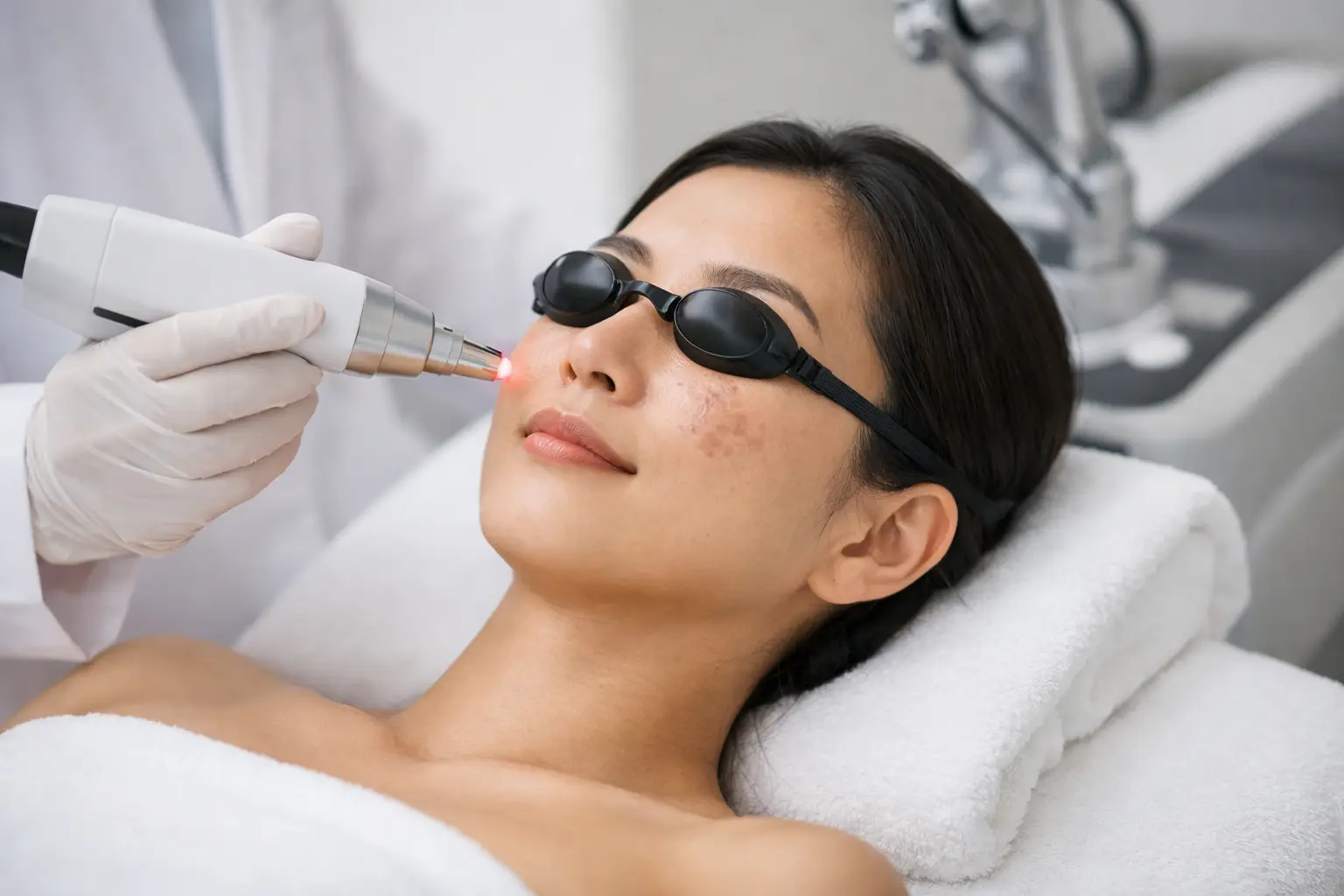
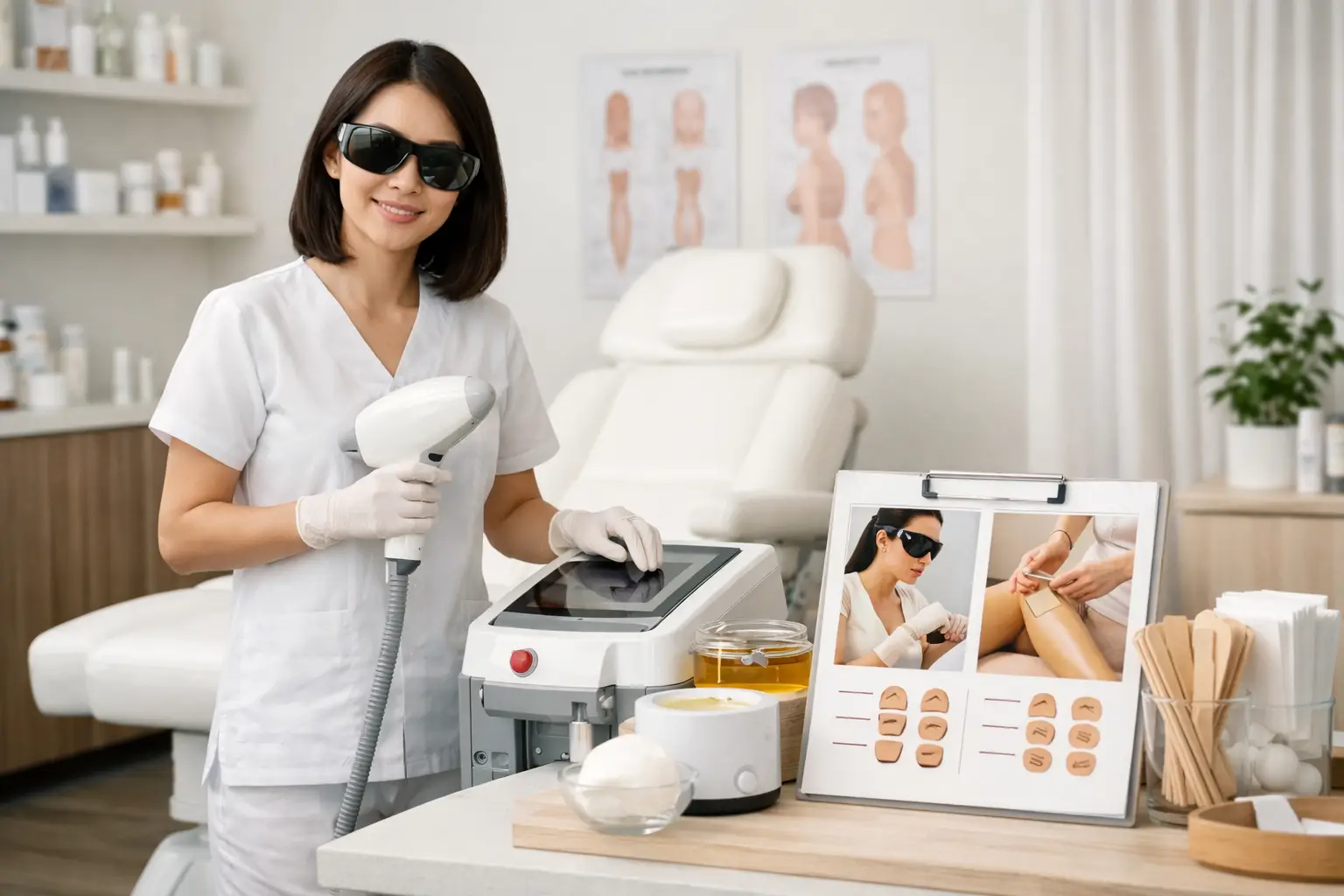
During the procedure, both the practitioner and the patient must wear protective eyewear to shield the retinas from scattered laser light. The practitioner administers the laser energy through a specialized handheld device placed directly against the skin.
Patients often report feeling a sensation of warmth accompanied by a feeling similar to a rubber band mildly snapping against the skin. While tolerance levels are subjective, many modern diode devices utilize integrated cooling mechanisms—such as contact cooling tips that chill the skin’s surface concurrently with the laser pulse—to help manage discomfort and protect the superficial epidermal layers from thermal injury.
Post-Treatment Care and Recovery
Following the completion of a session, the skin may exhibit signs of mild trauma. Adhering to a strict post-treatment care regimen minimizes complications. Patients are generally advised to:
- Apply broad-spectrum sunscreen diligently and avoid direct, unprotected sun exposure on the treated areas, as the skin will be temporarily more susceptible to UV-induced pigmentation changes.
- Avoid exposing the treated skin to excessive heat for 24 to 48 hours. This includes avoiding hot showers, saunas, steam rooms, and intense cardiovascular exercise that induces heavy sweating.
- Refrain from applying chemical exfoliants, retinoids, or highly fragranced lotions to the area until the skin has completely returned to its baseline state, to prevent unnecessary irritation.
Potential Risks and Associated Side Effects
As with any medical or energy-based procedure, diode laser treatments carry potential risks and side effects. A comprehensive understanding of these possibilities is an integral part of providing informed consent.
Expected Transient Reactions
The most commonly observed side effects are temporary and localized to the treatment area. These include:
- Erythema: A temporary reddening of the skin, akin to a mild sunburn, which usually resolves within a few hours to a couple of days.
- Perifollicular Edema: Slight swelling around the individual hair follicles. This is a very common clinical endpoint and is often considered a sign that the laser energy has successfully targeted the follicular structures. It generally subsides quickly without intervention.
Rare Adverse Events and Complications
While severe complications are uncommon when treatments are performed by adequately trained personnel using proper clinical parameters, adverse events may still occur. These rarer risks include:
- Pigmentary Alterations: Hyperpigmentation (darkening of the skin) or hypopigmentation (lightening of the skin) can occur, particularly in individuals with darker skin types or those who fail to adhere to sun-avoidance protocols before and after treatment.
- Burns and Blistering: If the laser parameters are set incorrectly or if the skin was recently exposed to UV light, epidermal burns may occur, potentially leading to blistering and subsequent scarring.
- Paradoxical Hypertrichosis: In exceedingly rare cases, laser energy can inadvertently stimulate fine, vellus hairs to transform into thicker, darker terminal hairs. The exact mechanism for this phenomenon is not completely understood, though it is primarily observed on the face and neck.
In conclusion, diode laser technology represents a medically grounded option for individuals seeking long-term hair reduction. By utilizing precise wavelengths to selectively target melanin within the hair follicle, these treatments can significantly alter the biological growth cycle of the hair. While it offers a more enduring alternative to daily shaving or periodic waxing, it is vital to approach the treatment with realistic expectations regarding its outcomes, potential limitations, and necessary aftercare. Individuals interested in undergoing diode laser treatment should consult closely with a qualified medical or aesthetic practitioner to evaluate their suitability, discuss potential risks, and develop a customized treatment plan tailored to their specific physiological needs.
FAQs
What is diode hair removal?
Diode hair removal is a cosmetic procedure that uses a diode laser to target and remove unwanted body hair. The diode laser emits a concentrated beam of light that is absorbed by the pigment in the hair follicles, effectively destroying them and preventing future hair growth.
How does diode hair removal work?
During diode hair removal, the diode laser is passed over the treatment area, emitting light energy that is absorbed by the melanin in the hair follicles. This energy is converted to heat, which damages the follicles and inhibits their ability to produce new hair.
Is diode hair removal safe?
Diode hair removal is considered a safe and effective method for long-term hair reduction. However, it is important to have the procedure performed by a qualified and experienced practitioner to minimize the risk of adverse effects.
What areas of the body can be treated with diode hair removal?
Diode hair removal can be used to target unwanted hair on various areas of the body, including the legs, arms, underarms, bikini line, back, chest, and face. It is important to consult with a professional to determine the most suitable treatment areas for individual needs.
How many diode hair removal sessions are typically needed for optimal results?
The number of diode hair removal sessions needed for optimal results can vary depending on factors such as the individual’s hair type, skin tone, and the treatment area. Generally, multiple sessions spaced several weeks apart are required to target hair in different stages of the growth cycle and achieve long-lasting hair reduction.