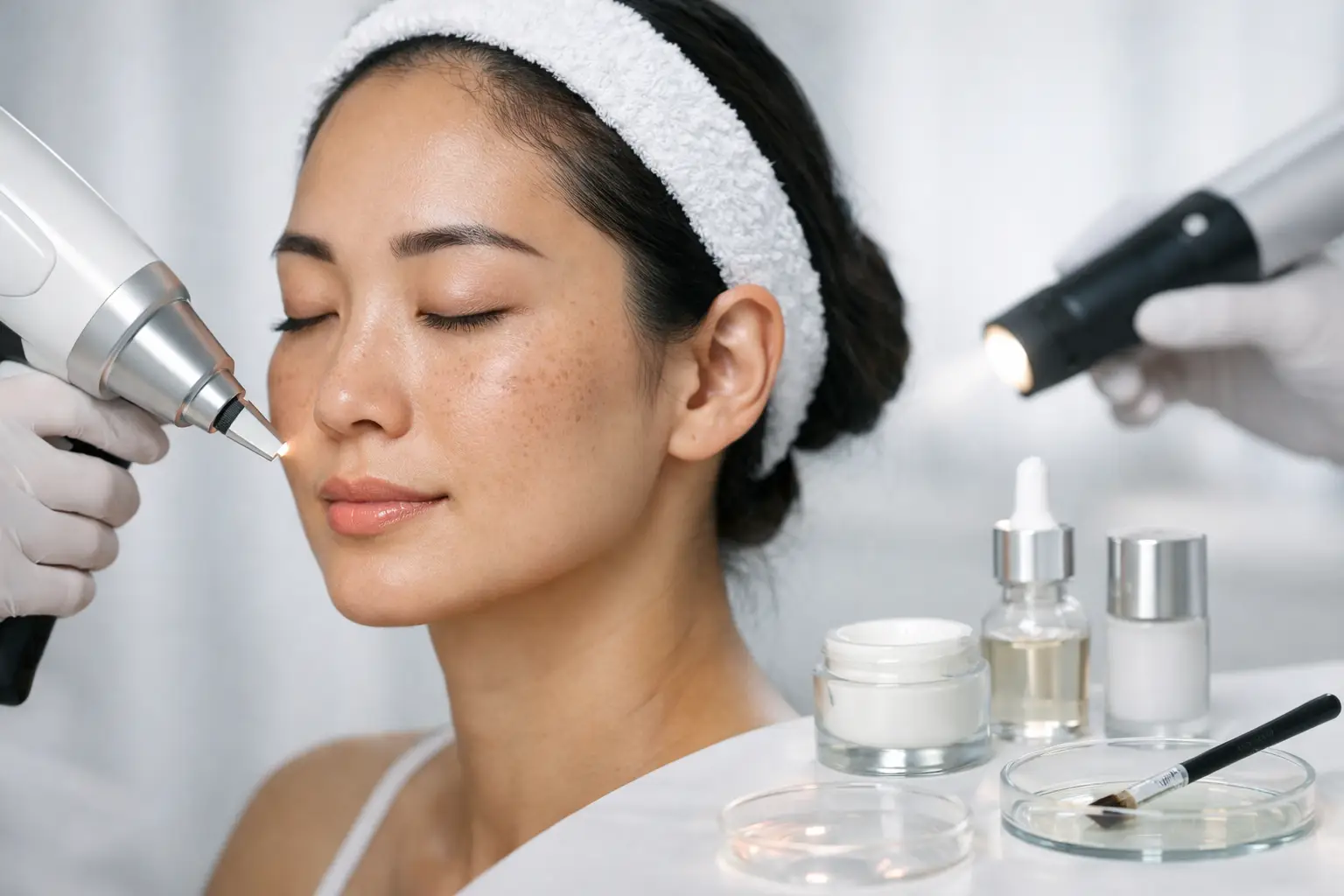
Mesotherapy is a minimally invasive dermatological and aesthetic procedure that involves the administration of active substances directly into the middle layer of the skin, known as the dermis. Originally developed in France in the mid-twentieth century for medical applications, the technique has evolved significantly over the decades. Today, it is widely utilized within aesthetic clinics in Singapore as a method to address various skin and scalp concerns.
Unlike topical skincare products, which must penetrate the protective outer layer of the skin (the stratum corneum) to reach the deeper cellular structures, mesotherapy employs fine needles to deliver therapeutic formulations precisely where they are required. This educational overview explores the mechanisms, potential applications, procedures, and considerations associated with mesotherapy.
The fundamental principle of mesotherapy relies on the combination of minor mechanical stimulation and the pharmacological delivery of active ingredients. By introducing specifically formulated solutions directly into the dermal layer, the treatment aims to support the skin’s biological functions, encourage cellular metabolism, and promote overall tissue health.
The Micro-injection Technique
The procedure utilizes ultra-fine needles to perform a series of shallow injections across the targeted treatment area. This method serves a dual purpose. Firstly, the physical act of creating micro-punctures in the skin triggers a natural healing response. This mild mechanical trauma may stimulate the fibroblasts within the dermis, which are the cells responsible for producing collagen and elastin. Secondly, the micro-injections bypass the skin’s natural barrier, allowing for the direct transdermal delivery of an active solution. This targeted approach ensures that higher concentrations of the ingredients reach the underlying tissue compared to standard topical applications.
Customisable Active Ingredients
One of the defining characteristics of mesotherapy is the ability to tailor the injected solution to the specific physiological needs of the individual. Medical practitioners formulate these solutions based on clinical assessments. The formulations typically consist of varying generic compounds, which may include:
- Uncrosslinked Hyaluronic Acid: Unlike the dense, structural hyaluronic acid used in volumizing dermal fillers, uncrosslinked hyaluronic acid is highly fluid. Its primary function is to attract and retain water molecules, thereby improving intradermal hydration and skin turgor.
- Amino Acids and Peptides: These are the essential building blocks of proteins. Their inclusion aims to support the structural integrity of the skin by facilitating neocollagenesis (the creation of new collagen).
- Polynucleotides: Derived from natural DNA sources, polynucleotide treatments are utilized for their potential structural and tissue-repairing properties as they may support fibroblast activity and cellular turnover.
- Antioxidants and Vitamins: Ingredients such as Vitamin C, Vitamin E, and glutathione may be included to neutralize free radicals, mitigating oxidative stress caused by environmental factors like ultraviolet exposure and pollution.
- Trace Minerals: Essential minerals are occasionally added to regulate and support normal enzymatic reactions and cellular functions within the skin.
Mesotherapy is gaining popularity in Singapore as a non-invasive treatment for various skin concerns, and those interested in exploring similar options may find the article on HIFU treatment particularly insightful. HIFU, or High-Intensity Focused Ultrasound, offers a non-surgical face-lifting solution that complements mesotherapy by promoting skin tightening and rejuvenation. For more information on this innovative treatment, you can read the article here: HIFU Treatment: Non-Surgical Face Lifting for a Youthful Look.
Potential Benefits of Mesotherapy
Depending on the specific bespoke formulation utilized, mesotherapy may be applied to address a spectrum of dermatological concerns. It is important to note that results vary between individuals based on their inherent skin quality, age, genetics, and lifestyle factors.
Skin Hydration and Texture
A common application of mesotherapy is aimed at addressing generalized skin dehydration, dullness, and textural irregularities. By infusing the dermis with pure hyaluronic acid and supporting nutrients, the treatment increases the water-holding capacity of the skin. This enhanced hydration may help improve overall skin elasticity and suppleness. Furthermore, the sustained hydration and mild collagen-stimulating effects of the injections may help soften the appearance of superficial fine lines, leading to a smoother skin texture over time.
Addressing Hyperpigmentation and Uneven Skin Tone
For individuals experiencing uneven skin pigmentation, such as sun spots, melasma, or post-inflammatory hyperpigmentation, mesotherapy may be utilized as a supportive treatment. Formulations targeted at pigmentation issues often incorporate ingredients that can inhibit the targeted pathways of melanogenesis (melanin production). Subdermal delivery of certain antioxidants and brightening agents can assist in regulating melanin transfer to the skin’s surface. Over a series of sessions, this may help gradually lighten localized dark spots and contribute to a more uniform skin tone.
Supporting Hair Health and Scalp Rejuvenation
Beyond facial applications, mesotherapy is frequently utilized in trichology and scalp care to address mild to moderate hair thinning and certain types of non-scarring alopecia. The treatment involves micro-injections directly into the scalp tissues surrounding the hair follicles. The aim is to enhance localized microcirculation and deliver essential vitamins, amino acids, and specific peptides directly to the dermal papilla. This enhanced nutrient delivery may help prolong the anagen (growth) phase of the hair cycle, potentially improving hair density and shaft thickness.
Managing Treatment Expectations
When considering mesotherapy, realistic expectations must be established. Aesthetic procedures are medical treatments designed to support normal biological functions, and their outcomes are subject to individual physiological responses.
The Importance of Multiple Sessions
Mesotherapy is not a single-session treatment that provides an immediate aesthetic transformation. The physiological processes involved, such as cellular turnover, collagen synthesis, and prolonged hydration, require time to manifest. Consequently, medical professionals generally recommend an initial protocol consisting of multiple sessions spaced approximately two to four weeks apart. Following the completion of the primary protocol, periodic maintenance sessions may be advised to sustain the improvements.
Individual Variability
Outcomes following a mesotherapy protocol are inherently variable. Factors including a patient’s chronologic age, baseline skin condition, smoking habits, sun exposure, and basic skincare routine will heavily influence the longevity and quality of the observed results. A comprehensive evaluation by a medical professional is necessary to determine the projected efficacy of the treatment for any specific individual.
The Mesotherapy Procedure in Singapore Clinics
To ensure patient safety and adherence to the regulatory standards set by local authorities, mesotherapy should only be performed within a registered medical facility by qualified healthcare providers. The standard clinical pathway incorporates thorough assessment, precise procedural techniques, and supportive aftercare.
Pre-treatment Consultation and Assessment
Prior to any procedural intervention, a comprehensive consultation must be conducted. The doctor will review the individual’s medical history, current medications, known allergies, and specific aesthetic or dermatological concerns. A physical examination of the skin or scalp is performed to ascertain if mesotherapy is the most medically appropriate intervention. During this phase, the customized formulation is determined, and a discussion regarding the anticipated outcomes, potential risks, and required commitment to multiple sessions is held to ensure informed consent.
The Treatment Process
On the day of the procedure, the designated treatment area is meticulously cleansed and sanitized to adhere to strict aseptic protocols. To enhance patient comfort during the multiple injection process, a topical anesthetic cream is generally applied and left on the skin for approximately 25 to 45 minutes.
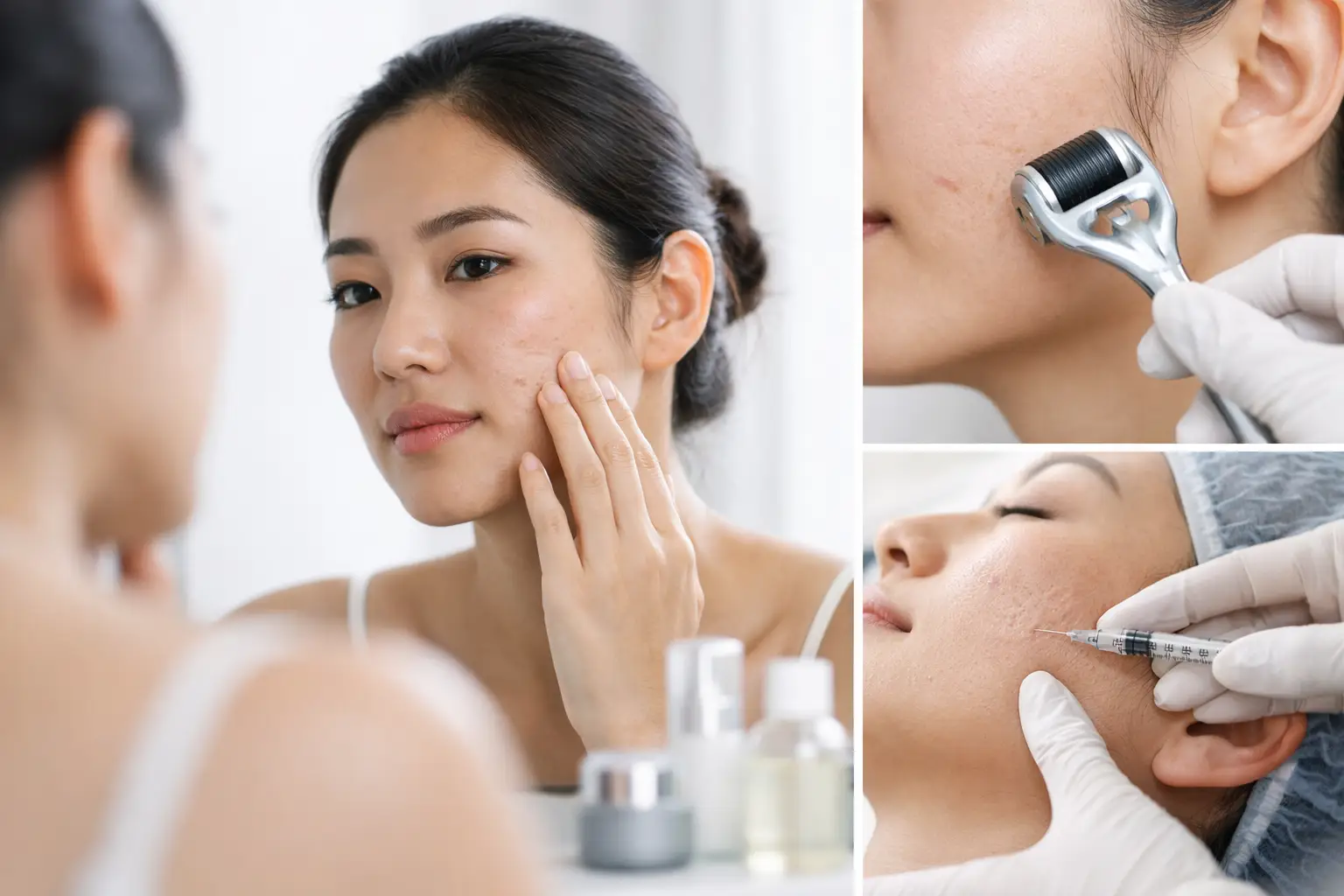
Once the area is sufficiently anesthetized, the medical practitioner proceeds with the injections. This may be performed manually using a standard syringe with a fine-gauge needle, or via an automated delivery device often referred to as a meso-gun. Automated devices offer the advantage of highly controlled penetration depth and precise dosing per injection point. The injection phase itself typically lasts between 20 and 40 minutes, depending on the surface area being treated.
Post-treatment Recovery and Aftercare
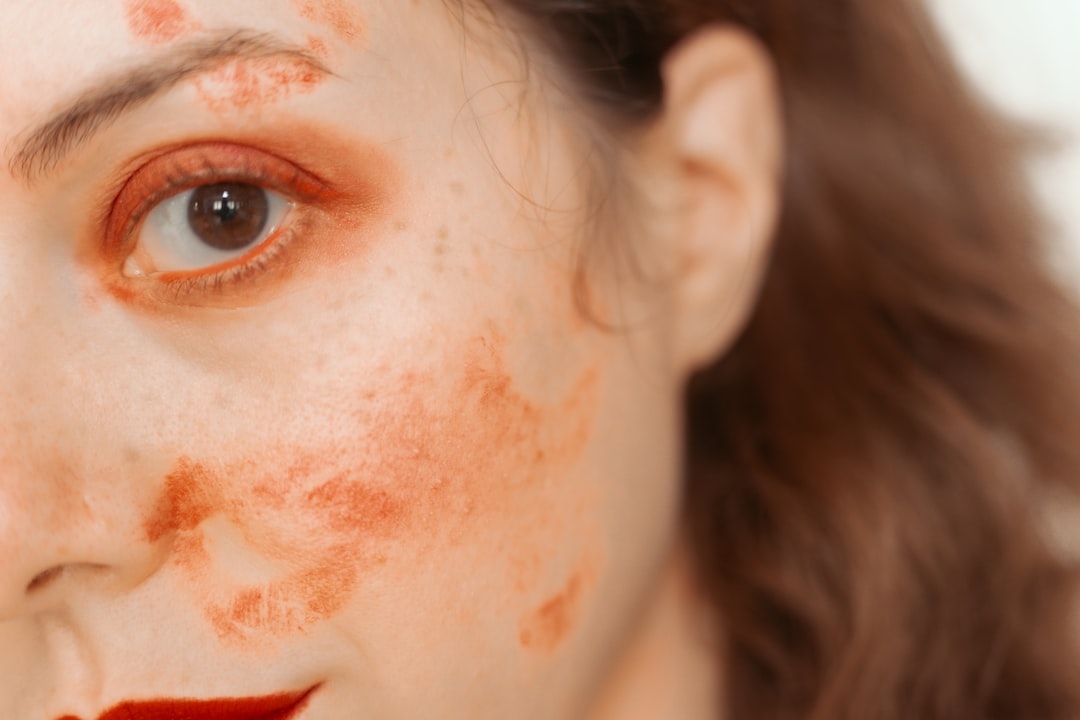
Mesotherapy is categorized as a treatment with relatively low downtime. However, immediately following the procedure, patients can expect some visible signs of intervention. The skin may display minor, localized swelling (often resembling insect bites or small papules) where the fluid was deposited. Mild redness (erythema) and pinpoint bleeding are also common.
Clinics provide detailed aftercare instructions to optimize recovery and prevent complications. Individuals are generally advised to:
- Avoid applying cosmetic makeup for at least 12 to 24 hours to prevent the introduction of bacteria into the micro-wounds.
- Refrain from strenuous physical activities, heavy exercise, and entering saunas or steam rooms for a few days, as excessive sweating or heat may exacerbate swelling and irritation.
- Avoid direct sun exposure and diligently apply broad-spectrum ultraviolet (UV) protection to prevent post-inflammatory hyperpigmentation.
- Use gentle, non-active cleansers and moisturizers, temporarily discontinuing the use of harsh chemical exfoliants (such as alpha-hydroxy acids) or strong topical retinoids until the skin has fully recovered.
Mesotherapy has gained popularity in Singapore as an effective treatment for various skin concerns, but understanding the broader context of skin health is essential. For those interested in how lifestyle factors such as stress and sleep can impact skin conditions, a related article explores these connections and discusses potential aesthetic interventions. You can read more about this fascinating topic in the article on the mind-skin connection, which highlights the importance of a holistic approach to skincare. Check it out here.
Suitability: Who May Consider Mesotherapy?
| Treatment Area | Cost | Sessions Required |
|---|---|---|
| Face | 300 – 800 | 3-5 sessions |
| Neck | 250 – 600 | 3-5 sessions |
| Body (e.g. cellulite) | 350 – 1000 | 5-8 sessions |
While mesotherapy is a versatile modality, patient selection is crucial for minimizing risks and maximizing potential benefits. Safety profiles and individual specific medical backgrounds must carefully be evaluated.
Ideal Candidates
Mesotherapy may be considered for adult individuals who are noticing the initial signs of skin aging, such as slight laxity, persistent dryness, loss of natural radiance, or superficial textual deterioration. It is also an option for those seeking a supportive approach to managing early stages of hair thinning. Individuals looking for gradual, conservative improvements rather than dramatic structural alterations often find mesotherapy aligns with their goals.
Contraindications and Individuals Who Should Avoid Treatment
Certain individuals are fundamentally contraindicated from undergoing mesotherapy due to safety concerns. Medical practitioners will typically decline to perform the procedure on:
- Individuals who are currently pregnant or actively breastfeeding, as the effects of the injected compounds on the fetus or infant are not definitively established.
- Patients with active localized skin infections, bacterial or viral conditions (such as active herpes simplex outbreaks), or severe inflammatory dermatoses (like active acne or eczema) in the intended treatment area.
- Individuals entirely contraindicated due to pre-existing autoimmune diseases, unchecked diabetes, or compromised immune systems that may hinder proper wound healing.
- Patients bearing a known hypersensitivity or severe allergy to any of the specific ingredients slated for the mesotherapy cocktail.
- Individuals with an established history of severe bleeding disorders or those currently taking blood-thinning medications, due to the elevated risk of excessive bruising and localized bleeding.
- Those with a known physiological tendency to develop keloids or hypertrophic scarring.
Understanding the Potential Risks and Side Effects
As with any clinical procedure that breaches the skin barrier, mesotherapy inherently carries a set of potential side effects and risks. Proper clinical hygiene and an accurate understanding of the subject’s medical history mitigate, but do not fully eliminate, these risks.
Expected and Mild Side Effects
The most frequently encountered responses are transient and localized directly to the injection sites. These include mild to moderate erythema (redness), localized edema (swelling), and minor tenderness upon palpation. Given the vascularity of the face and scalp, petechiae (pinpoint bruising) or more distinct ecchymosis (bruising) can occur, particularly in delicate areas such as the periocular (around the eyes) region. These mild side effects typically resolve autonomously within three to seven days.
Rare Complications and Mitigation
In infrequent scenarios, more severe complications may arise. Non-sterile environments or improper aftercare can lead to bacterial infections at the injection sites. Allergic reactions, ranging from localized contact dermatitis to, in excessively rare circumstances, systemic anaphylaxis resulting from hypersensitivity to a specific ingredient, are a clinical possibility. Furthermore, inappropriate injection depth or excessive dosage might lead to the formation of localized nodules, granulomas, or prolonged textural irregularities.
Undergoing the procedure strictly within a licensed medical clinic, performed by trained healthcare professionals utilizing high-quality, regulated pharmacological injectables, is the most robust method for minimizing the incidence of these severe adverse outcomes.
Integration with Comprehensive Aesthetic Protocols
In contemporary aesthetic practice within Singapore, mesotherapy is seldom utilized as a strictly solitary intervention. Medical practitioners frequently incorporate it into a comprehensive, multi-modal treatment strategy tailored to the individual’s overall dermal health requirements.
Combining with Energy-Based Skin Treatments
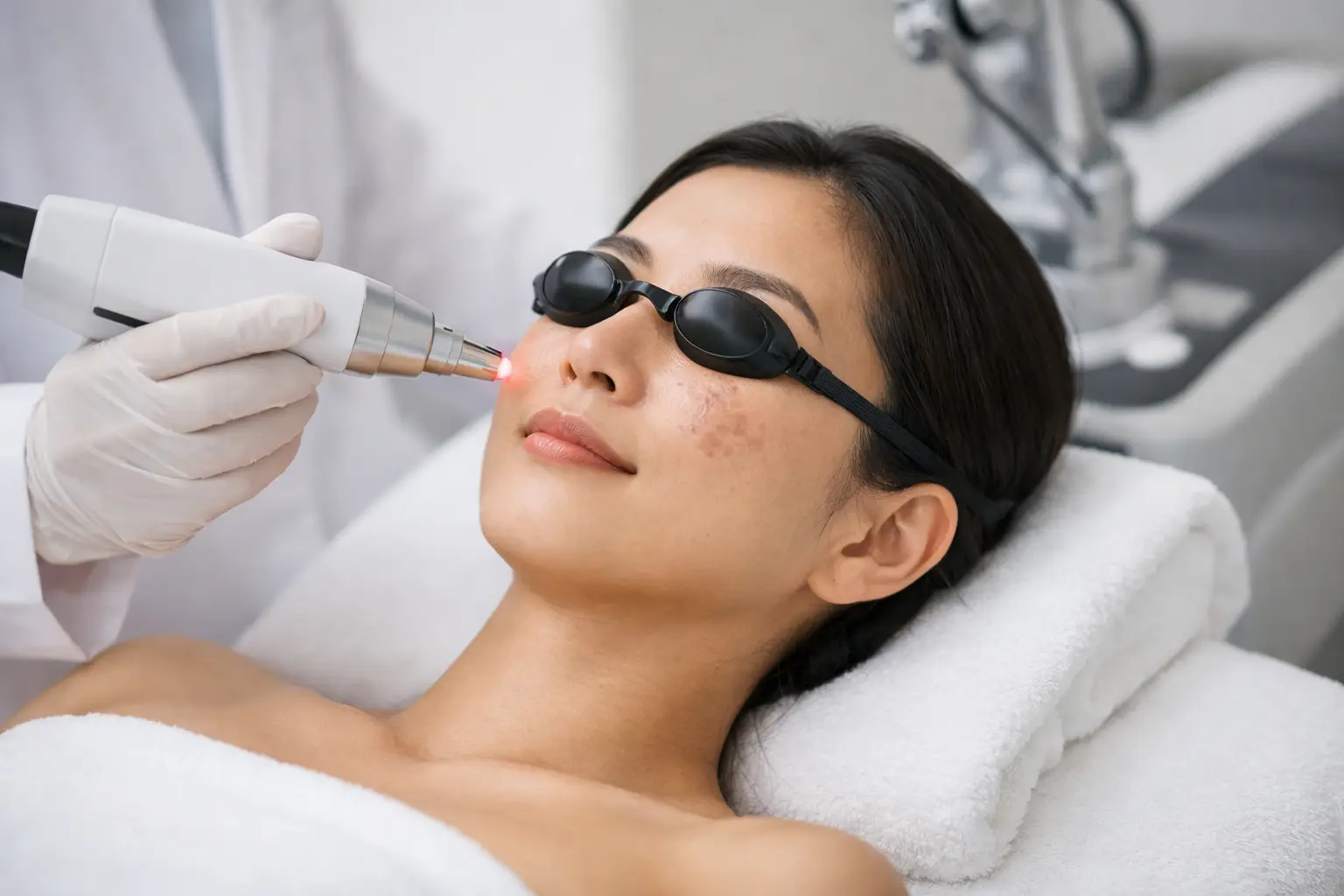
Mesotherapy may be strategically combined with various generic energy-based skin treatments, such as intense pulsed light, radiofrequency, or focused ultrasound therapies. In such protocols, the energy-based device is generally utilized to target deeper tissue remodeling and structural tightening, while mesotherapy provides concurrent superficial hydration, addresses cellular nutrition, and supports the skin’s capacity to heal. Medical practitioners will dictate the precise chronological spacing of these varying techniques to ensure optimal tissue recovery and to prevent overlapping adverse effects.
Adjuvant to Standard Dermal Injectables
While mesotherapy delivers uncrosslinked hyaluronic acid for generalized hydration, it may be used concurrently with traditional crosslinked hyaluronic acid dermal fillers or botulinum toxin treatments. Standard fillers are reserved for addressing severe volume loss and restoring deep facial contours, whereas mesotherapy focuses on global skin quality. Furthermore, botulinum toxin treatments address dynamic muscular contractions. Together, these different modalities address individual layers and functionalities of facial aging, offering a holistic approach to aesthetic maintenance. Careful clinical planning is paramount when combining separate injectable procedures during the same clinical visit.
In conclusion, mesotherapy represents a highly customizable, minimally invasive medical aesthetic option primarily focused on deep hydration, skin quality improvement, and supportive hair care. Relying on the biological delivery of active ingredients via specialized micro-injection techniques, the treatment offers potential conservative improvements for a variety of concerns. As localized responses and clinical outcomes remain inherently distinct across individuals, thoroughly consulting with a registered medical practitioner is a mandatory step to comprehensively assess suitability, ascertain risks, and develop a safe, evidence-based treatment pathway.
FAQs
What is mesotherapy?
Mesotherapy is a non-surgical cosmetic treatment that involves injecting small amounts of various medications, vitamins, minerals, and amino acids into the mesoderm, the middle layer of the skin. It is commonly used to treat cellulite, localized fat reduction, and skin rejuvenation.
How is mesotherapy performed in Singapore?
In Singapore, mesotherapy is typically performed by licensed medical professionals, such as doctors or trained aesthetic practitioners. The procedure involves using a fine needle to inject the customized cocktail of medications into the targeted areas of the skin.
What are the common areas treated with mesotherapy in Singapore?
Common areas treated with mesotherapy in Singapore include the face, neck, arms, abdomen, thighs, and buttocks. It is often used to address concerns such as cellulite, localized fat deposits, and skin laxity.
What are the potential side effects of mesotherapy?
Potential side effects of mesotherapy may include temporary swelling, bruising, redness, and discomfort at the injection sites. In rare cases, more serious side effects such as infection or allergic reactions may occur. It is important to discuss the potential risks with a qualified medical professional before undergoing treatment.
How many sessions of mesotherapy are typically needed for results?
The number of mesotherapy sessions needed for optimal results can vary depending on the individual’s specific concerns and treatment goals. However, most patients may require a series of sessions spaced several weeks apart to achieve the desired outcome. A qualified medical professional can provide personalized recommendations based on the patient’s needs.