Sagging skin on the face is a common aesthetic concern that can arise from a combination of intrinsic and extrinsic factors. Over time, the skin’s structural integrity naturally diminishes, leading to a loss of firmness and elasticity. This guide aims to provide a comprehensive overview of the factors contributing to facial skin laxity and explore various approaches available in a clinic setting to address these concerns, adhering strictly to Singapore’s healthcare advertising regulations.
The skin is a complex organ composed of several layers, with the dermis and epidermis playing critical roles in its appearance and function. Beneath these layers lie subcutaneous fat, muscles, and bone. The youthful appearance of the face is largely maintained by robust collagen and elastin networks within the dermis, supported by underlying fat pads and a firm muscle structure.
Collagen and Elastin: The Skin’s Structural Pillars
Collagen, a fibrous protein, provides tensile strength to the skin, acting like a scaffold that keeps the skin firm and plump. Elastin, another protein, provides elasticity, allowing the skin to stretch and recoil without losing its shape. With age, the body’s natural production of both collagen and elastin decreases, and existing fibers can become fragmented or disorganised. This biological process, known as intrinsic aging, starts in our mid-twenties.
Subcutaneous Fat and Muscle Tone
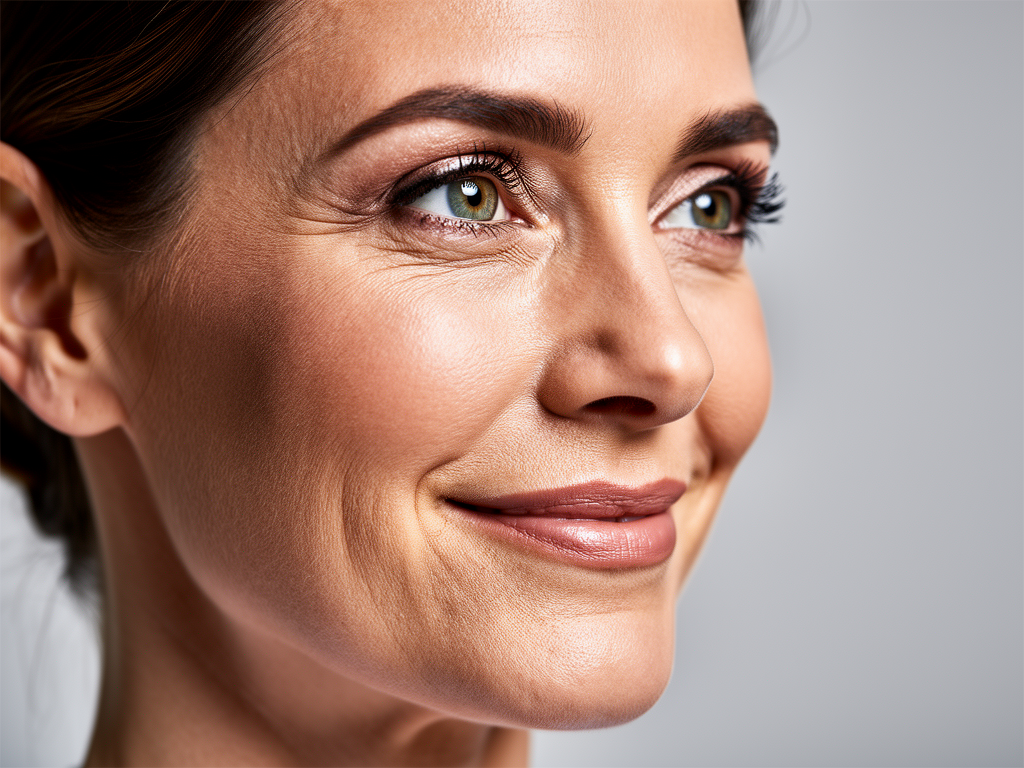
Beneath the dermis, a layer of subcutaneous fat provides volume and contributes to the smooth contours of the face. As we age, these fat pads can diminish in volume, shift, or become redistributed, leading to hollows and the appearance of sagging. Facial muscles, which are anchored to the skin, also lose some of their tone and elasticity over time, contributing to the downward pull on facial features. Together, these changes affect the overall architecture of the face, leading to common signs of laxity such as jowls, nasolabial folds, and a less defined jawline.
Sagging skin on the face can be a common concern as we age, often leading individuals to seek effective solutions for rejuvenation. For those interested in understanding more about skin health and related issues, a helpful resource is the article on managing hyperpigmentation, which discusses various tips and treatments that can enhance overall skin appearance. You can read more about it here: Managing Hyperpigmentation: Tips and Treatments.
Factors Contributing to Facial Skin Sagging
While intrinsic aging is a primary driver, several external or extrinsic factors can accelerate the process of facial skin sagging. Understanding these factors can help individuals adopt preventative measures and manage expectations regarding treatments.
Ultraviolet (UV) Radiation Exposure
Chronic exposure to UV radiation from the sun is a significant contributor to photoaging. UV rays damage collagen and elastin fibers, leading to their premature degradation and impaired production. This damage is cumulative and can manifest as fine lines, wrinkles, and significant skin laxity over time. Regular and consistent use of broad-spectrum sunscreen is a cornerstone of preventing photoaging.
Lifestyle Choices
Certain lifestyle habits can impact the health and appearance of the skin. Smoking, for instance, reduces blood flow to the skin and introduces harmful free radicals, further inhibiting collagen and elastin production and repair. Poor nutrition, particularly diets lacking in antioxidants and essential nutrients, can also compromise skin health. Chronic stress can contribute to inflammation in the body, potentially impacting skin integrity.
Weight Fluctuations and Genetics
Significant or rapid weight loss can sometimes result in excess skin, as the skin may not have sufficient elasticity to contract to the new facial contours. Genetic predisposition also plays a role in how an individual’s skin ages. Some individuals may naturally be more prone to developing skin laxity earlier or to a greater degree due to inherited genetic factors that influence collagen and elastin production and degradation.
Non-Invasive Approaches for Facial Skin Firming
For individuals seeking to address mild to moderate facial skin laxity without surgical intervention, a range of non-invasive clinical treatments are available. These approaches typically focus on stimulating the body’s natural collagen production or tightening existing collagen fibers.
Energy-Based Skin Treatments
Energy-based devices utilise various forms of energy, such as radiofrequency or focused ultrasound, to deliver controlled heat into the deeper layers of the skin. This controlled thermal injury aims to stimulate a healing response that includes the production of new collagen and elastin, leading to a gradual tightening and lifting effect.
Radiofrequency (RF) Treatments
Radiofrequency energy gently heats the dermis, causing existing collagen fibers to contract and initiating neocollagenesis. This process helps to improve skin texture and firmness. Multiple sessions may be recommended, and results tend to develop over weeks to months as new collagen is formed. A professional assessment will determine suitability and the most appropriate treatment parameters.
Focused Ultrasound Treatments
Focused ultrasound delivers precise, controlled thermal energy to specific depths within the skin and underlying supportive tissues, bypassing the superficial skin layers. This can induce a tightening and lifting effect, particularly for areas like the brows, chin, and neck. The sensation during treatment can vary, and temporary redness, swelling, or tenderness may occur. Individual responses to focused ultrasound treatments can differ, and a comprehensive consultation is important to understand potential outcomes and suitability.
Injectable Treatments for Volume and Lift
Certain injectable treatments can be used to restore lost volume or provide a subtle lifting effect, which can indirectly contribute to an improved appearance of facial contours.
Hyaluronic Acid Fillers
Hyaluronic acid fillers, composed of a naturally occurring substance in the skin, can be strategically injected to replace lost facial volume, redefine contours, and smooth out certain types of wrinkles or folds. By restoring volume in areas such as the cheeks or temples, they can create a more lifted and refreshed appearance, reducing the impression of sagging. The effects are temporary, as hyaluronic acid is gradually metabolised by the body. As with any injectable treatment, there are potential risks such as bruising, swelling, or lumps, and a thorough discussion with a qualified practitioner is essential.
Collagen-Stimulating Treatments
These injectable treatments work differently from hyaluronic acid fillers. Instead of directly adding volume, they stimulate the body’s own collagen production over time. The active ingredients in these treatments, when injected into the skin, trigger a response that leads to natural collagen regeneration. This can result in a gradual improvement in skin thickness, firmness, and elasticity, contributing to a more youthful overall appearance. The results are not immediate and unfold over several months as new collagen is formed. Potential side effects can include temporary swelling, bruising, or nodule formation, highlighting the importance of proper injection technique and patient selection.
Minimally Invasive Procedures for Enhanced Firming
When non-invasive options may not fully address the degree of skin laxity, minimally invasive procedures offer an intermediate step before considering surgical options. These procedures often involve a degree of skin penetration but typically entail less downtime and fewer risks compared to conventional surgery.
Thread Lifting
Thread lifting procedures involve the insertion of biocompatible threads into the subcutaneous layer of the skin. These threads often have barbs or cones that engage with the tissue, allowing the practitioner to gently lift and reposition sagging skin. Additionally, some types of threads are designed to stimulate collagen production around them as they gradually dissolve, offering a sustained firming effect.
Types of Threads and Their Mechanism
Various types of threads are available, differing in their material, structure, and dissolution rates. Some threads primarily offer immediate mechanical lift, while others are designed for longer-term collagen stimulation. The choice of thread depends on the individual’s concerns, skin quality, and desired outcome. The procedure is typically performed under local anaesthesia. Potential side effects can include bruising, swelling, asymmetry, or thread visibility, which are usually temporary. Long-term results may vary between individuals, and follow-up treatments might be considered to maintain effects.
Suitability and Considerations
Thread lifting is generally considered for individuals with mild to moderate facial sagging who are not yet candidates for a surgical facelift or prefer a less invasive option. It can be particularly effective for improving the definition of the jawline, lifting the cheeks, and reducing nasolabial folds. A detailed consultation with an experienced practitioner is crucial to determine if thread lifting is suitable, to manage expectations regarding outcomes, and to understand potential risks.
Sagging skin on the face can be a common concern as we age, often leading individuals to seek various treatments to restore a youthful appearance. If you’re interested in understanding more about skin health and related procedures, you might find this article on removing moles and skin lesions particularly insightful. It discusses important considerations that can impact overall skin quality and aesthetics, which are crucial when addressing issues like sagging skin.
Lifestyle and Skincare for Supporting Skin Firmness
| Metric | Description | Typical Range/Value | Measurement Method |
|---|---|---|---|
| Skin Elasticity | Ability of facial skin to return to original shape after stretching | Decreases by 1-2% per year after age 20 | Cutometer or elastometer |
| Collagen Density | Amount of collagen fibers in the dermis contributing to skin firmness | Declines approximately 1% per year after age 25 | Biopsy and histological analysis |
| Facial Sagging Severity | Degree of skin drooping on cheeks and jawline | Graded on a scale from 0 (none) to 5 (severe) | Clinical visual assessment |
| Skin Thickness | Thickness of the dermal and epidermal layers of facial skin | Typically 1.5 to 2.5 mm, decreases with age | Ultrasound imaging |
| Subcutaneous Fat Volume | Volume of fat beneath the skin affecting facial contour | Varies widely; decreases with aging leading to sagging | MRI or CT scan |
| Elastin Content | Amount of elastin fibers contributing to skin elasticity | Reduces by up to 50% by age 70 | Histological staining |
| Hydration Level | Water content in the skin affecting plumpness and elasticity | Optimal: 30-45% moisture content | Corneometer measurement |
While clinical treatments offer significant interventions, daily skincare practices and healthy lifestyle choices play a vital role in maintaining skin health and supporting the longevity of treatment results. These foundational elements act as a supportive framework for any aesthetic enhancement.
Essential Skincare Practices
A consistent and appropriate skincare regimen can help protect the skin from environmental damage and promote its overall vitality.
Antioxidants and Retinoids
Topical antioxidants, such as Vitamin C and E, help to neutralise free radicals generated by environmental stressors like UV radiation and pollution, which can contribute to collagen degradation. Retinoids (derivatives of Vitamin A) are well-researched ingredients known for their ability to stimulate collagen production, improve skin texture, and promote cell turnover. Incorporating these ingredients into a skincare routine, under professional guidance, can help improve the skin’s resilience and appearance over time.
Moisturisers and Sun Protection
Hydration is fundamental to healthy skin. Moisturisers help to maintain the skin’s barrier function, preventing water loss and keeping the skin supple. A well-hydrated skin appears plumper and smoother. Critically, daily application of a broad-spectrum sunscreen with an SPF of at least 30 is non-negotiable. It is the primary defense against UV-induced collagen and elastin damage, thus preventing accelerated skin sagging.
Healthy Lifestyle Habits
Beyond skincare, embracing a healthy lifestyle can significantly impact the skin’s condition and ability to repair itself.
Balanced Nutrition and Hydration
A diet rich in fruits, vegetables, lean proteins, and healthy fats provides the essential nutrients and antioxidants necessary for collagen synthesis and skin repair. Adequate hydration, by drinking sufficient water, helps maintain skin turgor and elasticity. Conversely, diets high in processed foods or excessive sugar can contribute to inflammation and advanced glycation end products (AGEs), which can damage collagen.
Adequate Sleep and Stress Management
Sleep is the body’s time for repair and regeneration, and this extends to the skin. Chronic sleep deprivation can impact collagen production and exacerbate signs of aging. Similarly, chronic stress elevates cortisol levels, which can break down collagen and elastin. Incorporating stress-reduction techniques such as mindfulness, meditation, or regular exercise can positively influence overall health and, consequently, skin appearance. While these external treatments and lifestyle approaches can help in the treatment of sagging skin, it is important to remember that they are not magic bullets. Therefore, for the best results, it is important to stay healthy and stress-free while also utilising the proper treatments. They are pieces of a puzzle towards better skin.
Navigating Treatment Decisions and Clinic Selection
Choosing the right approach to address facial skin laxity involves careful consideration of individual goals, skin condition, and a thorough understanding of the available options. The selection of a reputable clinic and qualified practitioner is paramount for safe and effective outcomes.
Professional Assessment and Customised Treatment Plans
A comprehensive consultation with a medical professional is the first and most critical step. During this assessment, the practitioner will evaluate your skin type, the degree of laxity, overall medical history, and discuss your aesthetic concerns and expectations. Based on this evaluation, a personalised treatment plan will be recommended, which may involve a single modality or a combination of treatments for optimal results. It is important to remember that results vary between individuals and may require a period of time to become apparent.
Understanding Risks and Limitations
Every procedure carries potential risks and side effects, even minor ones. These can include temporary redness, swelling, bruising, or more uncommon complications. A qualified practitioner will fully explain these risks, discuss contraindications, and provide post-treatment care instructions. It is also important to have realistic expectations regarding the extent of improvement possible with each treatment, as no procedure can completely halt the aging process or perfectly replicate surgical results in a non-surgical manner.
Selecting a Qualified Clinic and Practitioner
In Singapore, aesthetic treatments are regulated by the Ministry of Health. When selecting a clinic, ensure it is licensed and adheres to the Healthcare Services Act (HCSA). The practitioner performing the treatment should be medically qualified and experienced in the specific procedures you are considering. You may wish to inquire about their qualifications, experience, and the safety protocols of the clinic. A reputable clinic will prioritise patient safety, provide clear and transparent information, and ensure an ethical and professional environment. Your comfort and trust in your chosen practitioner are essential components of a positive treatment journey.
Facial skin sagging is a multi-faceted concern, influenced by biological aging, environmental factors, and lifestyle choices. While the natural progression of skin laxity is inevitable, a range of non-invasive and minimally invasive clinical treatments, supported by diligent skincare and healthy living, offer effective strategies to manage and improve skin firmness. A thoughtful and informed approach, guided by professional medical advice, is key to achieving satisfactory and natural-looking outcomes.
FAQs
What causes sagging skin on the face?
Sagging skin on the face is primarily caused by the natural aging process, which leads to a decrease in collagen and elastin production. Other factors include sun exposure, smoking, weight fluctuations, and genetics, all of which can contribute to the loss of skin elasticity and firmness.
At what age does facial skin typically start to sag?
Facial skin can begin to show signs of sagging as early as the late 30s to early 40s, although this varies depending on genetics, lifestyle, and environmental factors. The process usually becomes more noticeable with advancing age.
Are there effective treatments to reduce sagging skin on the face?
Yes, there are several treatments available to reduce sagging skin, including non-invasive options like radiofrequency therapy, ultrasound treatments, and laser resurfacing. More invasive procedures include surgical facelifts and dermal fillers. Skincare products containing retinoids and peptides may also help improve skin firmness.
Can lifestyle changes help prevent or slow down facial skin sagging?
Yes, adopting healthy lifestyle habits can help slow down the sagging process. These include protecting the skin from excessive sun exposure by using sunscreen, avoiding smoking, maintaining a balanced diet rich in antioxidants, staying hydrated, and following a consistent skincare routine.
Is sagging skin on the face reversible without surgery?
While sagging skin cannot be completely reversed without surgery, non-surgical treatments and skincare can significantly improve skin appearance and firmness. These methods stimulate collagen production and tighten the skin, offering a more youthful look without the need for invasive procedures.