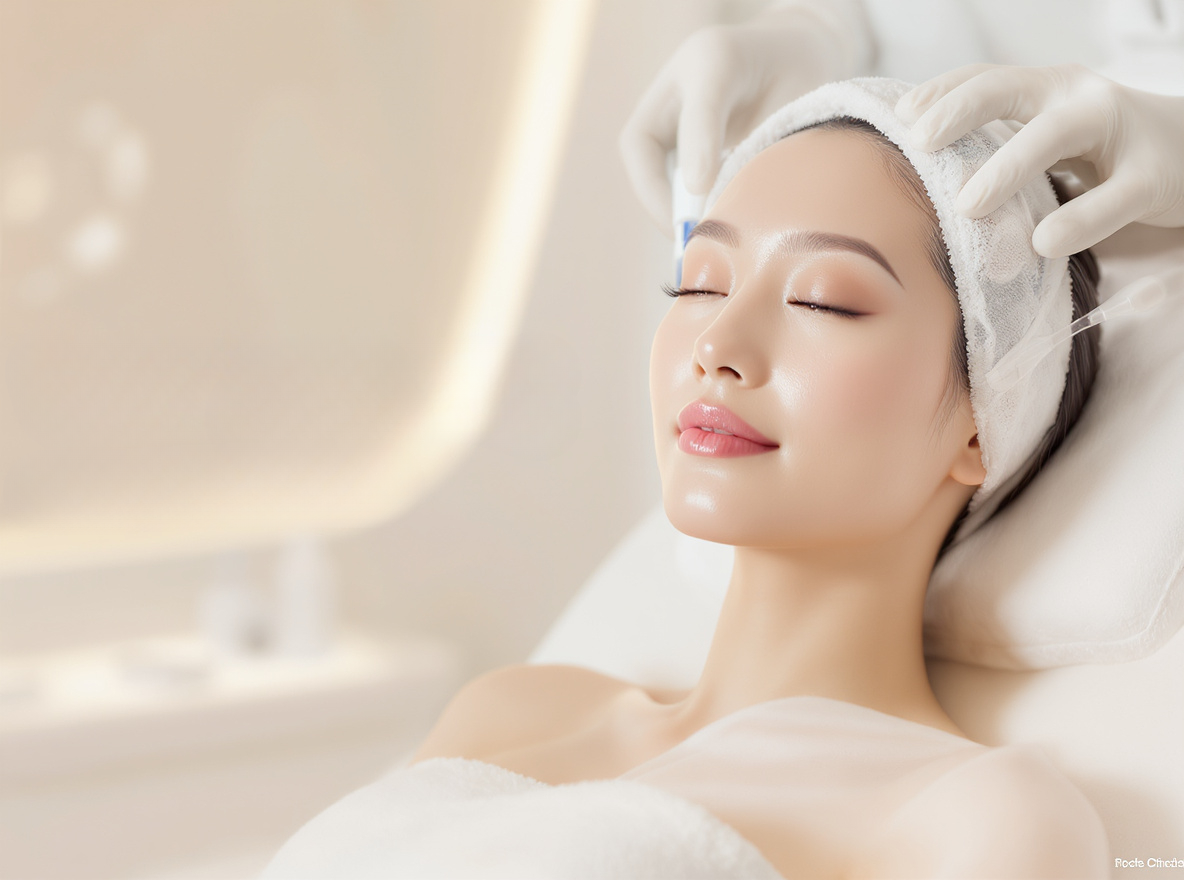
The landscape of medical aesthetics in Singapore has evolved significantly, with a growing emphasis on non-invasive technological interventions designed to address signs of aging. Among the various modalities available, High-Intensity Focused Ultrasound (HIFU) has emerged as a commonly utilized energy-based skin treatment. Designed to target tissue laxity without requiring surgical incisions, HIFU represents a fundamental shift in how medical professionals approach structural skin changes. When considering such interventions, understanding the underlying science, potential applications, safety profiles, and the factors that define standard clinical practices is essential for making informed healthcare decisions.
High-Intensity Focused Ultrasound is an energy-based skin treatment that utilizes localized thermal energy to invoke a biological response within the deeper layers of the skin. Unlike lasers or radiofrequency treatments that often target the superficial dermis or rely on bulk heating, HIFU is engineered to bypass the surface of the skin entirely, delivering precise energy to targeted structural layers.
The Science Behind HIFU Technology
The fundamental principle of HIFU relies on the concentration of ultrasonic waves. In a medical setting, these waves are focused onto specific focal points within the tissue, similar to how a magnifying glass focuses sunlight. When the ultrasound energy meets at this focal point, it rapidly increases the targeted tissue’s temperature, creating controlled zones of thermal coagulation. This localized heating stimulates the body’s natural wound-healing cascade. Over time, this biological response may help improve the structural integrity of the skin by encouraging the synthesis of new collagen and elastin fibers—a process formally known as neocollagenesis. Because the energy targets precise depths, the epidermis (the outermost layer of the skin) is usually left unaffected.
How Focused Ultrasound Affects the Skin Layers
Aesthetic clinics typically utilize medical-grade ultrasound devices capable of penetrating to variable depths, usually 1.5mm, 3.0mm, and 4.5mm beneath the skin surface. The 1.5mm depth targets the superficial dermis, which is responsible for finer lines and overall skin texture. The 3.0mm depth reaches the deep dermis, an area rich in structural connective tissue. The deepest aesthetic setting, at 4.5mm, targets the Superficial Musculoaponeurotic System (SMAS). The SMAS is a layer of dense fibrous tissue that acts as a structural foundation for the face, and it is the exact same layer manipulated during a surgical facelift. By delivering thermal energy to the SMAS, HIFU devices aim to induce a tightening effect at the foundational level of the facial structures.
The Timeline of Biological Remodeling
The physiological responses triggered by focused ultrasound do not occur overnight. The initial phase involves the inflammatory response, where macrophages clear cellular debris from the thermal coagulation points. This transitions into the proliferative phase, where fibroblasts are recruited to synthesize new collagen. Finally, the remodeling phase occurs over several months, during which the newly formed collagen organizes into tighter, more resilient networks. Consequently, visible changes unfold gradually over a period of weeks to months.
If you’re considering HIFU treatment in Singapore, it’s essential to choose the right clinic to ensure effective results and safety. For additional insights on skin treatments, you might find this article helpful: Here’s What to Know Before Removing Moles & Skin Lesions. It provides valuable information about various skin procedures that can complement your HIFU experience.
Common Clinical Applications of HIFU Treatments
Medical professionals in Singapore aesthetic clinics utilize HIFU for a variety of indications, primarily centered around addressing age-related tissue descent and volume displacement. The treatment is primarily assessed for patients experiencing mild to moderate skin laxity.
Addressing Facial Laxity and Fine Lines
One of the primary applications of focused ultrasound is the management of overall facial laxity. As natural aging progresses, the depletion of endogenous collagen leads to a loss of structural support, resulting in the descent of the mid-face, the deepening of nasolabial folds, and the emergence of fine rhytids (wrinkles). By directing thermal energy into the mid-facial structures and the periorbital (around the eyes) region, HIFU may help improve dermal thickness and tissue suspension. Practitioners often target the brow area to subtly lift the tissues above the eyes, potentially reducing the appearance of heavy eyelids.
Application on the Neck and Jawline
The submental region (under the chin) and the jawline are areas highly susceptible to laxity, often resulting in a poorly defined facial contour or the appearance of a “double chin.” HIFU serves as a tool for physicians attempting to address these specific anatomical zones. Delivering targeted energy to the SMAS and deep dermis along the mandibular border may help improve the definition of the jawline by addressing the loose tissue that obscures it. However, it must be noted that results vary between individuals, and anatomical factors such as underlying bone structure and submental fat volume will influence clinical outcomes.
Body Contouring Considerations
Beyond facial applications, specialized high-intensity focused ultrasound protocols are sometimes employed for body contouring. Adapting the technology to target deeper subcutaneous adipose (fat) layers allows practitioners to address localized adiposity and overlying skin laxity on regions such as the abdomen, upper arms, flanks, and thighs. While this application aims to refine body contours, it bears emphasizing that HIFU is not a weight-loss modality; it is intended strictly for localized tissue firming and structural remodeling in individuals who are near their target body weight.
Evaluating the Safety Profile and Potential Risks
In the realm of medical aesthetics, no procedure is entirely devoid of risk. An objective understanding of the safety profile of energy-based skin treatments is a crucial component of the patient education process. While HIFU is non-surgical, it involves the active alteration of human tissue through thermal injury.
Common Mild Side Effects Expected Post-Treatment
Following a typical session, patients generally experience predictable, transient reactions as a direct result of the tissue heating. Erythema (redness) is common immediately after the procedure, usually subsiding within a few hours. Mild edema (swelling) can occur, particularly in areas with thinner skin or where a higher density of energy was applied. Patients frequently report temporary sensory changes, such as mild tingling, tenderness to the touch, or transient numbness, particularly along the jawline or bony prominences. These localized responses typically resolve without medical intervention over a matter of days or weeks.
Rare but Serious Complications
While highly uncommon when performed by comprehensively trained medical providers, serious complications remain a possibility, particularly if the precise anatomical layers are incorrectly targeted or inappropriate energy settings are used. The specific thermal targeting requires caution near motor and sensory nerves. Rarely, neuropraxia (temporary nerve injury) can occur, leading to temporary muscle weakness or localized numbness, most notably involving the marginal mandibular nerve. Furthermore, improper energy coupling to the skin surface can result in thermal burns, which in turn may provoke post-inflammatory hyperpigmentation—a risk that is meticulously managed in the skin types commonly seen in the Singaporean demographic.
Medical Suitability and Contraindications
Patient selection is paramount to both safety and efficacy. Not all individuals are suitable candidates for HIFU treatments. Absolute contraindications typically include pregnancy, breastfeeding, open facial wounds, active systemic or localized infections, and the presence of severe cystic acne in the treatment area. Patients with implanted electrical devices, such as pacemakers, or metallic implants near the region of interest are typically excluded for safety reasons. Furthermore, individuals presenting with severe skin laxity or significant sun damage may find this non-invasive approach insufficient and might be counseled on alternative interventions, such as surgical management.
What to Expect During a HIFU Treatment Session
Navigating an aesthetic treatment involves understanding the logistical and clinical steps undertaken by the clinical team. Adherence to a structured medical process ensures patient safety and aligns expectations with clinical realities.
The Initial Consultation and Assessment
The patient pathway begins with a rigorous medical consultation. A registered clinical professional will evaluate the patient’s comprehensive medical history, previous aesthetic interventions, and specific anatomical concerns. This physical assessment involves palpating the targeted tissue to gauge dermal thickness, muscular tone, and baseline laxity. The consultation is exclusively purposed for establishing whether the individual is structurally suited for an energy-based skin treatment. During this stage, practitioners outline the realistic scope of the intervention, reinforcing that results vary between individuals based on age, lifestyle factors, and unique biological healing capacities.
The Treatment Process
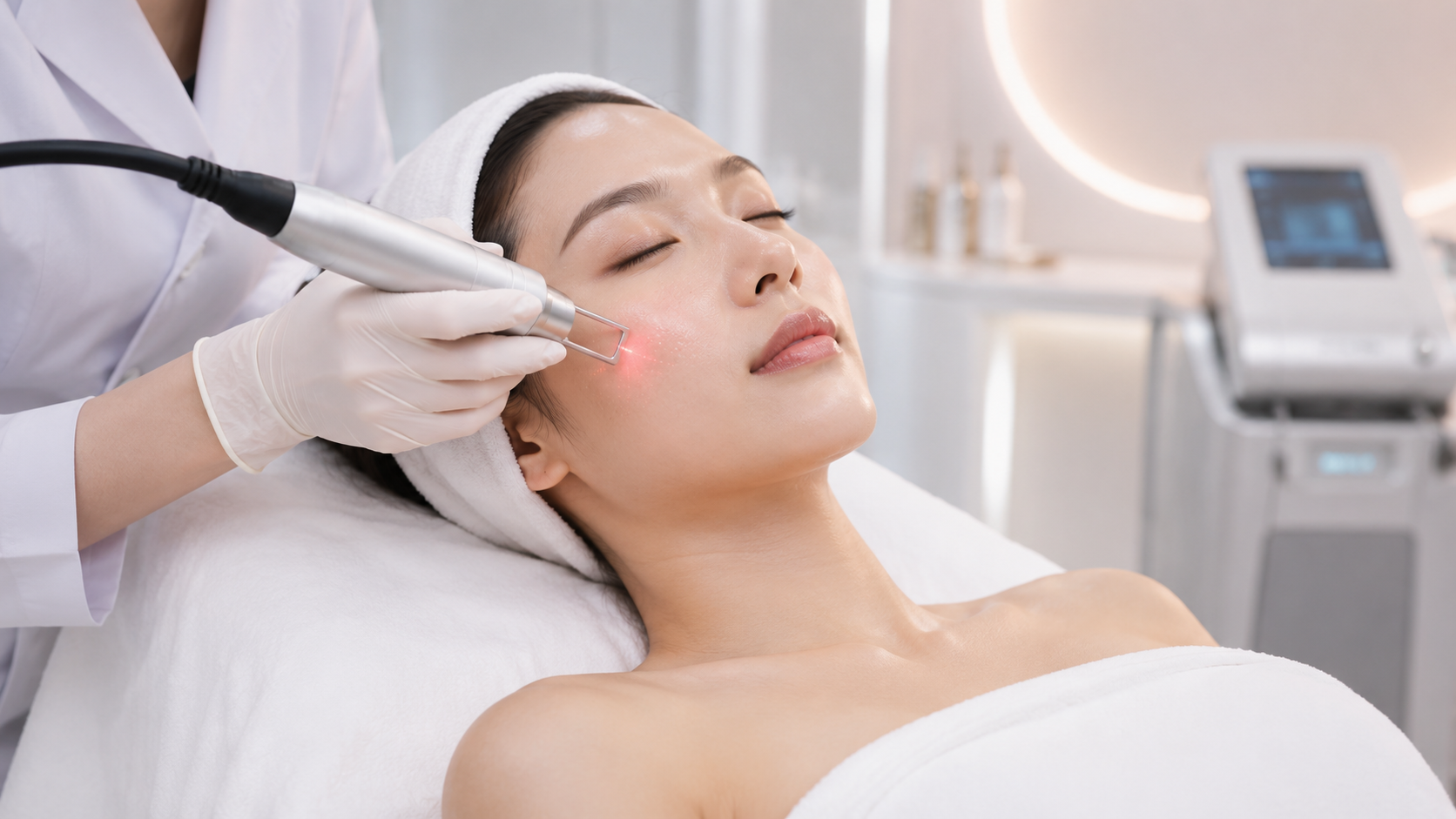
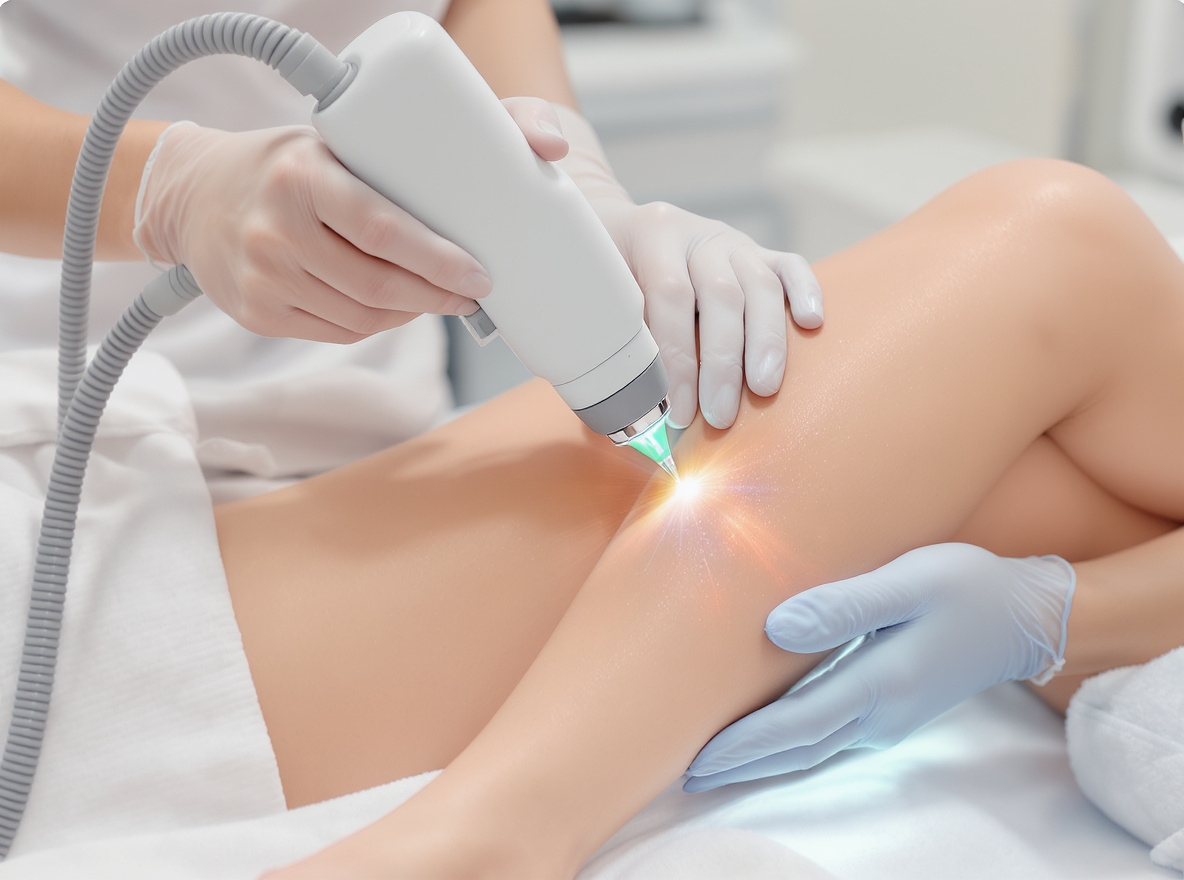
Should a patient proceed, the treatment process is straightforward and conducted within the clinical facility. The targeted area is systematically cleansed, and a medical-grade ultrasound gel is applied to facilitate the seamless transmission of acoustic waves from the device transducer to the skin. During the energy delivery, patients will perceive a sensation of heat, prickling, or snapping beneath the skin’s surface. This sensation is directly indicative of the thermal coagulation points being established within the target layers. Because comfort levels fluctuate widely among individuals, clinics may employ various pain management strategies, including topical anesthetics, oral analgesia, or customized adjustments to the device’s energy output based on real-time patient feedback.
Post-Treatment Care and Recovery
Unlike surgical interventions, HIFU treatments do not typically necessitate extended periods of downtime. Often described in functional terms due to the absence of epidermal damage, patients can generally resume their daily activities immediately following the conclusion of the session. Post-treatment care usually involves maintaining strict ultraviolet (UV) protection through the diligent application of broad-spectrum sunscreen and the temporary avoidance of harsh, active skincare ingredients such as retinoids or chemical exfoliants, which may irritate the skin. Continued hydration and a supportive overall lifestyle can help optimize the biological environment required for subsequent collagen remodeling.
If you’re considering HIFU treatment in Singapore, you might find it helpful to explore the benefits of other advanced skin treatments as well. For instance, an insightful article discusses the science behind Pico Laser and how it can complement your skincare routine. You can read more about it here. Understanding various treatment options can help you make an informed decision about the best clinic for your needs.
Navigating HIFU Treatment Clinics: Factors to Consider
| Clinic Name | Location | Cost of HIFU Treatment | Success Rate | Customer Reviews |
|---|---|---|---|---|
| Dr. Tyng Tan Aesthetics and Hair Clinic | Orchard Road | 2000 – 4000 | 90% | 4.5/5 |
| SW1 Clinic | Paragon Medical Centre | 2500 – 4500 | 85% | 4.2/5 |
| Prive Clinic | Palais Renaissance | 1800 – 3800 | 88% | 4.3/5 |
Within Singapore’s meticulously regulated healthcare framework, several clinical factors discern comprehensive medical care from standardized service delivery. Patients are encouraged to approach the selection of an aesthetic clinic with careful deliberation, focusing on clinical governance over marketing terminology.
Regulatory Compliance and Medical Oversight in Singapore
Aesthetic medicine in Singapore operates under the stringent guidelines of the Healthcare Services Act (HCSA) and the Ministry of Health (MOH). Clinics offering medical-grade energy-based skin treatments must adhere to robust protocols regarding equipment maintenance, infection control, and professional medical standards. When evaluating a clinical facility, it is essential to look for environments where rigorous medical oversight is maintained. Medical-grade high-intensity focused ultrasound devices require an in-depth understanding of complex facial anatomy, ensuring that the intersecting thermal energy safely avoids vital structures like nerves and blood vessels. Treatment should always be anchored by thorough medical screening and professional accountability.
The Importance of a Customised Treatment Plan
Human faces are anatomically diverse, rendering standardized or uniform treatment protocols ineffective at best, and medically inappropriate at worst. Clinics maintaining high clinical standards will prioritize highly customized treatment plans. This involves the attending practitioner strategically conceptualizing an energy vector map tailored exclusively to the patient’s individual anatomical presentation. The physician must determine the precise amount of thermal energy required, the specific depths necessary for different facial zones, and the appropriate number of treatment “lines” or focal points. A younger patient seeking subtle structural support will require vastly different clinical parameters compared to an older patient requiring more profound deep-dermis stimulation.
Managing Expectations for Results and Maintenance
An integral hallmark of responsible clinical practice is the transparent management of patient expectations. Medical professionals will emphasize that the outcomes of HIFU treatments are neither permanent nor instant. As the process hinges on stimulating the body’s natural regenerative abilities, visual changes are gradual. Patients should expect to wait several months to observe potential improvements in tissue firmness and suspension. The aging process is continuous, and as endogenous collagen inevitably degrades over time, the structural improvements yielded by an ultrasound procedure will naturally wane. Consequently, ongoing clinical assessment and maintenance treatments—typically spaced out over varying intervals determined by the physician—are generally required to sustain clinical outcomes. The focus of the consultation should not be transactional, but rather centered on establishing a sustainable, long-term approach to dermal health and structural integrity.
FAQs
What is HIFU treatment?
HIFU, or High-Intensity Focused Ultrasound, is a non-invasive therapeutic technique that uses focused ultrasound waves to heat and destroy targeted tissue in the body without affecting surrounding tissues.
What are the benefits of HIFU treatment?
HIFU treatment is commonly used for non-invasive facelifts, body contouring, and treating various medical conditions such as prostate cancer, uterine fibroids, and essential tremor. It is known for its minimal downtime, fewer risks of complications, and no scarring.
What are the best clinics for HIFU treatment in Singapore?
Some of the best clinics for HIFU treatment in Singapore include The Clifford Clinic, SW1 Clinic, and The Chelsea Clinic. These clinics are known for their experienced medical professionals, state-of-the-art facilities, and positive patient reviews.
What should I consider when choosing a clinic for HIFU treatment in Singapore?
When choosing a clinic for HIFU treatment in Singapore, it is important to consider the qualifications and experience of the medical professionals, the clinic’s reputation and track record, the technology and equipment used, as well as the overall cost and any additional services provided.
What is the average cost of HIFU treatment in Singapore?
The cost of HIFU treatment in Singapore can vary depending on the area being treated and the clinic chosen. On average, the cost of HIFU treatment for facial rejuvenation can range from SGD 2,000 to SGD 5,000 per session, while the cost for body contouring can range from SGD 3,000 to SGD 8,000 per session.