Pigmentations are rather fair. Most of us are infflicted with one type of pigmentation or another. With year-round UV exposure, humidity, and busy lifestyles, many people notice dark spots, uneven tone, melasma, or post-acne marks developing over time.
And pigmentations make their debut, they are frustratingly stubborn and tricky to treat.
A quick online search for pigmentation treatment Singapore brings up countless options; creams, lasers, peels, “brightening boosters,” and home remedies that promise fast results. But pigmentation is rarely that simple.
In reality, managing pigmentation safely and effectively often depends on avoiding a few key mistakes that many people make along the way.
Let’s walk through them.
Mistake #1: Treating Pigmentation Superficially
One of the biggest misconceptions is that pigmentation is just a stain sitting on the surface of our skin.
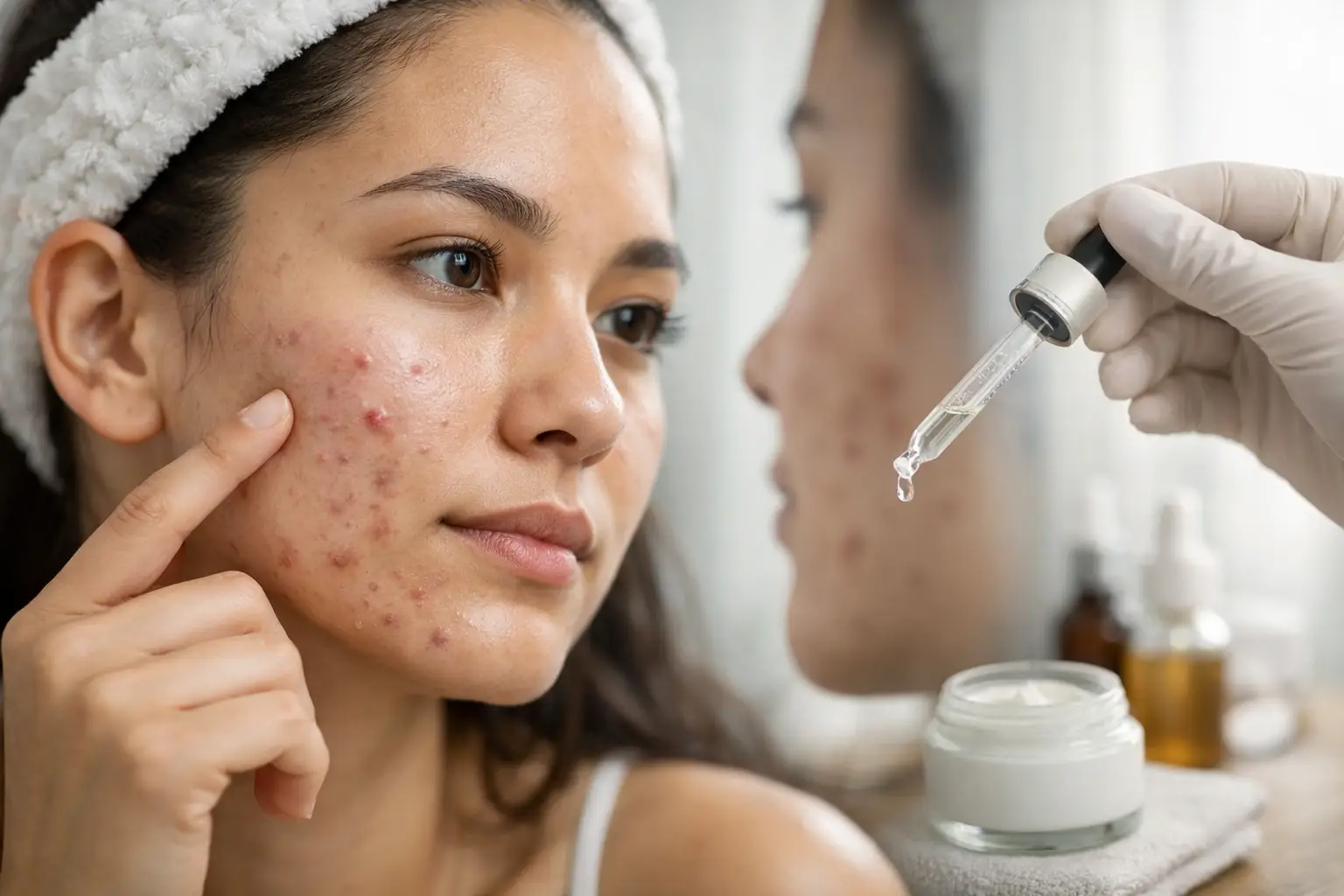
In truth, pigmentation can form at different depths. Yes. What you see on the skin surface can be rooted at deeper skin layer. Some dark spots are superficial, while others, like melasma, develop in the deep dermal layer and are accompanied by inflammation. These are also often triggered by hormonal changes.
This is why pigmentation treatment in Singapore often requires a professional and personalised approach rather than a one-size-fits-all product or procedure.
A proper skin assessment by a doctor who is experienced in treating pigmentation goes a long way to help determine what type of pigmentation you’re dealing with before starting treatment.
Mistake #2: Not Taking Sun Protection Seriously in Singapore’s Climate
Singapore’s UV levels are consistently high, even on cloudy days.
Sun exposure is one of the strongest triggers for melanin production. Without strict daily sunscreen use, pigmentation can worsen or return even after professional treatment.
Many patients invest in treatments but underestimate the importance of:
- Broad-spectrum sunscreen
- Reapplication during the day
- Sun avoidance during peak hours
- Using the right sunscreen
In most pigmentation management plans, sun protection is not optional — it is COMPULSARY.
Mistake #3: Overusing Strong Skincare with Harsh Ingredients
It’s easy to fall into the trap of layering multiple “brightening” products at once.
But over-exfoliating or combining strong acids, retinoids, and lightening agents too aggressively can irritate the skin barrier. This inflammation occurs it worsen pigmentation as they often result in post-inflammatory hyperpigmentation.
Proper pigmentation care is often about balance, not intensity. Our skin needs time to adjust. More is not always better.
Mistake #4: Expecting Instant Results From Pigmentation Treatment
P for Pigmentation… and Patience.
Improving the appearance of pigmentation takes time. Even with medical-grade skincare or in-clinic pigmentation treatment, results are usually gradual because melanin is stored within skin cells that renew slowly. Pigmentation, such as melasma , is chronic and will require ongoing maintenance.
If one expects a quick fix, you may jump between treatments too quickly without allowing any plan to work properly.
Patience matters more than people think.
Mistake #5: Trying DIY Home Remedies That Irritate the Skin
Social media is full of home hacks. You may have come across remedies involving lemon juice, baking soda, and random scrubs. All claiming to be tried and tested to “remove pigmentation naturally.”
Unfortunately, many of these home remedies damage the skin barrier and trigger irritation, which can lead to more uneven tone over time. Pigmentation-prone skin can only improve with gentle, evidence-based treatments rather than harsh DIY experimentation.
Mistake #6: Treating Only the Spot Instead of the Trigger
Pigmentation is often a symptom of an underlying problem.
For example:
- Melasma may be influenced by hormones and UV exposure
- Post-acne marks are caused by inflammation
- Sunspots reflect cumulative sun damage
If treatment focuses only on lightening pigmentation sites without addressing the cause, you will see the problem resurfacing (pun intended) in no time.
Effective pigmentation treatment in Singapore often involves both correction and prevention.
Mistake #7: Assuming All Lasers Are Suitable for All Pigmentation
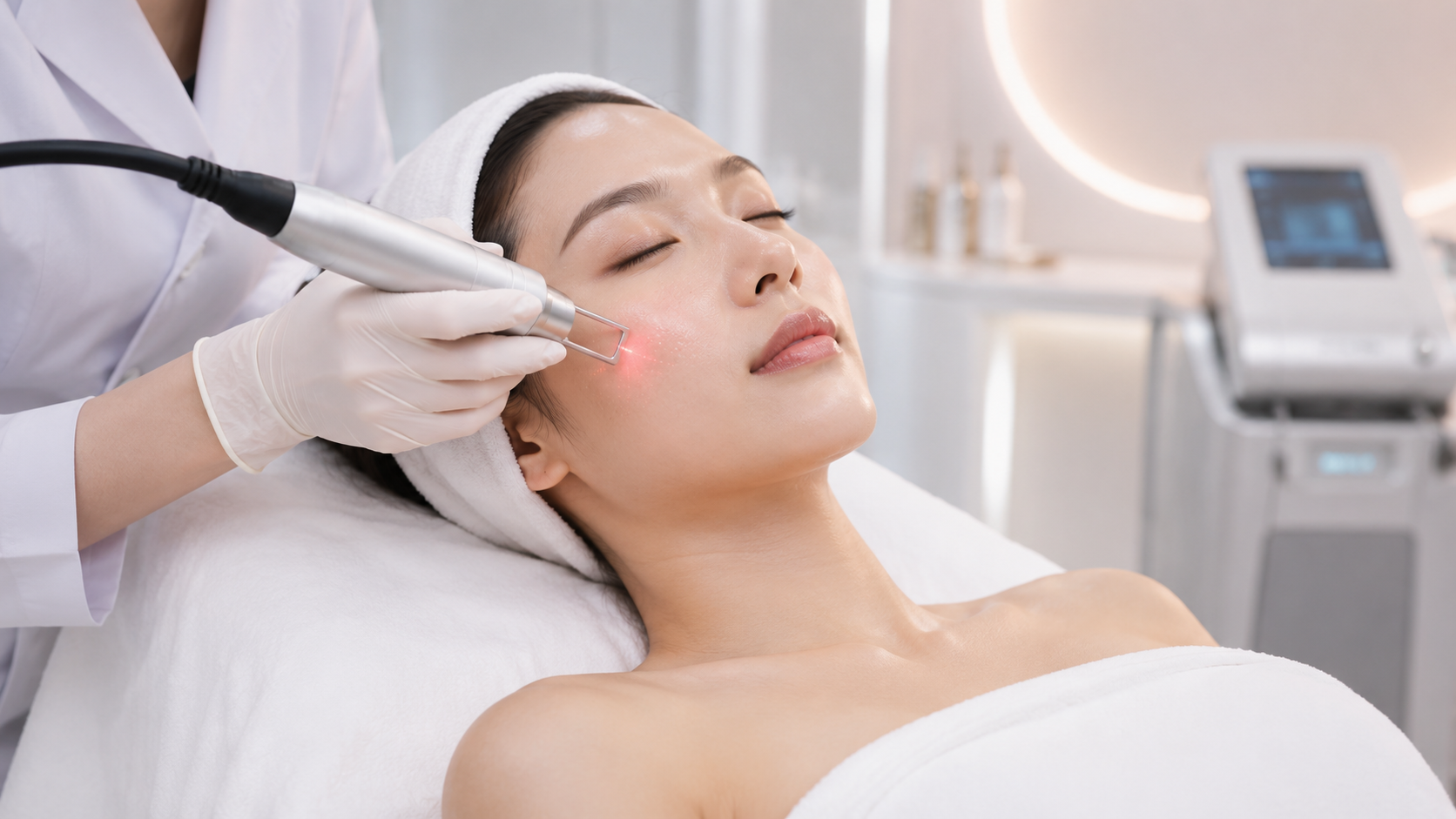
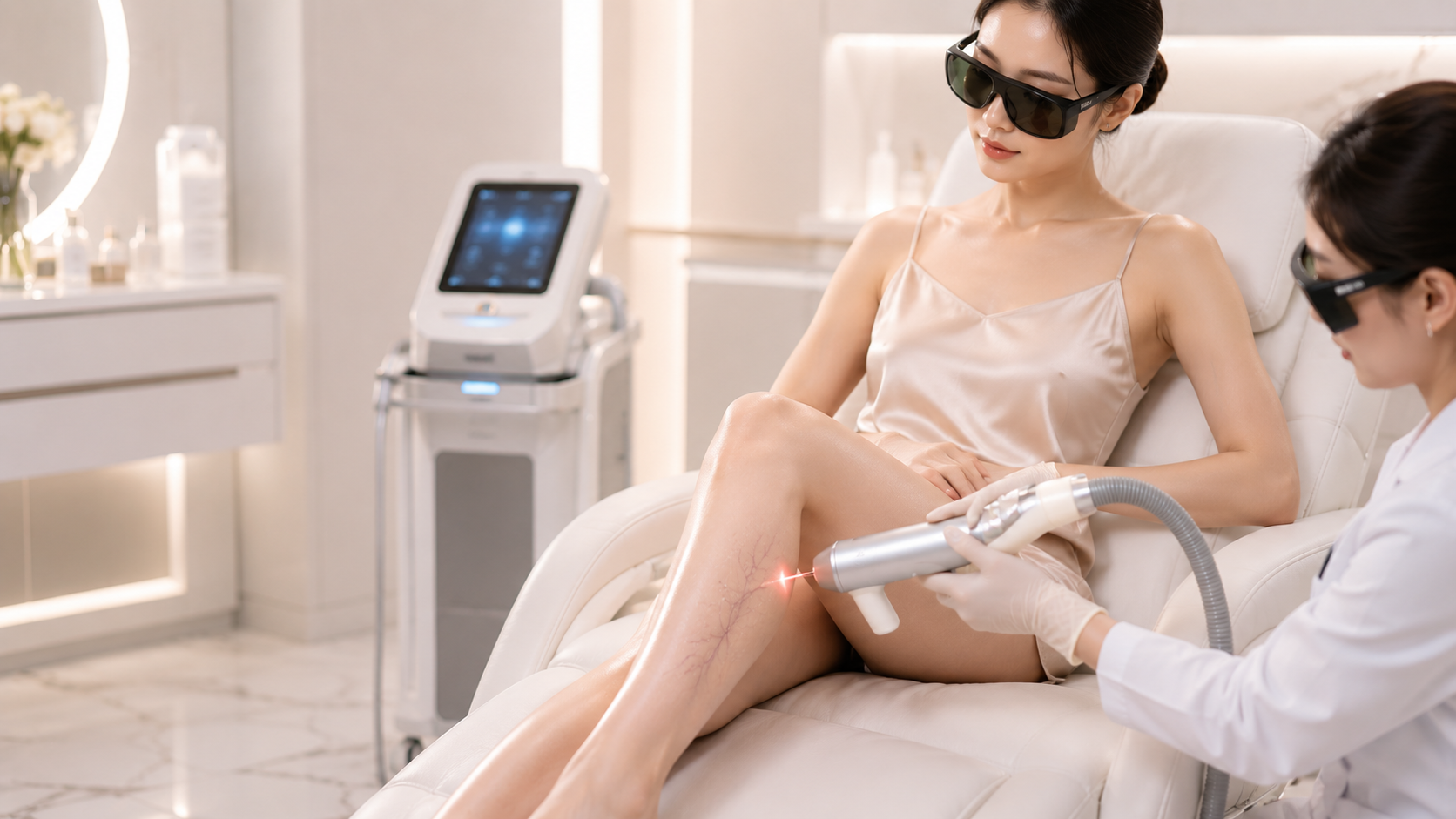
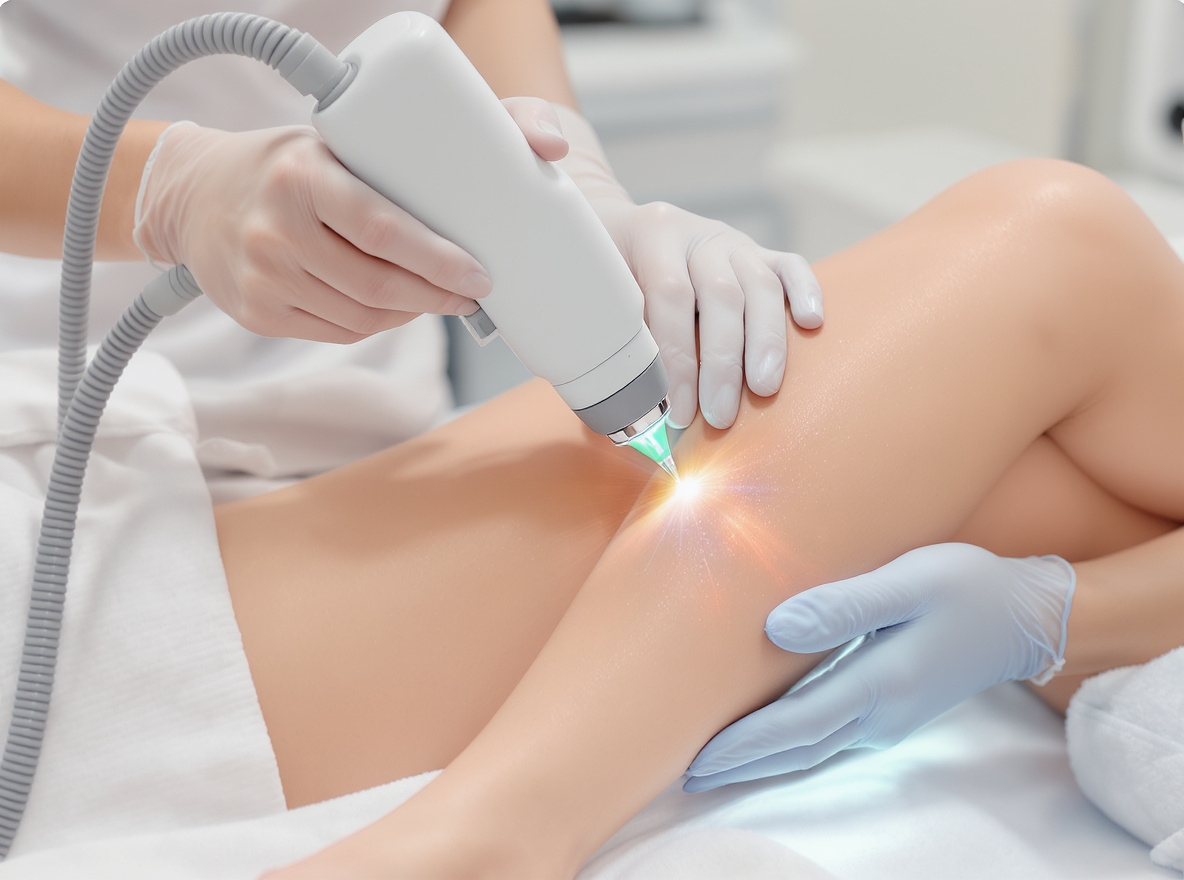
Laser treatments are commonly searched under pigmentation treatment Singapore, but not all lasers are appropriate for every pigment condition and any skin type.
Some devices target superficial sunspots, while others require extra caution in melasma-prone skin because heat may sometimes cause these pigmentations to further darken. Hence, professional medical assessment is crucial in order to prescribe the right treatment plan for your skin type and pigmentation depth.
Mistake #8: Ignoring Skin Barrier Health During Treatment
Healthy skin heals better.
When our skin barrier is compromised, it becomes more reactive, easily inflamed, and prone to pigmentation. In the pursuit of clear, porcelain skin, we often neglect the fundamental needs of our skin:
- Hydration
- Barrier repair
- Calming ingredients
- Adequate recovery time
Mistake #9: Delaying Medical Help for Persistent Pigmentation
Not all pigmentation is the same. What works for your peers may not work for you.
If the dark patches on your face are spreading, recurring, or significantly affect your confidence, it may be worth consulting a qualified medical professional rather than self-medicating.
A medical aesthetic clinic can provide structured options such as:
- Prescription-based topical regimens
- Professional pigment-support treatments
- Combination approaches tailored to your concerns
A Smarter Approach to Effective Pigmentation Treatment in Singapore
Pigmentation can be emotionally draining. Many patients simply want their skin to look clearer and more even again. Not forgetting FAST.
But effective pigmentation care is often less about chasing quick fixes and more about avoiding common pitfalls.
At Lynn Medical, our approach to effective pigmentation treatment in Singapore is centred on medical assessment, safety, and long-term skin support, with treatment plans that both prevent and treat the discolouration.
Because clearer skin isn’t about overnight miracles.
It’s about patient, consistent care.
References
Comprehensive evidence-based review on melasma treatments (topical, peels, lasers):
https://pubmed.ncbi.nlm.nih.gov/23881551/
Systematic review and meta-analysis of laser therapy for melasma, including risks of post-treatment changes:
https://pubmed.ncbi.nlm.nih.gov/35122202/
Review of melasma treatment modalities, including topical and emerging options:
https://pubmed.ncbi.nlm.nih.gov/31603285/
Evidence on the role of sunscreen in melasma and post-inflammatory hyperpigmentation:
https://pubmed.ncbi.nlm.nih.gov/32029932/
Open-access overview of melasma management (photoprotection, topical, oral, procedures):
https://link.springer.com/article/10.1007/s13555-022-00780-4
International review of laser and light therapy in melasma (discussing effectiveness and recurrence):
https://www.sciencedirect.com/science/article/pii/S2352647517300047