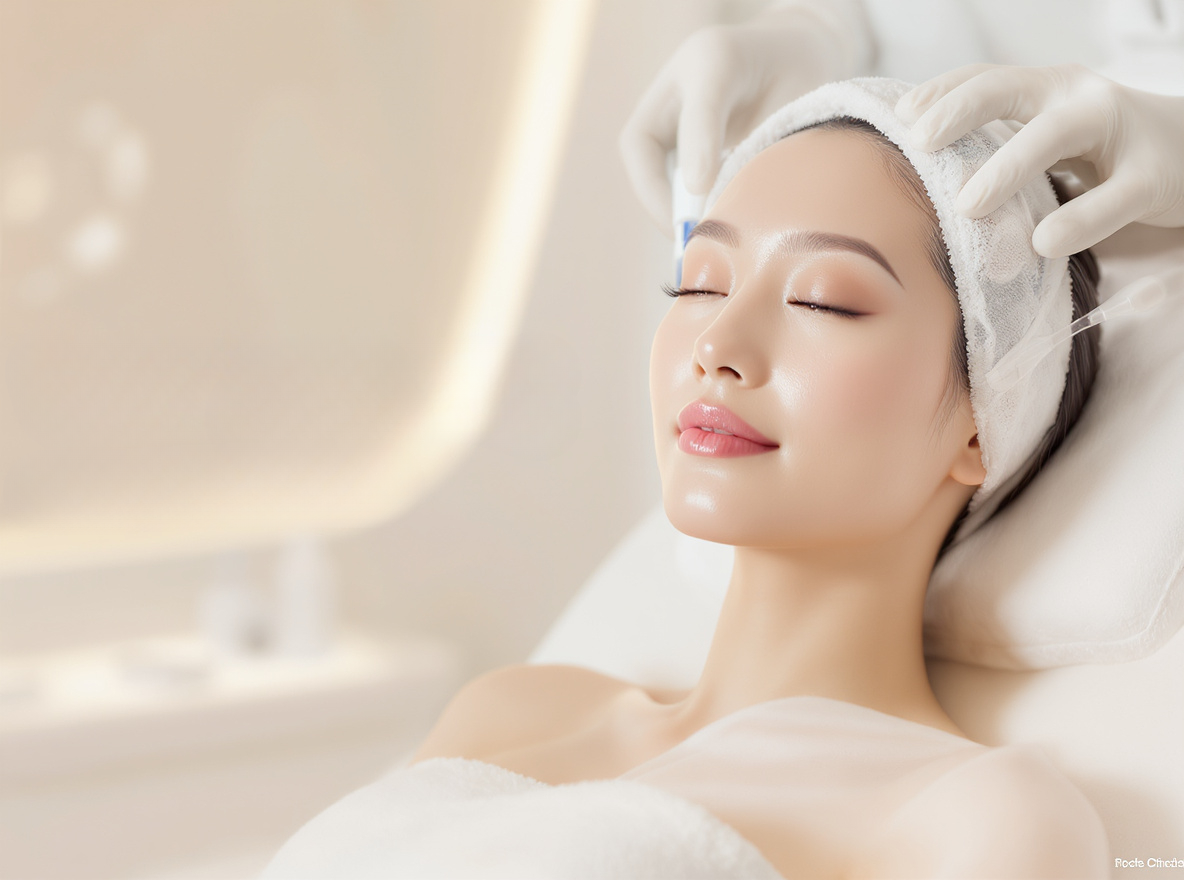
Maintaining optimal skin hydration is a fundamental aspect of dermatological health, particularly within Singapore’s distinctive tropical climate. The high humidity levels, while seemingly beneficial, can paradoxically contribute to transepidermal water loss (TEWL) due to the constant interplay between the skin and the environment. This section will delve into the physiological mechanisms of skin hydration, the impact of environmental factors, and the role of a healthy skin barrier.
The outermost layer of our skin, the stratum corneum, acts as a protective barrier. This barrier comprises corneocytes (flattened cells) embedded in a lipid matrix (ceramides, cholesterol, and fatty acids). This structure is often likened to a “brick-and-mortar” wall, where the corneocytes are the “bricks” and the lipids are the “mortar.” A robust barrier prevents excessive water evaporation from the deeper layers of the skin, thus maintaining hydration. Within the corneocytes, Natural Moisturizing Factors (NMFs) – a complex mixture of humectants like amino acids, urea, and lactates – draw and hold water within these cells.
Singapore’s consistently high temperatures and humidity present a unique challenge. While high humidity might suggest less need for hydration, the body’s natural cooling mechanism involves perspiration. As sweat evaporates, it can sometimes carry away essential moisture from the skin’s surface, leading to dehydration. Furthermore, frequent exposure to air-conditioned environments, an integral part of life in Singapore, can significantly dry out the skin by reducing ambient humidity. Understanding these dynamics is crucial for developing an effective skin hydration strategy.
The Science of Skin Hydration
Skin hydration is not merely about applying water to the skin; it is a complex biological process involving multiple layers and components. The epidermis, particularly the stratum corneum, plays a pivotal role in this process.
Transepidermal Water Loss (TEWL)
TEWL refers to the passive diffusion of water through the epidermis and its evaporation into the surrounding atmosphere. It is a natural physiological process, but elevated TEWL indicates a compromised skin barrier. Factors influencing TEWL include environmental humidity, temperature, skin barrier integrity, and the presence of occlusive agents. In Singapore’s warm climate, even with high humidity, factors such as sun exposure and air conditioning can elevate TEWL.
Natural Moisturizing Factors (NMFs)
NMFs are water-soluble compounds found within the corneocytes. These endogenous humectants attract and bind water, helping to maintain the hydration levels of the stratum corneum. The composition of NMFs can be influenced by genetic factors, age, and environmental exposures. A deficiency in NMFs can lead to dry, flaky, and tight-feeling skin, making it more vulnerable to external stressors.
The Lipid Barrier and Its Importance
The lipid matrix within the stratum corneum is composed primarily of ceramides, free fatty acids, and cholesterol. These lipids are organized into lamellar structures, creating a formidable barrier against water loss and penetration of irritants. A disruption in the balance or composition of these lipids can impair barrier function, leading to increased TEWL and heightened skin sensitivity. Certain dermatological conditions, such as eczema, are often characterized by a compromised lipid barrier.
For those interested in enhancing their skin hydration routine in Singapore, a valuable resource can be found in the article titled “Unlocking the Secrets to Perfectly Hydrated Skin.” This article delves into various techniques and products that can help achieve optimal skin moisture levels, making it a must-read for anyone looking to improve their skincare regimen. You can access the article [here](https://lazzaesthetic.com.sg/6442-2/).
Identifying Your Skin’s Hydration Needs
Understanding your skin type and current condition is paramount to developing an effective hydration regimen. Skin can be broadly categorized, but individual needs often require a more nuanced assessment.
Dry vs. Dehydrated Skin
It is important to differentiate between dry skin and dehydrated skin, as the underlying causes and treatment approaches differ.
Dry Skin Characteristics
Dry skin is a skin type characterized by a lack of oil (sebum) production. This inherent condition means the skin produces less natural lubrication, leading to a compromised lipid barrier. Visually, dry skin may appear dull, flaky, and feel tight, especially after cleansing. It may also be more prone to redness and irritation. The pores are typically small or invisible. This condition often requires emollients and occlusives to replenish the lipid layer.
Dehydrated Skin Characteristics
Dehydrated skin, in contrast, is a skin condition that can affect any skin type, including oily or combination skin. It signifies a lack of water content in the stratum corneum. Symptoms include a feeling of tightness, dullness, and occasionally, an increased visibility of fine lines, especially when the skin is pinched. The skin might feel rough and lose its plumpness. Dehydration can be exacerbated by environmental factors, insufficient water intake, and inappropriate skincare products. Addressing dehydrated skin often involves incorporating humectants and ensuring adequate internal hydration.
Factors Affecting Skin Hydration
Various internal and external factors influence skin hydration levels. Recognizing these can help individuals tailor their skincare routines.
Environmental Factors in Singapore
Singapore’s omnipresent humidity can be a double-edged sword. While it generally reduces the osmotic gradient for water loss from the skin, the pervasive use of air conditioning significantly reduces indoor humidity. Prolonged exposure to air-conditioned environments can pull moisture from the skin. Furthermore, UV radiation from the sun can damage the skin barrier, leading to increased TEWL. Exposure to urban pollutants can also contribute to oxidative stress, potentially impacting barrier function.
Lifestyle Choices
Dietary habits play a role in overall skin health. Adequate water intake is fundamental for systemic hydration, which in turn supports skin hydration. A diet rich in antioxidants, healthy fats (omega-3 and omega-6 fatty acids), and vitamins (especially A, C, and E) supports skin barrier function and collagen production. Conversely, excessive consumption of processed foods, high sugar intake, and alcohol can negatively impact skin health and contribute to dehydration. Stress, lack of sleep, and smoking are additional lifestyle factors that can compromise skin barrier integrity and reduce hydration.
Age and Hormonal Influences
As individuals age, intrinsic changes occur within the skin that affect its hydration capacity. The production of NMFs, sebum, and hyaluronic acid (a potent humectant) naturally declines with age. The epidermal cell turnover rate also slows, leading to a less efficient skin barrier. Hormonal fluctuations, particularly during menopause, can further exacerbate dryness and reduce skin elasticity due to decreased estrogen levels.
Home Care Strategies for Optimal Hydration
A consistent and well-considered home skincare routine is foundational for maintaining skin hydration, especially within Singapore’s climate. The selection of products and application techniques can significantly impact outcomes.
Cleansing Wisely
The first step in any skincare routine, cleansing, is critical to effective hydration. Harsh cleansing agents can strip the skin of its natural lipids and NMFs, compromising the barrier and leading to dryness and irritation.
Gentle Cleansers for Barrier Preservation
Opt for sulfate-free, pH-balanced cleansers that are formulated to preserve the integrity of the skin barrier. Look for ingredients such as ceramides, glycerin, or hyaluronic acid in your cleanser. Cream, milk, or oil-based cleansers are generally more suitable for dry and dehydrated skin types. Avoid over-cleansing, particularly with hot water, as this can exacerbate dryness. A single cleanse in the morning and a double cleanse in the evening (if wearing makeup or sunscreen) is typically sufficient. The skin should feel clean but not tight or stripped after washing.
The Role of Toners and Serums
These steps follow cleansing and are crucial for delivering targeted hydration and active ingredients.
Hydrating Toners and Essences
After cleansing, a hydrating toner or essence can prepare the skin to better absorb subsequent products. These products typically contain humectants such as hyaluronic acid, glycerin, and natural extracts. They help to replenish moisture that may have been lost during cleansing and balance the skin’s pH. Patting these products gently onto damp skin can enhance absorption.
Serums with Potent Humectants
Serums are concentrated formulations designed to deliver specific active ingredients deep into the skin. For hydration, look for serums rich in humectants. Hyaluronic acid, in various molecular weights, is a popular choice, as higher molecular weight forms work on the surface, while lower molecular weight forms may penetrate deeper. Other effective humectants include glycerin, urea, sodium PCA, and polyglutamic acid. These ingredients attract water from the atmosphere and deeper skin layers, helping to plump the skin and reduce the appearance of fine lines. Niacinamide (Vitamin B3) can also be beneficial, as it supports skin barrier function and reduces TEWL.
Moisturizers: The Cornerstones of Hydration
Moisturizers are perhaps the most vital component of a hydrating routine, sealing in moisture and reinforcing the skin barrier.
Emollients, Humectants, and Occlusives
Most effective moisturizers combine various types of ingredients:
- Humectants: (e.g., glycerin, hyaluronic acid) attract and hold water.
- Emollients: (e.g., ceramides, fatty acids, cholesterol) fill in gaps between skin cells, smoothing the skin and restoring barrier function.
- Occlusives: (e.g., petrolatum, mineral oil, silicones) form a physical barrier on the skin surface to prevent water evaporation (TEWL).
In Singapore’s humid climate, lighter-textured moisturizers like lotions or gels might be preferred during the day to avoid a heavy feeling, while a richer cream containing a good balance of emollients and occlusives might be suitable for nighttime use, especially in air-conditioned environments. The key is to find a formulation that provides adequate hydration without causing congestion or discomfort.
Application Techniques for Enhanced Absorption
Apply moisturizers to slightly damp skin immediately after serums. This helps to lock in the water from the previous steps. Gently patting and pressing the product into the skin can facilitate absorption. Do not rub vigorously, as this can irritate the skin. Remember to extend your moisturizer to the neck and décolletage. Consistent application, both morning and night, is essential for maintaining continuous hydration.
Sun Protection and Hydration
Sun protection is not just about preventing sunburn and photoaging; it is also crucial for maintaining skin hydration and barrier integrity.
How UV Rays Compromise Hydration
Ultraviolet (UV) radiation from the sun can directly damage skin cells and the intercellular lipid matrix, leading to an increase in TEWL. Sunburn, in particular, is an inflammatory response that severely compromises the skin barrier. Chronic sun exposure can also deplete the skin’s natural antioxidants and NMFs, contributing to dryness and premature aging. Therefore, protecting the skin from UV damage is an indirect yet powerful strategy for maintaining hydration.
Choosing and Applying Sunscreen Effectively
In Singapore, a broad-spectrum sunscreen with an SPF of at least 30 and PA+++ or higher is recommended for daily use, even on cloudy days or when indoors near windows. Physical sunscreens (containing zinc oxide and titanium dioxide) are often well-tolerated and provide broad-spectrum protection. Chemical sunscreens absorb and neutralize UV radiation. Apply sunscreen as the final step in your morning skincare routine, liberally and evenly, at least 15-20 minutes before sun exposure. Reapplication every two hours, or more frequently if swimming or perspiring, is crucial. Look for sunscreens that also offer hydrating benefits, containing ingredients like hyaluronic acid or glycerin.
Advanced Aesthetic Treatments for Enhanced Hydration
While home care is fundamental, for individuals seeking more intensive hydration solutions or addressing specific concerns related to chronic dehydration or barrier dysfunction, aesthetic treatments offered in a clinical setting may be considered. These treatments work by delivering hydrating agents directly into the skin or by stimulating the skin’s natural regenerative processes.
Dermal Delivery of Hydrating Agents
These treatments involve the precise introduction of hydrating substances into the skin using various methods.
Injectable Hydration Treatments
Certain injectable treatments are designed to deliver non-cross-linked hyaluronic acid or similar hydrating compounds directly into the superficial layers of the skin. Unlike traditional dermal fillers that add volume, these treatments aim to improve skin quality, elasticity, and hydration by attracting and retaining water within the skin. They can help to address fine lines caused by dehydration and improve overall skin radiance. Multiple treatment sessions are typically recommended for optimal and sustained results, and periodic maintenance treatments may be necessary. Results vary between individuals. As with any injectable treatment, potential risks include bruising, swelling, and temporary discomfort at the injection sites. Suitability should be assessed by a qualified medical practitioner.
Micro-infusion Techniques
Micro-infusion devices use multiple tiny needles to create micro-channels in the skin, allowing for the superficially enhanced topical delivery of hydrating serums, vitamins, and other beneficial compounds. This method can help improve the skin’s ability to absorb active ingredients, potentially enhancing hydration and overall skin texture. It is a minimally invasive procedure, and the depth of penetration can be adjusted. Potential side effects include transient redness and mild irritation. Suitability should be determined by a qualified professional.
Collagen-Stimulating Treatments
Some treatments primarily focus on stimulating the natural production of collagen and elastin, which indirectly supports skin hydration by improving skin structure and elasticity.
Collagen-Stimulating Injectable Treatments
Certain injectable treatments contain compounds that, once introduced into the skin, stimulate the body’s natural collagen production over time. While not directly hydrating in the way hyaluronic acid is, improved collagen infrastructure can lead to better skin elasticity, firmness, and a healthier barrier, which in turn can contribute to better moisture retention. These treatments typically involve a series of sessions, with results gradually appearing over several months. Potential risks include nodules, bruising, and swelling. Patient selection and thorough consultation with a medical professional are essential.
Energy-Based Skin Treatments
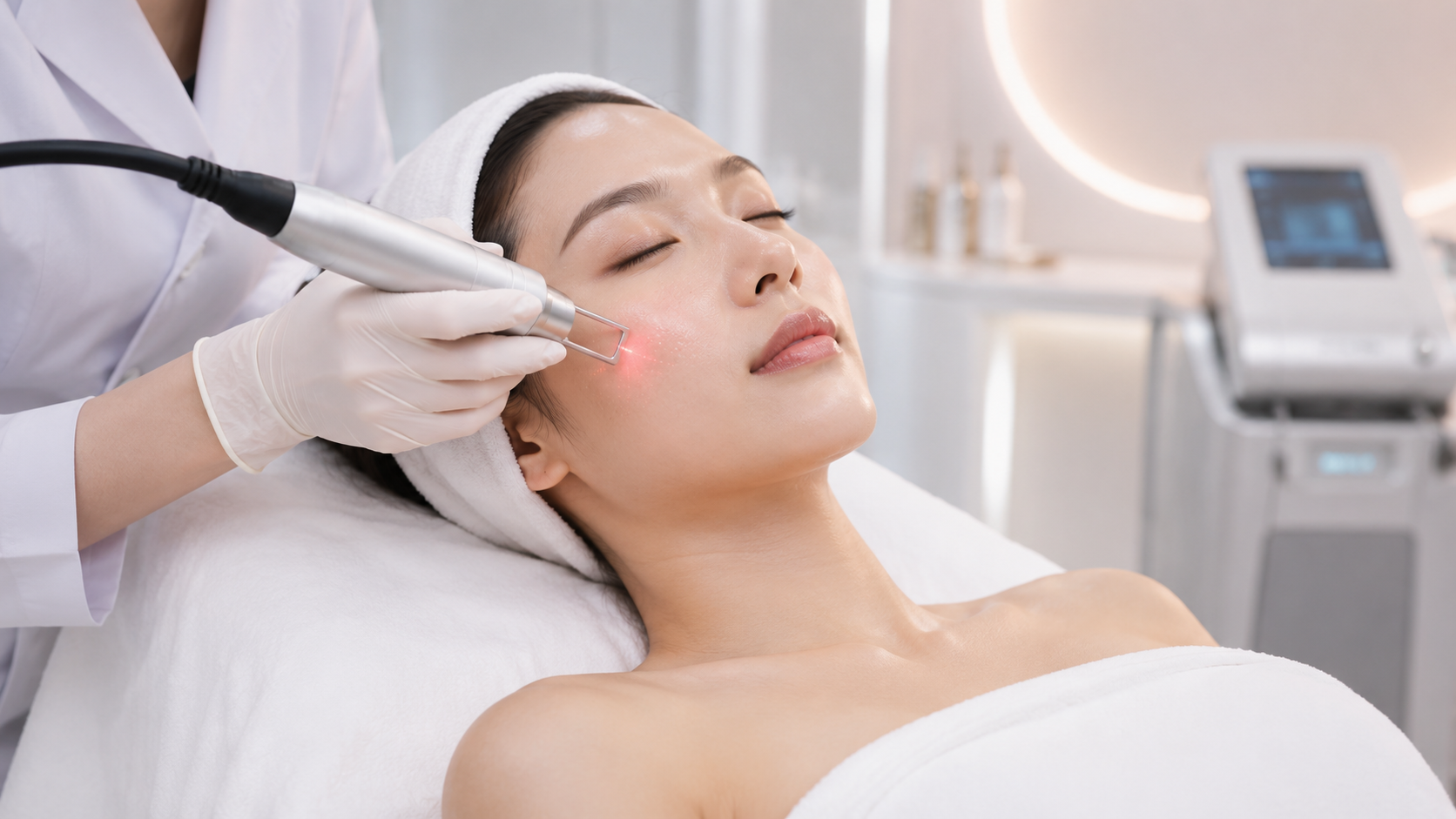
Various energy-based devices, utilizing technologies such as radiofrequency or focused ultrasound, can be employed to stimulate collagen remodeling in the deeper layers of the skin. By inducing a controlled thermal injury, these treatments prompt the body’s wound healing response, leading to new collagen formation. The resulting improvement in skin texture and elasticity can indirectly benefit skin hydration by strengthening the overall skin structure. These treatments typically require multiple sessions, and results are gradual. Potential side effects can include temporary redness, swelling, and discomfort. Comprehensive consultation with a medical practitioner is crucial to determine suitability and manage expectations.
Maintaining proper skin hydration is essential for achieving a healthy and radiant complexion, especially in Singapore’s humid climate. For those interested in understanding how various factors such as genetics and skin type can influence hydration needs, a related article offers valuable insights. You can explore this topic further in the article on personalizing treatment plans, which discusses how these elements affect aesthetic outcomes. For more information, visit this article.
Lifestyle Adjustments for Sustainable Hydration
| Metric | Value | Unit | Notes |
|---|---|---|---|
| Average Skin Hydration Level | 45 | % | Measured using corneometer in Singapore’s humid climate |
| Recommended Daily Water Intake | 2.5 | liters | To maintain optimal skin hydration |
| Average Humidity in Singapore | 84 | % | Contributes to natural skin moisture retention |
| Common Skin Hydration Issues | Dryness, Dehydration | N/A | Due to air conditioning and pollution |
| Popular Hydrating Ingredients | Hyaluronic Acid, Glycerin, Aloe Vera | N/A | Widely used in Singapore skincare products |
Beyond topical applications and professional treatments, daily lifestyle choices significantly influence the skin’s ability to remain hydrated. Sustainable hydration is a holistic endeavor.
Internal Hydration: More Than Just Water
While often emphasized, the critical role of water intake in skin hydration cannot be overstated. Water is the solvent for all physiological processes, including nutrient transport to the skin and waste removal.
Adequate Water Intake
The general recommendation for daily water intake is around 8 glasses (approximately 2 liters), but this can vary based on individual activity levels, body size, and environmental conditions. In Singapore’s warm climate, fluid requirements may be higher due to increased perspiration. Drinking water regularly throughout the day, rather than in large quantities at once, helps maintain consistent hydration. Urine color can serve as a simple indicator: pale yellow suggests good hydration, while dark yellow indicates a need for more fluids.
Nutrient-Rich Diet
A balanced diet rich in essential fatty acids, antioxidants, and vitamins is crucial for skin barrier function and overall health.
- Omega-3 and Omega-6 Fatty Acids: Found in oily fish, flaxseeds, chia seeds, and walnuts, these fats are integral components of the skin’s lipid barrier. They help reduce inflammation and maintain skin integrity, thereby minimizing TEWL.
- Antioxidants: Vitamins C and E, along with other antioxidants from fruits and vegetables, protect skin cells from oxidative stress caused by free radicals, which can damage the skin barrier.
- Vitamins and Minerals: Vitamin A supports healthy skin cell turnover, while zinc and selenium contribute to skin repair and protection.
A diet that emphasizes whole, unprocessed foods supports robust skin health from within.
Environmental Control
Adjusting your immediate environment can significantly impact skin hydration.
Managing Indoor Humidity
Air-conditioned environments, ubiquitous in Singapore, are notorious for drying out the skin by reducing ambient humidity. Using a humidifier in your home or office can help to counteract this effect, particularly in bedrooms during sleep. Aim for indoor humidity levels between 40-60%. Additionally, avoid direct exposure to air-conditioning vents, which can strip moisture from the skin even faster.
Protection from Aggressors
Beyond UV radiation, other environmental aggressors can compromise skin hydration.
- Pollution: Urban pollution can generate free radicals that damage the skin barrier. A thorough cleansing routine in the evening and the use of antioxidant-rich skincare can help mitigate these effects.
- Harsh Cleansing Agents: As previously discussed, using gentle, pH-balanced cleansers is paramount. Avoid over-cleansing or using excessively hot water.
- Irritating Ingredients: Be mindful of skincare products containing fragrances, alcohol, or other potential irritants, especially if you have sensitive skin, as these can compromise the skin barrier and lead to increased dryness.
Stress and Sleep Quality
The connection between mental well-being and skin health is increasingly recognized.
The Impact of Chronic Stress
Chronic stress can trigger a cascade of physiological responses, including the release of stress hormones like cortisol. Elevated cortisol levels can disrupt the skin barrier function, increase inflammation, and slow down skin cell repair, all of which contribute to dehydrated and compromised skin. Incorporating stress-reducing practices such as mindfulness, meditation, yoga, or regular exercise can positively impact skin hydration by promoting overall systemic balance.
Restorative Sleep
During sleep, the skin undergoes a repair and regeneration process. Adequate sleep (typically 7-9 hours for adults) allows the skin to produce new collagen, repair DNA damage, and restore its barrier function. Lack of sleep can lead to impaired barrier recovery and increased TEWL, resulting in dull, dehydrated-looking skin. Creating a consistent sleep schedule and optimizing your sleep environment are essential for supporting skin health and hydration.
By adopting a comprehensive approach that integrates smart skincare choices, appropriate aesthetic interventions, and mindful lifestyle adjustments, individuals in Singapore can effectively navigate their unique environmental challenges to achieve and maintain optimal skin hydration, contributing to overall skin health and well-being.
FAQs
What is skin hydration and why is it important?
Skin hydration refers to the process of maintaining adequate moisture levels in the skin to keep it healthy, smooth, and elastic. Proper hydration helps prevent dryness, flakiness, and irritation, and supports the skin’s natural barrier function.
What are common causes of dry skin in Singapore’s climate?
Singapore’s hot and humid climate can sometimes lead to dehydration of the skin due to air conditioning, pollution, and frequent exposure to sun. These factors can strip the skin of its natural oils and moisture, causing dryness and sensitivity.
How can I improve skin hydration in Singapore?
To improve skin hydration, it is recommended to use moisturizers suited for your skin type, drink plenty of water, avoid excessive sun exposure, and use gentle cleansers. Incorporating hydrating serums and using humidifiers indoors can also help maintain moisture levels.
Are there specific skincare products recommended for skin hydration in Singapore?
Yes, products containing ingredients like hyaluronic acid, glycerin, ceramides, and aloe vera are effective for skin hydration. Lightweight, non-comedogenic moisturizers are preferred in Singapore’s humid climate to avoid clogged pores.
Can diet affect skin hydration?
Absolutely. Consuming a balanced diet rich in water, fruits, vegetables, and omega-3 fatty acids can support skin hydration from within. Avoiding excessive caffeine and alcohol, which can dehydrate the body, also helps maintain healthy skin moisture levels.