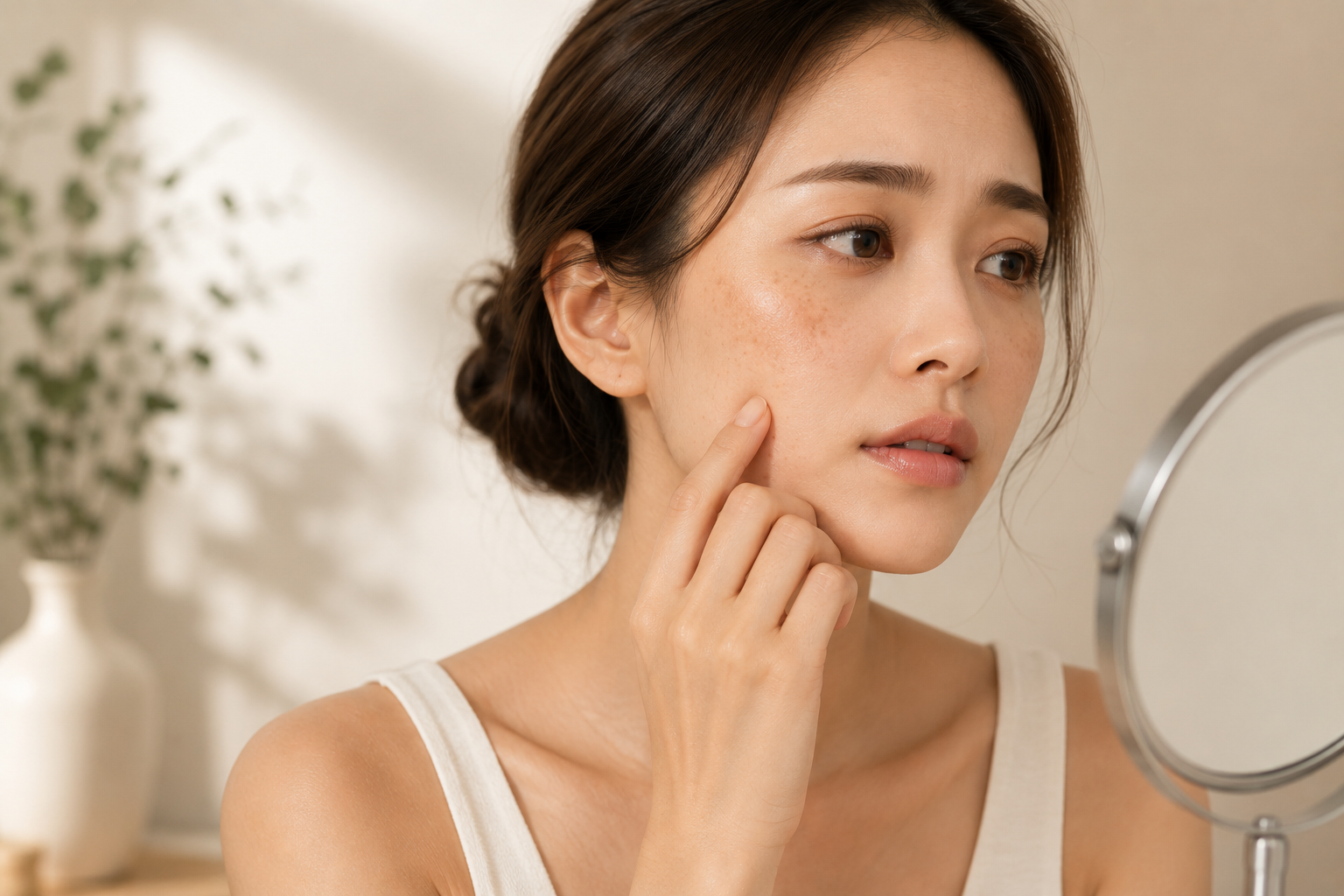
Pigmentation is one of the most common skin concerns among Singaporeans. Whether it’s freckles, sunspots, melasma or post-acne marks, many people notice their skin looking clearer after treatment—only to find the dark patches slowly returning weeks or months later.
If this sounds familiar, you’re not imagining it. Pigmentation can be persistent, and in many cases, treating the visible spot is only part of the solution.
The key to long-lasting results is understanding why pigmentation develops in the first place and addressing the underlying triggers rather than simply fading what’s already visible.
In this article, we’ll explore why pigmentation keeps coming back, the different types of pigmentation, and how a personalised treatment approach can help you achieve clearer, more even-toned skin.
What Is Pigmentation?
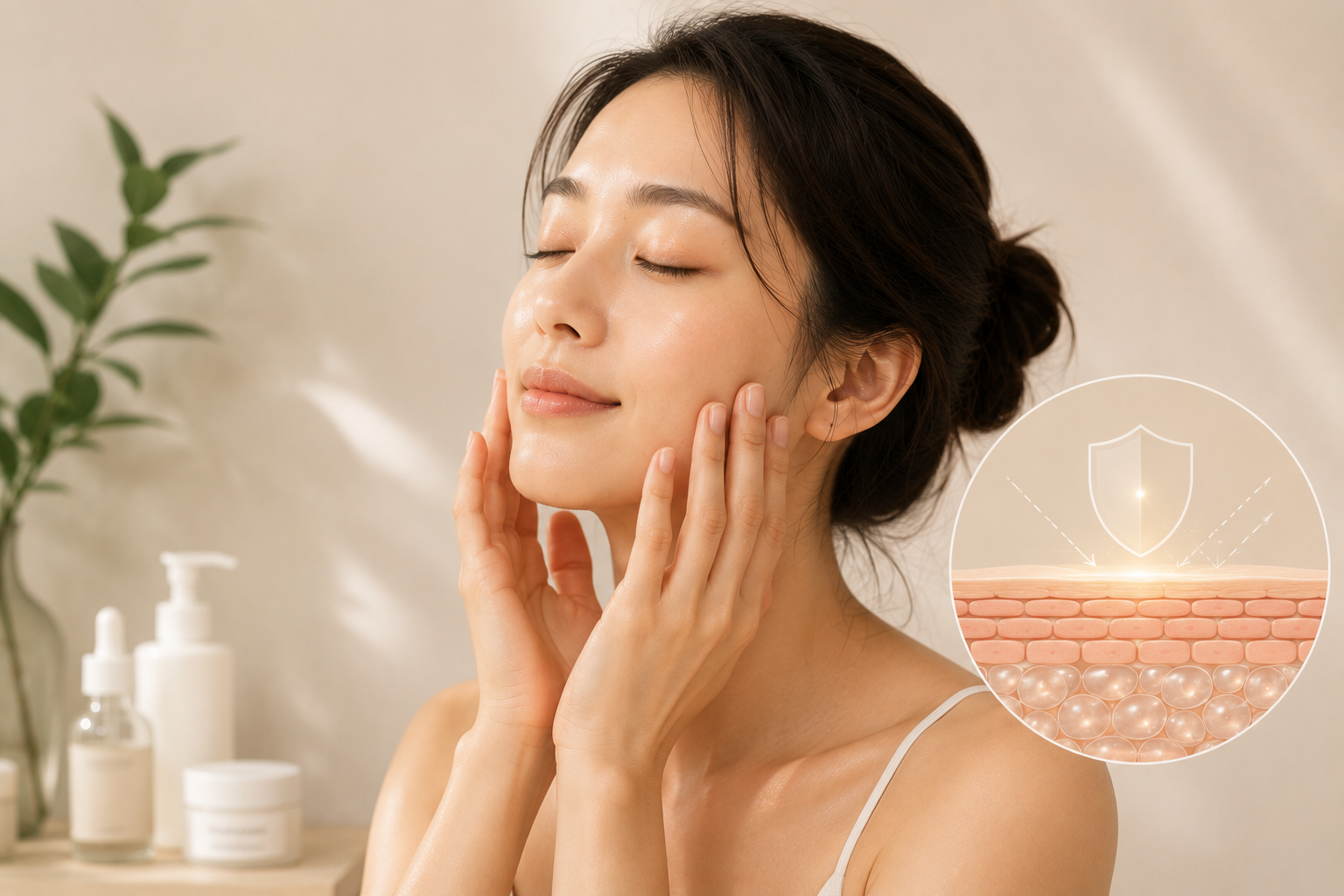
Pigmentation refers to the colour of your skin, which is determined by melanin—a natural pigment produced by specialised cells called melanocytes.
Melanin plays an important role in protecting the skin from ultraviolet (UV) damage. However, when melanocytes become overactive, they produce excess melanin, resulting in darker patches or spots on the skin.
Pigmentation itself isn’t harmful, but it can be difficult to treat because the underlying cause often remains active.
Why Does Pigmentation Keep Coming Back?
There isn’t just one reason. In fact, several factors can continuously stimulate melanin production, even after successful treatment.
1. You’re Treating the Spot, Not the Cause
One of the biggest misconceptions is that once a dark spot fades, the problem has been solved.
Many treatments remove or lighten existing pigmentation, but if the trigger—such as sun exposure, hormones or inflammation—is still present, your skin will continue producing excess melanin.
Think of it like pulling weeds without removing the roots. The visible problem disappears temporarily, but eventually returns.
2. Daily Sun Exposure
Singapore’s tropical climate means our skin is exposed to UV radiation all year round.
Even short periods of exposure while:
Walking to lunch
Driving
Sitting near a window
Exercising outdoors
can stimulate melanin production.
Many people only apply sunscreen when they’re heading to the beach, but daily protection is essential if you’re trying to manage pigmentation.
Tip: Choose a broad-spectrum sunscreen with at least SPF 30 and reapply every two to three hours when outdoors.
3. Hormonal Changes
Hormones are one of the biggest contributors to stubborn pigmentation, particularly melasma.
Hormonal fluctuations may occur during:
Pregnancy
Menopause
Birth control use
Hormonal imbalances
Melasma often appears as symmetrical brown patches across the cheeks, forehead, nose or upper lip and can be more challenging to treat than sunspots.
Because hormones continue influencing melanin production, maintenance treatment is often necessary.
4. Inflammation After Acne or Skin Injury
Have you ever noticed a dark mark left behind after a pimple heals?
This is known as post-inflammatory hyperpigmentation (PIH).
When the skin becomes inflamed—from acne, eczema, insect bites or even aggressive skincare—it can trigger excess melanin production during the healing process.
The more severe or prolonged the inflammation, the higher the likelihood of pigmentation developing.
5. Ageing and Cumulative Sun Damage
Pigmentation often becomes more noticeable with age.
Years of UV exposure gradually accumulate beneath the skin, leading to:
Sunspots
Age spots
Uneven skin tone
Freckles becoming darker
These changes don’t happen overnight, which is why pigmentation often seems to appear “suddenly” later in life.
6. Using the Wrong Skincare Products
Not all skincare products are suitable for every skin type.
Overusing:
Harsh exfoliants
Strong acids
High-strength retinoids
Abrasive scrubs
can weaken the skin barrier and cause irritation, making pigmentation worse instead of better.
Healthy skin is better equipped to heal evenly and resist unnecessary inflammation.
Different Types of Pigmentation
Understanding the type of pigmentation you have is one of the most important steps in choosing the right treatment.
Sunspots (Solar Lentigines)
Usually caused by years of UV exposure.
Commonly found on:
Face
Hands
Shoulders
Chest
These tend to become more common with age.
1. Melasma
Often linked to hormonal changes.
Characteristics include:
Large symmetrical patches
Brown or grey-brown colour
Common on cheeks and forehead
Melasma often requires a combination of treatments and long-term maintenance.
2. Post-Inflammatory Hyperpigmentation (PIH)
Develops after inflammation or injury to the skin.
Common triggers include:
Acne
Eczema
Skin irritation
Cosmetic procedures
PIH usually fades gradually but may persist without appropriate treatment.
3. Freckles
Freckles are usually genetic but darken significantly with UV exposure.
Unlike melasma, freckles tend to be small and well-defined.
Can Pigmentation Be Permanently Removed?
This is one of the most frequently asked questions.
The honest answer is:
It depends on the cause.
Some pigmentation, such as sunspots, may respond very well to treatment.
Others, like melasma, are considered chronic conditions that can be effectively managed but may recur if triggers remain.
Rather than aiming for a “permanent cure,” the goal is to reduce pigmentation, prevent new spots from forming and maintain healthy skin over time.
How Can Pigmentation Be Treated?
Treatment should always be tailored to your skin type, pigmentation type and underlying cause.
Depending on your individual needs, your practitioner may recommend:
Medical-grade skincare
Active ingredients may help regulate melanin production and improve skin renewal.
Laser treatments
Certain laser technologies target excess pigment while minimising damage to surrounding skin.
Different lasers are suitable for different pigmentation concerns, making proper assessment essential.
Skin rejuvenation treatments
Some treatments focus on improving overall skin health, encouraging healthier skin turnover and creating a more even complexion.
Combination treatment plans
For stubborn pigmentation, a combination approach often delivers the best results.
This may include:
Professional treatments
Home skincare
Strict sun protection
Ongoing maintenance
Because pigmentation develops for multiple reasons, treating it from several angles often produces more sustainable outcomes.
How to Prevent Pigmentation from Returning
While it may not always be possible to prevent pigmentation completely, these habits can significantly reduce recurrence.
1. Wear sunscreen every day
Rain or shine, UV rays are present throughout the year in Singapore.
2. Protect your skin physically
Wear sunglasses, hats or seek shade whenever possible.
3. Avoid picking at acne
Allowing the skin to heal naturally reduces the risk of post-inflammatory pigmentation.
4. Use skincare consistently
Brightening products work best when used consistently over time.
Skipping your routine after seeing improvement often allows pigmentation to gradually return.
5. Schedule maintenance treatments when needed
Depending on your skin type and pigmentation condition, occasional maintenance sessions may help prolong your results.
When Should You See a Professional?
If you’ve been trying over-the-counter products for several months without improvement, or if your pigmentation keeps returning despite your best efforts, it’s worth seeking a professional assessment.
A thorough consultation can help determine:
The type of pigmentation you have
Whether it’s caused by sun exposure, hormones or inflammation
Which treatment options are most suitable
How to minimise recurrence over the long term
The earlier pigmentation is properly diagnosed, the more effective treatment is likely to be.
Clearer Skin Starts with the Right Diagnosis
Pigmentation is more than a cosmetic concern—it’s your skin responding to internal and external triggers. That’s why lasting improvement isn’t just about removing visible dark spots. It’s about understanding why they developed in the first place.
At Lynn Medical, we take a personalised approach to pigmentation management. Every consultation begins with a careful assessment of your skin, lifestyle and concerns before recommending a treatment plan tailored to your needs. Whether your pigmentation is caused by sun damage, acne, hormonal changes or ageing, our goal is to help you achieve a brighter, more even complexion while reducing the chances of recurrence.
If you’ve been frustrated by pigmentation that keeps coming back, you’re not alone—and you don’t have to navigate it on your own.
Book a consultation with Lynn Medical today and take the first step towards healthier, clearer-looking skin.
📍 Lynn Medical – Star of Kovan
988 Upper Serangoon Road #01‑38/39/40, Singapore 534733
📞 Tel: 6289 8901 | 💬 WhatsApp: 8809 7967