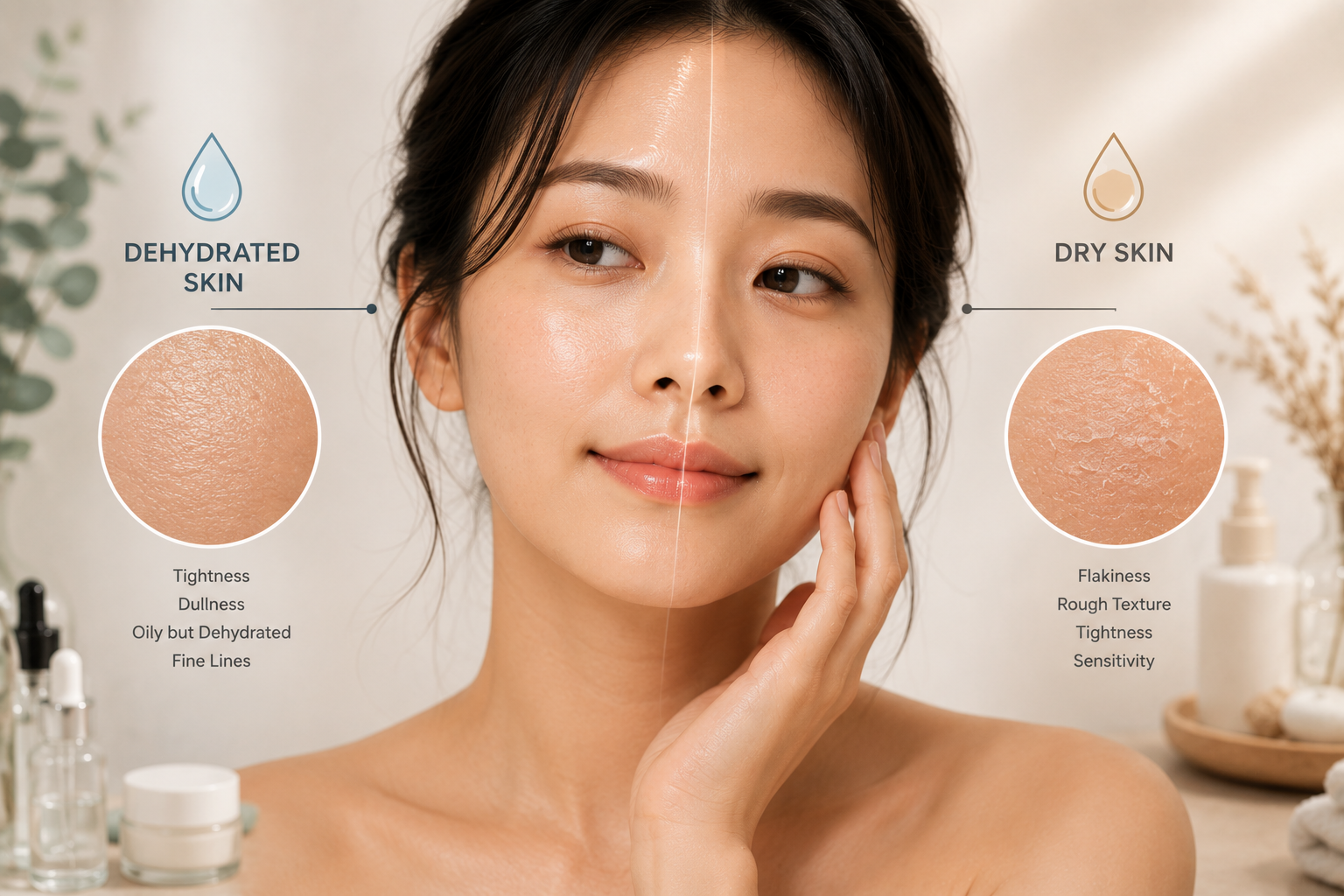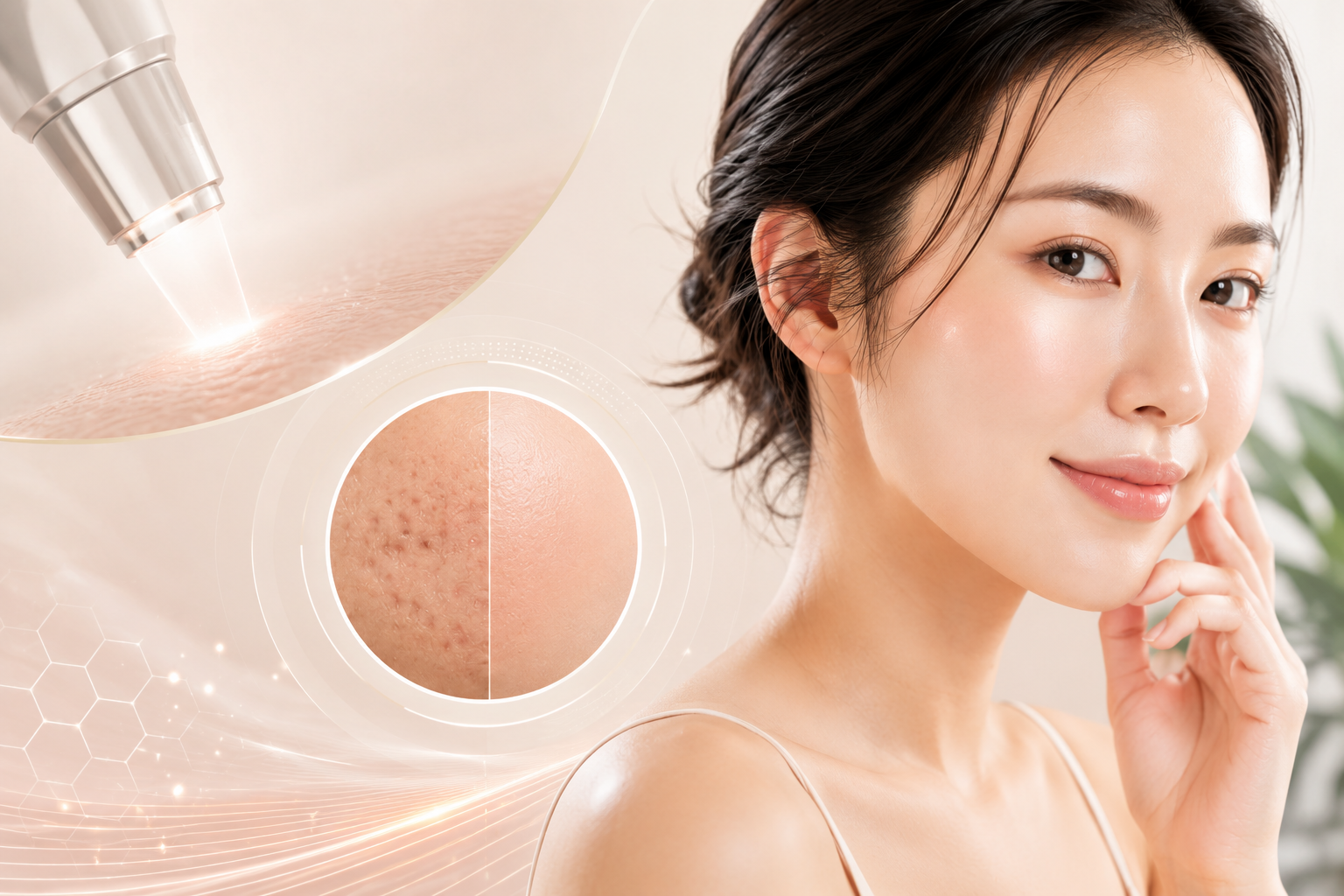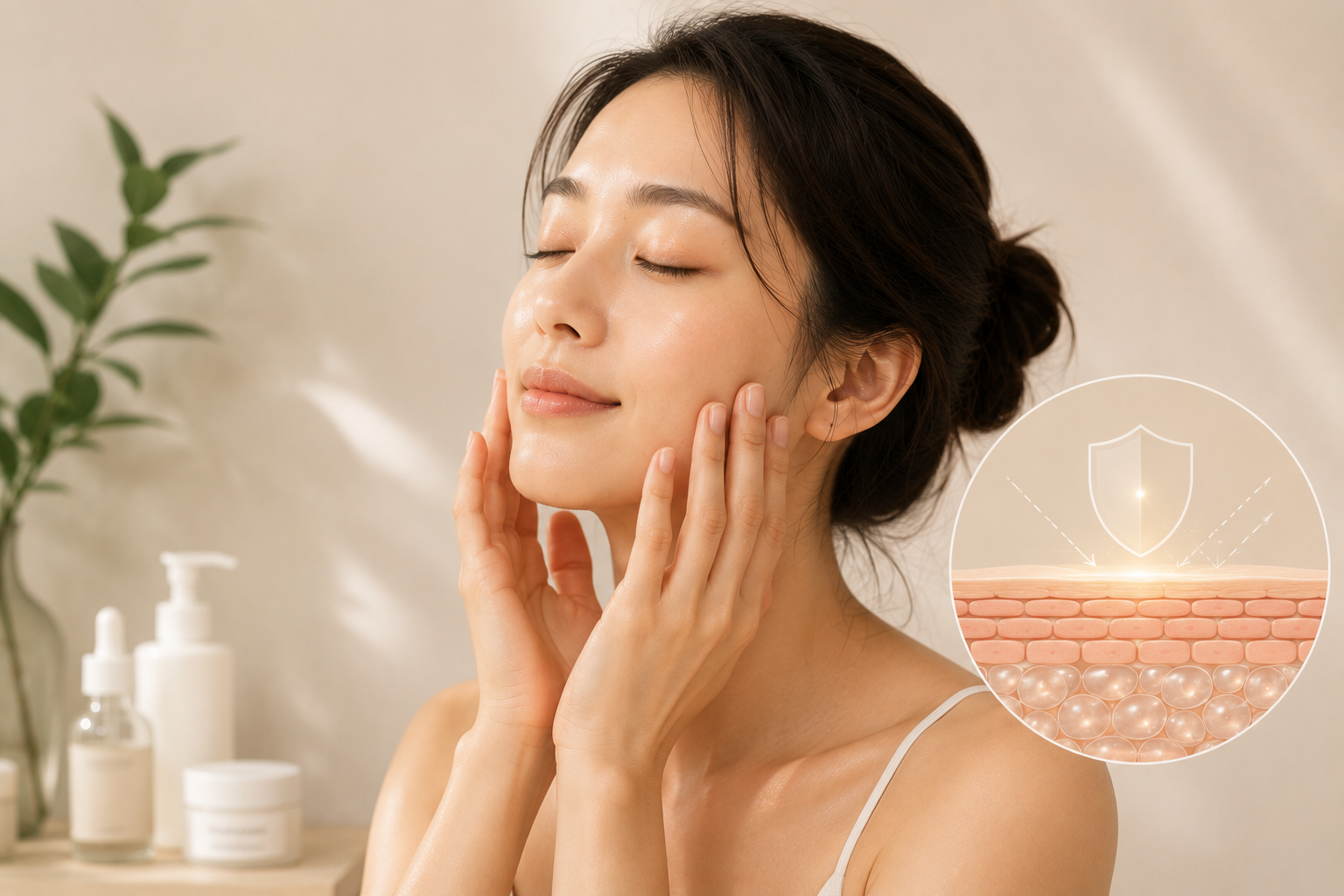
As the natural aging process unfolds, changes in the skin’s structure, elasticity, and volume become increasingly apparent. Over time, the gradual depletion of collagen and elastin, combined with gravitational pull and environmental factors, can contribute to skin laxity, fine lines, and changes in facial contours. For individuals seeking non-surgical options to address these signs of aging, energy-based skin treatments have become a prominent point of discussion in aesthetic medicine.
One such modality is High-Intensity Focused Ultrasound (HIFU), an energy-based treatment designed to target deeper layers of the facial tissue. This educational guide explores the mechanisms, applications, expectations, and safety profile of HIFU treatments, providing a balanced overview for individuals considering their aesthetic options.
High-Intensity Focused Ultrasound refers to a specific type of energy-based skin treatment that utilizes localized sound waves to generate heat within targeted tissues. Unlike lasers or radiofrequency treatments, which often target superficial to mid-dermal layers, HIFU is engineered to bypass the epidermis entirely, focusing its energy on predetermined subcutaneous depths.
The Science Behind the Technology
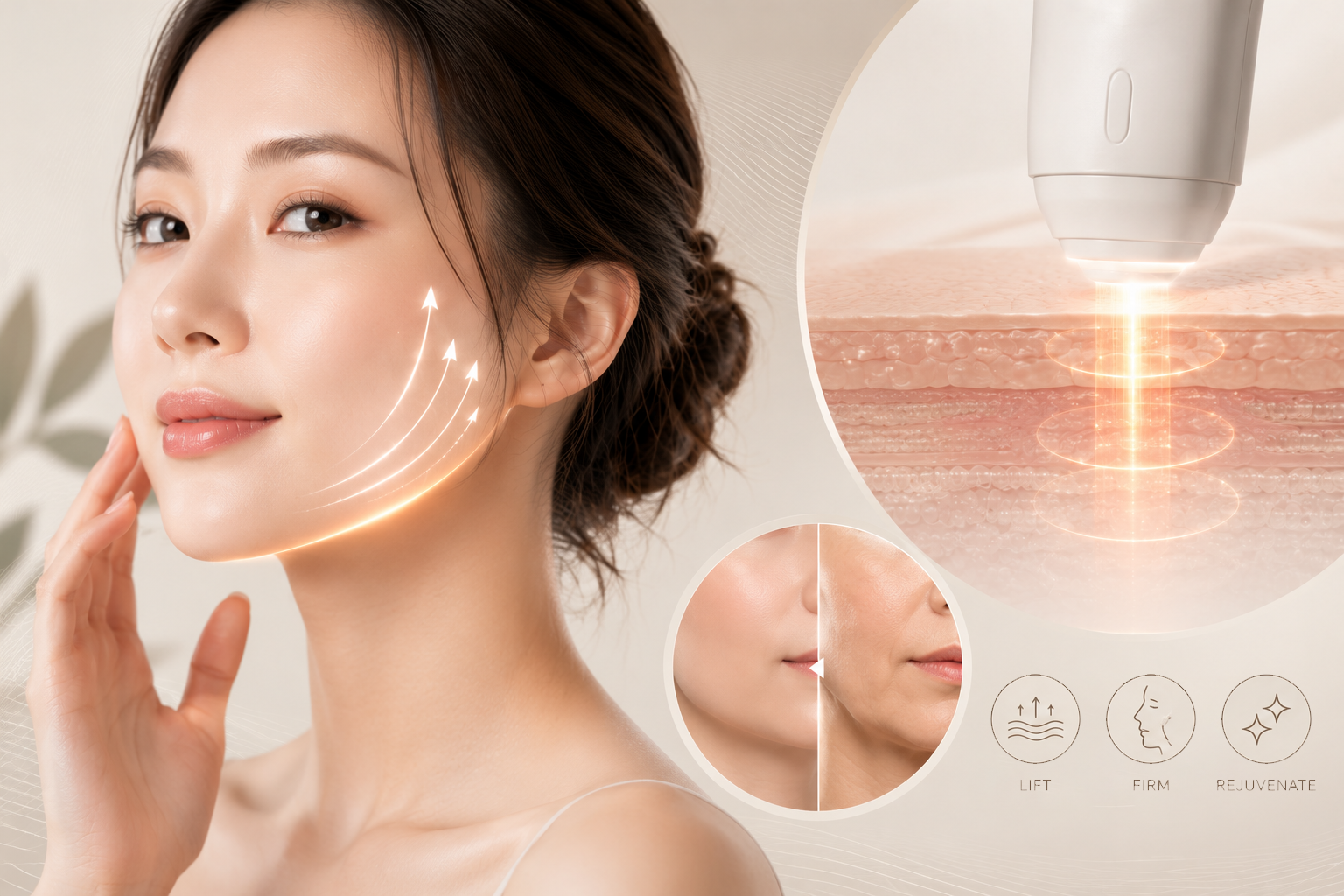
The foundational principle of HIFU is the conversion of acoustic energy into thermal energy. The device delivers microscopic beams of ultrasound energy that converge at precise depths beneath the skin—typically 1.5mm, 3.0mm, and 4.5mm. At the point of convergence, the energy creates thermal coagulation points (TCPs), raising the localized tissue temperature to approximately 60 to 70 degrees Celsius.
This specific temperature range is clinically significant because it is the threshold required to denature existing collagen fibers. The controlled thermal injury initiates an innate biological response within the tissue, signaling the body’s natural wound-healing cascade without disrupting the skin’s surface.
The Role of Collagen, Elastin, and the SMAS Layer
The wound-healing cascade occurs in three primary phases: inflammation, proliferation, and remodeling. During the remodeling phase, the body naturally synthesizes fresh collagen and elastin. Collagen provides the structural scaffolding of the skin, while elastin allows the skin to stretch and return to its original state.
Furthermore, the deepest target of a standard HIFU facial treatment (the 4.5mm depth) is the Superficial Musculoaponeurotic System (SMAS). The SMAS is a fibrous network that connects the facial muscles to the dermis and is the same structural layer typically manipulated during a surgical facelift. By stimulating thermal coagulation within the SMAS, HIFU may help induce subsequent tissue contraction, which can gradually contribute to a structural lifting effect over time.
High-Intensity Focused Ultrasound (HIFU) face lift is gaining popularity as a non-invasive treatment for skin tightening and rejuvenation. For those interested in understanding how various factors, such as posture, can influence facial aesthetics, a related article titled “The Unseen Link Between Posture, Neck Lines, and Jaw Definition” provides valuable insights. You can read more about this connection and its implications for facial appearance by visiting the article here: The Unseen Link Between Posture, Neck Lines, and Jaw Definition.
Areas of Application and Common Concerns Addressed
HIFU treatments are versatile and can be applied to various regions of the face and neck based on the individual’s distinct anatomical needs. An aesthetic physician will typically map the face and adjust the depth of the ultrasound energy to target specific concerns safely.
Targeting the Lower Face and Jawline
As tissue laxity increases, the transition between the jawline and the neck can become less defined, often resulting in mild sagging or jowling. HIFU is frequently utilized in the lower facial region to address these issues. By targeting the deeper dermal layers and the SMAS along the mandibular border, the treatment aims to stimulate tightening of the soft tissues, which may help improve jawline definition and reduce the appearance of mild jowls.
Addressing the Neck and Submental Area
The delicate skin of the neck is particularly prone to early signs of aging, such as crepiness, horizontal lines, and submental fullness (often referred to as a “double chin”). HIFU may be applied to the submental and anterior neck regions to encourage dermal thickening and tissue contraction. While it is not designed to replace surgical extraction of substantial fat deposits, it may assist in tightening the skin capsule in individuals with mild to moderate submental laxity.
The Brow and Periorbital Region
The upper face, including the brow and the periorbital (eye) area, is another common treatment zone. Gravitational descent of the forehead tissues can lead to a heavier appearing brow or slight hooding of the upper eyelids. Using superficial depths (such as 1.5mm), HIFU can target the thin skin around the eyes and forehead. The localized collagen stimulation may help provide a subtle lifting effect to the brow line, thereby creating a more open appearance to the periocular area.
The HIFU Treatment Process: What to Expect
Entering a clinical aesthetic environment demands an understanding of the patient journey, from the initial consultation through to the post-procedural recovery. Transparency regarding the process ensures that patients are adequately prepared and informed.
Initial Consultation and Assessment
The treatment process begins with a comprehensive medical consultation. During this session, the aesthetic doctor will evaluate the patient’s medical history, current medications, previous aesthetic interventions, and specific anatomical features. Skin thickness, bone structure, and the degree of facial volume loss are carefully analyzed.
This assessment is critical for determining whether an individual is an appropriate candidate for an energy-based skin treatment. Conditions such as active severe acne, open wounds, cystic lesions, or metallic implants in the treatment area may preclude a patient from undergoing the procedure safely.
During the Procedure
Once deemed suitable, the patient is prepared for the procedure. The skin is thoroughly cleansed, and the targeted regions are accurately marked with a medical-grade pencil. A conductive ultrasound gel is applied to the skin to facilitate the smooth delivery of acoustic energy.
As the HIFU applicator is systematically passed over the designated areas, patients will experience the delivery of energy. The sensation is often described as intermittent warmth, prickling, or dull, deep aching sensations, particularly over bony prominences such as the jawline or forehead. While pain thresholds vary widely between individuals, practitioners may employ various mitigation strategies—such as topical anesthesia or oral analgesia—to ensure patient comfort throughout the session. The duration of the treatment depends heavily on the size of the area being addressed, but a full-face session generally requires between 45 to 90 minutes.
Post-Treatment Care and Recovery
HIFU is recognized for being a non-invasive procedure, which typically correlates with minimal downtime. Most patients can resume their daily professional and personal activities immediately following the session.
However, appropriate post-procedural care is essential for optimal recovery. Patients may be advised to avoid extreme heat exposure, such as saunas or intensive exercise, for a brief period. Additionally, the application of broad-spectrum sunscreen and the temporary avoidance of potentially irritating active skincare ingredients (such as strong retinoids or chemical exfoliants) are usually recommended until any post-treatment skin sensitivity has fully subsided.
Suitability, Realistic Expectations, and Results
Understanding the limitations and realistic outcomes of high-intensity focused ultrasound is vital. Ethical aesthetic practice necessitates emphasizing that non-surgical treatments do not yield the dramatic alterations associated with invasive surgical interventions.
Who is an Appropriate Candidate?
The ideal candidate for a HIFU treatment is generally someone experiencing mild to moderate skin laxity. Patients are frequently in their 30s to 50s and are beginning to notice signs of aging, such as a lowered brow line, early jowling, or loose skin on the neck. Younger individuals sometimes explore the treatment as a proactive measure against tissue gravitation, while older individuals may utilize it to complement previously performed surgical procedures.
Conversely, individuals with severe skin laxity, significant photo-damage, or severe facial volume depletion may find the results of an ultrasound-based lift to be insufficient for their needs.
Understanding the Timeline of Results
Unlike procedures that offer immediate cosmetic changes, the biological response initiated by HIFU requires time. The process of neocollagenesis (the creation of new collagen) unfolds gradually.
While some individuals report a slight immediate firming effect—largely due to acute inflammation and tissue contraction resulting from thermal heat—the true structural changes develop over several weeks. Most patients begin to observe improvements around the second or third month post-treatment, with collagen remodeling potentially continuing for up to six months. It is critical to state that results vary between individuals. Genetic factors, lifestyle choices, sun exposure, and natural aging all play a role in both the degree of improvement and the longevity of the outcome.
Limitations of and Alternatives to HIFU
Because HIFU relies on the body’s natural regenerative capacities, it cannot replicate the effects of surgical tissue excision or manipulation. For patients with pronounced sagging or excessive redundant skin, a surgical facelift may remain the most clinically appropriate recommendation.
In an aesthetic clinic, HIFU is often integrated into a broader treatment plan. Because aging involves multiple structural layers—including bone resorption and deeper fat pad atrophy—clinicians might suggest combining ultrasound tightening with other generic modalities. For example, hyaluronic acid fillers may be utilized to address deep volume loss and provide tissue support, or botulinum toxin treatments may be employed to relax hyperactive muscles that pull the face downwards. Collagen-stimulating treatments or alternative energy-based skin treatments may also be discussed depending on the individual’s epidermal and dermal quality.
High-Intensity Focused Ultrasound (HIFU) face lift treatments have gained popularity for their non-invasive approach to skin tightening and rejuvenation. If you’re considering this innovative procedure, it’s essential to be well-informed about various aspects of skincare and treatment options. For instance, understanding the common pitfalls in skincare can significantly enhance your results. You might find it helpful to read this insightful article on mistakes to avoid when treating pigmentation, as it provides valuable tips that can complement your HIFU experience and help you achieve optimal skin health.
Potential Risks and Side Effects
| Metrics | Results |
|---|---|
| Effectiveness | High success rate in skin tightening and lifting |
| Downtime | Minimal downtime compared to surgical face lift |
| Pain Level | Generally well-tolerated with minimal discomfort |
| Duration | Treatment typically takes 30-90 minutes |
| Results Duration | Lasting results for 1-2 years |
As with any medical intervention, high-intensity focused ultrasound carries a specific risk profile. Undergoing treatment within a recognized and highly regulated clinical setting helps to minimize these risks, but patients must be fully informed prior to providing consent.
Common and Expected Reactions
The majority of side effects associated with HIFU are mild and transient. Following the procedure, it is exceedingly common for the skin to appear mildly flushed or erythematous; this pinkness typically dissipates within a few hours.
Patients may also experience slight edema (swelling) in the treated zones. Due to the deep tissue nature of the thermal energy, a sensation of tenderness, tingling, or deep muscular aching—similar to the feeling following an intense physical workout—may persist along the jawline or cheekbones for several days to a few weeks. These expected reactions are part of the induced inflammatory response and generally resolve independently without the need for medical intervention.
Rare Complications
In relatively rare circumstances, more significant adverse events may occur. Because the ultrasound energy reaches deep anatomical planes, there is a possibility of inadvertently affecting superficial motor or sensory nerves. This can result in localized numbness, altered sensation, or, in very rare instances, temporary muscle paresis (weakness), particularly around the delicate peri-oral area or the marginal mandibular nerve. Such nerve-related side effects are overwhelmingly temporary and typically resolve over a span of weeks to months.
Other uncommon complications can include mild bruising, the formation of superficial welts, or thermal injury (burns), which may lead to post-inflammatory hyperpigmentation.
Ensuring Safety in an Aesthetic Clinical Setting
The mitigation of risks lies heavily in the expertise of the practitioner and the standards of the aesthetic clinic. In Singapore, aesthetic procedures must adhere to stringent guidelines governed by the Ministry of Health and the Healthcare Services Act (HCSA) to ensure patient safety and ethical care.
A thorough understanding of complex facial anatomy, the depth of subcutaneous fat pads, and neurovascular pathways is imperative for anyone operating an energy-based medical device. Proper technique ensures that the optimal energy dose is delivered to the correct depth, maximizing potential efficacy while minimizing the likelihood of deep tissue damage or nerve irritation. Patients are highly encouraged to discuss their complete medical history, potential risks, and all available treatment options—including the choice of doing nothing at all—with a qualified medical professional before embarking on any aesthetic treatment plan.
FAQs
What is HIFU face lift?
HIFU stands for High-Intensity Focused Ultrasound, which is a non-invasive cosmetic treatment that uses ultrasound energy to lift and tighten the skin on the face and neck.
How does HIFU face lift work?
During a HIFU face lift treatment, ultrasound energy is used to target the deep structural layers of the skin, stimulating the production of new collagen and elastin. This results in a lifting and tightening effect on the skin.
Is HIFU face lift safe?
HIFU face lift is considered to be a safe and effective treatment for skin tightening and lifting. It is non-invasive and does not involve any surgery or downtime.
What are the benefits of HIFU face lift?
Some of the benefits of HIFU face lift include improved skin elasticity, reduction of wrinkles and fine lines, and overall skin tightening. It can also help to contour the jawline and reduce the appearance of a double chin.
How long do the results of HIFU face lift last?
The results of a HIFU face lift treatment can last for up to 1-2 years, as the new collagen and elastin produced during the treatment continue to improve the skin’s appearance over time.