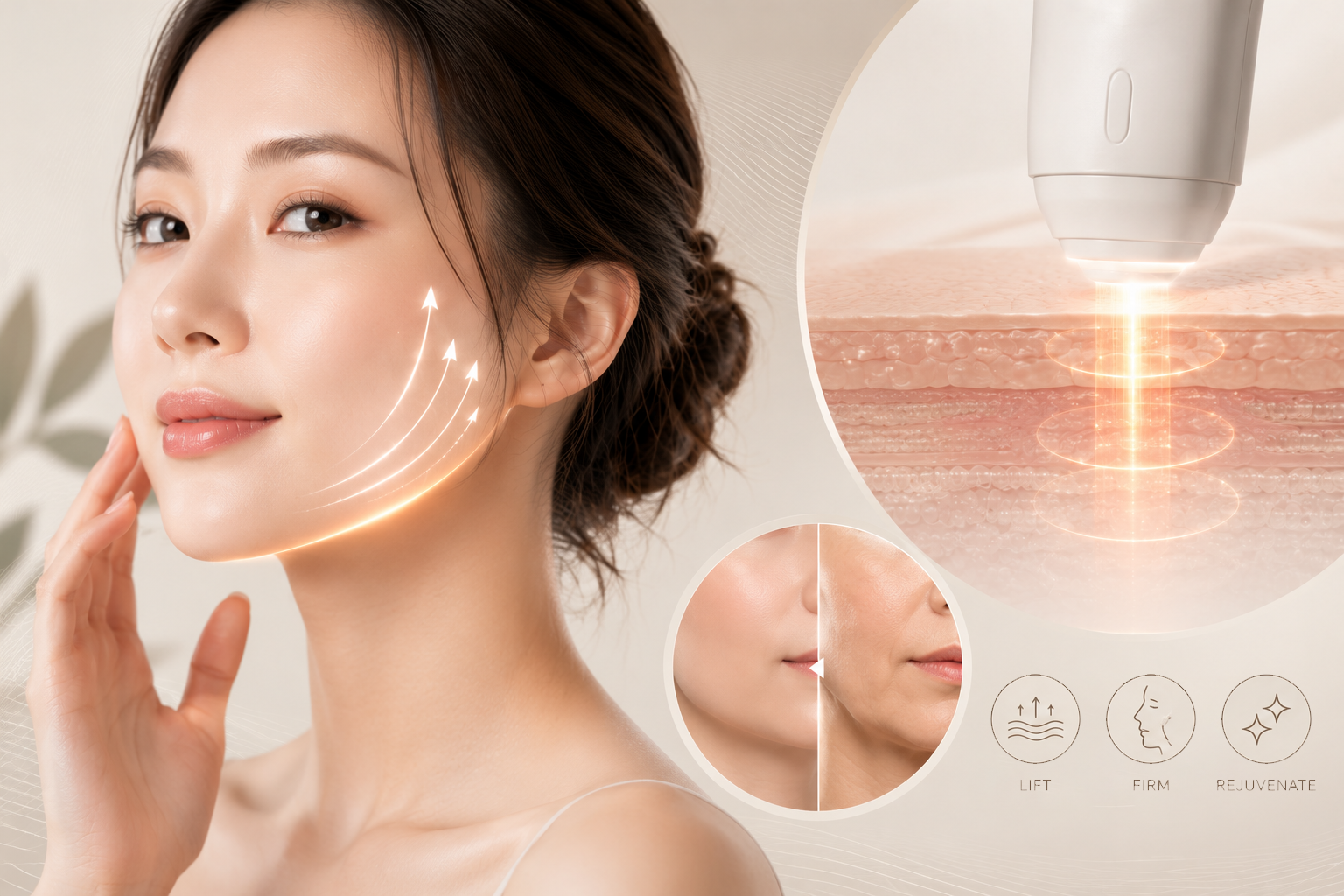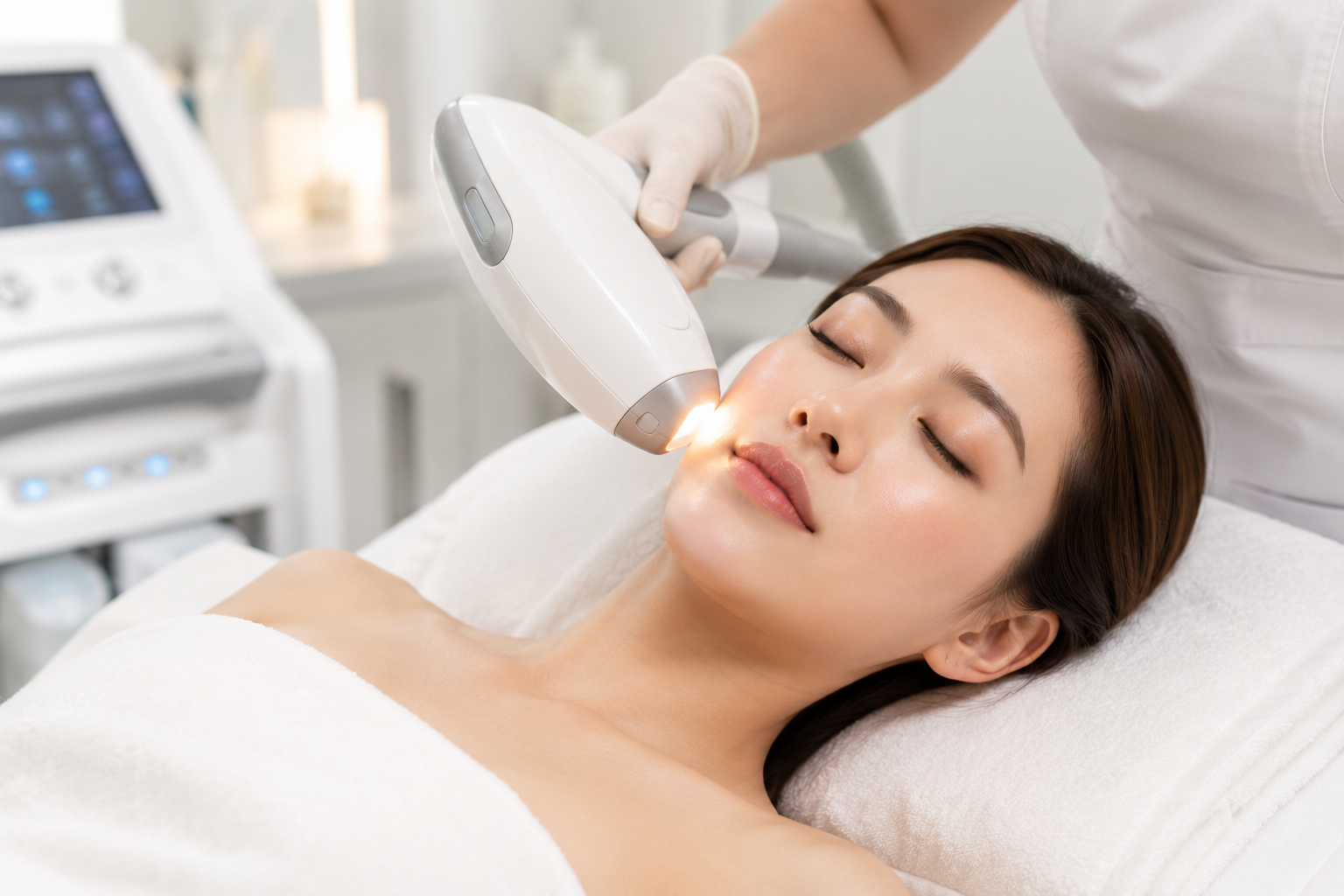
The field of aesthetic medicine utilizes a wide array of medical technologies and dermatological principles to address various skin concerns and signs of aging. When individuals visit an aesthetic clinic, the primary objective is to seek professional medical advice and explore treatment modalities that align with their specific dermatological needs. Aesthetic treatments encompass both non-invasive and minimally invasive procedures that aim to support skin health, manage pigmentation, address textural irregularities, and assist in volume restoration.
Because every individual possesses a unique anatomical structure and skin type, aesthetic medicine requires a highly individualized approach. Understanding the scientific mechanisms behind available treatments, acknowledging the inherent risks, and thoroughly assessing one’s suitability are critical steps in the aesthetic journey. Education plays a vital role in ensuring that individuals maintain realistic expectations and prioritize their safety when considering cosmetic procedures.
Energy-based devices form a cornerstone of modern aesthetic clinics. These platforms utilize various forms of energy—such as light, radiofrequency, and ultrasound—to target specific layers of the skin, promoting cellular turnover and structural remodeling.
The Science Behind Light and Energy Modalities
Laser (Light Amplification by Stimulated Emission of Radiation) technology is based on the principle of selective photothermolysis. This involves using specific wavelengths of light to target specific chromophores (color targets) in the skin, such as melanin (pigment), hemoglobin (blood), or water. By precisely delivering controlled thermal energy to these targets, lasers can alter or destroy the target tissue while attempting to carefully preserve the surrounding healthy skin.
Beyond light-based devices, clinics frequently utilize focused ultrasound and radiofrequency technologies. Focused ultrasound treatments are designed to deliver acoustic energy deep into the subcutaneous tissue and the superficial musculoaponeurotic system (SMAS) layer. The objective is to induce highly localized thermal coagulation points, which may help stimulate the body’s natural regenerative processes over time. Similarly, radiofrequency treatments utilize electrical energy to generate bulk heating within the dermal layers. This non-specific heating aims to encourage neocollagenesis—the production of new collagen—which may gradually result in a firmer skin appearance.
Addressing Pigmentation and Uneven Skin Tone
Hyperpigmentation, which includes conditions such as solar lentigines (sunspots), freckles, and melasma, occurs when there is an uneven distribution or overproduction of melanin in the skin. Lasers that operate in the nanosecond or picosecond domains are frequently employed to manage these concerns. These devices deliver energy in exceedingly short pulses, creating a photomechanical effect that shatters melanin clusters into smaller particles. The body’s immune system then gradually clears these fragmented particles over several weeks.
It is important to note that varying types of pigmentation require different management strategies. While superficial sunspots may respond relatively quickly to targeted laser therapy, chronic conditions like melasma are deeply influenced by hormonal fluctuations, ultraviolet (UV) exposure, and vascular factors. Managing melasma usually necessitates a multifaceted, long-term approach encompassing gentle energy-based skin treatments, topical lightening agents, and strict sun protection, as aggressive laser settings can sometimes exacerbate the condition. Results vary between individuals, and multiple sessions are typically necessary to observe measurable changes.
Managing Acne Scarring and Skin Texture
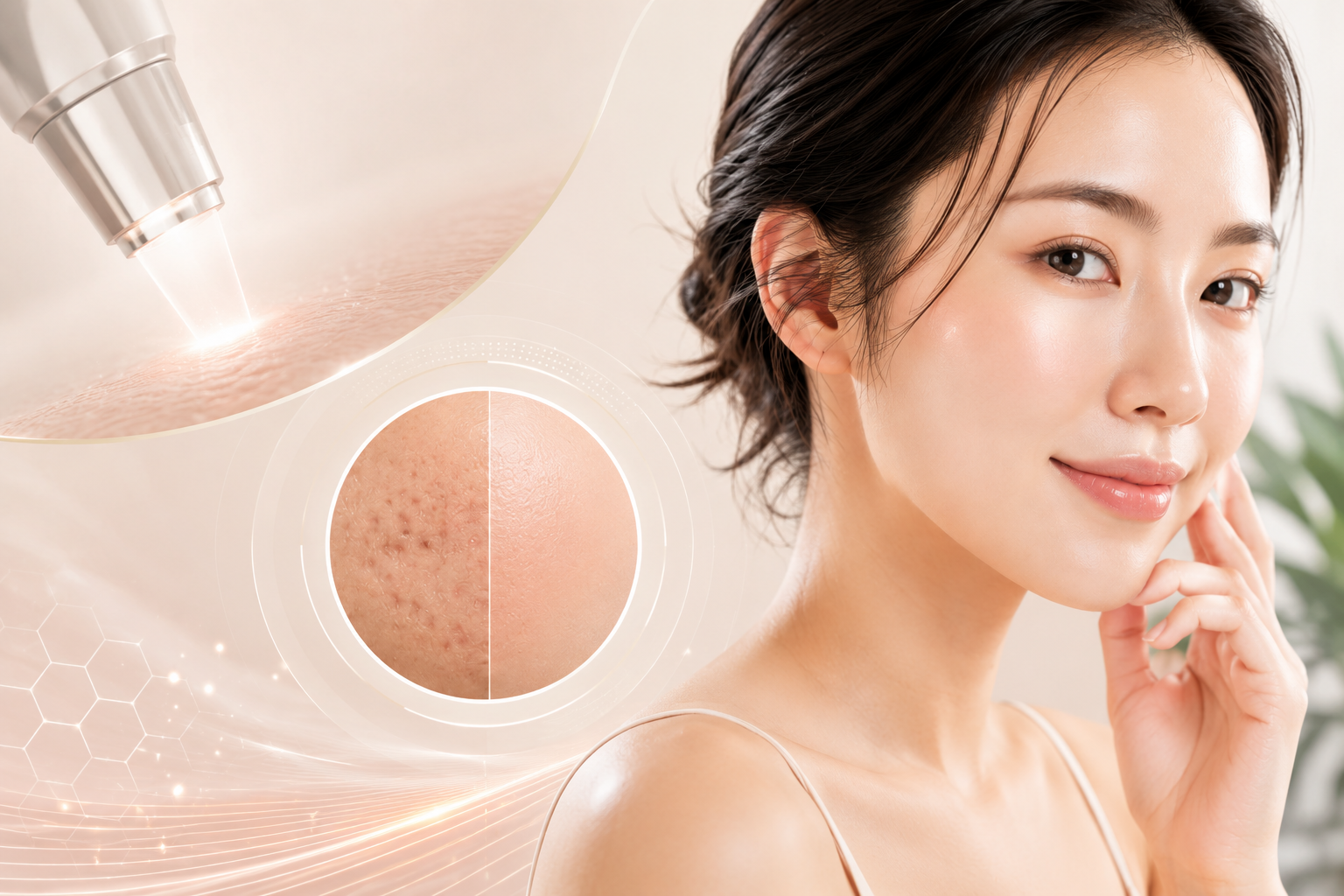
Acne scarring often presents as textural irregularities, such as atrophic (depressed) scars, which include rolling, boxcar, and ice-pick scars. Addressing these structural depressions requires treatments that encourage the remodeling of dermal collagen. Fractional laser resurfacing is a common modality for this purpose. Unlike traditional fully ablative lasers that remove the entire epidermis, fractional lasers create microscopic columns of thermal injury surrounded by intact tissue. This fractionated approach helps to facilitate faster healing while aiming to smooth out uneven skin texture.
Additionally, radiofrequency microneedling may be utilized to address scarring and coarse pores. This treatment combines the physical micro-injuries of traditional microneedling with the thermal energy of radiofrequency. The needles bypass the superficial epidermis to deliver heat directly into the dermis, which may help break down fibrotic scar tissue and stimulate the regeneration of healthier collagen and elastin fibers. Significant improvement in scar depth and skin texture is a gradual process, and patients must be prepared for appropriate downtime and a course of several treatments.
If you’re interested in learning more about the latest advancements in laser treatments and their benefits, you might find this article on the Laz Aesthetic Clinic’s website particularly insightful. It delves into various laser procedures, their applications, and what patients can expect during their visits. For more information, you can read the full article here: Laser Aesthetic Clinic Insights.
Generic Injectable Treatments in Aesthetic Practice
Alongside energy-based devices, aesthetic clinics offer various minimally invasive injectable treatments. These injectables are strictly regulated medical substances utilized to alter muscle dynamics, restore lost volume, or condition the skin from within.
Botulinum Toxin Treatments for Dynamic Lines
Dynamic wrinkles are lines that appear on the skin during facial expressions, such as frowning, squinting, or raising the eyebrows. Over time, repeated muscle contractions, combined with a loss of skin elasticity, can cause these lines to become etched into the skin. Botulinum toxin treatments involve injecting a purified neuromodulator into specific facial muscles. The substance temporarily blocks the release of acetylcholine, a neurotransmitter responsible for muscle contraction.
By relaxing the targeted muscles, botulinum toxin may help soften the appearance of dynamic facial lines, particularly in the glabellar region (frown lines), the forehead, and the periorbital area (crow’s feet). The results of this treatment are not permanent; the effects typically become noticeable within a few days to two weeks and generally last for three to six months, depending on the individual’s metabolism, muscle mass, and the dosage administered. Treatment goals today often focus on achieving a rested appearance rather than completely freezing facial expressions.
Hyaluronic Acid Fillers for Volume Restoration
Facial aging is a complex, multi-layered process that involves skeletal resorption, the depletion and downward descent of superficial and deep fat pads, and the degradation of dermal collagen. Hyaluronic acid (HA) filler treatments are utilized to non-surgically address these structural losses. Hyaluronic acid is a naturally occurring glycosaminoglycan in the human body that possesses a strong affinity for water, providing hydration and structural support to the tissues.
In an aesthetic setting, synthetically cross-linked hyaluronic acid gels are injected into various depths of the facial tissues. Depending on the density and rheological properties of the specific filler, it may be used to provide structural projection to areas like the cheekbones and jawline, to soften deep nasolabial folds, or to add hydration and volume to the lips. While HA fillers offer immediate structural support, the longevity of the results varies, generally lasting from several months to over a year before the body safely metabolizes the material.
Collagen-Stimulating and Skin Conditioning Injections
Beyond traditional volume replacement, aesthetic medicine utilizes bio-stimulating treatments and skin boosters to improve overall tissue quality. Collagen-stimulating treatments involve injecting particulate substances—such as specialized polymers or calcium-based microspheres—into the deep dermal or subdermal skin layers. These materials provoke a controlled subclinical inflammatory response that stimulates fibroblast activity, gradually encouraging the patient’s own body to produce new collagen networks.
Skin conditioning injectables, often formulated with non-cross-linked hyaluronic acid, amino acids, or polynucleotides (DNA-derived fragments), focus on profound tissue hydration and cellular repair rather than structural volumization. These micro-injections are distributed superficially across the skin to improve elasticity, hydration, and overall skin turgor. The results of bio-stimulators and skin conditioners are progressive, typically requiring weeks or months to manifest fully.
The Importance of a Tailored Aesthetic Approach
Aesthetic medicine is not a standardized, one-size-fits-all discipline. The safety and efficacy of any cosmetic procedure rely heavily on a rigorous medical assessment and a personalized treatment strategy formulated by a qualified professional.
Initial Consultation and Skin Assessment
The foundational step in any aesthetic treatment is a comprehensive medical consultation. During this phase, the medical practitioner will review the patient’s full medical history, including known allergies, current medications, underlying health conditions, and previous cosmetic interventions. The skin is carefully evaluated using tools such as the Fitzpatrick skin typing scale, which helps predict how the skin will respond to thermal energy and the associated risk of post-inflammatory hyperpigmentation (PIH), a common concern for individuals with Asian skin types.
The consultation is also a critical period for establishing realistic expectations. A thorough practitioner will explain what treatments can and cannot achieve, ensuring that the patient understands that cosmetic modifications aim for improvement rather than perfection.
Developing an Individualised Treatment Pathway
Because most patients present with multiple interacting concerns—such as concurrent volume loss, active acne, and hyperpigmentation—a phased and structured treatment pathway is often necessary. A medical professional will prioritize treatments based on urgency and anatomical safety. For example, active inflammatory acne must generally be controlled before initiating aggressive resurfacing treatments for acne scarring. Similarly, deep structural support (such as addressing bone or fat pad loss) is often established before refining surface skin texture. The timing, combination, and sequence of different modalities require deep anatomical knowledge to prevent adverse interactions and optimize tissue healing.
Understanding Risks, Downtime, and Aftercare
All medical interventions, including non-surgical aesthetic treatments, carry inherent risks. Transparency regarding these risks, alongside strict adherence to pre- and post-treatment protocols, is mandatory for patient safety.
Potential Side Effects and Complications
Energy-based skin treatments and injectable procedures carry a spectrum of potential side effects. Common, mild, and transient reactions include erythema (redness), localized edema (swelling), minor bruising (ecchymosis), and temporary tenderness at the treatment site.
More significant risks, though less common, must be acknowledged. Laser and energy treatments can cause burns, blistering, textural changes, or post-inflammatory hyperpigmentation if the energy settings are inappropriate for the patient’s skin type. Injectable treatments carry serious anatomical risks; varying degrees of vascular compromise can occur if a filler material inadvertently enters or compresses a blood vessel, potentially leading to tissue necrosis or, in exceedingly rare cases, visual impairment. Furthermore, any breach of the skin barrier introduces the risk of bacterial or viral infection.
Medical Conditions and Suitability
Not all individuals are suitable candidates for aesthetic procedures. Contraindications vary depending on the specific modality. Generally, pregnant or breastfeeding women are advised to avoid elective aesthetic treatments due to the lack of safety data in these populations. Individuals with active systemic infections, localized skin infections (such as an active Herpes Simplex Virus outbreak), severely uncontrolled autoimmune disorders, or a history of keloid scarring may be deemed unsuitable for specific lasers or injectables. Full patient disclosure of medical history is imperative to prevent severe complications.
Post-Treatment Care Protocols
The success of an aesthetic treatment heavily depends on the patient’s compliance with aftercare instructions. Following laser or energy-based skin treatments, the epidermal barrier may be temporarily compromised. Strict photoprotection is mandatory; this includes avoiding direct sun exposure and meticulously applying broad-spectrum sunscreen to minimize the risk of UV-induced hyperpigmentation.
Following injectable treatments, patients are generally advised to avoid strenuous exercise, heavy alcohol consumption, and excessive heat exposure (such as saunas) for several days to reduce the likelihood of exacerbated swelling and bruising. Practitioners may also prescribe specific topical emollients or prophylactic antiviral medications depending on the intensity of the procedure.
If you’re considering treatments to enhance your skin’s appearance, you might find valuable insights in a related article that discusses effective options for managing acne-prone skin. This piece highlights various treatments that can help calm breakouts without downtime, making it a great resource for anyone looking to improve their complexion before a special occasion. To learn more about these treatments, you can read the full article on acne-prone skin at Laz Aesthetic Clinic.
Navigating Regulatory and Safety Standards in Singapore
| Service | Number of Treatments | Cost per Treatment |
|---|---|---|
| Laser Hair Removal | 500 | 150 |
| Skin Rejuvenation | 300 | 200 |
| Tattoo Removal | 100 | 300 |
The landscape of aesthetic medicine in Singapore is rigorously regulated to safeguard patient well-being, demanding high standards of medical practice and clinical environment integrity.
Clinic Accreditation and Medical Supervision
In Singapore, aesthetic treatments are governed by regulations such as the Healthcare Services Act (HCSA) and guidelines set forth by the Ministry of Health (MOH) and the Singapore Medical Council (SMC). Medical aesthetic procedures involving lasers, complex energy devices, and injectables must be performed by or under the strict supervision of registered medical practitioners who possess the requisite training and certifications. Aesthetic clinics must be properly licensed and maintain stringent protocols regarding infection control, patient privacy, and emergency response. Patients are encouraged to verify that they are receiving treatment in an accredited medical facility and that their attending professional is a certified doctor.
Importance of Evidence-Based Modalities
A reputable aesthetic clinic prioritizes evidence-based medicine. This means that the equipment, devices, and injectable products utilized boast sufficient clinical data supporting their safety profile and physiological mechanisms. Highly regulated medical-grade equipment undergoes regular maintenance and calibration to ensure exact energy delivery. By relying on scientifically studied modalities rather than unregulated or deeply experimental aesthetic trends, medical professionals aim to manage clinical outcomes more predictably while mitigating untoward risks.
Ultimately, navigating the realm of aesthetic treatments requires an informed, cautious, and collaborative relationship between the patient and the medical provider. By prioritizing safety, understanding the involved science, and committing to proper medical consultation, individuals can make educated decisions regarding their skin health and aesthetic well-being.
FAQs
What services are typically offered at a laser aesthetic clinic?
A laser aesthetic clinic typically offers a range of services including laser hair removal, skin rejuvenation, tattoo removal, acne treatment, and body contouring.
Are the treatments at a laser aesthetic clinic safe?
Yes, the treatments at a laser aesthetic clinic are generally safe when performed by trained and certified professionals. It is important to follow pre and post-treatment care instructions to minimize any potential risks.
How many sessions are typically required for laser hair removal at a laser aesthetic clinic?
The number of sessions required for laser hair removal varies depending on the individual’s hair type, skin color, and the area being treated. On average, most people require 6-8 sessions for optimal results.
What qualifications should I look for in the staff at a laser aesthetic clinic?
When choosing a laser aesthetic clinic, it is important to ensure that the staff are licensed and certified in performing the specific treatments offered. Look for clinics with experienced and knowledgeable professionals.
What are the potential side effects of treatments at a laser aesthetic clinic?
Potential side effects of treatments at a laser aesthetic clinic may include redness, swelling, and temporary discomfort. It is important to discuss any potential risks with the clinic staff before undergoing treatment.