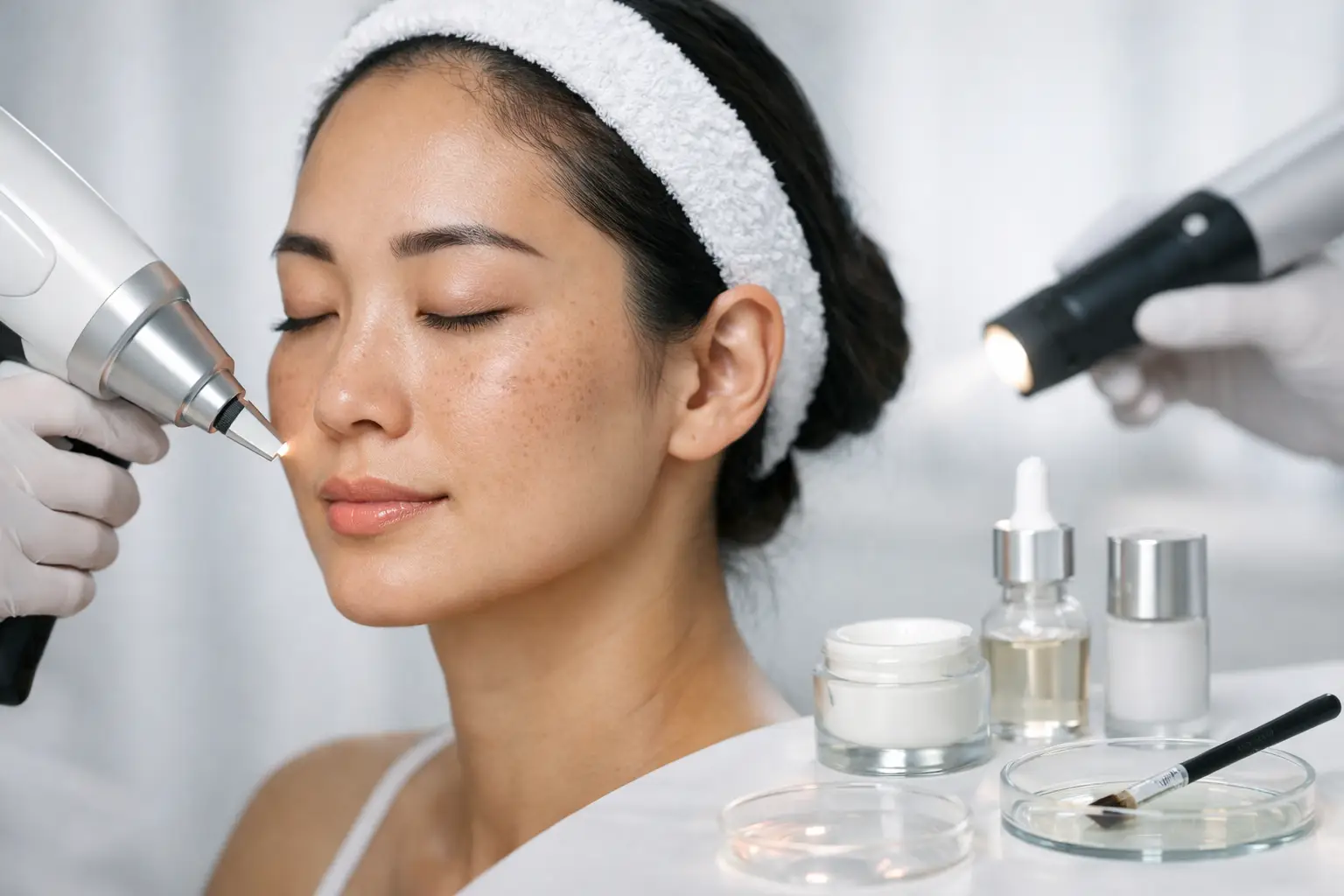
Non-surgical face-lifting and skin-tightening treatments have grown in popularity across Singapore (and across Asia). With many wondering where one can find the best HIFU treatment in Singapore, since some observed results that much differ from their peers.
But is there really a single “best HIFU treatment in Singapore”? How much of what you read online is accurate? This 2026 guide explains how HIFU works, what to expect during a session, and the types of results you can realistically achieve under the care of an aesthetic doctor.
What is HIFU?
High-intensity focused ultrasound, also known as HIFU, is a non-invasive treatment that uses ultrasound to target our superficial, deep dermis (SMAS) layer of our skin to lift sagging skin. Incidentally, the SMAS layer is the depth the plastic surgeon works on to lift sagging skin.
An aged SMAS layer is like an old spring mattress. Over time, the springs lose their tension and support. That is when the bedsheet no longer sits snugly, with the sides of the mattress drooping off. Similarly, when the deeper supportive layers of our face weaken with age, it loses its elasticity, and with volume loss, it loses firmness and begins to sag. Hence, resulting in a less defined facial contour or even broad looking face as we age.
HIFU is commonly performed for non-surgical face lifting for ageing, sagging faces, fat cheek removal or double chin removal to achieve a V-shaped face. HIFU facelift is a prescribed medical treatment in Singapore. That is, an experienced doctor will assess your skin type, facial structure, and treatment suitability during an in-clinic consultation. This ensures safety and allows the doctor to customise your HIFU treatment intensity and frequency for optimal results.
Who Can Benefit from HIFU?
HIFU is commonly sought by patients who want to improve:
Mild to Moderate Sagging in the Face and Neck
Loss of collagen and elastin in the deep skin layer can cause sagging over time. HIFU targets the SMAS layer and subdermal tissue to stimulate natural collagen production. The facelift and tightening treatment gradually firms and lifts the skin over a period of 2 weeks to 3 months.
Heavy Jowls and Nasolabial Folds
We start to age in our 20s. That is when we may start seeing the beginning of skin laxity in our jowls, cheeks and jawline. You may also notice the deepening and lengthening of your nasolabial folds. HIFU delivers ultrasound energy into the lower dermis and subcutaneous layers, encouraging collagen remodelling to keep your collagen production at its optimum. Over weeks, this can subtly lift jowls and soften nasolabial folds.
Loss of Definition Along the Jawline
Diminished jawline definition occurs as skin elasticity decreases. HIFU targets subcutaneous layers, promoting collagen formation and tissue tightening. Patients often notice sharper contours after 2–3 months as collagen naturally remodels.
Fine Lines and Early Wrinkles
Fine lines appear when dermal thickness reduces. HIFU stimulates collagen production in the deep dermal layer, gradually smoothing shallow lines and improving skin texture. Visible improvements develop over several weeks, often enhanced with a personalised treatment plan.
How HIFU Treatment Works
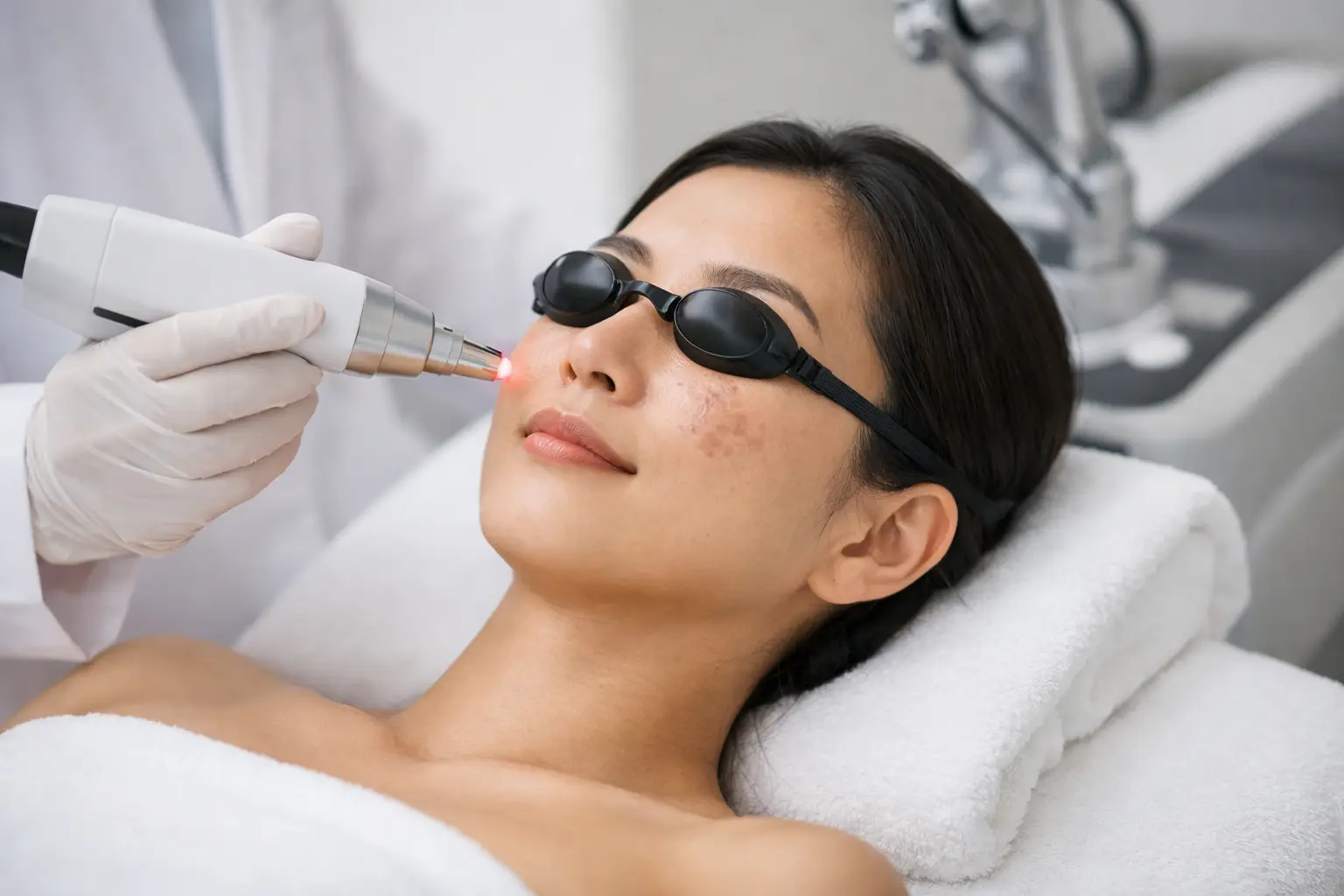
During a session, a trained aesthetic doctor uses a handheld device to deliver ultrasound pulses to targeted areas. The pulses create controlled heat in deep skin layers, stimulating collagen production without affecting the skin surface.
Treatment usually lasts 30–90 minutes depending on the area. Mild warmth or tingling is normal. Most patients do not require numbing, although some clinics offer topical anaesthesia for comfort.
Safety and Side Effects of HIFU
HIFU is generally safe when performed by trained doctors. Temporary effects may include:
- Mild redness
- Slight swelling
- Tingling or tenderness
These typically resolve within a few hours to a couple of days. Serious adverse effects are rare when procedures follow proper protocols. (Fabi et al., 2019)
Following post-treatment guidance, including sun protection, helps maintain results and minimise complications.
Treatment Results and Expectations
HIFU results appear gradually over 2–3 months as collagen remodels. Multiple sessions may be recommended depending on age, skin condition, and treatment goals. A doctor-led consultation will provide a clear treatment plan and realistic expectations.
Comparing HIFU Devices in Singapore
Not all HIFU devices are identical. Differences include:
- Depth of ultrasound penetration
- Energy delivery method
- Area coverage
In Singapore, doctors select the device and settings based on patient anatomy and skin type, not brand marketing, ensuring tailored and safe results.
Is There Really a “Best HIFU Treatment Singapore”?
While many people search online for the “best HIFU treatment Singapore,” one device may suit certain areas better than others. Personalisation is key. The most important factors include:
- Skin condition and laxity
- Areas of concern
- Number of sessions required
- Doctor oversight and safety protocols
Prioritising a doctor-led consultation is more reliable than choosing solely based on brand or marketing claims.
FAQs About HIFU Treatment Singapore
Q: How soon can I see results from HIFU?
A: Most patients notice gradual lifting and firming over 2–3 months as collagen remodels.
Q: Is HIFU painful?
A: Patients may feel mild warmth or tingling. Some clinics offer topical numbing for comfort.
Q: How long do results last?
A: Results vary, but with good skincare and sun protection, improvements can last 12–18 months.
Q: Can HIFU replace a surgical facelift?
A: HIFU is suitable for mild to moderate sagging. Patients with significant skin laxity may require surgical options.
References
- Suh, D.H., et al. (2020). Efficacy and safety of high-intensity focused ultrasound for skin tightening: A systematic review. Journal of Cosmetic Dermatology. PubMed
- Fabi, S., et al. (2019). High-Intensity Focused Ultrasound for Non-Invasive Facial Lifting and Tightening: Clinical Outcomes and Safety. Lasers in Surgery and Medicine. PubMed
- Singapore Medical Council. Guidelines on Aesthetic Practices for Doctors. SMC
- Health Sciences Authority. Guidance on Advertising Medical Devices. HSA