Acne may fade, but the marks it leaves behind can keep pulling your attention back to the mirror. If you are searching for how to treat acne scars, the most useful place to start is not with a trending product or a single miracle procedure. It is with understanding what kind of scar you have, because the right treatment plan depends on that.
Acne scars are not all the same. Some are indented, some are raised, and some are actually post-acne marks rather than true scars. Treating them well means matching the treatment to the skin concern, your skin type, your tolerance for downtime, and the results you want to achieve. A results-oriented plan is rarely one-size-fits-all.
How to treat acne scars starts with the scar type
True acne scars usually fall into two broad categories: atrophic scars, which sit below the surface of the skin, and hypertrophic or keloid scars, which are raised. Most people dealing with facial acne scarring have atrophic scars, and these often appear as ice pick, boxcar, or rolling scars.
Ice pick scars are narrow and deep. Boxcar scars have more defined edges and can look like small depressions with sharper borders. Rolling scars create uneven texture with softer, wave-like dips in the skin. These differences matter because a treatment that softens rolling scars may do far less for deep ice pick scars.
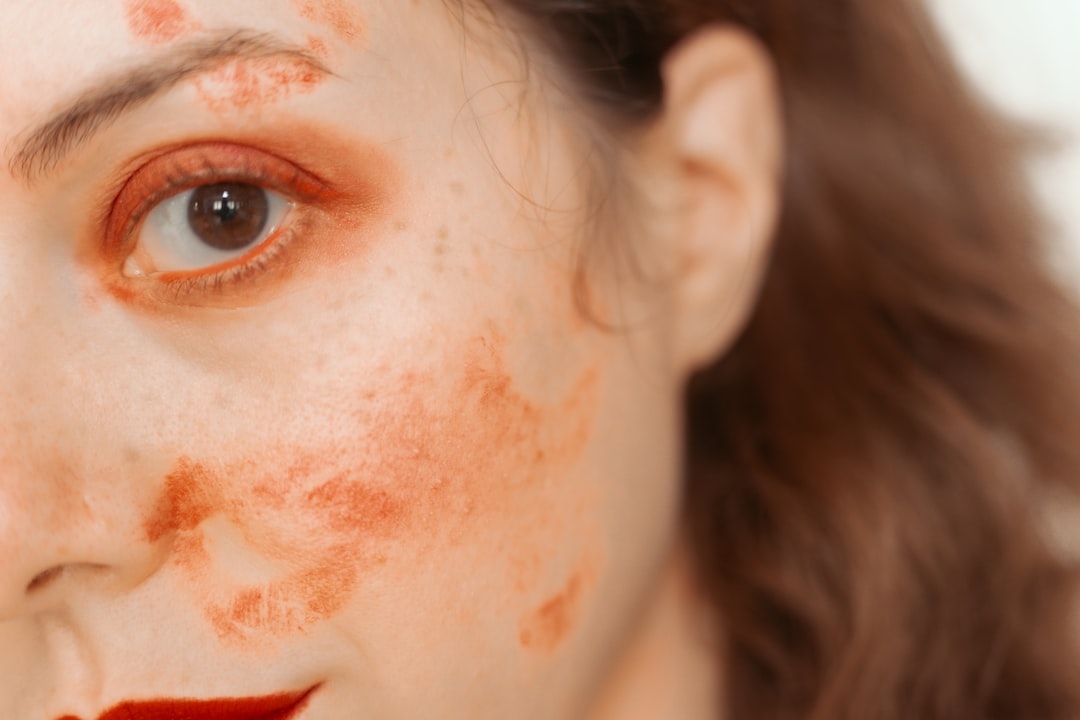
Then there are the marks many people call scars but that are actually post-inflammatory hyperpigmentation or redness. These are changes in skin color after acne heals. They can be frustrating, but they are not the same as structural scars. Pigment and redness often respond to a different treatment pathway than indented scarring.
Why over-the-counter products have limits
Skin care can help, but it helps within boundaries. If your skin has true textural acne scars, no cream can fully rebuild the deeper structural changes on its own. That is why many people feel disappointed after months of trying exfoliating acids, brightening serums, or retinoids without seeing major improvement in pitted scars.
That said, home care still plays a valuable role. Retinoids can support cell turnover and collagen renewal. Chemical exfoliants may improve surface roughness and lingering discoloration. Daily sunscreen is non-negotiable if you want to prevent dark marks from becoming more noticeable and to protect skin undergoing treatment.
Think of skin care as the foundation, not the full plan. It can improve tone, support healing, and maintain results, but moderate to severe acne scarring usually needs in-clinic treatment for visible change.
The most effective in-clinic options
When patients ask how to treat acne scars effectively, the answer usually involves one or more procedures performed in a medical aesthetic setting. Combination treatment is common because different scars often exist on the same face.
Chemical peels for mild scarring and post-acne marks
Chemical peels work by accelerating exfoliation and stimulating skin renewal. They are often helpful for superficial textural irregularities, acne-related discoloration, and dullness. Peels can also complement other scar-focused treatments.
The trade-off is that peels are usually better for surface concerns than for deeper depressions. If your main issue is pitted scarring, a peel alone may not be enough. It may still be useful as part of a broader program, especially when pigmentation is also present.
Microneedling for texture and collagen support
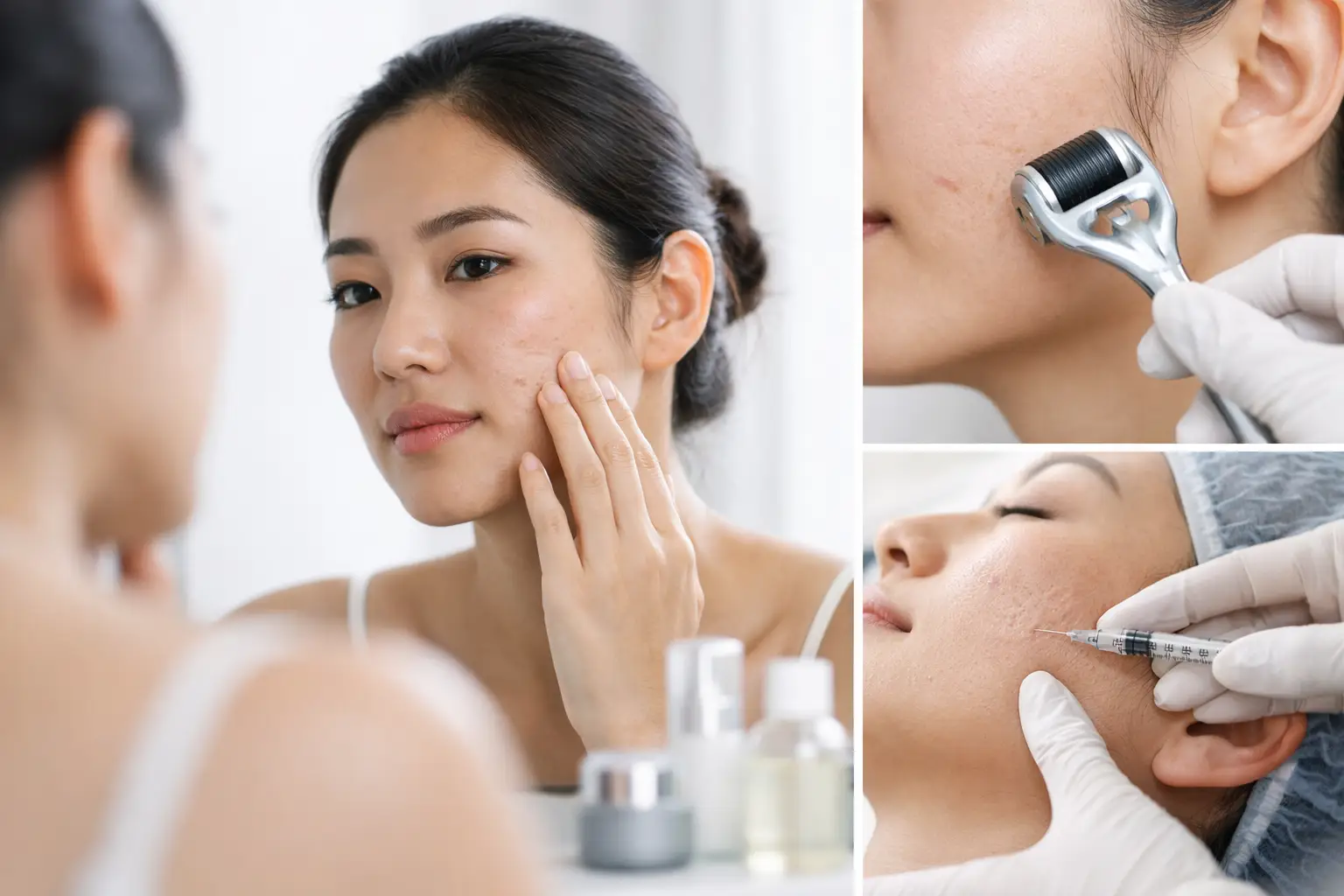
Microneedling creates controlled micro-injuries in the skin to encourage collagen production. It is commonly used for mild to moderate atrophic acne scars, especially when the goal is smoother texture with relatively manageable downtime.
Results build gradually, so one session is rarely the end point. A series is typically needed, and improvement depends on scar depth and skin response. Patients who want steady progress with a minimally invasive approach often find it appealing.
Laser treatments for resurfacing and scar remodeling
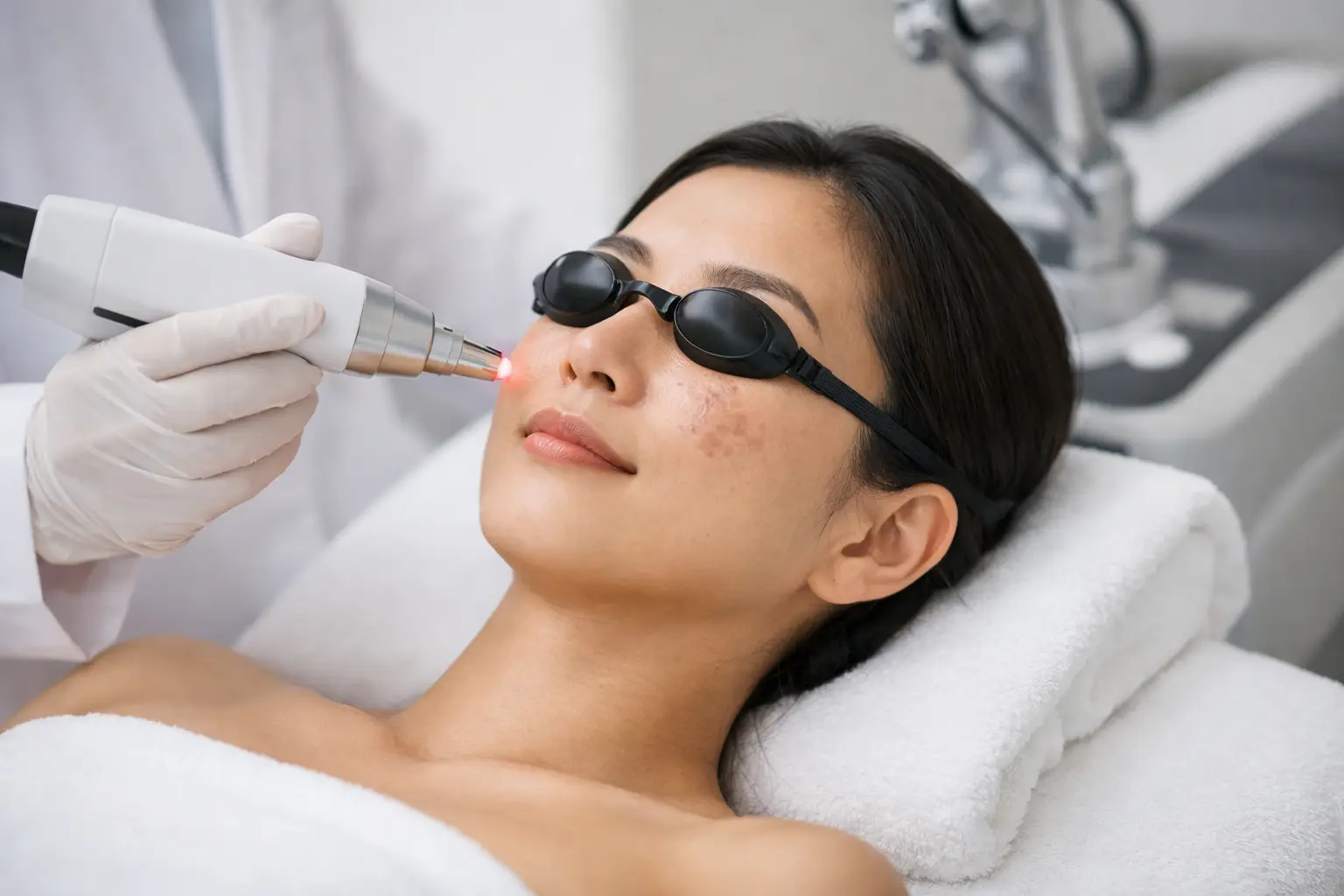
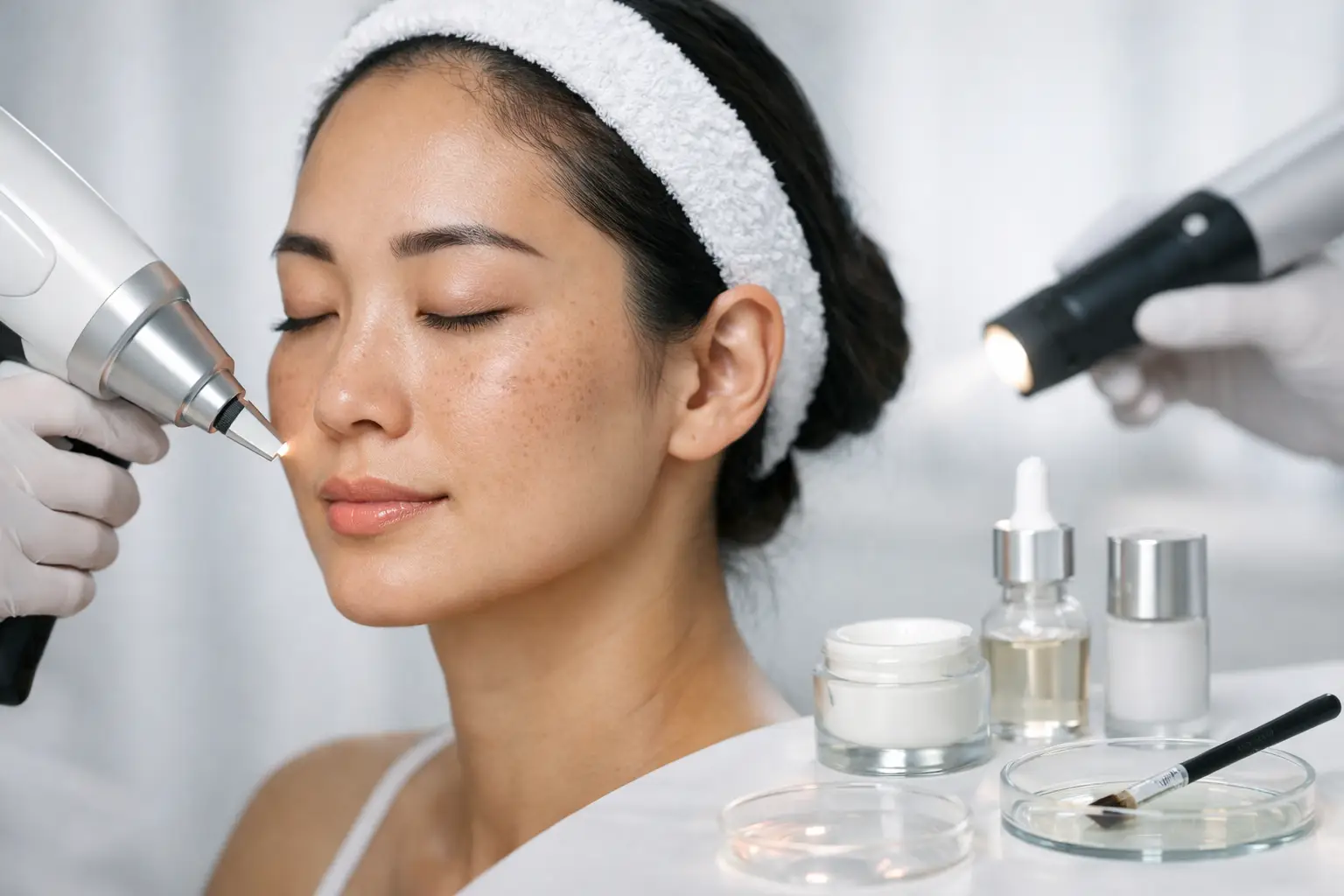
Laser treatment is one of the most established options for acne scar improvement, particularly for texture, discoloration, and overall skin renewal. Different lasers target different concerns. Some focus on pigment, while others support resurfacing and collagen remodeling.
This is where precision matters. Not every laser is designed for every scar type, and not every patient is suited for the same device or intensity level. A treatment plan may involve pico laser for certain pigment-related concerns or other laser technologies chosen for resurfacing and texture refinement. The right selection depends on your skin condition, history, and desired downtime.
Laser treatments can produce meaningful improvement, but they often work best as part of a staged plan rather than a one-time fix. Patients should also understand that improvement does not mean perfection. The goal is smoother, more even, more confident-looking skin.
Subcision for tethered rolling scars
Some rolling scars are caused by fibrous bands pulling the skin downward. In those cases, subcision may be recommended. This minimally invasive technique releases the tethering under the skin so the depressed area can lift.
Subcision is especially useful when scars do not respond adequately to surface treatments alone. It is often paired with other modalities such as microneedling, laser, or skin boosters to enhance overall results. This is a good example of why diagnosis comes before treatment selection.
Injectable skin boosters and regenerative support
In selected cases, skin boosters may be used to improve overall skin quality, hydration, and recovery as part of a broader acne scar plan. These do not replace scar-specific procedures, but they can support a healthier skin environment and complement collagen-focused treatments.
For patients seeking natural-looking enhancement, this kind of combination can be appealing. The skin may look smoother and fresher overall, even while deeper scar remodeling continues over time.
How to choose the right treatment plan
The best acne scar treatment is not always the most aggressive one. It is the one that fits your skin and your goals. Some patients want the fastest visible change and are comfortable with more downtime. Others prefer a gradual approach that fits into a busy work schedule.
Skin tone also matters. The risk of post-treatment pigmentation can influence how energy-based treatments or peel strengths are selected. Active acne matters too. If you are still breaking out regularly, controlling acne should happen alongside or even before intensive scar work. Otherwise, new breakouts can continue creating new marks while you treat old ones.
Budget matters as well, and it is worth being honest about that from the beginning. Acne scar treatment is often a process, not a single appointment. A personalized consultation helps prioritize the treatments likely to give the best return for your specific concern.
What results should you realistically expect?
This is where honest guidance matters. Acne scars can usually be improved, often significantly, but they are rarely erased completely. Clinics that take an evidence-based, results-oriented approach will focus on measurable improvement rather than overpromising flawless skin.
You may notice smoother texture, softer edges around scars, better light reflection, and a more even overall appearance. Those changes can make a real difference in how your skin looks without makeup and how confident you feel in professional and social settings.
The timeline varies. Some treatments create visible improvement within weeks, while collagen remodeling can continue for months. Most patients need multiple sessions. Patience is part of the process, but so is choosing a provider who can map out the journey clearly.
What to do before and after treatment
Preparation and aftercare influence your outcome more than many people realize. Before treatment, your provider may advise you to pause certain active skin care products, avoid excessive sun exposure, and make sure active acne is appropriately managed.
After treatment, skin care should support healing rather than push the skin too hard. Gentle cleansing, hydration, and sun protection are essential. Picking, scrubbing, or resuming strong actives too early can interfere with recovery and increase the chance of irritation or discoloration.
This is another reason medically guided treatment matters. Good outcomes are not only about what happens during the procedure. They also depend on what happens before and after it.
When professional guidance makes the biggest difference
If your scars are affecting your confidence, it is worth getting an expert assessment instead of guessing your way through products and online advice. Many people misidentify pigmentation as scarring, or assume one treatment can address every issue. In reality, the most successful plans are tailored, layered, and adjusted over time.
At a solution-driven clinic such as Lynn Medical & Aesthetic Clinic, the value is not simply access to treatments. It is access to a personalized plan built around your scar type, skin condition, and comfort level. That kind of guidance can save time, reduce frustration, and move you toward visible improvement with more confidence.
If you have been wondering how to treat acne scars, start by treating the decision with the same care you want for your skin – with clarity, realistic expectations, and a plan designed for you.