Skin pigmentation is a common dermatological consideration, particularly in tropical climates like Singapore where year-round exposure to ultraviolet (UV) radiation is unavoidable. Changes in skin tone, uneven complexion, and the appearance of darkened patches or spots can be a source of concern for many individuals. In the realm of aesthetic medicine, energy-based skin treatments, specifically utilizing laser technology, represent a common approach utilized by medical professionals to address hyperpigmentation.
However, addressing pigmentation is a complex medical process. It requires a thorough understanding of skin anatomy, adherence to strict clinical protocols, and realistic patient expectations. Laser treatments are not one-size-fits-all solutions, and outcomes depend heavily on the type of pigmentation, the individual’s skin type, and their physiological response to the treatment.
Before exploring how laser treatments function, it is essential to understand the biological mechanisms underlying skin pigmentation. The color of human skin is primarily determined by melanin, a pigment produced by specialized cells called melanocytes, which are located at the basal layer of the epidermis.
The Mechanism of Melanin Production
Melanogenesis is the process through which melanocytes produce melanin. This process is typically triggered by exposure to UV radiation, which stimulates the enzyme tyrosinase. Tyrosinase converts the amino acid tyrosine into melanin, which is then transferred to surrounding skin cells (keratinocytes) to protect the cellular DNA from UV damage. When this system functions uniformly, it results in an even skin tan. However, when melanocytes become overactive or cluster together, an overproduction of melanin occurs in localized areas, leading to hyperpigmentation.
Common Types of Hyperpigmentation
Pigmentation can present in various forms, and a precise medical diagnosis is crucial before any clinical intervention.
- Ephelides (Freckles): These are small, flat, light brown spots that typically appear on sun-exposed areas such as the face, shoulders, and arms. They are heavily influenced by genetic predisposition and sun exposure.
- Solar Lentigines (Sun Spots or Age Spots): Often slightly larger and darker than freckles, these spots accumulate over time due to chronic, long-term UV exposure. They are most commonly seen in older individuals and are frequently found on the face and the back of the hands.
- Melasma: Characterized by larger, symmetrical, and often poorly defined patches of darker skin, melasma is frequently triggered by a combination of genetic factors, UV exposure, and hormonal changes, such as those occurring during pregnancy or with the use of oral contraceptives. Melasma is notoriously chronic and requires careful long-term management.
- Post-Inflammatory Hyperpigmentation (PIH): This type of pigmentation occurs following skin injury or inflammation, such as severe acne, eczema, or even previous aggressive skin treatments. The inflammation stimulates melanocytes to release excess pigment, leaving a dark mark after the initial issue has healed.
If you’re considering laser pigmentation removal, you might also be interested in exploring how other cosmetic procedures can enhance your appearance. For instance, chin fillers can provide a more defined jawline and improve facial symmetry. To learn more about this treatment and its benefits, check out this informative article on chin fillers: All You Need to Know About Chin Fillers.
The Science Behind Laser Treatments for Pigmentation
Modern aesthetic medicine utilizes specific energy-based devices to address the excess melanin present in hyperpigmentary conditions. The core scientific principle that allows lasers to target pigmentation without indiscriminately destroying the surrounding skin is known as selective photothermolysis.
The Principle of Selective Photothermolysis
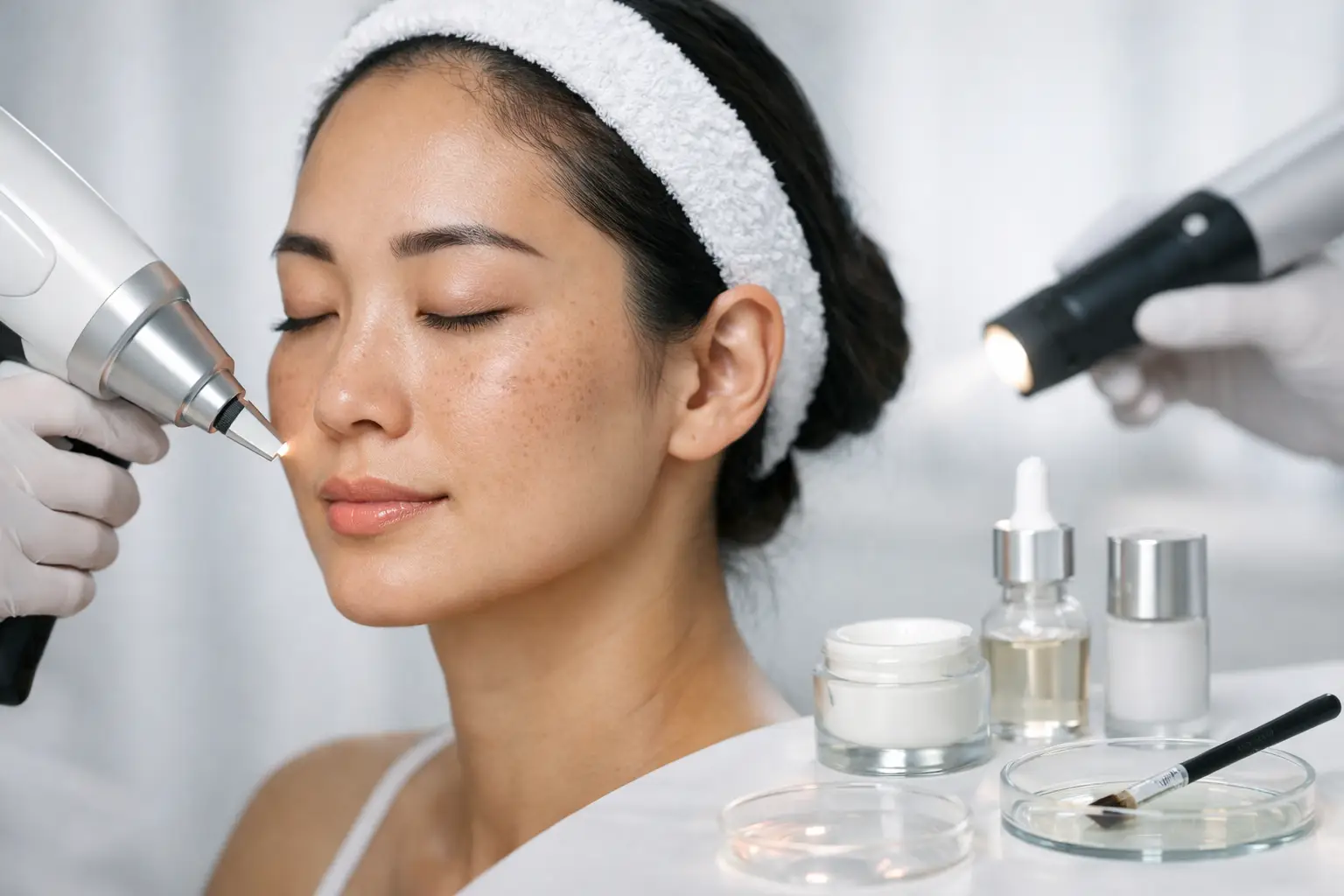
Selective photothermolysis relies on capturing specific target structures in the skin—in this case, the melanin chromophore—using corresponding wavelengths of light energy. Different wavelengths penetrate the skin to varying depths and have varying affinities for different chromophores. When the laser energy is fired, it is rapidly absorbed by the melanin, converting into acoustic or thermal energy. This localized energy effectively shatters the concentrated pigment particles into microscopic fragments while intending to leave the surrounding healthy skin tissue intact. Once the pigment is fragmented, the body’s natural immune system, primarily through cells called macrophages, gradually absorbs and eliminates these particles over a period of weeks.
Modalities in Energy-Based Skin Treatments
Medical practitioners may utilize different categories of laser devices based on the depth and type of the pigmentation.
- Nanosecond (Q-Switched) Lasers: These established devices deliver light energy in nanosecond (one-billionth of a second) pulses. The rapid delivery of high-intensity energy primarily relies on a photothermal and photoacoustic effect to break down pigment clusters. They have a long track record in the management of superficial to deep dermal pigmentation.
- Picosecond Lasers: A more recent advancement in laser physics, these devices deliver energy in picoseconds (one-trillionth of a second). Because the pulse duration is significantly shorter, these lasers rely more heavily on a photoacoustic effect, creating shockwaves that shatter the pigment into extremely fine particles. This theoretically allows the immune system to clear the pigment more efficiently, though both nanosecond and picosecond technologies remain valid and widely used options in clinical practice.
Assessing Suitability and Formulating a Treatment Plan
Laser treatment for pigmentation is a medical procedure that necessitates a comprehensive pre-treatment assessment. Not every type of pigmentation reacts favorably to laser energy, and in some instances, the wrong laser or setting may exacerbate the condition.
Determining Patient Candidacy
During the initial consultation, a medical practitioner will evaluate the patient’s medical history, prior aesthetic treatments, skin care regimen, and lifestyle habits. A critical factor in this assessment is the patient’s skin phototype, commonly classified using the Fitzpatrick Scale. Singapore’s diverse demographic includes individuals ranging from Fitzpatrick Type II to Type V. Darker skin types inherently possess more active melanocytes, which increases the risk of adverse reactions such as post-inflammatory hyperpigmentation when exposed to heat or laser energy. Therefore, the parameters of the energy-based device must be carefully calibrated according to the individual’s skin type.
Identifying Medical Contraindications
Safety is paramount in any medical aesthetic procedure. Certain conditions may render an individual unsuitable for laser pigmentation treatments at a given time. Contraindications typically include:
- Active bacterial, viral, or fungal skin infections in the treatment area.
- A history of keloid scarring or poor wound healing.
- Recent excessive sun exposure or sunburn.
- Pregnancy or breastfeeding.
- The use of photosensitizing medications or recent use of systemic retinoids (like isotretinoin).
- Certain autoimmune conditions, such as vitiligo, which may be triggered or worsened by skin trauma.
The Clinical Treatment Process and Aftercare
Understanding the clinical workflow helps to alleviate apprehension and ensures that patients are adequately prepared for both the procedure and the necessary recovery phase.
What to Expect During the Procedure
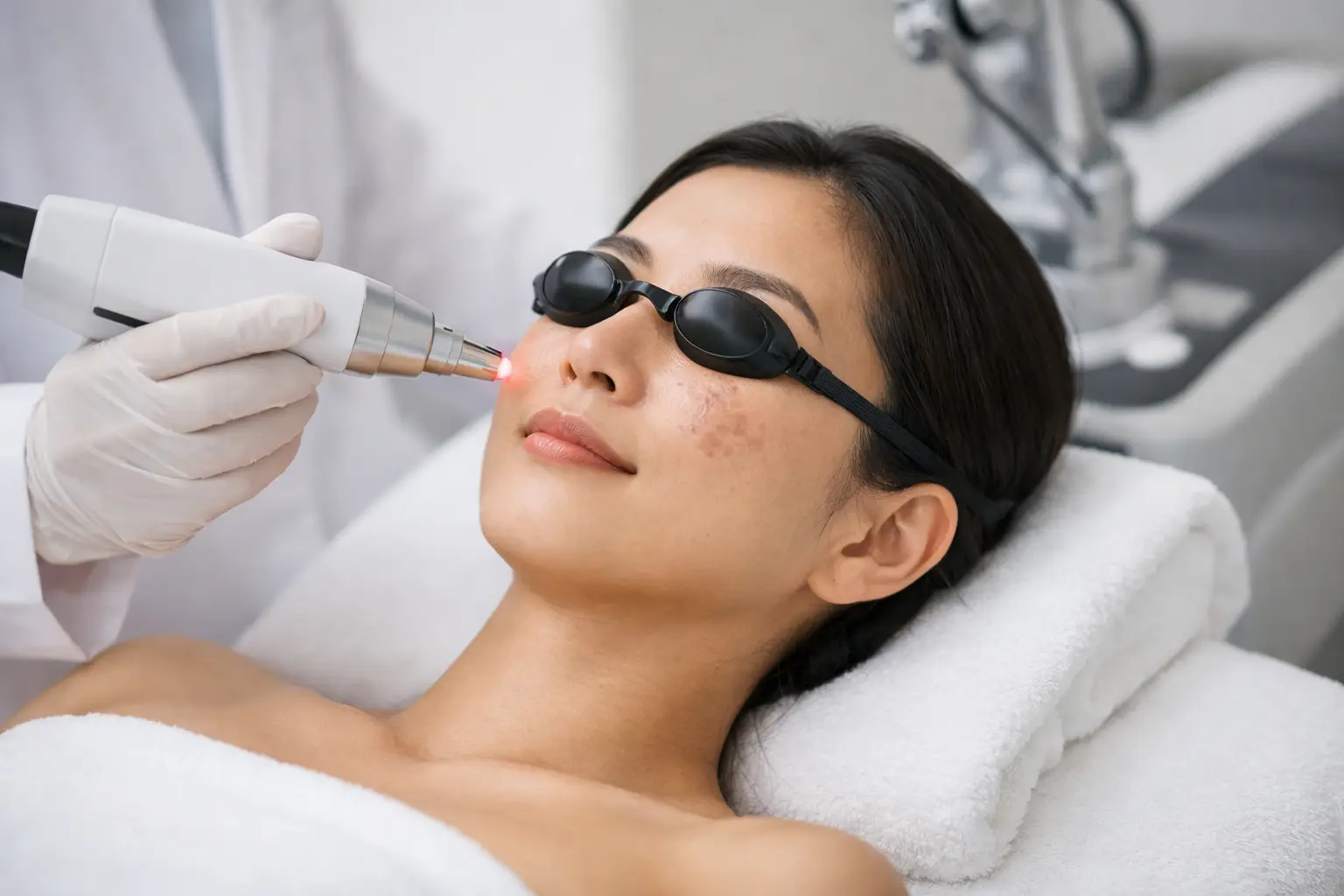
Following a definitive diagnosis and the formulation of a customized treatment plan, the treatment area is thoroughly cleansed. Depending on the specific laser modality being used and the depth of the treatment, a topical anesthetic cream may be applied to the skin to enhance patient comfort. The patient and the practitioner will wear specialized protective eyewear to shield against the laser light.
During the treatment, the practitioner directs the laser handpiece over the target areas. The sensation experienced during a laser session is frequently described as a quick snapping feeling against the skin, similar to a rubber band, accompanied by a mild, brief sensation of heat. The duration of the session varies based on the size of the area being treated but generally takes between 15 to 30 minutes.
Post-Procedure Recovery Protocols
The post-treatment phase is just as critical as the procedure itself in determining the safety and efficacy of the outcome. Immediately following the treatment, patients may experience varying degrees of erythema (redness) and mild edema (swelling) in the treated areas, which generally subsides within a few hours to a few days. Depending on the type of pigmentation treated, the darkened spots may temporarily appear more prominent or form a superficial micro-crust before naturally shedding off.
Aftercare instructions provided by the clinic must be followed meticulously. Patients are advised to:
- Use a gentle cleanser and avoid abrasive scrubs or exfoliants.
- Apply a soothing, non-comedogenic moisturizer to support the functioning of the skin barrier.
- Strictly avoid direct sun exposure and tanning beds.
- Refrain from picking at any scabs or crusts that may form, as doing so can lead to scarring and secondary hyperpigmentation.
Laser pigmentation removal is an effective solution for addressing various skin discolorations, and understanding the underlying science of skin health can significantly enhance treatment outcomes. For those interested in the importance of maintaining a healthy skin barrier during recovery from aesthetic procedures, a related article discusses the critical role it plays in overall skin wellness. You can read more about this topic in the article on the science of skin barrier. This knowledge can help individuals make informed decisions about their skincare routines post-treatment.
Managing Risks and Long-Term Expectations
| Treatment Area | Sessions Required | Recovery Time |
|---|---|---|
| Face | 4-6 sessions | 1-2 days |
| Arms | 6-8 sessions | 2-3 days |
| Legs | 8-10 sessions | 3-4 days |
In compliance with the standards of medical practice, patients must be fully informed of all potential risks, as well as the realistic long-term expectations associated with laser pigmentation procedures. Laser treatments cannot guarantee an absolute conclusion to pigmentary issues; managing skin health is a continuous process.
Understanding Potential Risks and Side Effects
While laser treatments are routinely performed safely by qualified medical professionals, they are not entirely devoid of risk. Adverse effects can occur, particularly if the post-treatment protocols are breached. Potential risks include:
- Post-Inflammatory Hyperpigmentation (PIH): As previously mentioned, the heat from the laser can inadvertently trigger melanocytes to produce more pigment. This is a recognized risk, especially in Asian skin types, which is why conservative energy settings are often initially employed.
- Hypopigmentation: Conversely, excessive laser energy can permanently damage or destroy the melanocytes, resulting in lighter patches of skin where the pigment has been entirely lost.
- Blistering and Scarring: Very rare when performed by trained providers, but excessive thermal damage can lead to blisters, subsequent bacterial infection, and long-term textural scarring.
Why Results Vary Between Individuals
It is imperative to note that results vary significantly between individuals. While one patient may observe a substantial fading of solar lentigines after a single session, another may require multiple sessions spaced several weeks apart to achieve a noticeable improvement. Complex conditions like melasma are particularly recalcitrant; they may lighten following a course of treatment but carry a high rate of recurrence due to underlying hormonal triggers and the unpredictable nature of melanocyte activity. No medical aesthetic treatment can offer a permanent guarantee against the recurrence of pigmentation.
The Critical Role of Maintenance and Sun Protection
Laser treatments focus on addressing existing pigmentation but do not alter the inherent genetic predispositions of a patient’s skin, nor do they prevent new pigmentation from forming. Therefore, long-term maintenance is required.
The cornerstone of any skin maintenance regimen is rigorous sun protection. Patients are advised to apply a broad-spectrum sunscreen with a high Sun Protection Factor (SPF) daily, reapplying it periodically when outdoors. Additionally, aesthetic doctors frequently prescribe topical formulations—such as localized tyrosinase inhibitors, vitamin C, or retinoids—to suppress the constant overproduction of melanin as an ongoing adjunctive measure. Adopting complementary physical barriers, such as hats and umbrellas, further minimizes the stimulatory effect of UV rays on the melanocytes.
Ultimately, the management of skin pigmentation is an ongoing journey rather than a one-time fix. Laser energy-based devices provide practitioners with a precise, targeted tool that may help improve the appearance of an uneven skin tone and lighten dark spots. For those considering to undergoing a treatment course for hyperpigmentation, a thorough, face-to-face consultation with a certified medical doctor remains an essential first step. A qualified practitioner will carefully evaluate the skin, formulate a safe, evidence-based approach, and guide the patient through reasonable expectations and comprehensive aftercare strategies.
FAQs
What is laser pigmentation removal?
Laser pigmentation removal is a cosmetic procedure that uses focused laser energy to target and break up areas of excess pigmentation in the skin. This can include sun spots, age spots, freckles, and other types of hyperpigmentation.
How does laser pigmentation removal work?
During the procedure, the laser emits short pulses of light that are absorbed by the excess melanin in the skin, causing it to break up and disperse. The body’s natural healing process then removes the pigmented cells, resulting in a more even skin tone.
Is laser pigmentation removal safe?
When performed by a qualified and experienced practitioner, laser pigmentation removal is generally considered safe. However, there are some potential risks, including temporary redness, swelling, and changes in pigmentation. It’s important to discuss these risks with a healthcare professional before undergoing the procedure.
How many sessions are typically needed for laser pigmentation removal?
The number of sessions needed for laser pigmentation removal can vary depending on the individual and the specific pigmentation being targeted. On average, most people require multiple sessions, spaced several weeks apart, to achieve the desired results.
What is the recovery process like after laser pigmentation removal?
After the procedure, it’s common to experience some redness, swelling, and mild discomfort, similar to a sunburn. It’s important to follow post-treatment care instructions provided by the practitioner, which may include avoiding sun exposure and using gentle skincare products. Most people are able to resume their normal activities shortly after the procedure.