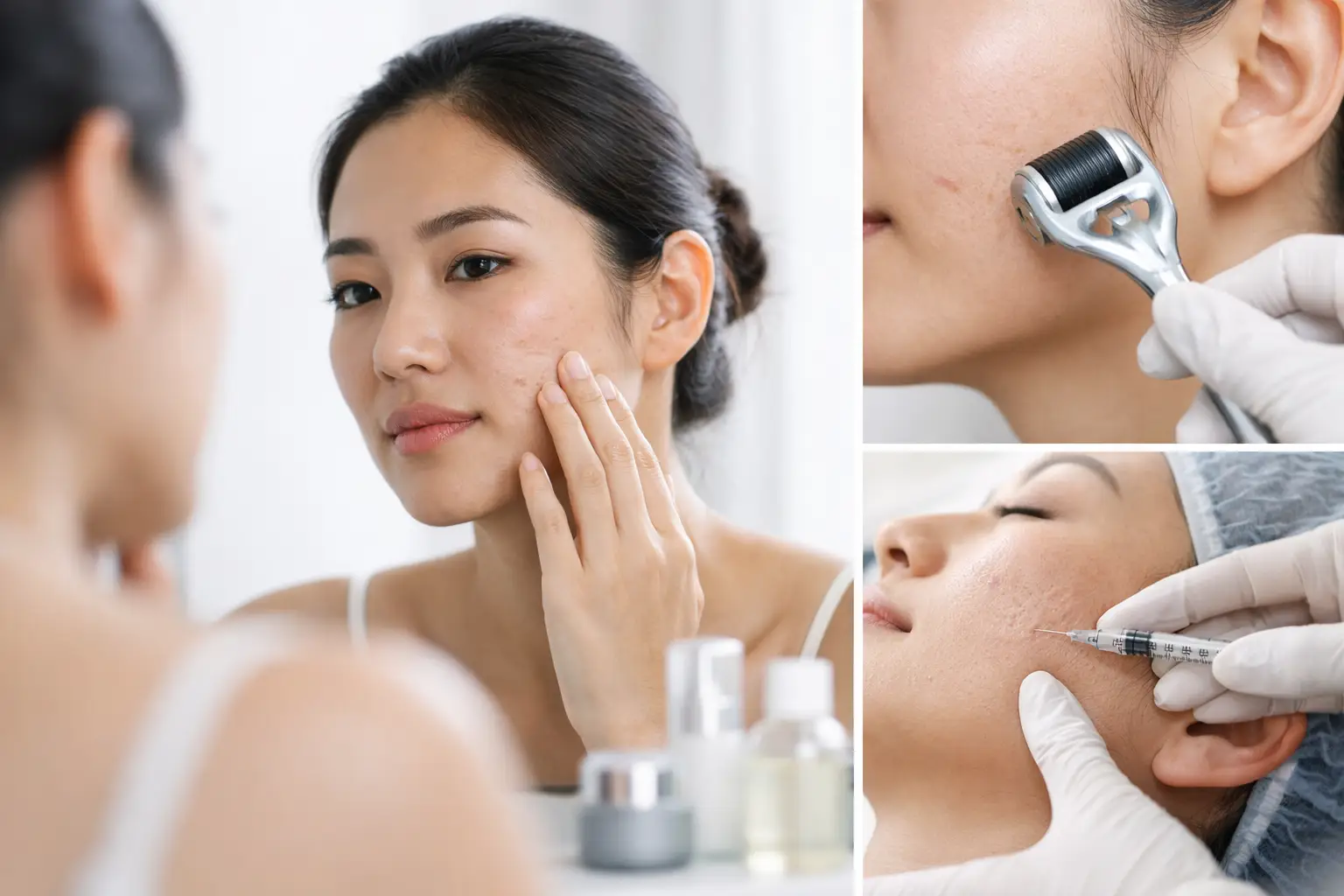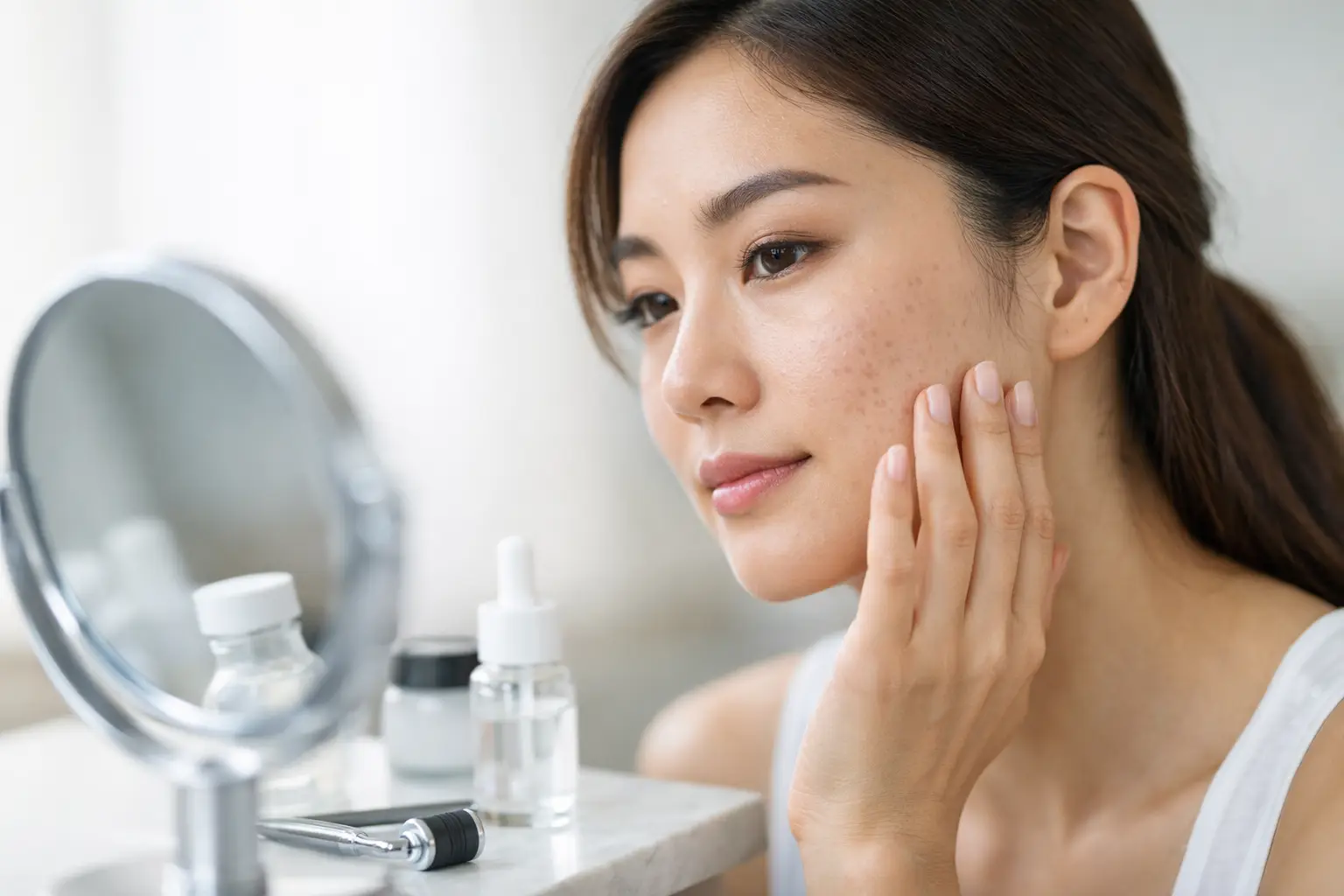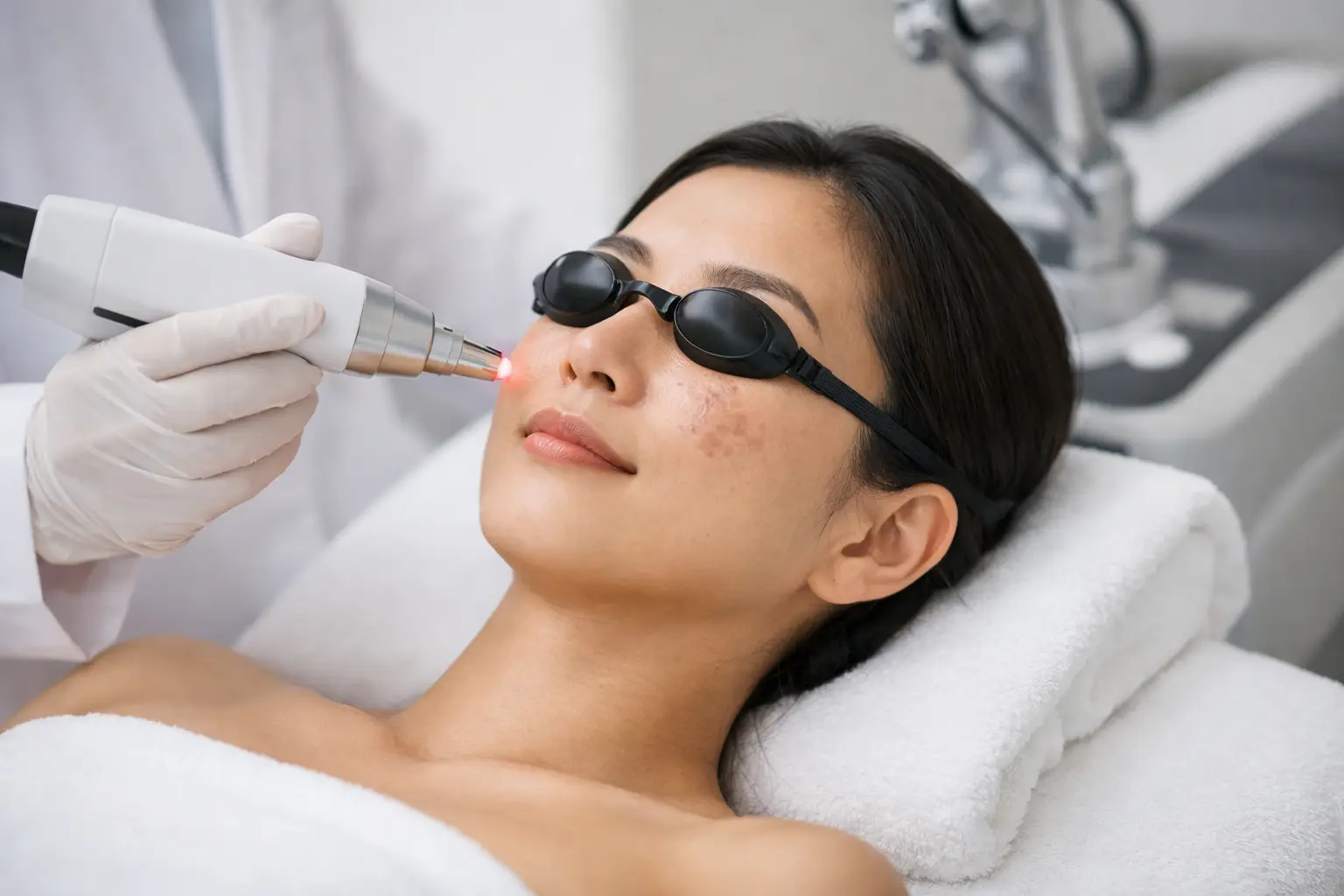
You can have a consistent skincare routine, wear sunscreen daily, and still find yourself frustrated by dark spots that do not seem to fade. That is often the point where pigmentation laser treatment enters the conversation – not as a one-size-fits-all fix, but as a targeted option for pigment concerns that sit deeper in the skin or have proven stubborn over time.
For many adults, pigmentation is not just a cosmetic annoyance. It can make skin look uneven, tired, and older than it feels. The right laser approach can help improve clarity and overall tone, but results depend on choosing the right device, the right settings, and the right treatment plan for your skin.
What pigmentation laser treatment is designed to treat
Pigmentation laser treatment is used to target excess melanin in the skin. In simple terms, the laser energy breaks up unwanted pigment so the body can gradually clear it away. This can be helpful for concerns such as sun spots, age spots, freckles, post-acne marks, and certain types of uneven skin tone.
That said, not all pigmentation behaves the same way. Some marks are superficial and respond relatively well. Others, such as melasma, can be more complex and may flare with heat or irritation if treated too aggressively. This is where medical assessment matters. A dark spot is not always the same kind of pigment issue just because it looks similar in the mirror.
A results-oriented clinic will usually start by identifying what kind of pigmentation you have, how deep it appears to be, and whether laser is the best first step. In some cases, a combination approach may be more appropriate, especially when inflammation, sun exposure, or skin sensitivity is part of the picture.
How pigmentation laser treatment works
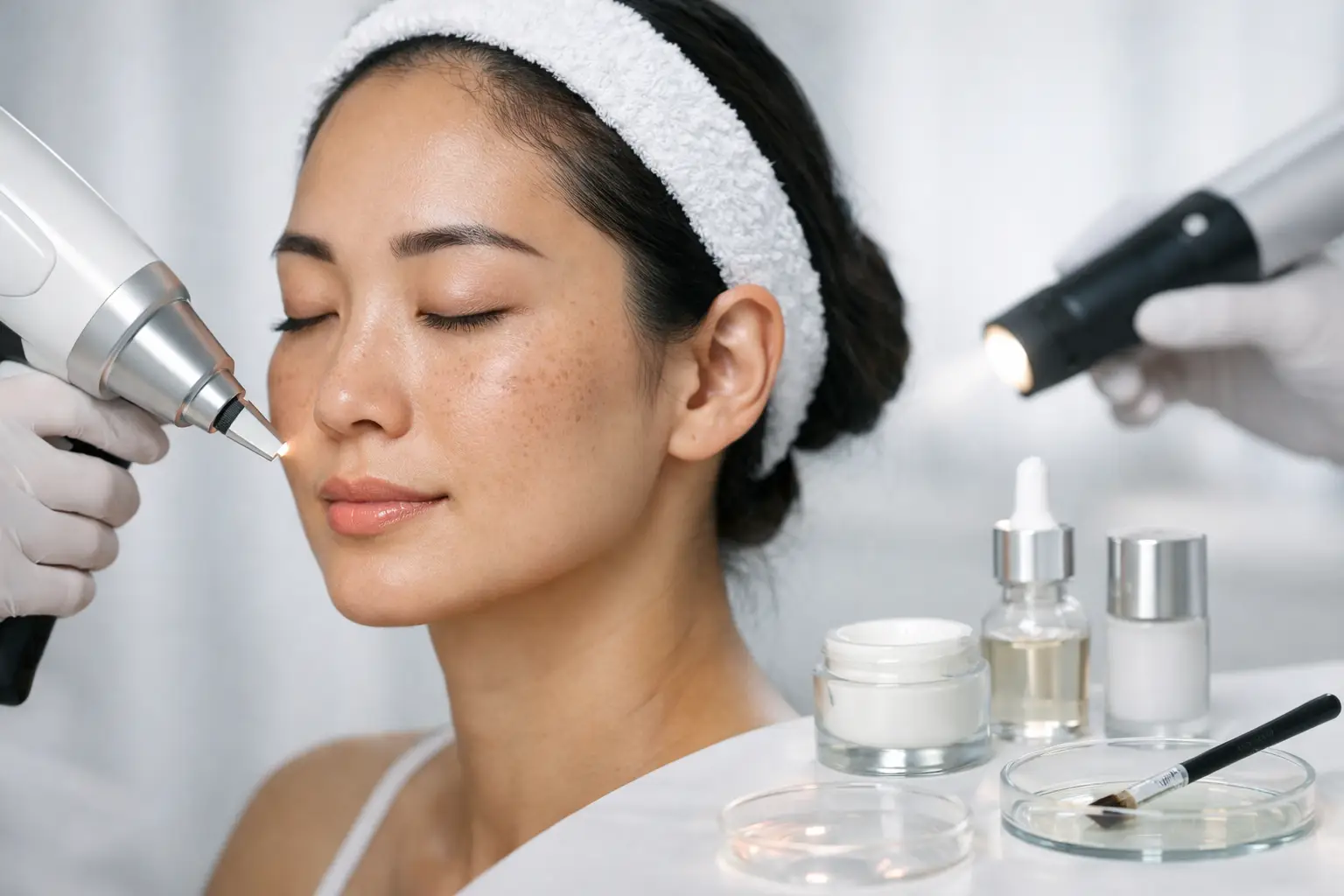
The principle is precise but the planning behind it should be highly personalized. Laser devices emit specific wavelengths of light that are absorbed by pigment in the skin. Once absorbed, that energy breaks the pigment into smaller particles, which are then naturally cleared by the body over time.
Different lasers are used for different concerns. Some are better suited for superficial pigment, while others can reach deeper pigment with less disruption to the surrounding skin. Pico laser technology, for example, is often chosen for its ability to deliver energy in ultra-short pulses, which can help target pigment efficiently while limiting excess heat.
That does not mean every patient should receive the same treatment settings or the same laser category. Skin tone, sensitivity, the type of pigmentation, and even your recent sun exposure can affect the decision. This is why evidence-based treatment planning matters more than simply choosing the most talked-about device.
Who is a good candidate
The best candidates are usually adults with visible pigment concerns who want clearer, more even-looking skin without surgical intervention or extended downtime. If your pigmentation has not improved enough with topical care alone, laser treatment may be a logical next step.
Good candidacy also depends on realistic expectations. Some pigmentation responds quickly. Some improves gradually over a series of sessions. Some may lighten significantly but still need maintenance, especially if it is linked to ongoing triggers such as sun exposure or hormonal influence.
Skin type also matters. Darker skin tones can absolutely be treated, but they require a careful approach to reduce the risk of post-inflammatory discoloration. A conservative, medically informed plan is often the difference between improvement and unnecessary irritation.
What happens before your session
A proper consultation should come first. This is the stage where your provider reviews your skin concern, medical history, past treatments, current skincare, and lifestyle factors that may affect healing or results. It is also where expectations should be discussed clearly.
You may be advised to pause certain active ingredients before treatment, especially if your skin is irritated or compromised. Consistent sun protection is also essential before and after the procedure. If the skin is already inflamed from tanning, over-exfoliation, or a recent breakout, treatment may need to be postponed.
This preparation can feel simple, but it has a direct impact on how safely the skin responds. In aesthetic medicine, good results are often built before the device ever touches the skin.
What to expect during and after pigmentation laser treatment
Most sessions are relatively quick, especially when treating localized spots. You may feel snapping or warmth during the procedure, depending on the device and settings used. Some patients describe it as mildly uncomfortable rather than painful.
After treatment, the skin may look pink or slightly flushed for a period of time. Pigmented spots can darken temporarily before they begin to fade. This response is normal for many laser protocols and is part of the process rather than a sign that the treatment failed.
Downtime varies. Some patients return to normal activities quickly, while others prefer a short recovery window if they are prone to redness or if a broader area was treated. The more important point is aftercare. Sun protection, gentle skincare, and avoiding unnecessary heat or irritation can make a meaningful difference in the final outcome.
How many sessions are usually needed
This is one of the most common questions, and the honest answer is that it depends. A few isolated sun spots may improve with fewer sessions. More diffuse or deeper pigmentation often requires a series of treatments spaced over time.
Your provider should not promise the same number of sessions for every case because pigmentation is influenced by multiple factors. Depth, cause, skin type, and your skin’s healing response all play a role. In many cases, gradual improvement is preferable to aggressive treatment that creates avoidable inflammation.
A personalized plan may also include maintenance sessions or complementary treatments to support better long-term clarity.
Pigmentation laser treatment and melasma
Melasma deserves special attention because it is one of the most misunderstood pigment concerns. It often appears as patchy brown or gray-brown discoloration, commonly on the cheeks, forehead, upper lip, or jawline. While laser can play a role in management, melasma is not always best treated with an aggressive laser-first mindset.
This condition can be triggered or worsened by sun exposure, heat, hormones, and inflammation. For that reason, treatment often works best when laser is part of a broader strategy rather than the only solution. Depending on the case, that strategy may include topical pigment control, strict sun protection, and carefully spaced in-clinic treatments.
Patients with melasma often do best with a provider who is honest about the chronic nature of the condition. Improvement is possible, but management is usually more realistic than the idea of permanent removal.
Risks, limits, and why personalization matters
Laser treatment is powerful, but it is not casual. Even when it is non-surgical, it still requires clinical judgment. Possible risks can include irritation, temporary redness, sensitivity, incomplete clearance, recurrence, or worsening pigmentation if the skin is treated too aggressively.
This is why a solution-driven approach matters. The goal should not be to do the strongest treatment possible. The goal should be to choose the most appropriate treatment for your concern, your skin type, and your tolerance for downtime.
At Lynn Medical & Aesthetic Clinic, this kind of personalized planning is central to how care should work. A treatment plan should be built around visible concerns and safe, natural-looking improvement, not a generic package that assumes every dark spot needs the same answer.
How to support better results
Laser can do a great deal, but daily habits still matter. Sun protection remains essential because UV exposure can reactivate pigmentation and reduce the longevity of your results. Skincare also matters, especially if your regimen supports skin barrier health instead of constantly irritating it.
It is also worth looking at the bigger picture. If you have repeated post-acne marks, active breakouts may need attention alongside pigment treatment. If your skin is sensitive, the focus may need to start with calming inflammation first. Treating pigmentation in isolation is not always the smartest path.
Is pigmentation laser treatment worth it?
For the right candidate, it can be a highly effective option for improving skin clarity and confidence with minimal interruption to daily life. The value is not just in fading a spot. It is in creating a more even, refreshed appearance that feels consistent with the effort you already put into your skin.
The key is choosing treatment with clear eyes. Pigmentation laser treatment can produce excellent improvement, but the best outcomes come from careful assessment, realistic planning, and a provider who understands that visible results and skin safety should always go together.
If you are tired of covering uneven tone and wondering whether your pigmentation will ever fade on its own, a personalized consultation can give you a far clearer answer than guesswork ever will. When the plan fits your skin, progress tends to feel much more achievable.