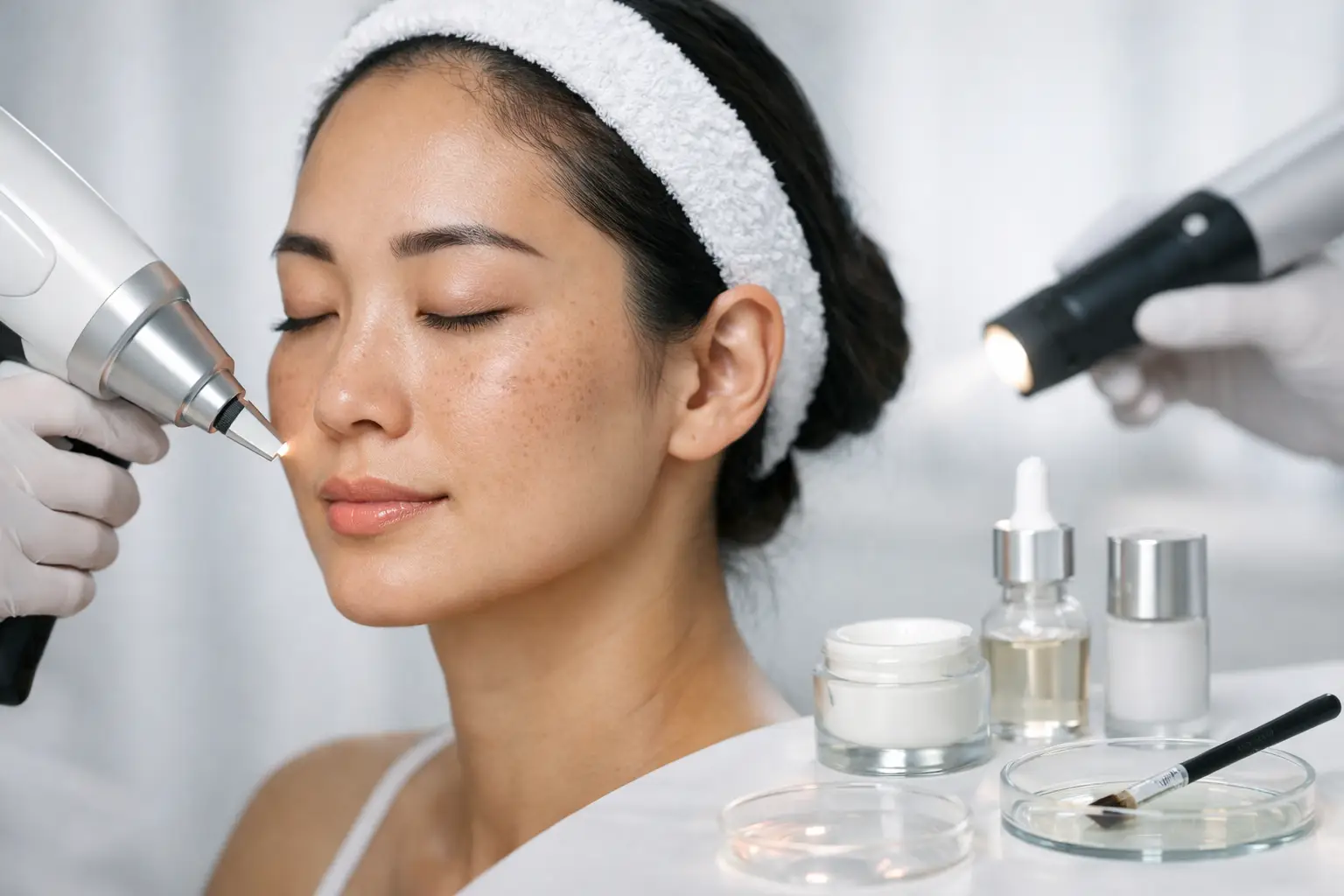
A dark spot rarely feels like just a dark spot. It can sit on the cheekbone where makeup catches, linger after acne has healed, or slowly spread after years of sun exposure. When patients ask about the best options for pigmentation removal, what they usually want is not a trendy treatment name. They want a clear, evidence-based plan that fits their skin, their schedule, and the result they can realistically expect.
Pigmentation is not one single condition, and that is where many people go wrong. Freckles, sunspots, post-inflammatory marks after acne, melasma, and deeper dermal pigmentation can all look similar in the mirror, but they do not respond the same way to treatment. The right approach starts with identifying what kind of pigment is present, how deep it sits in the skin, and what may be triggering it to return.
Understanding the best options for pigmentation removal
The best treatment is the one matched to the cause. Surface pigment from sun damage often responds differently than hormonal pigmentation or lingering discoloration after inflammation. Skin tone matters too, because some treatments need to be adjusted carefully to reduce the risk of irritation or rebound darkening.
That is why a personalized treatment plan matters more than chasing a single hero procedure. In many cases, the best results come from combining in-clinic treatments with a consistent home routine and sensible sun protection. Pigmentation can improve dramatically, but it usually requires precision and patience rather than a one-time fix.
Laser treatments for targeted pigment correction
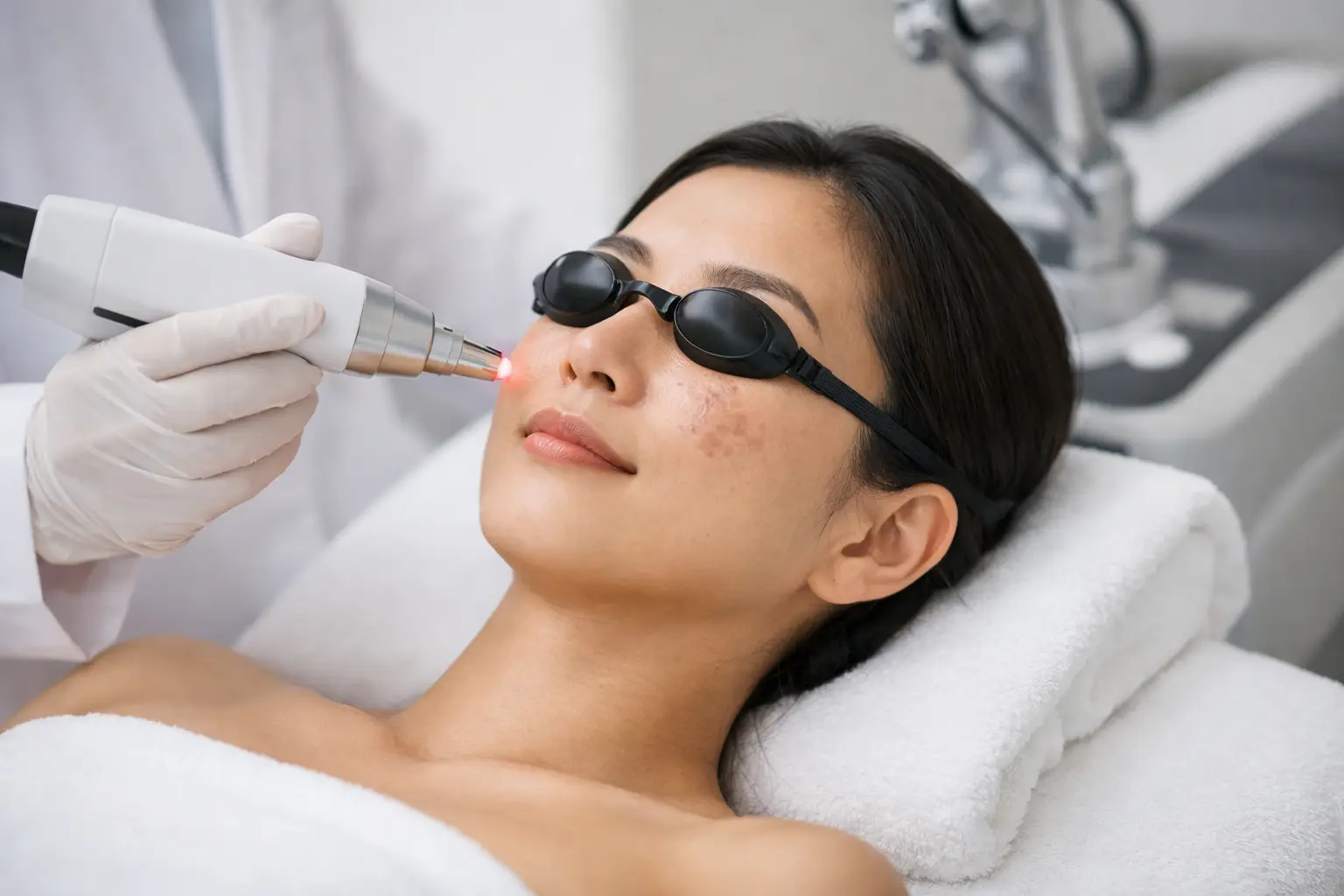
For many patients, laser treatment is one of the most effective options because it can target pigment directly. Different laser technologies work in different ways, which is why the device choice matters. Pico laser is especially popular for pigmentation because it delivers energy in ultra-short pulses designed to break up pigment particles while limiting unnecessary heat in surrounding tissue.
This can be helpful for concerns such as sunspots, freckles, and certain forms of post-inflammatory pigmentation. It can also suit patients who want visible improvement with relatively manageable downtime. After treatment, pigment may temporarily darken before it flakes or fades, and multiple sessions are often needed for a cleaner, more even result.
Pigmentation lasers can also be used in a more targeted way depending on the depth and type of discoloration. However, laser is not always the first answer for every patient. Melasma, for example, can be more reactive and may worsen if treated too aggressively. In those cases, your provider may recommend a gentler, more controlled plan rather than pushing intensity.
Chemical peels for uneven tone and post-acne marks
Chemical peels remain one of the best options for pigmentation removal when the concern sits more superficially in the skin or when dullness and acne marks are part of the picture. A well-selected peel helps accelerate cell turnover, lift excess pigment, and improve overall skin clarity.
This option can work particularly well for post-acne discoloration and mild sun-related pigmentation. It also has the advantage of improving texture at the same time, which matters for patients dealing with both uneven tone and rough skin quality. The strength and formulation should be chosen carefully based on skin sensitivity, skin tone, and the type of pigmentation being treated.
The trade-off is that peels are usually progressive rather than dramatic after a single session. Patients often see the best outcome through a series of treatments spaced appropriately apart. That slower build can actually be an advantage for people who prefer a gradual, polished improvement instead of obvious downtime.
Medical-grade skincare as part of the treatment plan
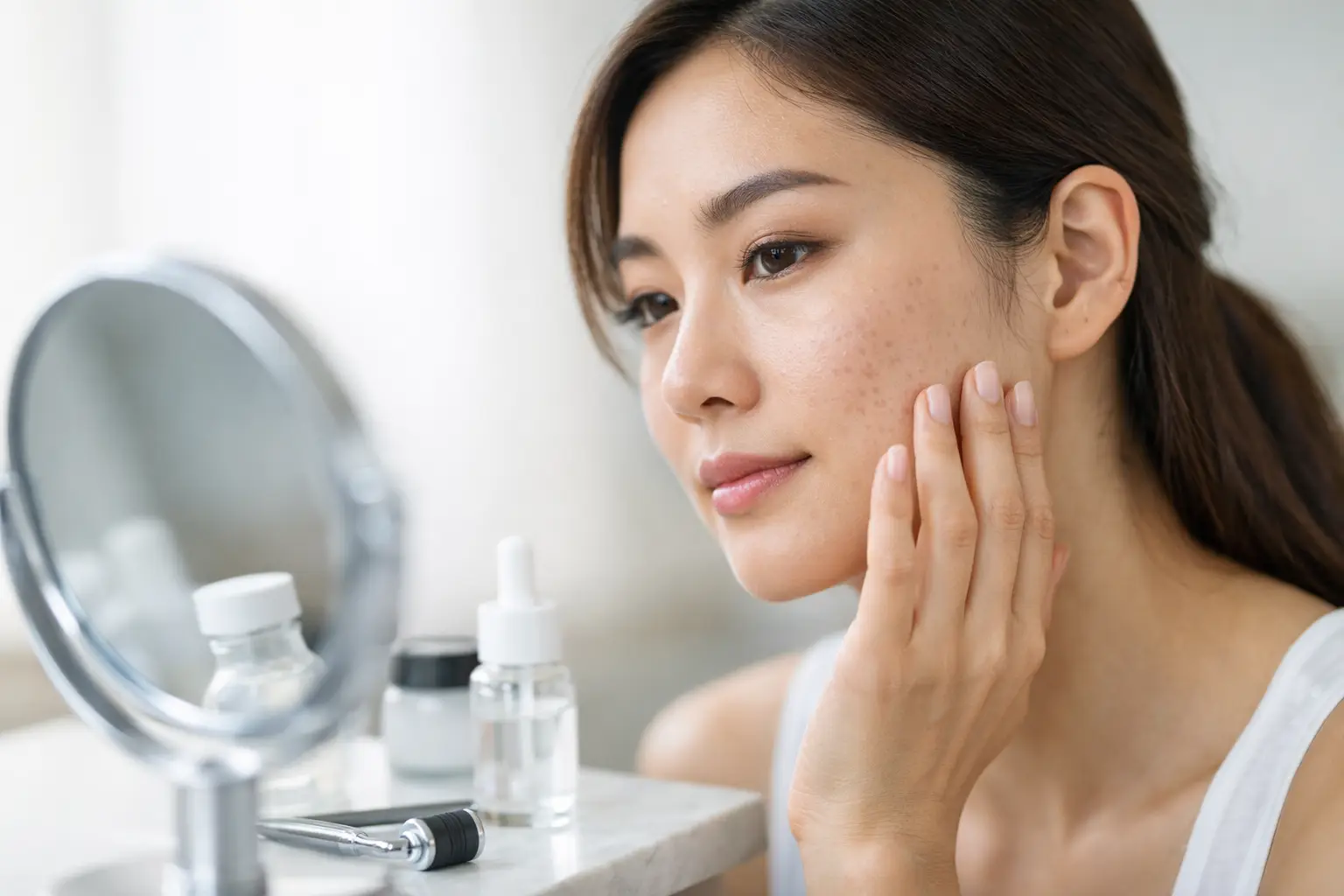
Some pigmentation improves significantly with the right topical program, especially when the marks are mild or when in-clinic treatments need support. Topical brightening agents, pigment regulators, and retinoid-based products can help reduce the visibility of discoloration and maintain results after procedures.
This is also where many treatment plans either succeed or stall. A patient may invest in laser or peels, but if daily skincare does not support pigment control, recurrence becomes more likely. Sun protection is especially important because UV exposure can quickly trigger darkening again, even after good initial improvement.
Topicals are not the fastest route, but they are often essential. They are also a useful option for patients who want to begin conservatively or who are preparing the skin before more advanced treatment.
Skin boosters and rejuvenation for a healthier canvas
Pigmentation is the main concern for some patients, but for others it comes with dehydration, dullness, or early textural aging. In those cases, skin boosters and rejuvenation treatments can play a supporting role. They do not replace pigment-targeted procedures, but they can improve overall skin quality so the complexion looks fresher and more even.
Hydrating injectables and regenerative skin treatments may help strengthen the skin environment, support recovery, and improve the way light reflects off the skin. That can make residual uneven tone less noticeable while complementing lasers or peels. This approach suits patients who want a more complete skin improvement rather than a narrow spot-treatment plan.
The key is expectation setting. If the primary issue is stubborn brown pigmentation, skin boosters alone will not remove it. They work best as part of a broader strategy, not as a substitute for pigment-focused treatment.
Which option is best for your type of pigmentation?
For sunspots and freckles
Lasers are often a strong choice because they can target concentrated pigment effectively. Chemical peels may also help if the pigmentation is more diffuse and accompanied by rough texture or dull skin.
For post-acne pigmentation
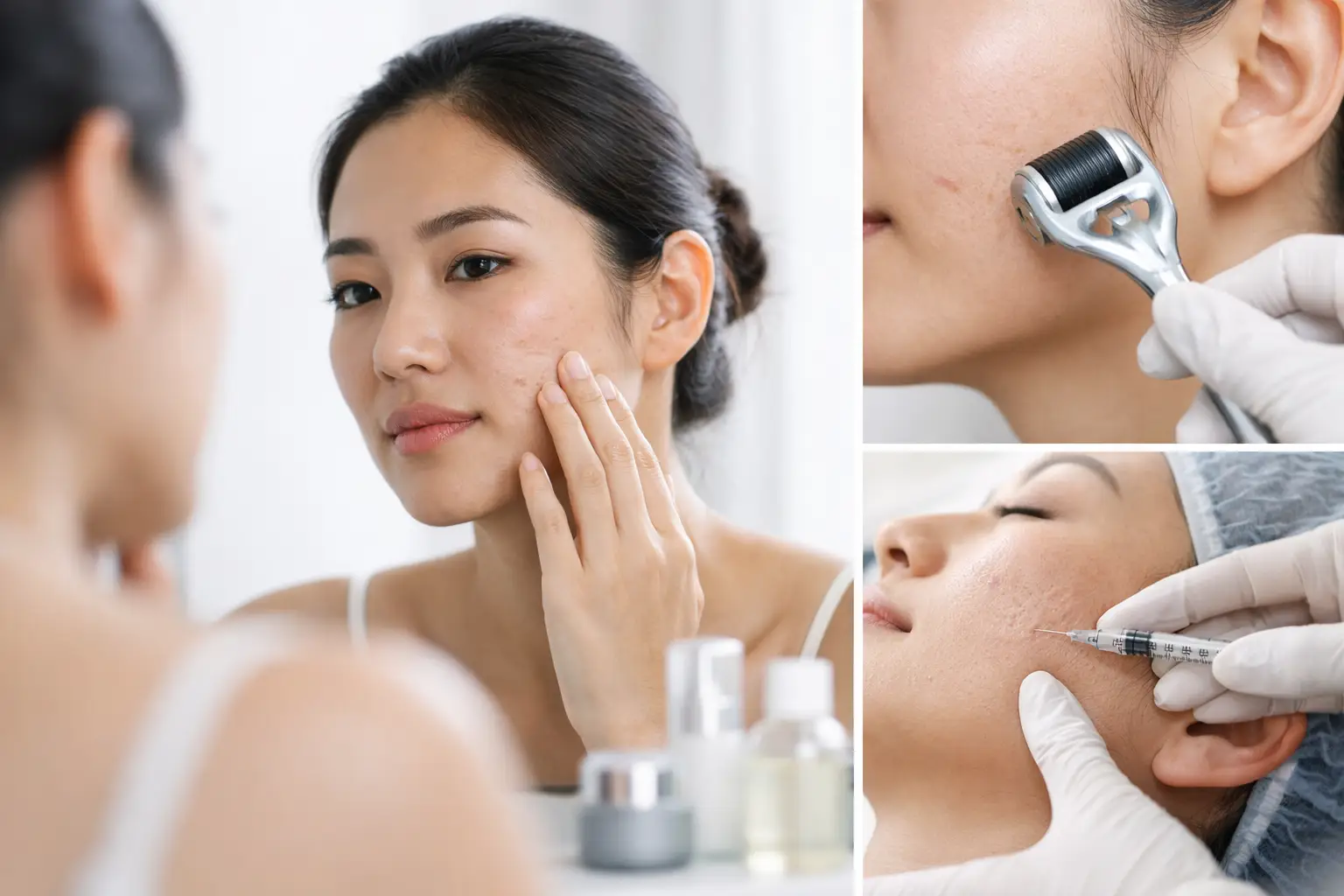
A combination of chemical peels, topical skincare, and selected laser sessions often works well. If active acne is still present, that should be addressed too, because new breakouts can keep restarting the cycle of discoloration.
For melasma
This is one of the most frustrating forms of pigmentation because it is influenced by hormones, heat, and light exposure. It usually responds best to a cautious, long-term plan that may include topical therapy, gentle procedures, and strict maintenance. Aggressive treatment can backfire, so precision matters.
For deeper or stubborn pigmentation
Deeper pigment often needs a more advanced treatment course and more patience. Laser may still be useful, but the response can be slower, and combination therapy is common.
What to expect from treatment
The most common mistake is expecting all pigmentation to clear completely after one session. Some spots do lift quickly, especially superficial sun damage, but many cases improve in stages. You may notice darkening first, then gradual fading, then a more even skin tone over several weeks.
A results-oriented clinic will usually focus on what is achievable for your skin rather than promising perfection. That matters because pigmentation can recur, especially if the trigger remains active. Hormonal shifts, sun exposure, inflammation, and even heat can bring discoloration back.
This does not mean treatment is not worth doing. It means successful pigmentation care is part correction and part control. The goal is clearer, brighter, more even-looking skin with a plan that helps maintain those results.
How to choose among the best options for pigmentation removal
If your pigmentation is mild, recent, or connected to acne marks, a peel-and-skincare approach may be enough to start. If the spots are more defined, longstanding, or resistant to creams, laser treatment may offer a more direct path. If your skin also feels tired, dehydrated, or uneven in texture, adding rejuvenation support can make the final result look more refined.
The best options for pigmentation removal are rarely about choosing the most aggressive procedure. They are about choosing the most appropriate one. Evidence-based care means looking at your skin condition, sensitivity, goals, and lifestyle before deciding how to proceed.
At a solution-driven aesthetic clinic, that is where real progress begins – with a treatment plan tailored to your skin rather than a generic promise. If pigmentation has been affecting your confidence, the right next step is a professional assessment that identifies what you are treating and why it formed in the first place.
Clearer skin is often possible. The smartest path is the one built around accuracy, consistency, and care.