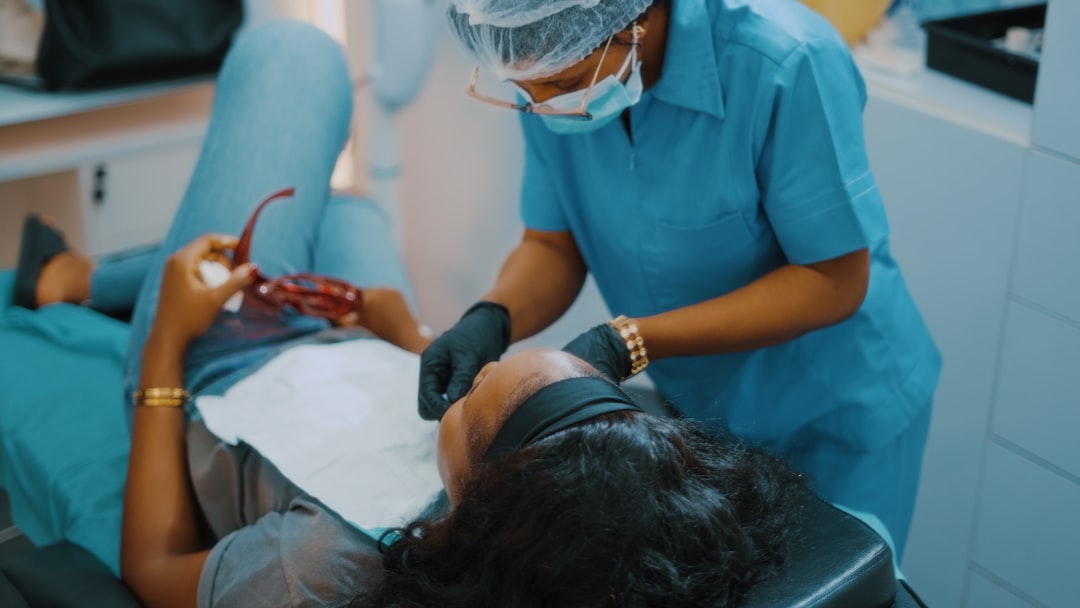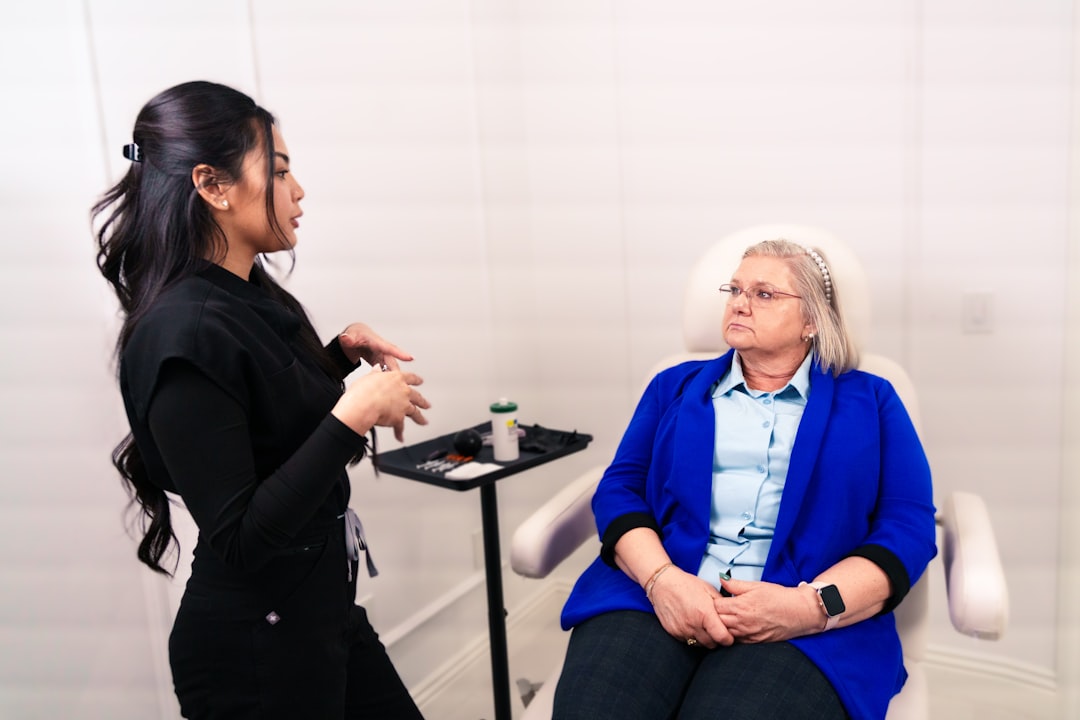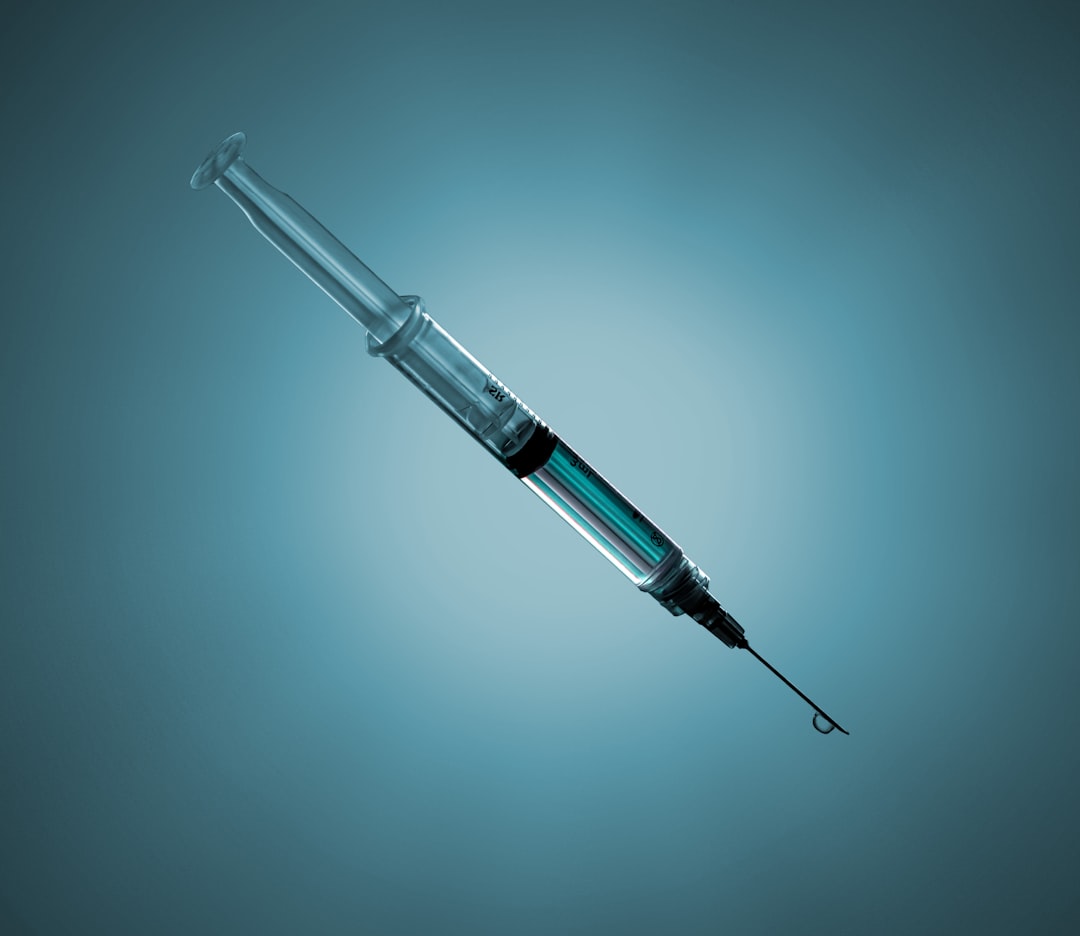
If you are wondering what exactly a vein and cosmetic center does and how it can improve your appearance, the answer comes down to combining medical vascular care with aesthetic treatments. These specialized clinics focus on treating underlying structural issues—like problematic veins—while simultaneously offering non-surgical procedures to improve skin texture, tone, and volume. By addressing both health and aesthetics in one place, you get a comprehensive approach to looking rested and feeling physically comfortable.
You do not need to navigate two separate medical offices to handle aching varicose veins and age-related volume loss in your face. Vein and cosmetic centers are designed to streamline these processes. They rely on medical professionals, usually board-certified vascular surgeons or dermatologists, to administer treatments safely and effectively.
A medical practice that handles both vein health and cosmetic dermatology might seem like an unusual pairing at first glance. However, the two fields overlap significantly. Both require an intimate understanding of human anatomy, particularly the skin and the vascular system just beneath it.
The Connection Between Vascular Health and Aesthetics
Your vascular system plays a massive role in how your skin looks. When veins fail to circulate blood efficiently, it often shows up on the surface. You might notice blue, bulging cords on your legs or tiny red webs across your cheeks and nose.
Treating these issues is rarely just about vanity. Problematic veins can cause physical discomfort, swelling, and changes in skin texture. By correcting the underlying vascular problem, the aesthetic issues often resolve themselves, leaving you with healthier, clearer skin.
Why Medical Expertise Matters
Unlike standard day spas, vein and cosmetic centers operate under strict medical guidelines. The procedures offered involve altering the body’s structures, whether by closing off a malfunctioning vein or injecting a neurotoxin to relax facial muscles.
Having these procedures performed by trained medical staff minimizes risks like infection, nerve damage, or vascular occlusion. A practitioner with a deep understanding of vascular networks is particularly well-equipped to perform facial injections safely, as they know exactly where major blood vessels are located.
In the realm of cosmetic enhancements, understanding the intricate relationship between posture and facial aesthetics is crucial. A related article that delves into this topic is available at The Unseen Link Between Posture, Neck Lines, and Jaw Definition. This insightful piece explores how posture can significantly impact the appearance of neck lines and jaw definition, highlighting the importance of holistic approaches in cosmetic treatments offered at vein and cosmetic centers.
Tackling Vein Issues for Better Health and Skin
Vein problems are incredibly common, often caused by genetics, aging, pregnancy, or jobs that require long periods of standing. Modern vein centers have largely moved away from the invasive surgical vein stripping of the past, opting instead for treatments that require little to no downtime.
Identifying Varicose and Spider Veins
It helps to know what kind of vein issue you are dealing with. Spider veins are the small, web-like red or blue vessels that sit close to the surface of the skin. They are generally harmless but can be a cosmetic nuisance.
Varicose veins are larger, deeper, and often bulge outward. They occur when the valves inside the veins weaken, allowing blood to pool backward. This pooling causes the vein to stretch and twist. Aside from their appearance, varicose veins can cause aching, heaviness, throbbing, and restless legs.
Minimally Invasive Vein Treatments
Today, treating malfunctioning veins is usually done in the office in under an hour. One of the most common treatments is sclerotherapy. A practitioner injects a specialized solution directly into the spider or small varicose vein. This solution irritates the lining of the vessel, causing it to collapse and stick together. Your body eventually absorbs the closed vein, and the blood reroutes to healthier pathways.
For larger varicose veins, endovenous laser therapy (EVLT) or radiofrequency ablation is often used. The doctor inserts a tiny catheter into the vein and uses heat energy to seal it shut from the inside. There are also newer treatments that use medical-grade adhesive to glue the vein closed, eliminating the need for heat or large amounts of local anesthesia.
What to Expect During Vein Recovery
Because these treatments are minimally invasive, recovery is usually straightforward. You will likely be asked to walk immediately after the procedure to promote healthy blood flow in your deeper veins.
You will also need to wear prescription-grade compression stockings for a week or two. These garments keep pressure on the treated veins, helping them stay closed while your body heals. Minor bruising and tenderness are common, but most people return to their normal daily activities right away.
Cosmetic Procedures That Refresh Your Look

While the vein side of the practice handles circulation and lower-body aesthetics, the cosmetic side focuses on the face, neck, and chest. The goal is rarely to change how you look completely, but rather to restore lost volume, smooth out deep creases, and improve overall skin quality.
Injectables: Neuromodulators and Dermal Fillers
Injectables are the cornerstone of most cosmetic centers. They are broken down into two main categories: neuromodulators and dermal fillers. They do completely different things, though they are often used together.
Neuromodulators, like Botox or Dysport, work by temporarily relaxing the specific muscles that cause expression lines. They are primarily used in the upper face to smooth out forehead wrinkles, frown lines between the eyebrows, and crow’s feet around the eyes. The effects usually take a few days to kick in and last around three to four months.
Dermal fillers are used to replace lost volume. As we age, we lose bone density and subcutaneous fat in our faces, leading to sagging and hollows. Most modern fillers are made of hyaluronic acid, a substance naturally found in the body. Practitioners inject fillers to lift the cheeks, smooth the lines around the mouth, or add hydration to the lips. Depending on the type of filler used, results can last anywhere from six months to two years.
Laser and Light-Based Therapies
Lasers and intense pulsed light (IPL) devices use targeted energy to address surface-level skin issues. If you have sun damage, age spots, or hyperpigmentation, an IPL photofacial uses light energy to break up the excess pigment, which then naturally sheds from the skin over a few days.
Lasers can also treat vascular lesions on the face. If you have broken capillaries around your nose or chronic redness from rosacea, specific vascular lasers can target the hemoglobin in the blood, heating and destroying the tiny broken vessels without damaging the surrounding skin.
Skin Resurfacing Techniques
For texture issues like acne scars, large pores, or fine lines, skin resurfacing is the standard approach. Microneedling is a popular option that uses tiny, sterile needles to create controlled micro-injuries in the skin. This triggers the body’s natural wound-healing response, forcing it to produce new collagen and elastin.
Many centers pair microneedling with platelet-rich plasma (PRP). The practitioner draws a small amount of your blood, spins it in a centrifuge to isolate the growth factors, and applies it to your skin during the microneedling process. This significantly speeds up healing and boosts the collagen-building effects. Chemical peels are another resurfacing option, using specific acids to exfoliate the top layers of dead skin, revealing the smoother, brighter skin underneath.
Combining Treatments for a Comprehensive Approach
One of the main benefits of visiting a dual-purpose center is the ability to combine treatments. Treating the skin’s surface while ignoring volume loss, or fixing facial redness while leaving painful varicose veins untreated, only solves part of the problem.
Developing a Personalized Treatment Plan
During an evaluation, a practitioner will look at the whole picture. They might suggest a layered approach. For example, they may recommend treating your facial spider veins with a vascular laser first, followed by a series of microneedling sessions to improve the overall texture of the skin.
If you are dealing with lower body issues, the treatment plan will likely prioritize medical vein treatments first. Once the pooling blood and swelling are resolved, they can address the superficial spider veins left behind for a completely clear result.
Pacing Your Procedures
It is important to understand that revitalizing your appearance is a process, not a single event. Your practitioner will space out your treatments to allow your body to heal properly.
For instance, you cannot have a chemical peel and a laser treatment on the same day, as it would cause too much trauma to the skin barrier. Similarly, after getting dermal fillers, you usually need to wait a couple of weeks before undergoing any treatment that applies heat or heavy pressure to the face, as you do not want to risk shifting the filler before it settles.
At the Vein and Cosmetic Center, understanding the intricate relationship between facial expressions and skin aging is crucial for effective treatments. A recent article discusses how our daily habits can significantly influence the appearance of our skin over time. For those interested in exploring this topic further, you can read more about it in the article titled “Beyond the Mirror: How Facial Expression Habits Impact Aging Skin” found here. This insight can help patients make informed decisions about their cosmetic procedures and skincare routines.
Preparing for Your First Consultation
| Metrics | Vein and Cosmetic Center |
|---|---|
| Number of Patients Treated | 5000 |
| Success Rate of Varicose Vein Treatments | 90% |
| Number of Cosmetic Procedures Performed | 2000 |
| Customer Satisfaction Rate | 95% |
The first step in any treatment plan is the consultation. This is an information-gathering session for both you and the practitioner. Being prepared will help you get the most out of the appointment and ensure you receive safe, appropriate recommendations.
Discussing Medical History and Expectations
You will need to provide a complete medical history. This is crucial for both vein and cosmetic procedures. You must disclose any autoimmune conditions, history of blood clots, or bleeding disorders.
Bring a list of all your current medications and supplements. Certain over-the-counter supplements, like fish oil, vitamin E, and ibuprofen, thin the blood. This can increase your risk of bruising during filler injections or complicate vein treatments. Your doctor might ask you to pause these supplements a week before your procedure.
Be realistic about your expectations. Non-surgical procedures yield subtle, natural-looking improvements. If you expect the results of a surgical facelift from a syringe of filler, you will be disappointed. A good practitioner will be honest with you about what a treatment can and cannot achieve.
Questions to Ask Your Practitioner
Do not hesitate to interview your practitioner. Ask about their training, specifically how long they have been performing the procedures they are recommending.
You should also ask to see before-and-after photos of their actual patients, not just the stock photos provided by the device manufacturers. Inquire about the potential side effects and downtime associated with the treatments. Understanding the recovery process beforehand allows you to schedule your procedures around your work and social commitments.
Maintenance and Long-Term Results
Cosmetic and vein treatments require ongoing maintenance. Your body will continue to age, and gravity and genetics will continue to play their roles. Understanding how to maintain your results will protect your investment.
Skincare Habits Post-Treatment
The most important thing you can do after investing in cosmetic procedures is to wear sunscreen daily. UV exposure breaks down collagen and causes hyperpigmentation, which will quickly undo the results of your laser treatments and injectables. A broad-spectrum SPF of at least 30 is non-negotiable.
Incorporating active ingredients into your home skincare routine also helps extend your results. Using a medical-grade vitamin C serum in the morning provides antioxidant protection, while a retinoid at night encourages cellular turnover. Your center can usually recommend a regimen tailored to your specific skin concerns.
Scheduling Follow-Up Appointments
Vein treatments are highly effective, and a closed vein will not reopen. However, if you are prone to venous insufficiency, new varicose or spider veins can develop over time. Wearing compression socks during long flights or long days on your feet can help slow down the development of new veins. You may need touch-up sclerotherapy sessions every few years.
For cosmetic injectables, you will need to establish a maintenance schedule. Most patients schedule Botox appointments three to four times a year. Fillers require less frequent visits, usually once a year or every other year, depending on the area treated. Staying on top of these appointments prevents deep wrinkles from reforming and maintains a consistent, refreshed appearance.