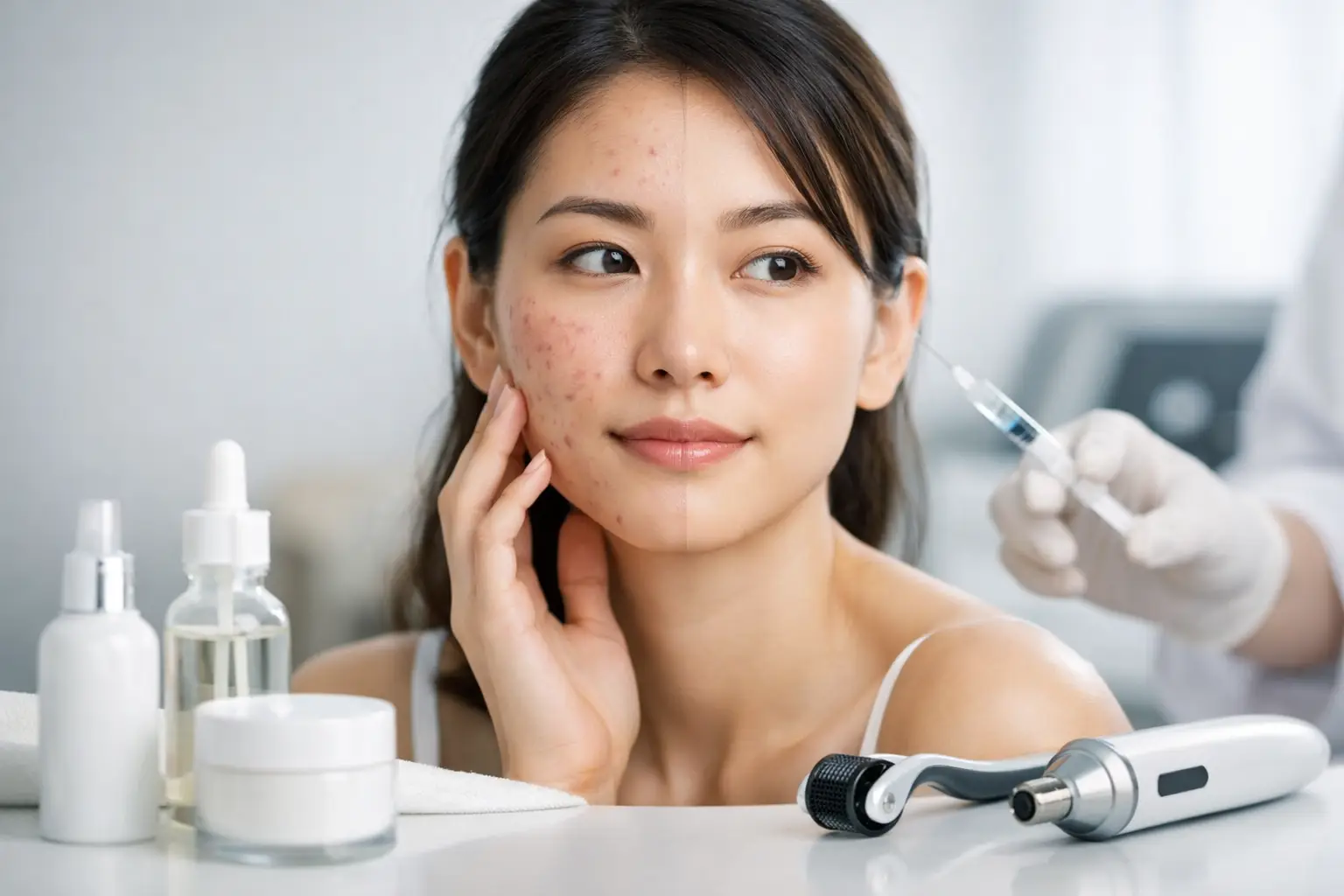
A breakout that leaves a mark behind can feel like two separate problems, but they are closely connected. The best acne and acne scar treatment is rarely a single procedure. It is usually a personalized plan that calms active acne first, then improves the texture and discoloration scars leave behind.
That distinction matters. Treating inflamed acne and treating old scars are not the same thing, and the most effective results come from knowing which concern you are dealing with right now. A treatment that helps clogged pores may do very little for deep boxcar scars, while a laser that softens scars may not be the right starting point if new breakouts are still appearing every week.
What makes the best acne and acne scar treatment?
The right treatment plan should be evidence-based, results-oriented, and tailored to your skin. Acne varies in severity and type. Some people struggle with congestion and whiteheads. Others deal with painful cystic acne, post-inflammatory marks, or pitted scars that change how makeup sits on the skin.
Scarring also comes in different forms. Atrophic scars, which include ice pick, boxcar, and rolling scars, create depressions in the skin. Post-acne marks can look red, brown, or purple long after a breakout has healed. These concerns often need different technologies and a staged approach rather than a one-size-fits-all fix.
A strong treatment plan usually considers four things at once: whether acne is still active, what type of scarring is present, your skin sensitivity and tone, and how much downtime you can realistically manage. That is why a consultation matters. Good outcomes depend on matching the treatment to the skin in front of you, not to a trend.
Treating active acne first
If you still have frequent inflamed breakouts, controlling acne comes before scar correction. Otherwise, new blemishes can continue to create new marks while you are trying to improve old ones.
For mild to moderate acne, chemical peels are often a useful starting point. A well-chosen peel helps exfoliate the pore lining, reduce congestion, and improve overall skin clarity. It can also begin to fade superficial post-acne pigmentation over time. The key is consistency. One peel may refresh the skin, but a planned series usually delivers more visible change.
For patients with oily, breakout-prone skin, medical-grade peels can support acne management without surgery or extended recovery. They are practical for working adults who want treatment that fits around a busy schedule. That said, not every peel suits every skin type. Sensitive or reactive skin may need a gentler protocol.
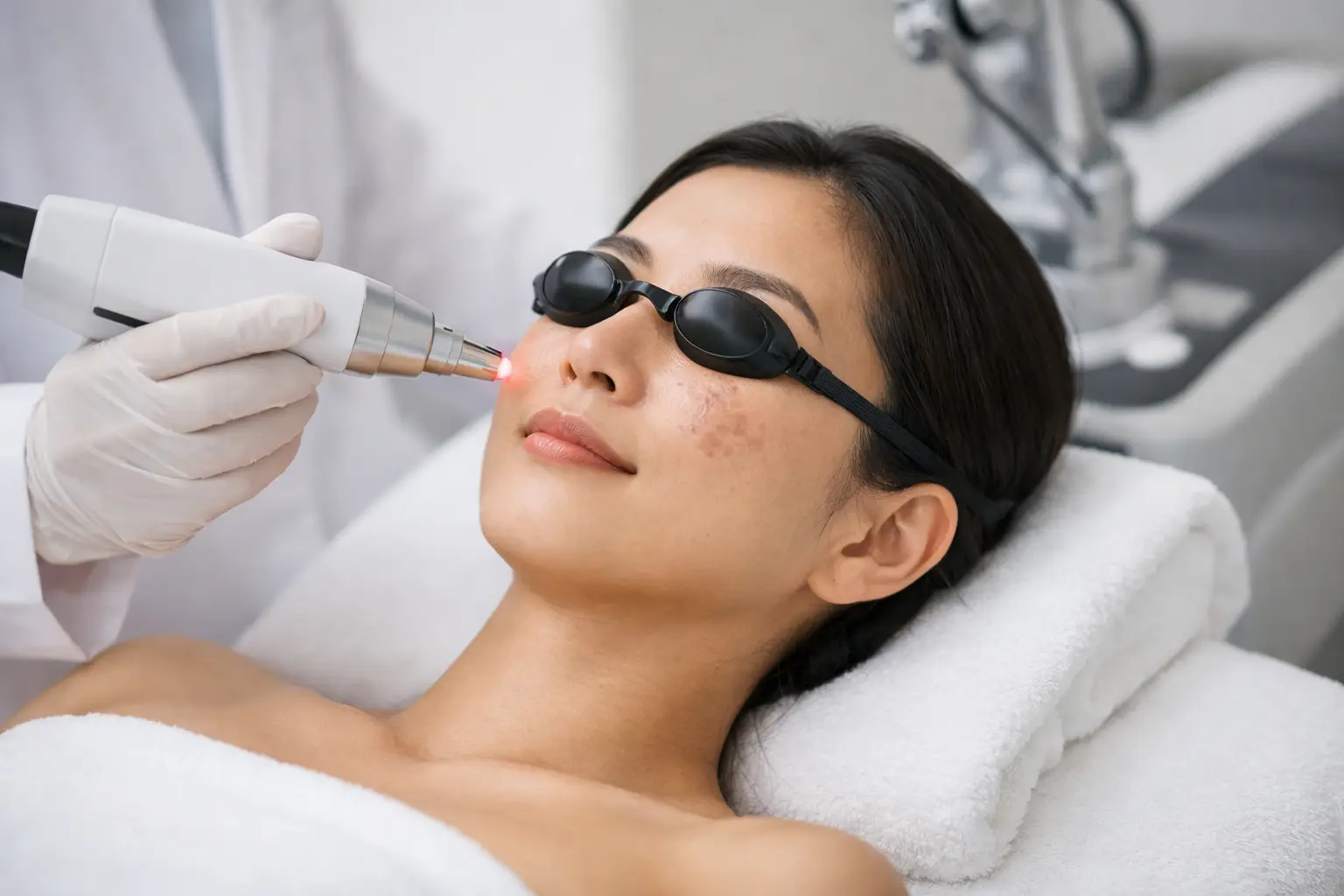
Light- and energy-based treatments may also play a role in selected cases, especially when acne is paired with redness, pigmentation, or uneven skin texture. In some patients, a laser-based approach can support skin renewal while fitting into a broader treatment strategy. The exact choice depends on whether the main issue is inflammation, discoloration, or texture.
The best acne and acne scar treatment for different scar types
Once acne is more stable, scar-focused treatment becomes more rewarding. This is where precision matters most, because not all scars respond the same way.
For post-acne marks and discoloration
Not every mark is a true scar. Many patients are bothered by lingering brown or red spots that remain after acne has healed. These can make skin look uneven even when texture is relatively smooth.
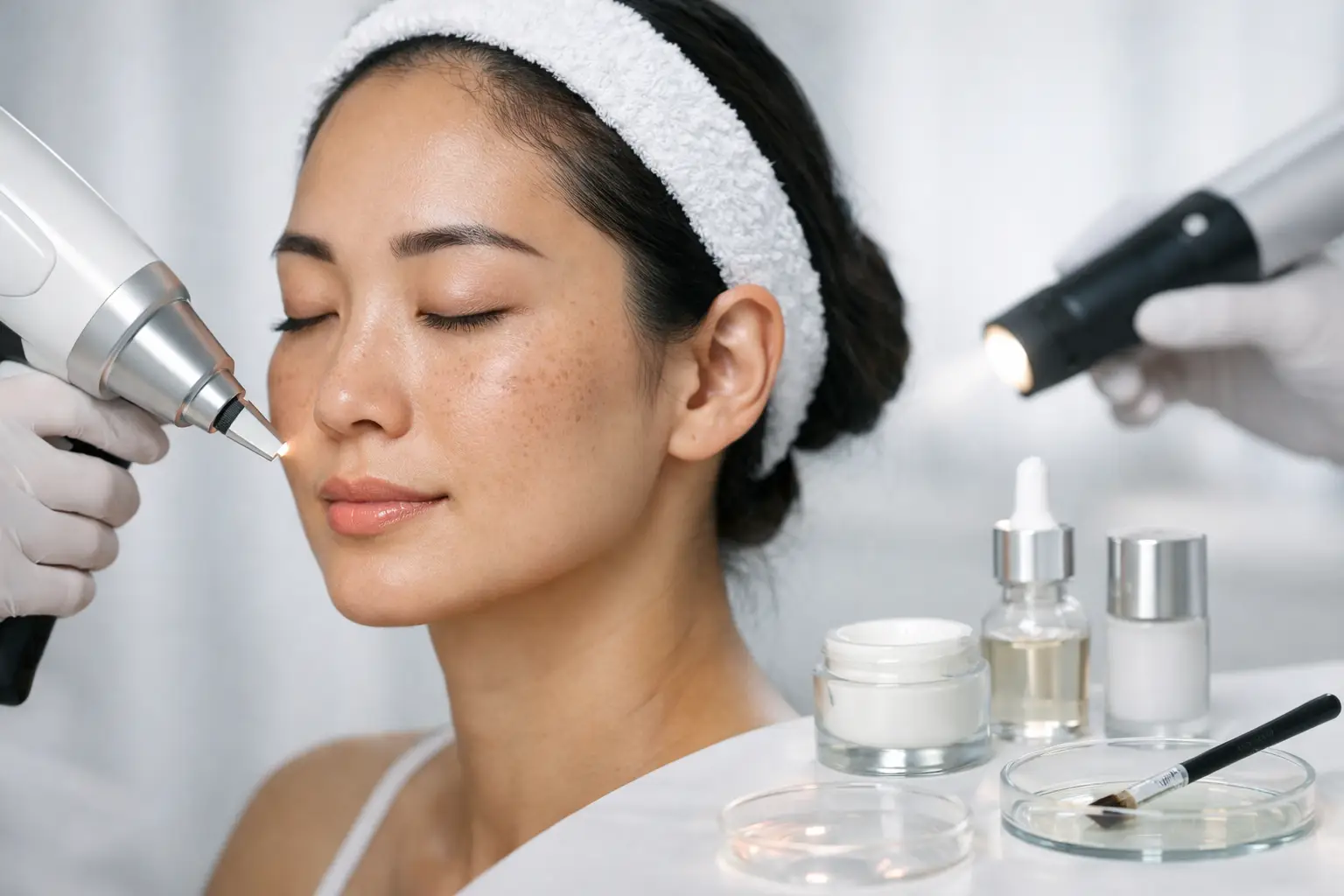
Chemical peels can help with surface discoloration, especially when dullness and clogged pores are part of the picture. Pico laser treatments may also be considered when pigmentation is more stubborn or widespread. This type of approach can help break up unwanted pigment and support a clearer, more even-looking complexion over a series of sessions.
The trade-off is patience. Pigmented marks often fade gradually, and aggressive treatment is not always better. A measured plan tends to protect the skin barrier and reduce the risk of irritation.
For shallow textural scars
Mild rolling scars or early textural irregularities often respond well to treatments that stimulate collagen and improve skin renewal. Chemical peels can contribute modestly here, but energy-based treatments typically do more when texture is the main complaint.
Laser resurfacing approaches are commonly chosen for this stage because they target skin remodeling rather than just surface brightness. When appropriate, they can soften uneven texture and refine the look of pores. Multiple sessions are usually needed, and improvement is progressive rather than instant.
For deeper acne scars
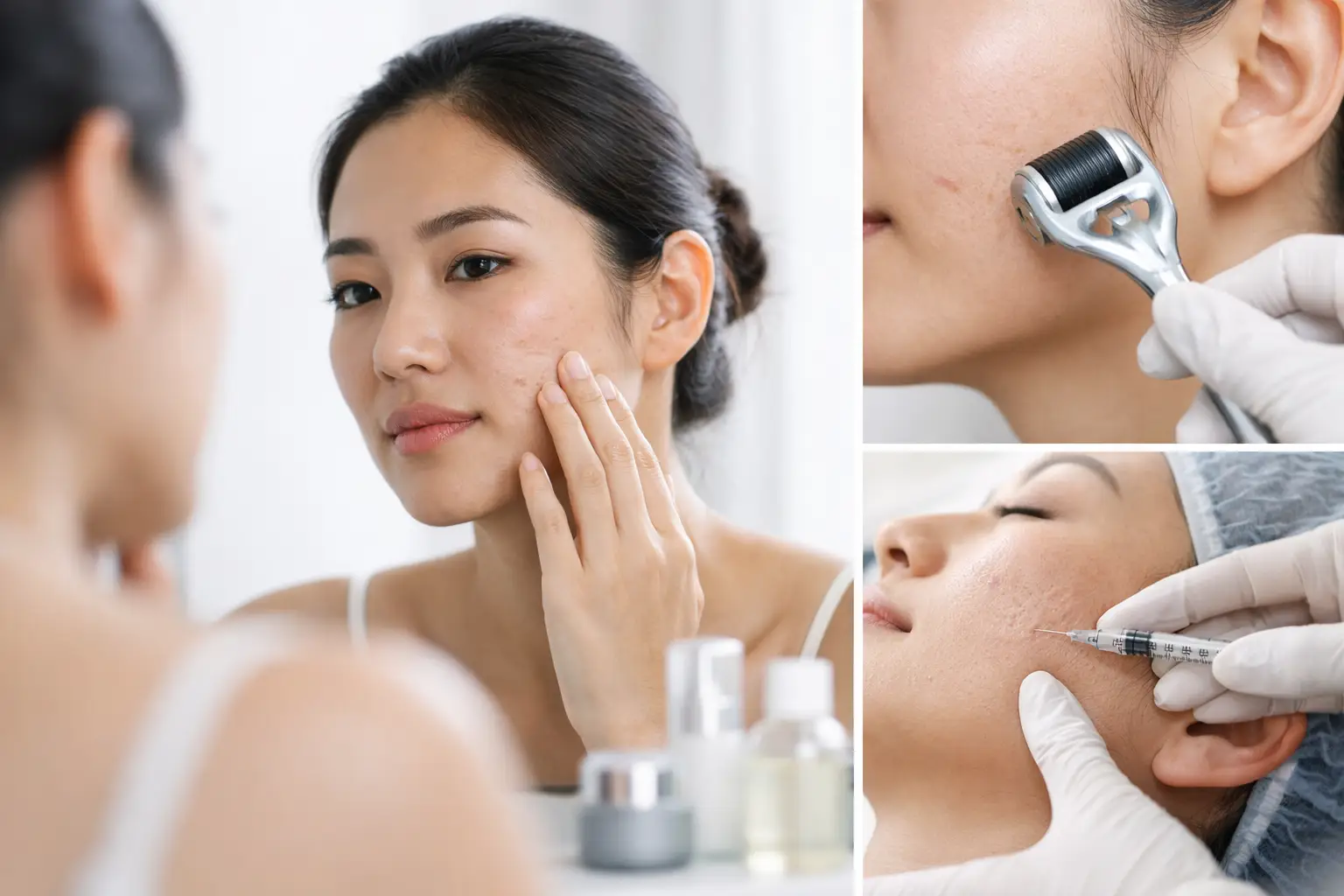
Deep boxcar or ice pick scars are more challenging. These scars often need a combination approach rather than reliance on one device alone. Laser treatment may be part of the answer, but deeper scars may also benefit from techniques that address the scar structure more directly.
This is where expectations need to stay realistic. The goal is meaningful improvement, not perfectly poreless skin. A well-designed acne scar plan can make skin look smoother, healthier, and more even, but most deep scars improve in degrees. That still matters. Even partial softening can change how skin looks in daylight and how confidently a person feels without makeup.
Why combination treatment often works best
Patients often ask for the single best treatment, but acne and scarring are rarely that simple. Combination treatment usually produces better results because it addresses several layers of the problem.
A patient may begin with acne control and exfoliation through peels, then move into laser sessions for pigmentation and texture, followed by maintenance treatments to keep skin clear and resilient. Someone else with minimal active acne but clear pitted scars may move more quickly into scar-directed procedures. The sequencing matters as much as the treatment itself.
This approach is especially valuable for adults who have both active breakouts and signs of early aging, post-inflammatory pigmentation, or uneven texture. A broader aesthetic plan can improve not just acne-related concerns but overall skin quality.
How to choose the right clinic and treatment plan
When deciding where to go, look beyond before-and-after photos. The best acne and acne scar treatment should come with a clear explanation of what the treatment is meant to do, how many sessions may be needed, what downtime to expect, and what results are realistic for your skin.
A trustworthy clinic will not treat every scar the same way. It should assess whether your concern is active acne, post-acne pigmentation, shallow textural change, or deeper scarring. It should also explain when treatment needs to be staged and why. That level of personalization is not a luxury. It is part of safe, effective care.
At a solution-driven aesthetic clinic like Lynn Medical & Aesthetic Clinic, the value lies in matching evidence-based treatment options to the individual rather than pushing a generic package. For patients who want visible improvement without surgical intervention, that tailored approach often makes the process feel clearer and more manageable.
What to expect from treatment
Most patients need a series of sessions, not a one-time fix. Acne control may take several visits to stabilize. Scar revision often unfolds over months because collagen remodeling takes time. That can feel slow, but gradual improvement is normal and often more sustainable.
Downtime depends on the treatment. A peel may involve mild peeling or temporary sensitivity. Laser treatments can come with redness and recovery time that varies based on intensity. Your schedule, skin type, and comfort with downtime should all be part of the decision.
Maintenance matters too. Even after strong improvement, breakout-prone skin still benefits from ongoing care. That may mean periodic treatments, supportive skincare, or revisiting your plan if hormones, stress, or lifestyle changes trigger new flares.
When professional treatment makes the biggest difference
If you have occasional blemishes and no scarring, over-the-counter care may be enough. But if acne keeps returning, leaves marks that linger for months, or has changed your skin texture, professional treatment usually becomes more worthwhile.
This is especially true for adults who feel stuck between ineffective home remedies and harsh options that do not fit their lifestyle. A medically guided plan can be more efficient because it focuses on what your skin actually needs now, not what worked for someone else online.
The best results tend to come from starting early, before repeated inflammation creates deeper scarring. But even long-standing acne scars can often be improved with the right combination of treatments and the right expectations.
Clearer skin is not about chasing perfection. It is about reducing the cycle of breakouts, softening what acne left behind, and helping your skin look more even, healthy, and confident over time.