Loose skin rarely appears all at once. Most people first notice it in small ways – a softer jawline in photos, makeup settling differently around the cheeks, or skin along the lower face that no longer looks as firm as it used to. If you are researching the best non surgical skin tightening treatments, you are usually not looking for a dramatic, surgical change. You want visible improvement, natural-looking definition, and a treatment plan that makes sense for your skin, age, and goals.
That is where the conversation becomes more useful than simply asking which device is “best.” Non-surgical skin tightening is not one single treatment category with one universal winner. It includes different technologies that work at different skin depths, create different levels of collagen stimulation, and suit different degrees of laxity. The right answer depends on what is causing the looseness, where it appears, and how much change you realistically want.
What counts as the best non surgical skin tightening?
The best non surgical skin tightening treatment is the one that matches the problem accurately. Mild early laxity, skin that has thinned with age, and a heavier lower face do not respond in exactly the same way. Some patients need deeper structural support. Others need skin quality improvement more than lifting. In many cases, the strongest results come from combining treatments instead of relying on one device to do everything.
Broadly, the most established options include ultrasound-based tightening such as HIFU, radiofrequency-based treatments, skin boosters that improve dermal quality, and selected collagen-stimulating approaches that support firmer skin over time. These treatments are popular because they aim to tighten and refresh without the downtime, scarring, and recovery associated with surgery.
HIFU for lifting and deeper support
HIFU, or high-intensity focused ultrasound, is often one of the first treatments discussed when patients want a non-surgical lift. It works by delivering focused ultrasound energy into deeper layers under the skin, including the structural layer often associated with facial support. The goal is to trigger a wound-healing response and stimulate collagen remodeling over time.
This makes HIFU especially relevant for patients who are starting to see softening around the jawline, mild jowling, lower face heaviness, or brow descent. It tends to suit people who want gradual, natural-looking improvement rather than an immediate change. Results usually develop over weeks to months as collagen renewal progresses.
The trade-off is that HIFU is not a substitute for surgery when laxity is advanced. If skin has become significantly loose or heavy, a non-surgical treatment may improve firmness but will not recreate the level of lift a surgical procedure can provide. It is also not equally comfortable for everyone, and treatment outcomes depend on proper assessment, technique, and device quality.
Radiofrequency for firmness and skin quality
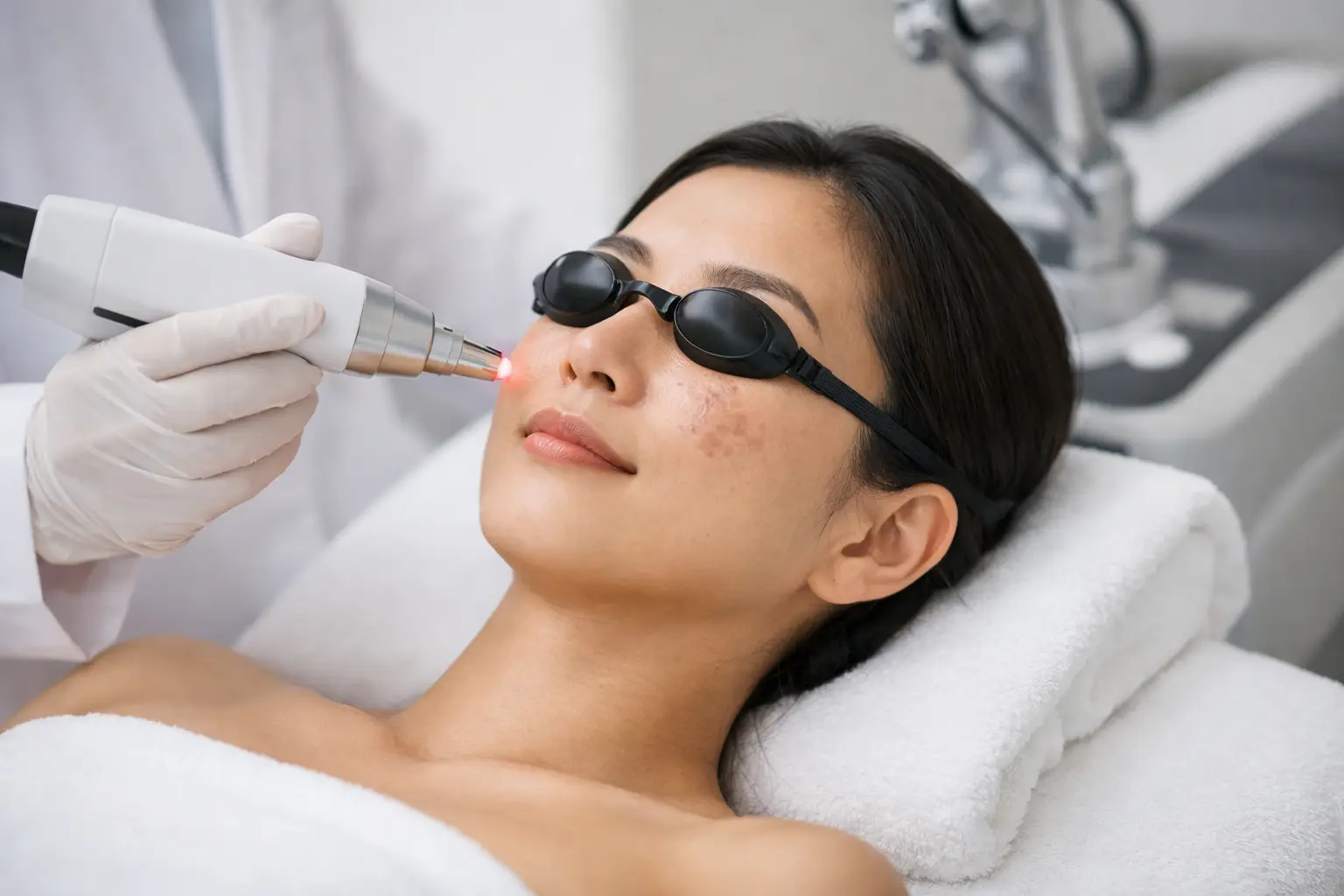
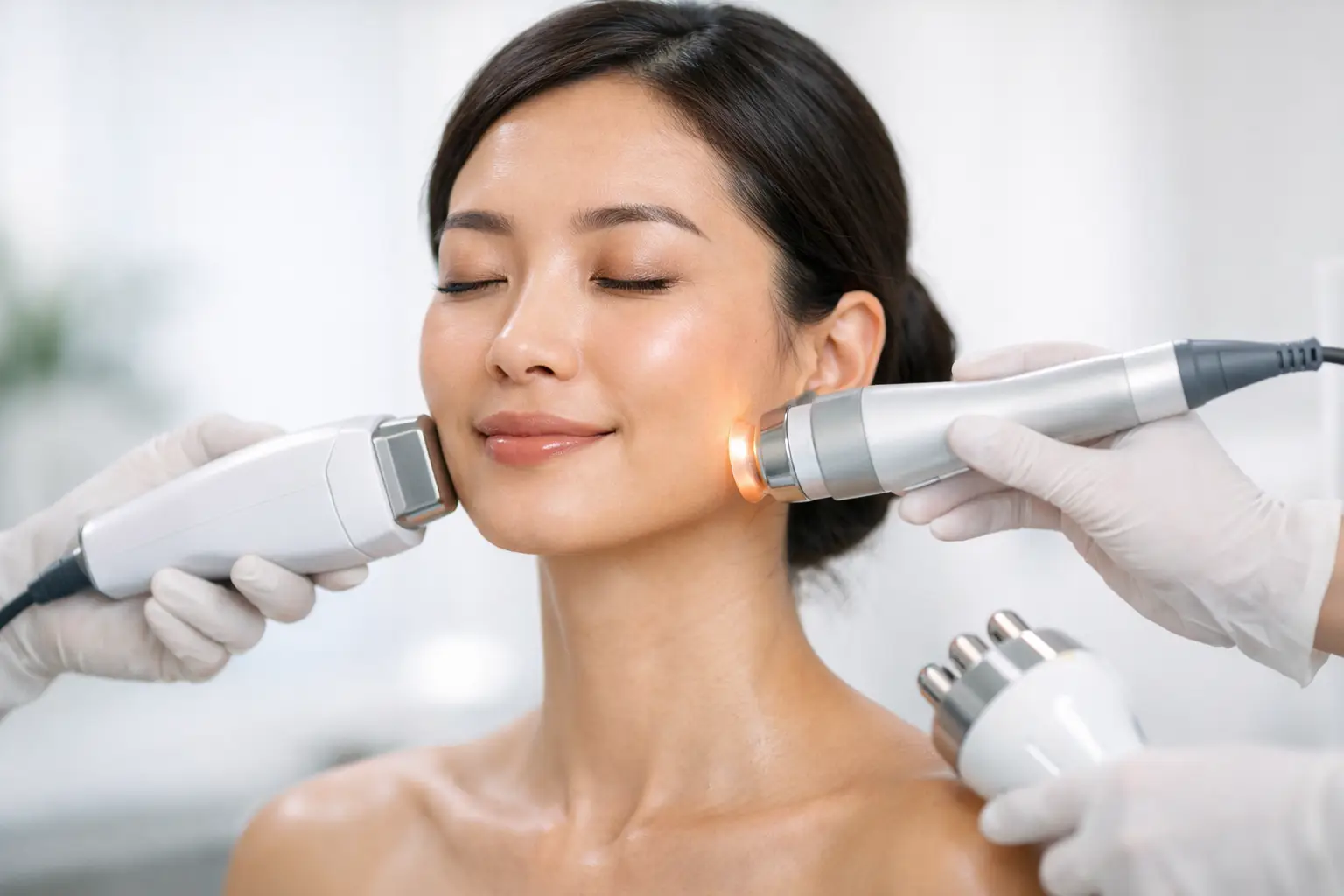
Radiofrequency treatments are another strong contender in the best non surgical skin tightening category. Instead of ultrasound, they use controlled heat to stimulate collagen in the dermis and sometimes the subdermal layer, depending on the platform. This can help improve firmness, texture, and overall skin quality.
Radiofrequency often works well for patients with mild to moderate laxity who also want smoother, healthier-looking skin. It can be a good fit for the face, neck, and in some cases body areas where skin has started to lose elasticity. Compared with deeper lifting treatments, radiofrequency may feel more like a skin-conditioning approach with tightening benefits, although some devices are designed to deliver more significant contouring support.
One advantage is versatility. Radiofrequency can be useful across age groups because it addresses collagen decline without trying to force a one-size-fits-all lifting result. The limitation is that multiple sessions are often needed, and outcomes can be more subtle than some patients expect if they are hoping for a dramatic change after one appointment.
Skin boosters and regenerative treatments
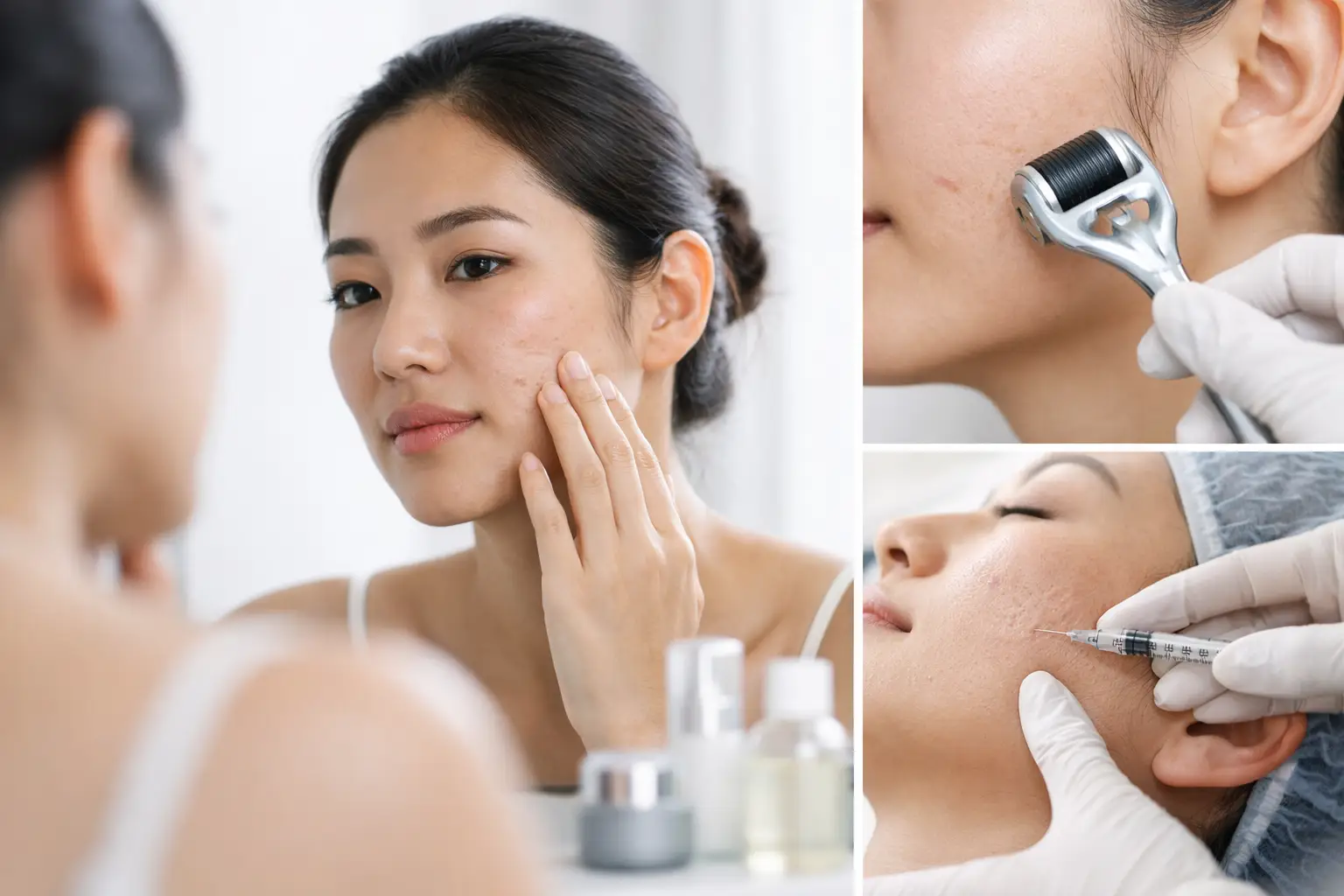
When patients say they want tighter skin, they are sometimes reacting not only to laxity but also to crepey texture, dehydration, and loss of skin density. In that situation, the answer may not be a lifting device alone. Skin boosters, including HA skin boosters and polynucleotide-based treatments, can support the skin from within by improving hydration, elasticity, and dermal quality.
These treatments do not replace HIFU or radiofrequency when there is a true lifting concern. What they do well is improve the environment of the skin so it looks firmer, smoother, and more resilient. That matters because thin, dehydrated, or damaged skin often appears looser than it really is.
For the right patient, regenerative treatments can be an excellent complement to device-based tightening. They are especially useful when the goal is natural enhancement rather than obvious intervention. Better skin quality can make the face look fresher and more refined, even if the actual degree of lift is modest.
When combination treatment is the better answer
A personalized plan often outperforms a single treatment choice. For example, HIFU may help target deeper support, while a skin booster improves texture and elasticity closer to the surface. Radiofrequency may then help maintain firmness or address areas that need additional collagen stimulation.
This is why evidence-based assessment matters. A face with mild lower-face heaviness, depleted cheeks, and thin skin should not be treated the same way as a younger patient with early jawline softening and otherwise healthy skin. The best approach is rarely about choosing the trendiest option. It is about identifying what is structurally happening and matching treatment depth and strategy to that finding.
At a solution-driven clinic, this kind of planning is what separates generic treatment menus from results-oriented care. Patients benefit most when the recommendation is built around visible concerns, treatment tolerance, downtime preferences, and the pace of change they want.
Best non surgical skin tightening for different concerns
For the jawline and lower face, HIFU is often favored when the goal is clearer definition and a mild lifting effect. If the skin also looks dull or less elastic, combining this with skin-rejuvenating treatments may create a more balanced result.
For the cheeks, the decision can be more nuanced. Some patients need better dermal support and collagen stimulation, while others are actually seeing volume loss rather than true skin laxity. Tightening alone may not address that fully, which is why careful consultation is essential.
For the neck, radiofrequency and HIFU can both play a role depending on skin thickness and severity of laxity. The neck is often one of the first places to show age, but it can also be one of the more challenging areas to treat well with non-surgical methods. Good improvement is possible, but expectations need to stay realistic.
For body skin laxity, treatment response varies more. Mild looseness after weight fluctuations or pregnancy may improve with collagen-stimulating energy devices, but more advanced laxity is harder to treat non-surgically. This is one of the clearest examples of where the best option depends on severity, not just preference.
How to choose the right treatment provider
Technology matters, but assessment matters more. A proper consultation should look at skin quality, degree of laxity, facial anatomy, and your treatment goals instead of simply recommending the most expensive or aggressive option. Good aesthetic care is not about doing more. It is about doing what is likely to create visible, proportionate improvement.
Ask what the treatment is designed to target, how long results typically take, whether multiple sessions may be needed, and what kind of maintenance is expected. A trustworthy provider should also explain what the treatment will not do. That honesty is often the clearest sign that the plan is built around your outcome, not a sales script.
For many patients, the best clinic experience is one that feels both medically credible and genuinely personal. You should feel informed, not pressured. You should also leave with a treatment pathway that reflects your skin rather than a generic anti-aging package.
A realistic view of results
Non-surgical skin tightening can be very effective, but it works best when expectations are aligned with biology. Collagen remodeling takes time. Improvement is usually gradual. Maintenance matters because the aging process continues even after a good response.
The most satisfying results are often the ones that make people say you look fresher, firmer, or more rested without immediately noticing why. That is the appeal of this category. It supports natural-looking enhancement rather than obvious alteration.
If you are deciding between options, focus less on finding one universally best treatment and more on finding the best match for your skin. When treatment is personalized, evidence-based, and performed with clear clinical judgment, non-surgical skin tightening can be a very effective way to restore confidence without stepping into surgery before you are ready.