Hair thinning rarely starts all at once. More often, it shows up in the shower drain, along the part line, or in photos where the scalp suddenly seems more visible than before. If you are searching for the best treatments for hair loss, the right answer depends on why it is happening, how long it has been going on, and how much loss you are seeing now.
That is why treatment should never be reduced to one trending serum or a single quick fix. Hair loss is a medical and aesthetic concern at the same time. A results-oriented plan looks at the pattern, the scalp condition, the likely trigger, and the treatments most likely to support regrowth or slow further shedding.
What actually causes hair loss?
Hair growth follows a cycle. Individual strands grow, rest, shed, and then restart. When that cycle gets disrupted, the hair may shed faster, grow back thinner, or stop returning in the same density as before.
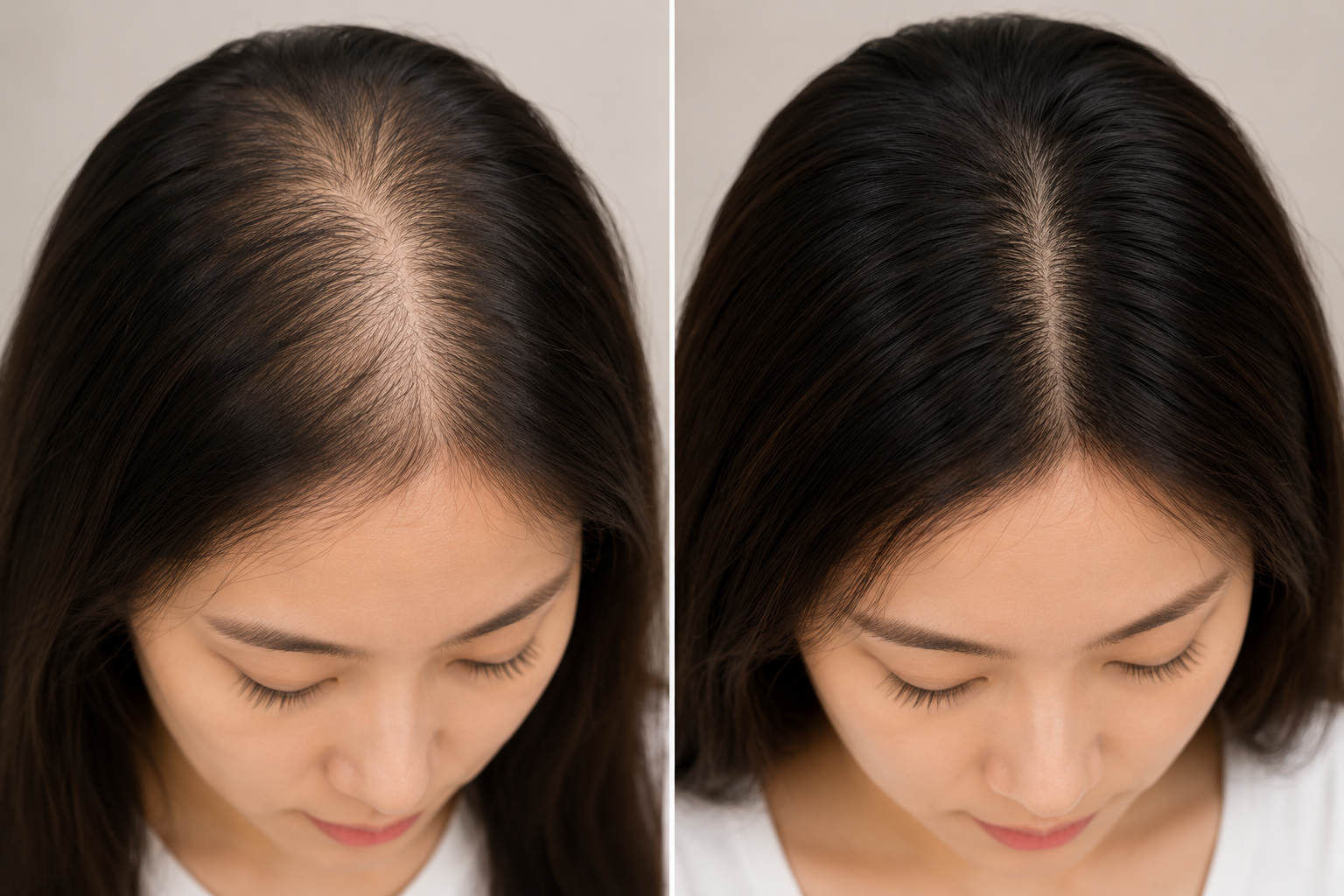
For many adults, the most common cause is pattern hair loss. This tends to develop gradually and is influenced by genetics and hormones. Men often notice a receding hairline or thinning at the crown. Women may see a widening part or overall reduced volume, especially at the top of the scalp.
But pattern loss is not the only reason. Stress, illness, nutritional gaps, hormonal changes, postpartum shifts, scalp inflammation, and aggressive chemical or heat styling can all play a role. Some people are dealing with one cause. Many are dealing with two or three at the same time.
That is where treatment selection matters. The best approach for temporary shedding is different from the best approach for long-term miniaturization of the hair follicles.
Best treatments for hair loss by stage and cause
The most effective options usually fall into three groups: home care that supports the scalp, medical treatments that help reduce shedding or stimulate regrowth, and clinic-based procedures designed to improve the hair growth environment.
Topicals and supportive home care
If hair loss is mild or newly noticed, topical treatment may be part of the plan. These products are typically used consistently over time and work best when started early. Their role is not magic. Their role is to support the follicle, improve the scalp environment, and help preserve existing density.
Scalp care matters more than most people think. A scalp with excess oil buildup, irritation, or inflammation is not an ideal setting for healthy growth. Gentle cleansing, avoiding harsh tension hairstyles, reducing repeated heat damage, and using products suited to your scalp condition can make a meaningful difference, especially when combined with in-clinic care.
That said, home care alone may not be enough once thinning becomes more visible. If you can already see a clear change in the part line or scalp coverage, it is usually wise to move beyond self-treatment and get a more personalized plan.
Oral treatment when shedding or pattern loss is progressing
For some patients, oral medication may be considered as part of a broader strategy. This is often relevant when the hair loss pattern is more established or when shedding has continued for months without improvement.
The benefit of oral treatment is that it can address internal drivers more directly than a shampoo or serum. The trade-off is that not every patient is a suitable candidate, and expectations must be realistic. Hair responds slowly. Even with an appropriate prescription plan, visible change usually takes time and consistency.
This is one reason many patients prefer a combined pathway. Rather than relying on one treatment alone, they pair medical management with procedures that directly support the scalp and follicles.
Hair restart treatments in clinic settings
Clinic-based hair restoration has become increasingly popular for a simple reason: it offers a more structured and targeted way to treat thinning without surgery. These treatments are especially appealing to adults who want visible improvement but are not ready for a hair transplant or do not need one.
Hair restart treatments are designed to support healthier follicle function and improve the scalp environment through minimally invasive techniques. Depending on the treatment selected, the goal may be to stimulate circulation, encourage regenerative activity, or deliver growth-supporting compounds into the scalp more effectively.
This category is often one of the best treatments for hair loss when the concern is ongoing thinning rather than complete baldness. Follicles that are weakened can sometimes be supported. Follicles that have been inactive for too long may be harder to recover. That is why earlier treatment tends to produce better outcomes.
Why combination treatment often works better
Hair loss rarely has a single neat cause, so treatment often works best in layers. A patient with pattern thinning may also have scalp sensitivity. Someone with postpartum shedding may also have underlying low iron. A person under chronic work stress may have both active shedding and fragile regrowth.
A personalized plan can combine at-home care, medical review, and clinic procedures in a way that fits the actual cause rather than just the symptom. This is a more evidence-based and results-oriented way to approach hair restoration because it respects the biology of hair growth instead of chasing shortcuts.
Combination care also helps with expectations. Some treatments are better at slowing shedding. Others are better at improving thickness. Others support scalp health or help maintain results over time. When you know what each part of the plan is meant to do, progress feels easier to track.
How to choose the best treatments for hair loss for you
The best choice depends on five practical questions: how long the problem has been happening, whether the loss is diffuse or patterned, whether the scalp is healthy, whether there are obvious triggers, and how aggressive you want the treatment plan to be.
If the shedding started suddenly after illness, stress, childbirth, or a major life change, the first priority is identifying that trigger. If the hairline or crown has been thinning gradually over years, pattern loss is more likely. If the scalp feels itchy, oily, flaky, or tender, that part needs attention too.
The next question is your goal. Some patients want to prevent further loss. Others want fuller density in visible areas. Others simply want a non-surgical way to feel more confident styling their hair again. Those goals matter because they shape the treatment pathway.
A consultation is valuable here, not as a formality, but as the step that separates guessing from planning. An experienced provider can assess your hair loss pattern, scalp condition, and treatment suitability, then recommend a path that is realistic for your stage of loss.
What results should you realistically expect?
Hair treatment is a process, not a one-week transformation. Most patients need patience, consistency, and follow-up. Hair grows slowly, and regrowth often starts fine before it becomes stronger and more visible.
In early stages, the first win may be reduced shedding. After that, some people notice improved texture, better scalp coverage, or more volume when styling. More advanced thinning may still improve, but usually requires a longer timeline and more commitment.
This is where a premium clinic experience makes a difference. The goal is not to overpromise. The goal is to recommend treatments that fit your condition, monitor progress, and adjust the plan when needed. That kind of personalized care often leads to better satisfaction because it is built around your actual response, not a generic package.
When to stop waiting and get evaluated
A lot of people wait too long because they hope the shedding will correct itself. Sometimes it does. Often, it does not. If you have had noticeable hair loss for more than a few months, can see widening in the part, are losing density at the crown, or feel your ponytail getting thinner, it is worth getting assessed.
Early action matters because the best treatments for hair loss tend to work better when follicles are still active. Once thinning progresses too far, there are fewer opportunities to recover density with non-surgical options alone.
At Lynn Medical & Aesthetic Clinic, the value of treatment lies in choosing the right plan for the right patient. Hair restoration should feel clear, supportive, and clinically grounded, not overwhelming.
If your hair no longer looks or feels like it used to, that change deserves attention. The most useful next step is not guessing which product to buy. It is finding a personalized treatment pathway that gives your hair the best chance to recover with confidence.