Have you ever applied moisturiser several times a day, yet your skin still feels tight and uncomfortable? Or perhaps your face looks oily by midday but still feels dry after cleansing?
If so, you may be treating the wrong problem.
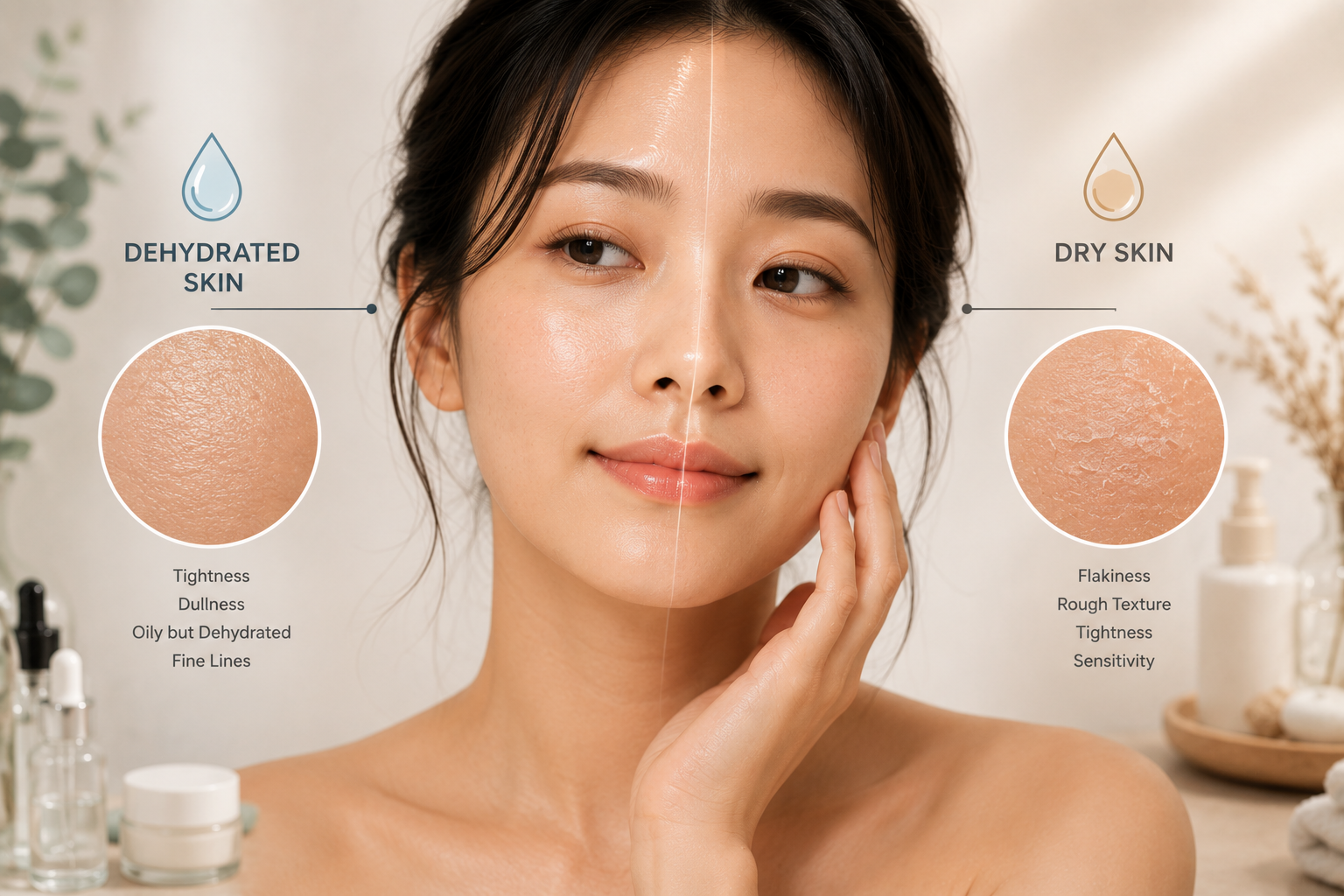
One of the biggest misconceptions in skincare is that dry skin and dehydrated skin are the same thing. While they may look similar, they have different causes and require different approaches to treatment.
Understanding the difference can help you choose the right skincare products, avoid common mistakes and achieve healthier, more balanced skin.
Dry Skin vs Dehydrated Skin: What’s the Difference?
The simplest way to understand it is this:
Dry skin is a skin type.
Dehydrated skin is a skin condition.
Dry skin lacks oil (sebum).
Dehydrated skin lacks water.
This distinction is important because even someone with oily skin can experience dehydration.
What Is Dry Skin?
Dry skin occurs when your skin doesn’t produce enough natural oils.
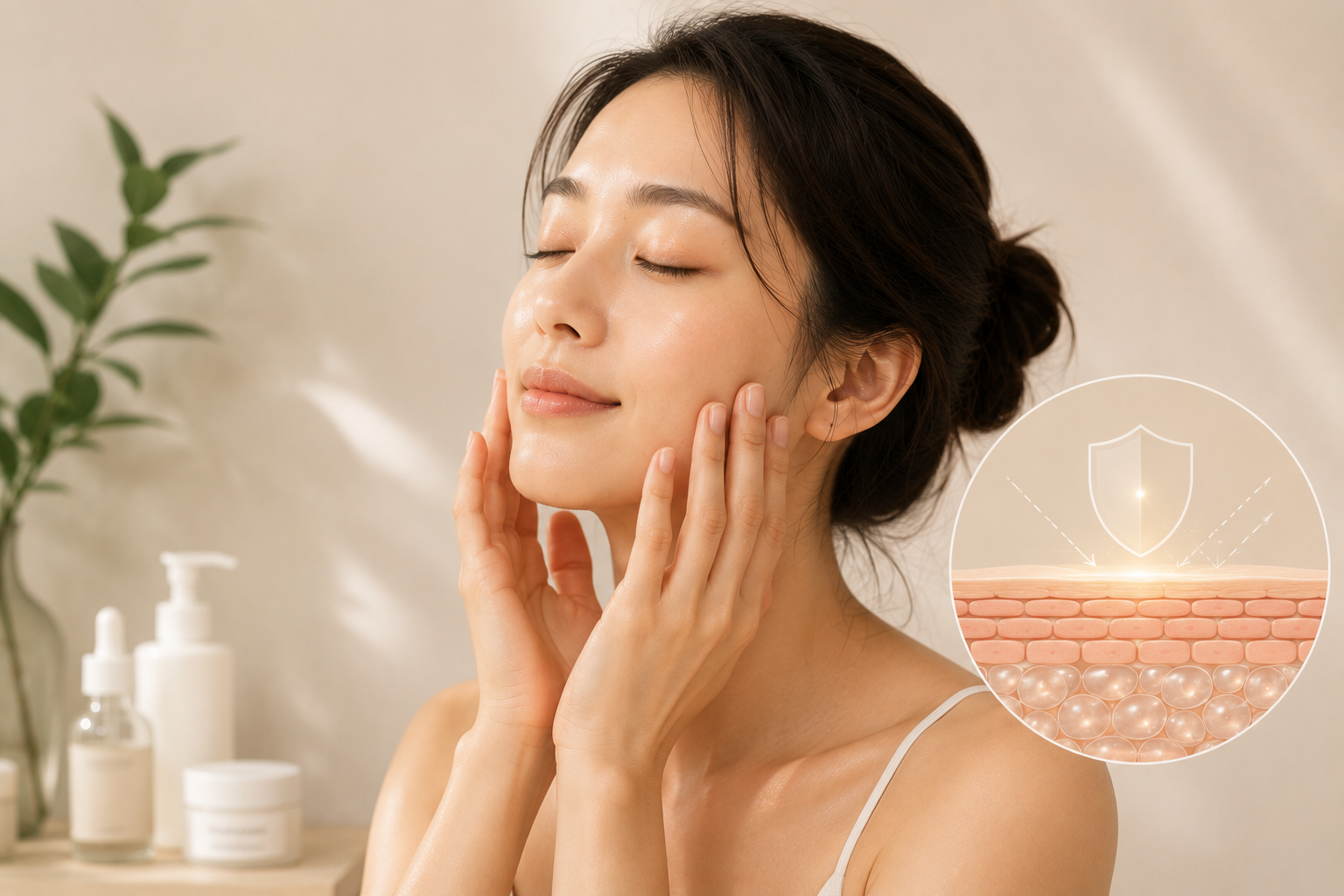
Sebum helps maintain the skin barrier by preventing moisture from escaping and protecting the skin from external irritants.
When oil production is low, the skin becomes rougher, less supple and more prone to irritation.
Dry skin is usually influenced by genetics, although age and environmental factors can make it worse.
Common Signs of Dry Skin
People with dry skin often experience:
Rough or flaky skin
Tightness throughout the day
Dull complexion
Fine lines that become more noticeable
Redness
Increased sensitivity
Itchiness
Skin that rarely becomes oily
Dry skin often affects not only the face but also the hands, arms and legs.
What Is Dehydrated Skin?
Dehydrated skin occurs when your skin doesn’t retain enough water.
Unlike dry skin, dehydration can affect any skin type, including oily and combination skin.
When your skin lacks water, it may struggle to perform its normal functions efficiently, making it appear tired and less radiant.
Fortunately, dehydrated skin is usually temporary and can often improve with the right care.
Common Signs of Dehydrated Skin
You may have dehydrated skin if you notice:
Tightness after cleansing
Skin feels uncomfortable despite looking oily
Makeup appears patchy
Skin looks dull or tired
Fine dehydration lines
Increased sensitivity
Breakouts caused by excess oil production
Skin feels rough but not necessarily flaky
One common clue is that your face may become shiny by lunchtime while still feeling tight.
Why Does Dehydrated Skin Sometimes Look Oily?
This surprises many people.
When your skin loses water, it may compensate by producing more oil in an attempt to protect itself.
As a result, you may experience:
Oily T-zone
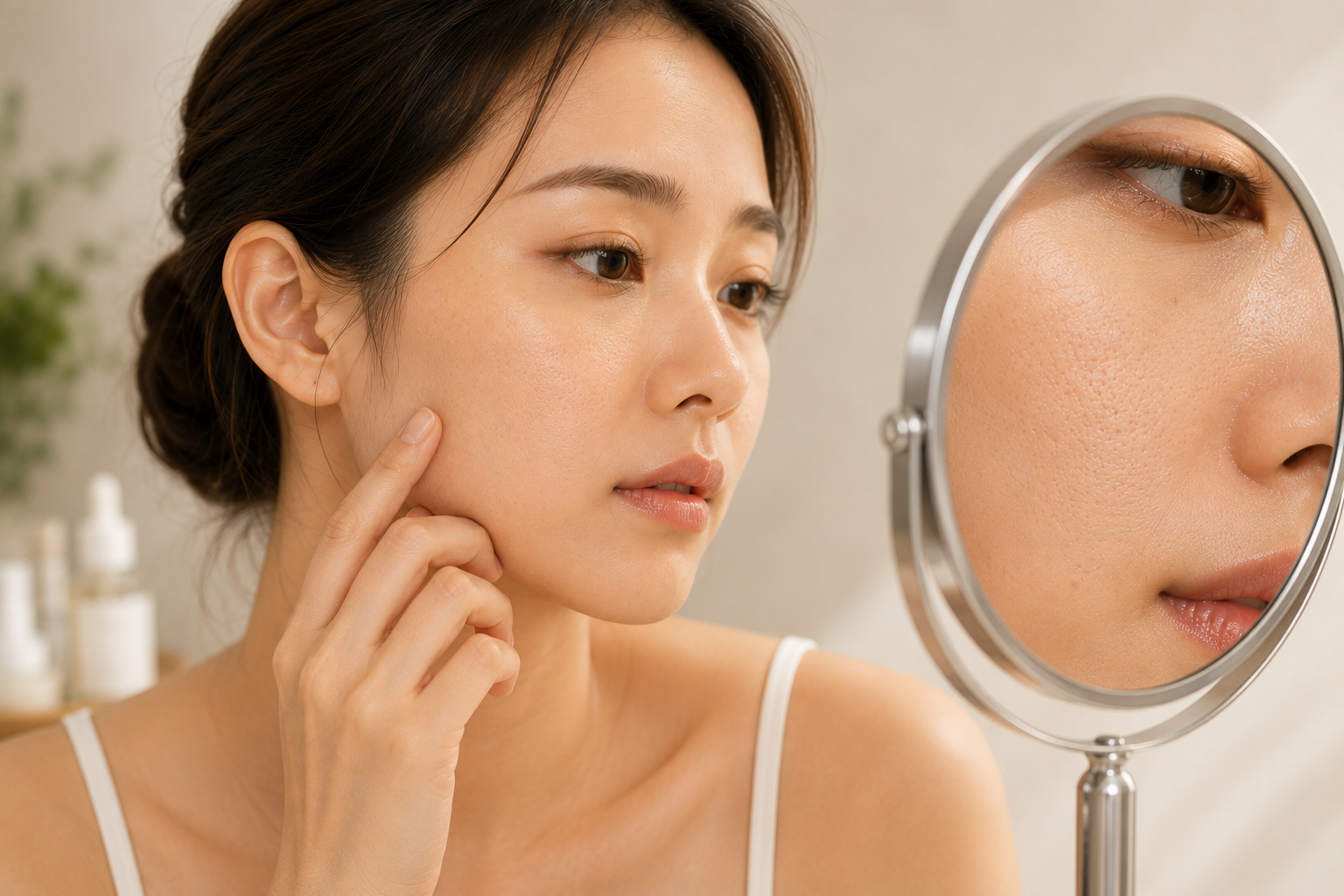
Enlarged pores
Congested skin
Acne breakouts
This is why using harsh cleansers to remove excess oil can sometimes make the problem worse.
Your skin isn’t necessarily oily—it may simply be dehydrated.
What Causes Dry Skin?
Several factors contribute to naturally dry skin.
1. Genetics
Some people simply inherit skin that produces less oil.
2. Ageing
As we age, natural oil production gradually decreases.
This is why mature skin often feels drier than it did in younger years.
3. Weather
Cold temperatures, strong winds and low humidity can strip moisture from the skin.
Even in Singapore, constant exposure to air-conditioning can contribute to dryness.
4. Medical Conditions
Conditions such as eczema and psoriasis often affect the skin’s ability to retain moisture.
What Causes Dehydrated Skin?
Unlike dry skin, dehydration is often triggered by lifestyle or environmental factors.
1. Not Drinking Enough Water
While hydration isn’t the only factor, inadequate fluid intake can contribute to dehydrated-looking skin.
2. Overusing Active Ingredients
Using too many exfoliating acids or retinoids can weaken the skin barrier, allowing water to escape more easily.
3. Air Conditioning
Many Singaporeans spend long hours in air-conditioned offices and shopping malls.
These environments reduce humidity and may increase water loss from the skin.
4. Sun Exposure
Ultraviolet (UV) rays weaken the skin barrier, making it harder for skin to retain moisture.
5. Lack of Sleep and Stress
Both can affect your skin’s ability to repair itself, leading to dull, dehydrated-looking skin.
How Can You Tell the Difference?
Here’s a quick comparison:
Dry Skin | Dehydrated Skin |
Skin type | Skin condition |
Lacks oil | Lacks water |
Usually genetic | Usually temporary |
Rarely oily | Can feel oily and tight at the same time |
Flaky skin is common | Fine dehydration lines are common |
Requires long-term care | Often improves with hydration and barrier repair |
It’s also possible to have dry and dehydrated skin at the same time.
How to Care for Dry Skin
If you have naturally dry skin, focus on replenishing and protecting the skin barrier.
Helpful habits include:
Use a gentle cleanser
Apply moisturiser morning and night
Avoid hot showers
Wear sunscreen daily
Choose products that support the skin barrier
Avoid harsh exfoliation
Consistency is key.
How to Care for Dehydrated Skin
The goal is to restore water content while protecting the skin barrier.
Consider these tips:
Drink enough water throughout the day
Use hydrating skincare products
Apply moisturiser while skin is slightly damp
Reduce over-exfoliation
Avoid harsh cleansers
Wear sunscreen daily
A simple routine is often more effective than layering multiple products.
Can Professional Treatments Help?
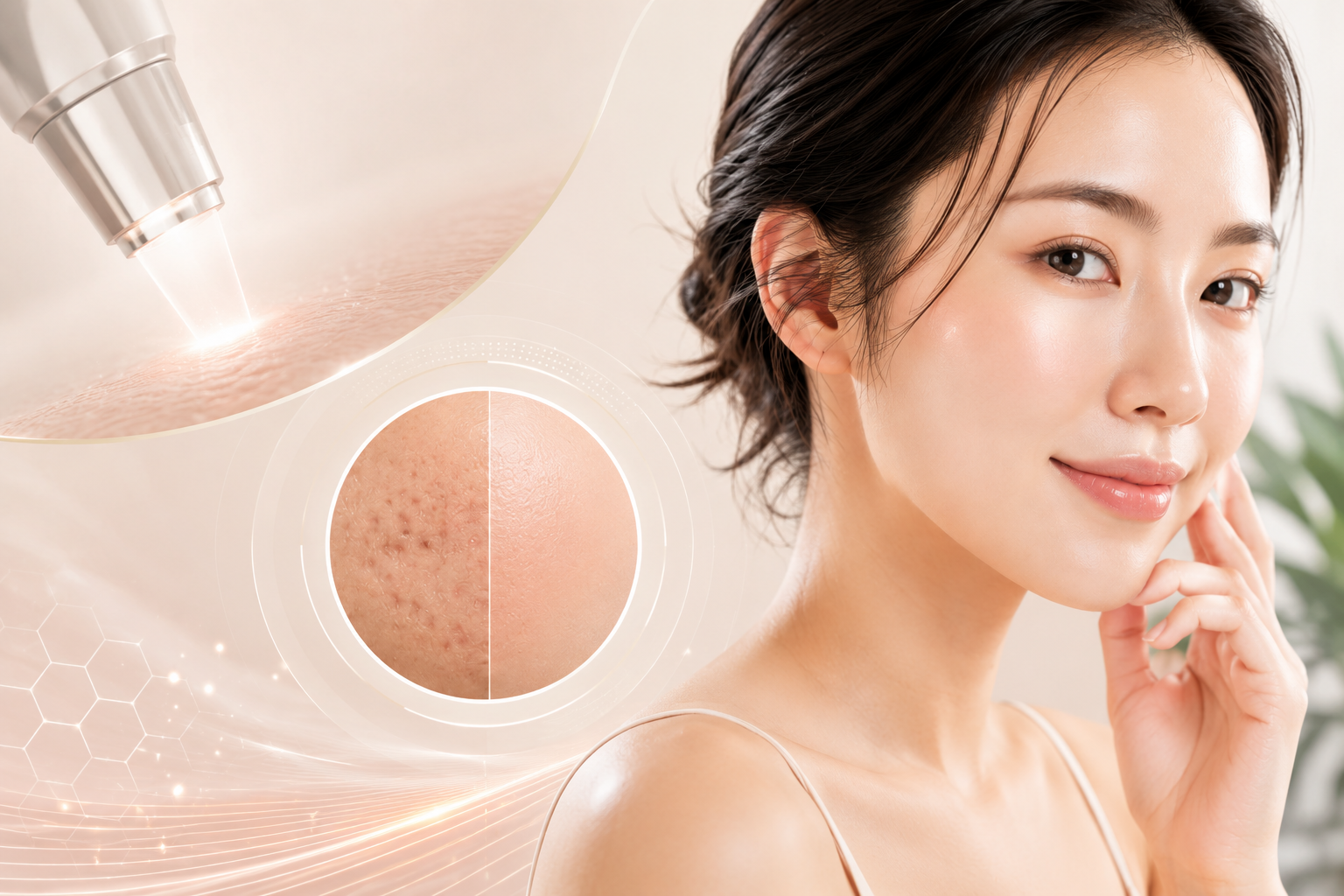
If your skin remains dehydrated despite improving your skincare routine, professional treatments may provide additional support.
Depending on your skin assessment, treatments may focus on:
Deep skin hydration
Strengthening the skin barrier
Improving overall skin quality
Supporting collagen production
Restoring skin radiance
Your treatment plan should always be personalised based on your skin type, concerns and lifestyle.
Common Mistakes People Make
Many people accidentally make their skin worse by:
❌ Assuming oily skin doesn’t need moisturiser
❌ Using strong acne products every day
❌ Over-cleansing
❌ Skipping sunscreen
❌ Trying too many skincare products at once
Healthy skin is usually the result of a consistent, balanced routine—not an overly complicated one.
When Should You Seek Professional Advice?
Consider booking a skin consultation if:
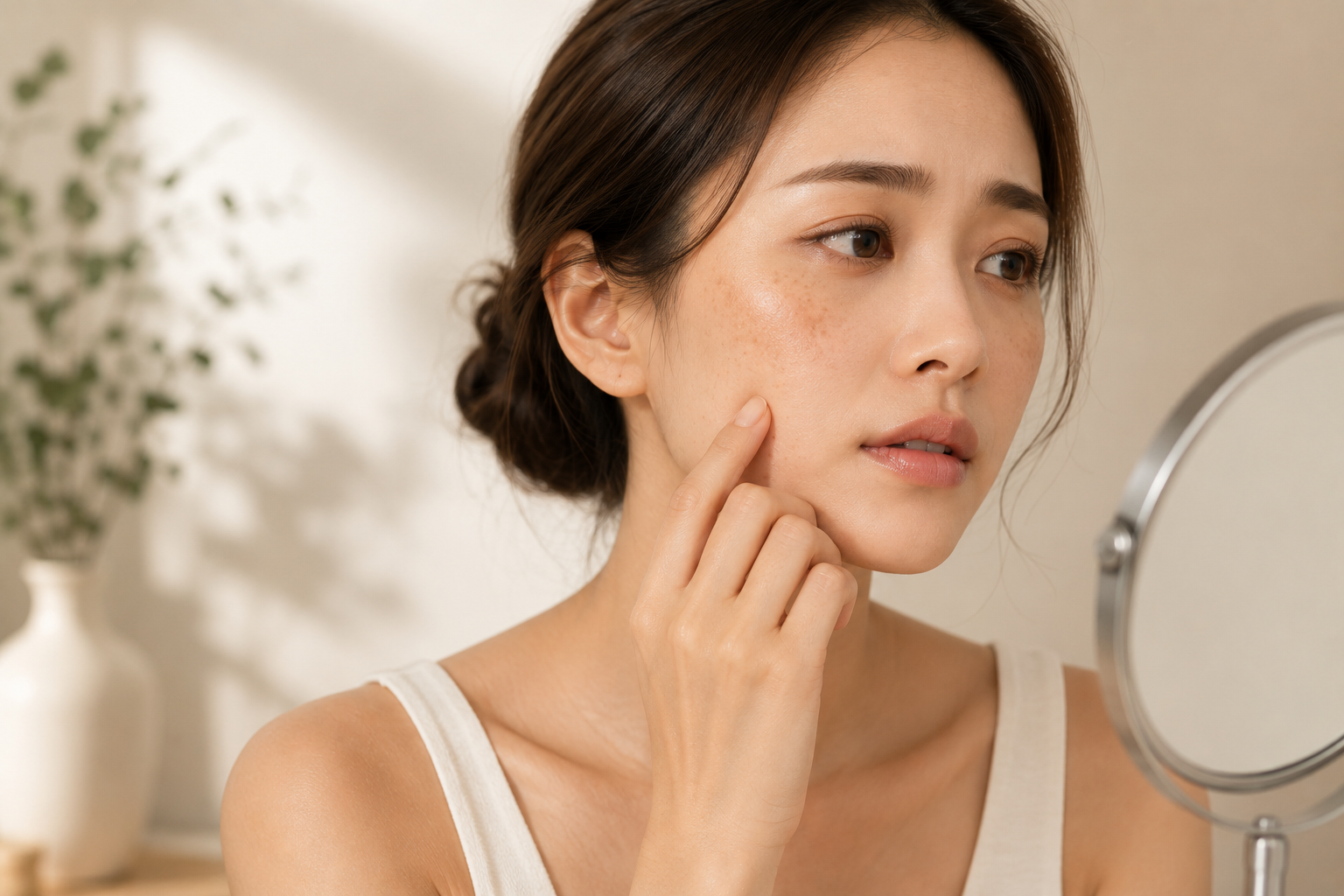
Your skin always feels tight despite moisturising
You experience ongoing redness or irritation
Your skin suddenly becomes more sensitive
Over-the-counter products aren’t helping
You’re unsure whether your skin is dry, dehydrated or both
A professional assessment can identify the underlying cause and help you choose treatments that are appropriate for your skin’s needs.
Understanding Your Skin Is the First Step to Healthier Skin
Dry skin and dehydrated skin may appear similar, but understanding the difference can completely change how you care for your skin.
Rather than treating every skin concern with stronger products, focus on giving your skin what it actually needs—whether that’s more oil, more water or a stronger skin barrier.
At Lynn Medical, we believe healthy skin starts with an accurate diagnosis. Every consultation is tailored to your individual skin condition, allowing us to recommend evidence-based treatments and skincare solutions that support long-term skin health and natural radiance.
Whether you’re dealing with persistent dryness, dehydration or simply want to better understand your skin, our experienced team is here to guide you every step of the way.
Book a consultation with Lynn Medical today and discover a personalised approach to healthier, more balanced skin.
📍 Lynn Medical – Star of Kovan
988 Upper Serangoon Road #01‑38/39/40, Singapore 534733
📞 Tel: 6289 8901 | 💬 WhatsApp: 8809 7967