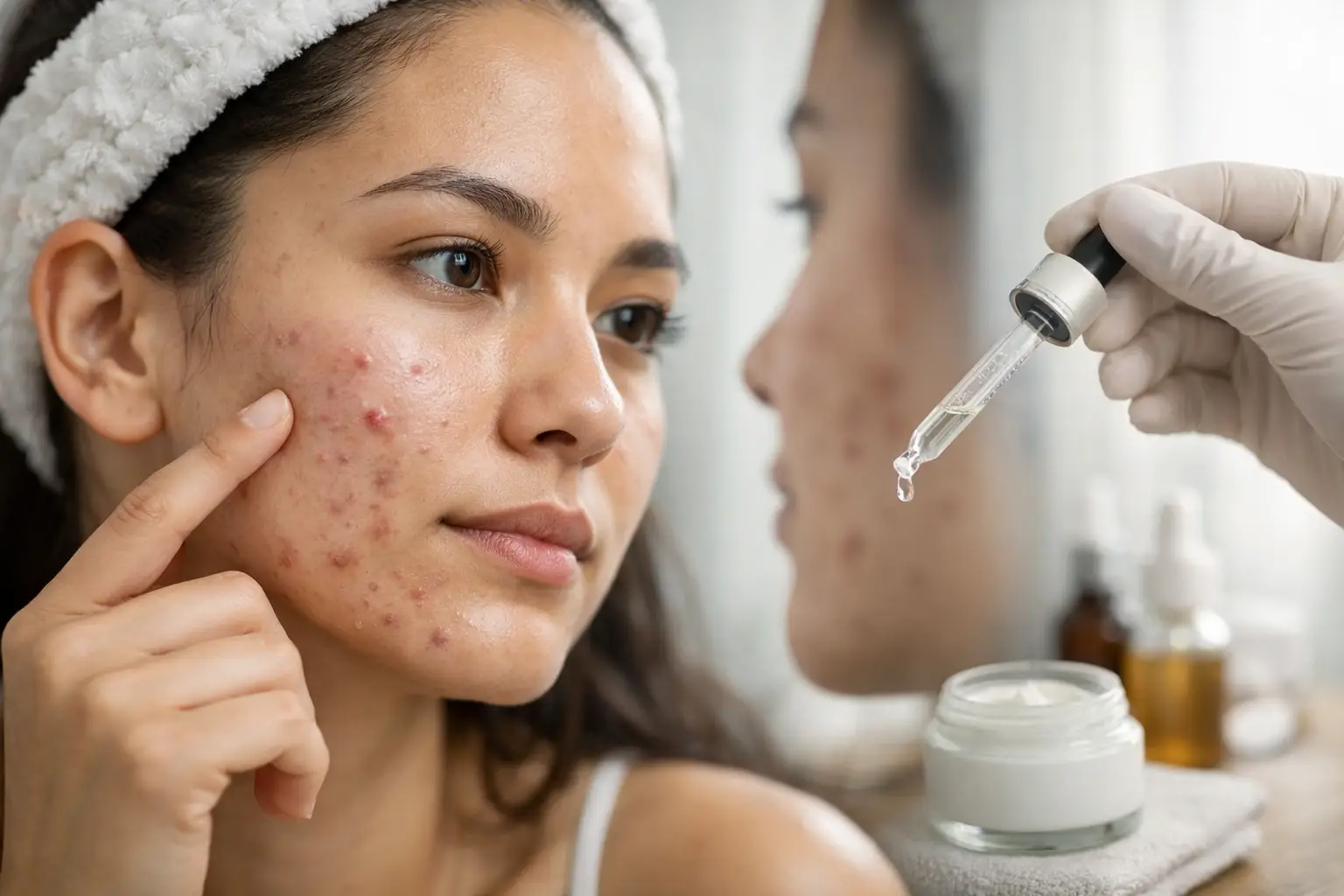
A breakout finally starts to calm down, and then you notice the marks it left behind. For many patients, that leads to the same question: can you treat acne scars while you still have acne? The short answer is yes, sometimes – but not every scar treatment should start while acne is still active, and the safest plan depends on what kind of acne, what kind of scarring, and how inflamed your skin is right now.
This is where a personalized, evidence-based approach matters. Treating active acne and treating acne scars are closely connected, but they are not exactly the same process. If you move too aggressively too soon, you can irritate the skin, trigger more inflammation, and increase the risk of new marks forming. If you wait too long without a plan, ongoing breakouts may continue to create fresh scars.
Can you treat acne scars while you still have acne?
Yes, but usually not all scars and not with every treatment.
In most cases, active acne needs to be brought under better control before the skin can safely tolerate more intensive scar-focused procedures. That does not mean you have to do nothing about scars until every single pimple is gone. It means treatment should be staged thoughtfully.
For example, if you still have occasional clogged pores or a few healing breakouts, your provider may begin gentle treatments that support skin renewal while also helping acne. If you have widespread inflamed acne, cystic lesions, or frequent new eruptions, the first priority is usually calming the acne itself. Once inflammation is reduced, scar treatments tend to become both safer and more effective.
The goal is not simply to treat what you see today. The goal is to stop tomorrow’s scars while improving the texture and marks that already exist.
Why active acne changes the treatment plan
Active acne means your skin is already in an inflamed, vulnerable state. Inflamed skin reacts more strongly to energy-based devices, peels, and resurfacing procedures. It can also heal less predictably.
That matters because acne scars are not all the same. Some are true textural scars, such as ice pick, boxcar, or rolling scars. Others are post-acne marks, including red or brown discoloration that can linger after a breakout. Patients often call all of these acne scars, but each type responds differently.
If you still have acne, your treatment plan may need to address three issues at once: active breakouts, post-inflammatory marks, and early or established scarring. A results-oriented clinic will separate these concerns instead of treating them as one single problem.
What can often be treated even if acne is still present
Some treatments can be introduced while acne is ongoing, especially if they help reduce inflammation, support cell turnover, or improve post-acne marks. Chemical peels are one example when selected carefully. Certain peels can help control oil, clear congested pores, and gradually improve superficial discoloration.
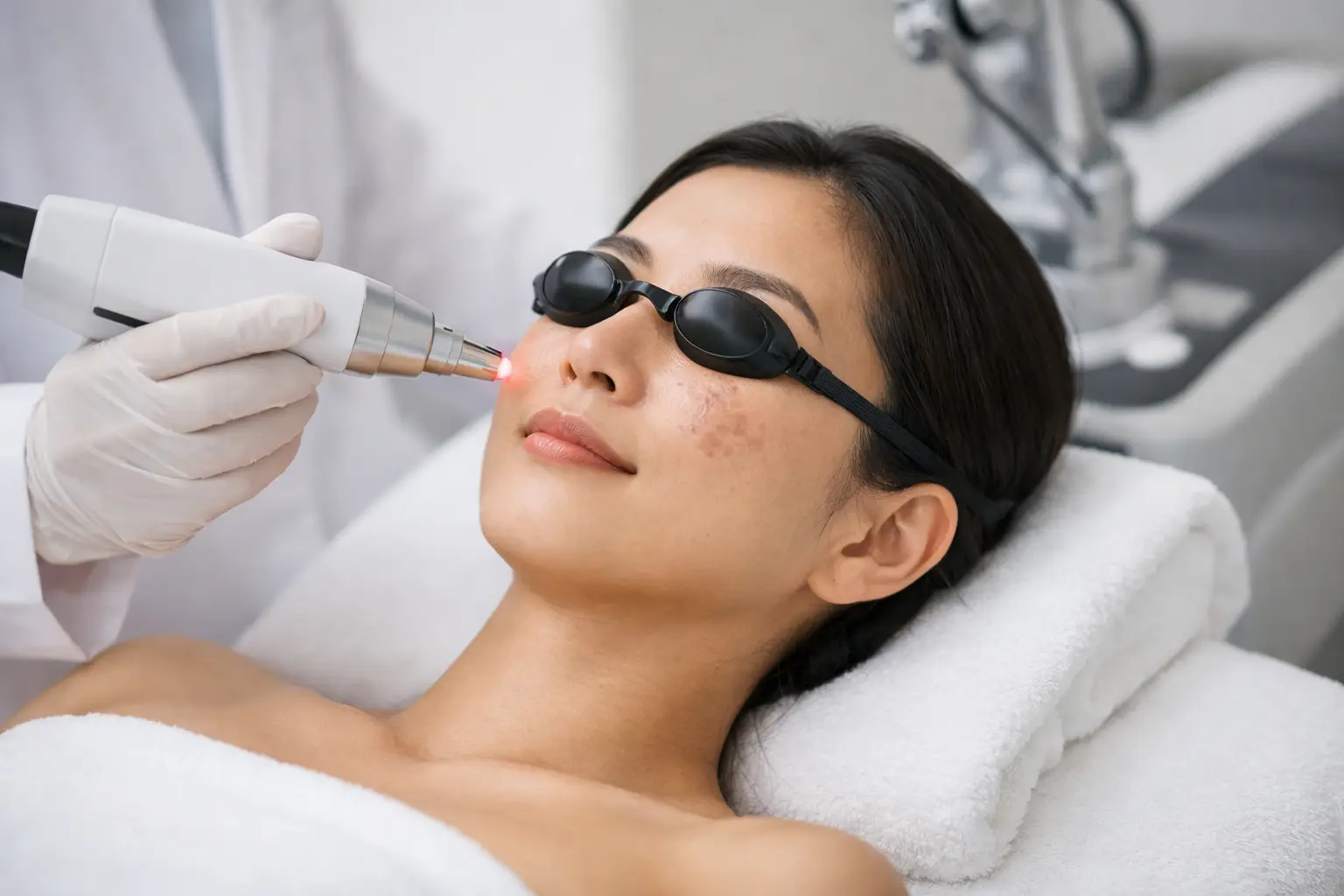
Laser-based options may also play a role, but not every laser is appropriate during active breakouts. Some devices are better suited for pigmentation or redness left behind by acne, while others are designed more for textural scar remodeling once acne is controlled.
Medical-grade skincare is often one of the most practical starting points. Ingredients that target acne, pigmentation, and skin renewal can reduce the chance of future scars while improving the appearance of recent marks. This part of treatment may sound less dramatic than a device-based procedure, but it is often what makes more advanced treatment possible later.
In selected cases, minimally invasive treatments such as skin boosters or regenerative approaches may be considered once inflammation is stable, but these are not typically the first step when acne is still very active.
What usually needs to wait until acne is under control
The more aggressive the scar treatment, the more important timing becomes.
Procedures that focus on remodeling deeper textural scars often work best after active acne has been significantly reduced. This includes stronger resurfacing approaches, more intensive laser sessions, and certain combination protocols used for deeper or long-standing scars. If new acne lesions are still developing regularly, it becomes difficult to judge results because the skin is still being injured while you are trying to repair it.
There is also a safety issue. Performing intensive scar correction over inflamed acne can increase irritation and make recovery harder. In some skin types, excess inflammation may raise the risk of post-inflammatory hyperpigmentation.
That is why a polished treatment plan often works in phases. Phase one controls acne. Phase two targets lingering marks. Phase three addresses deeper textural scarring with more precision.
The difference between acne marks and true acne scars
This is one of the biggest points of confusion for patients.
If you are seeing red, pink, brown, or grayish marks after pimples heal, those may not be true scars. They may be post-inflammatory erythema or post-inflammatory hyperpigmentation. These can fade with time, but targeted treatment often helps them clear faster.
True acne scars involve a change in skin texture. The skin may look indented, uneven, or pitted because the underlying collagen was damaged during the healing process. These scars usually do not fade fully on their own and often respond best to procedures that stimulate collagen remodeling.
Why does this matter? Because a patient may think they need aggressive scar treatment when what they really need first is acne control and pigment management. On the other hand, a patient with established pitted scars may improve discoloration with skincare and peels but still need a separate plan for texture.
How a doctor decides what to treat first
A strong treatment plan is based on assessment, not guesswork.
First, the severity and type of active acne matter. A few comedones or occasional papules are different from inflamed cystic acne. Second, the type of scarring matters. Shallow marks, pigmentation, and deep tethered scars are not treated the same way. Third, your skin type matters because it affects how aggressively the skin can be treated and how likely it is to develop pigmentation after inflammation.
Lifestyle and timeline also matter. Some patients want the fastest visible improvement for an upcoming event. Others want a slower, low-downtime approach that fits around work. A personalized treatment plan takes all of that into account rather than recommending a one-size-fits-all protocol.
At Lynn Medical & Aesthetic Clinic, this kind of structured planning is central to effective acne and acne scar care. The goal is visible improvement with treatments that respect both safety and skin recovery.
A realistic treatment sequence for many patients
For many adults, the best path begins with active acne control. This may include acne-focused medical skincare, selected chemical peels, and treatments designed to reduce inflammation, oil congestion, and breakout frequency.
Once acne is steadier, the next step often addresses the marks left behind. If redness or pigmentation is a major concern, laser or peel-based treatments may be introduced depending on your skin’s condition and sensitivity.
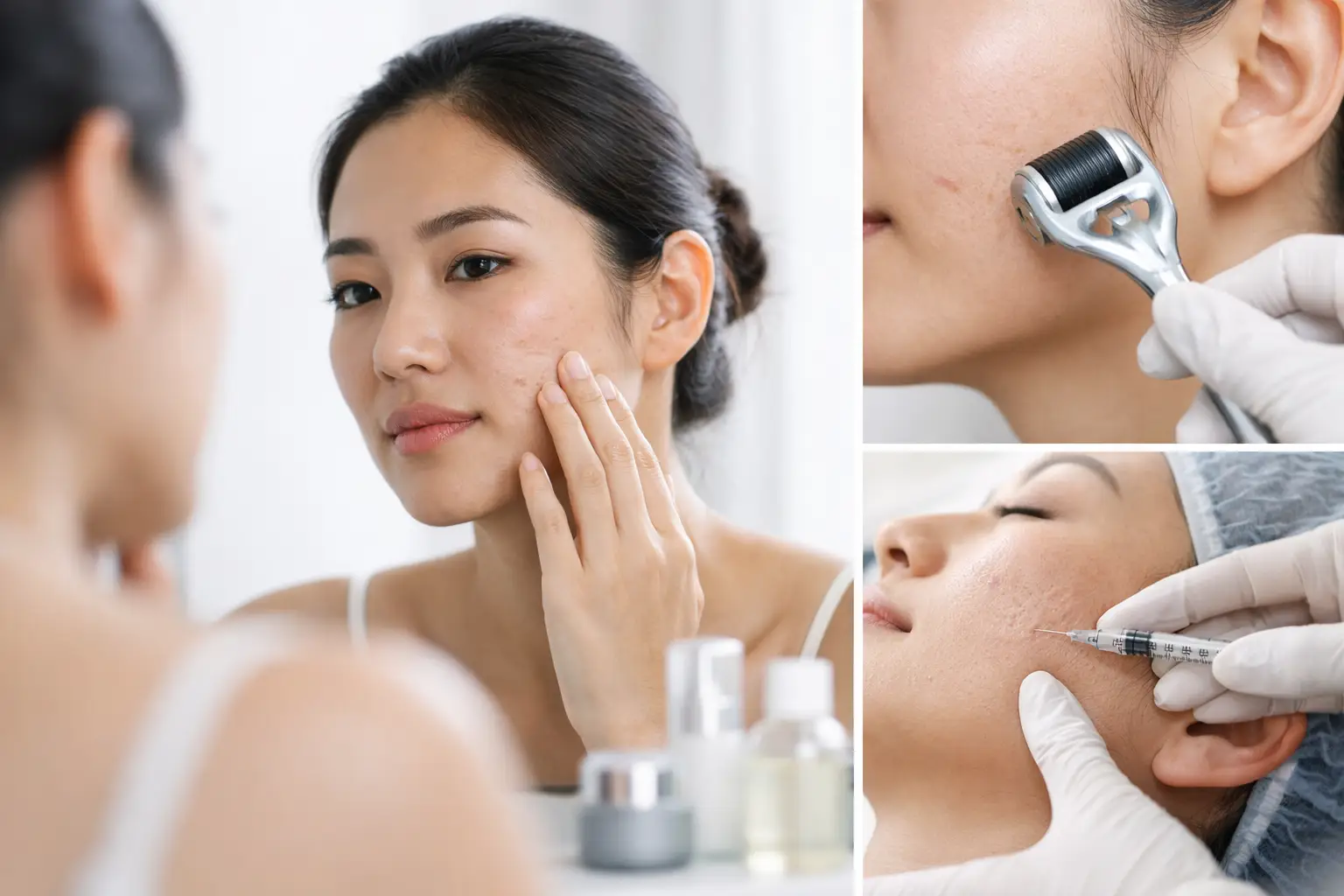
After that, if textural scars remain, more targeted scar revision can begin. This is where collagen-stimulating procedures are often most useful. Because breakouts are better controlled at this stage, the skin has a more stable foundation for repair.
This sequence may feel slower than jumping straight into scar treatment, but it often leads to better long-term outcomes. Treating scars while fresh acne continues to form is like repairing a surface while it is still being damaged.
When early scar treatment makes sense
There are exceptions. If acne is mild, mostly controlled, or limited to small areas, it may be possible to treat early scarring or post-acne marks at the same time. This is especially true when the chosen treatment can support both concerns.
Early intervention can be valuable because newer marks and milder scars may respond more efficiently than long-established ones. The key is selecting the right treatment intensity. Gentle, strategic progress is often better than trying to do everything in one session.
What patients should avoid
Trying to self-treat scars during active acne with harsh acids, aggressive scrubs, or at-home devices can backfire. Over-exfoliation can weaken the skin barrier, worsen redness, and prolong healing. Picking and squeezing also remain major drivers of both scarring and pigmentation.
Another common mistake is treating every mark as a scar and becoming discouraged too early. Some discoloration needs time. Some texture issues need procedural treatment. Knowing the difference can save both frustration and unnecessary irritation.
If you are asking, can you treat acne scars while you still have acne, the most accurate answer is this: yes, but the best results usually come from treating the skin in the right order. Control active acne first or alongside gentle mark-focused care, then move into more advanced scar treatment when the skin is ready. A personalized plan protects your skin, improves outcomes, and helps you move toward clearer, smoother skin with confidence.
The right time to treat is not when your skin is perfect – it is when your treatment plan is.