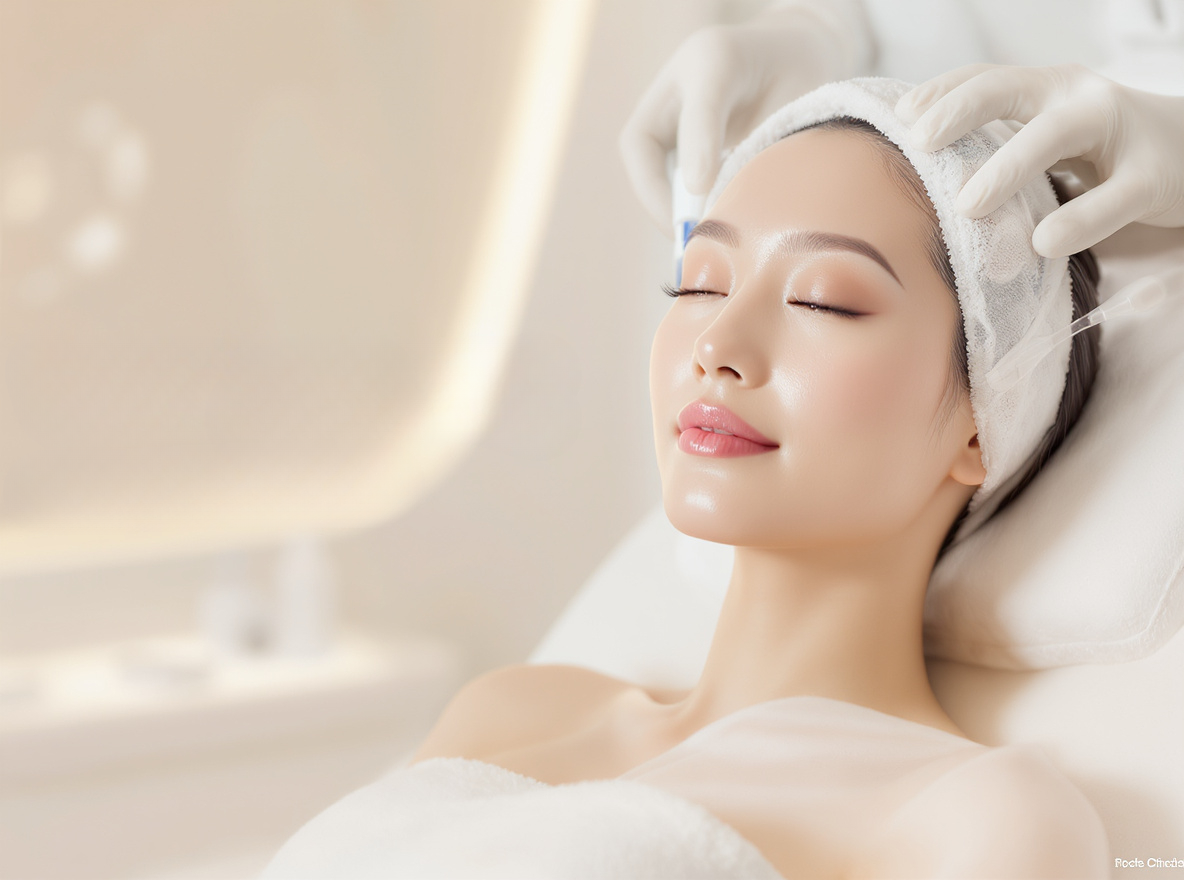
Navigating the landscape of aesthetic treatments can be a journey of discovery. For those seeking non-invasive options to address skin laxity and improve facial contours, High-Intensity Focused Ultrasound (HIFU) represents a significant advancement in dermatological technology. This article aims to provide a comprehensive and neutral overview of HIFU treatment, its mechanisms, applications, and considerations within the Singapore healthcare regulatory framework.
High-Intensity Focused Ultrasound (HIFU) is a non-surgical, non-invasive therapeutic technology that utilizes focused ultrasound energy to stimulate collagen production and tighten skin. This modality has gained considerable attention in the aesthetic field for its ability to target deeper layers of the skin without disrupting the outermost epidermal layers.
The fundamental principle behind HIFU is the precise delivery of focused ultrasound waves to specific depths within the skin. Imagine light passing through a magnifying glass to create a concentrated point of heat. Similarly, HIFU devices converge multiple beams of ultrasonic energy at a single focal point beneath the skin’s surface. At this focal point, a controlled thermal coagulation point is created, typically reaching temperatures between 60-70°C. This targeted thermal injury initiates a natural wound-healing response in the body, leading to the production of new collagen and the remodeling of existing collagen fibers. The result is a gradual tightening and lifting effect on the skin.
Unlike lasers or radiofrequency, which deliver energy from the surface inwards, HIFU bypasses the superficial layers of the skin, such as the epidermis, to directly target the deeper dermal and subdermal tissues, including the Superficial Musculoaponeurotic System (SMAS) layer. The SMAS is a crucial layer often addressed in surgical facelifts, making HIFU a unique non-invasive option for targeting this foundational facial structure.
If you’re considering the best HIFU treatment in Singapore, it’s essential to explore various skin rejuvenation options that can complement your goals. A related article that delves into effective treatments for acne scars, which can also enhance your skin’s overall appearance, is available at Top Treatments for Acne Scars: What Really Works. This resource provides valuable insights into different procedures, helping you make an informed decision about your skincare journey.
The Science Behind HIFU Technology
The efficacy of HIFU treatment is rooted in its ability to precisely deliver acoustic energy and elicit a biological response. This section delves into the intricate mechanisms at play.
Transducer Technology and Depth Control
HIFU devices employ various transducers, each designed to deliver ultrasound energy at specific depths. Common depths targeted include 1.5mm (superficial dermis), 3.0mm (deep dermis), and 4.5mm (SMAS layer and subdermal tissue). The practitioner strategically selects the appropriate transducer based on the individual’s skin thickness, aesthetic concerns, and target anatomical structures. This precise depth control is paramount to achieving optimal results while minimizing risks to surrounding tissues.
Thermal Coagulation Points and Collagen Neogenesis
When the focused ultrasound energy reaches the target tissue, the rapid absorption of acoustic energy causes a localized increase in temperature. This thermal elevation leads to the denaturation of existing collagen fibers, causing them to contract immediately. More importantly, this controlled thermal injury triggers a natural regenerative process. Fibroblasts, the cells responsible for producing collagen, are stimulated to synthesize new, healthy collagen fibers. This process, known as neocollagenesis or collagen neogenesis, continues over several weeks to months following the treatment, leading to gradual skin tightening and improved elasticity.
Tissue Response and Remodeling
Beyond immediate collagen contraction and long-term neocollagenesis, HIFU also promotes tissue remodeling. The body’s natural healing cascade includes the activity of various cellular components that work to repair and reorganize the treated area. This remodeling contributes to the overall improvement in skin texture, firmness, and the appearance of fine lines and wrinkles. The gradual nature of these biological processes explains why the full benefits of HIFU treatment typically become visible over a period of 2 to 3 months, with continued improvement for up to 6 months.
Applications and Benefits of HIFU
HIFU treatment offers a range of potential aesthetic benefits, primarily focusing on facial and neck rejuvenation. Understanding its applications can help individuals determine if it aligns with their aesthetic goals.
Facial Lifting and Tightening
One of the primary applications of HIFU is to address skin laxity on the face. This includes lifting and tightening sagging skin around the jawline, known as jowls, and improving the definition of the chin. It can contribute to a more lifted appearance of the eyebrows and a reduction in the appearance of nasolabial folds (lines extending from the nose to the corners of the mouth) and marionette lines (lines extending downwards from the corners of the mouth).
Neck Firming
The neck area is often one of the first to show signs of aging, with the development of loose skin and horizontal lines. HIFU can be utilized to improve the firmness and smoothness of the neck skin, helping to reduce the appearance of a “turkey neck” and enhance the overall contour of the jawline to neck transition.
Skin Texture Improvement
While primarily known for its lifting and tightening effects, the collagen stimulation induced by HIFU can also contribute to a subtle improvement in overall skin texture and tone. As new collagen is formed, the skin may appear smoother and more refined.
Consideration for Body Contouring (Beyond Facial Applications)
While the focus here is primarily on facial aesthetics, it is worth noting that some HIFU devices are also cleared for non-invasive body contouring, targeting localized pockets of fat. However, the mechanisms and depths of action differ from those used for skin tightening, and these applications would require separate discussion. For the purpose of this article, we focus on the skin tightening and lifting applications relevant to facial and neck aesthetics.
What to Expect During and After a HIFU Treatment
A clear understanding of the treatment process and post-treatment experience is essential for informed decision-making.
Pre-Treatment Consultation and Assessment
The journey begins with a thorough consultation with a qualified medical professional. During this session, the practitioner will assess your skin condition, discuss your aesthetic concerns and medical history, and determine if HIFU is a suitable treatment option for you. This assessment includes evaluating skin laxity, fat distribution, and any contraindications. It is crucial to disclose all relevant medical information to ensure your safety and the appropriateness of the treatment.
The Treatment Procedure
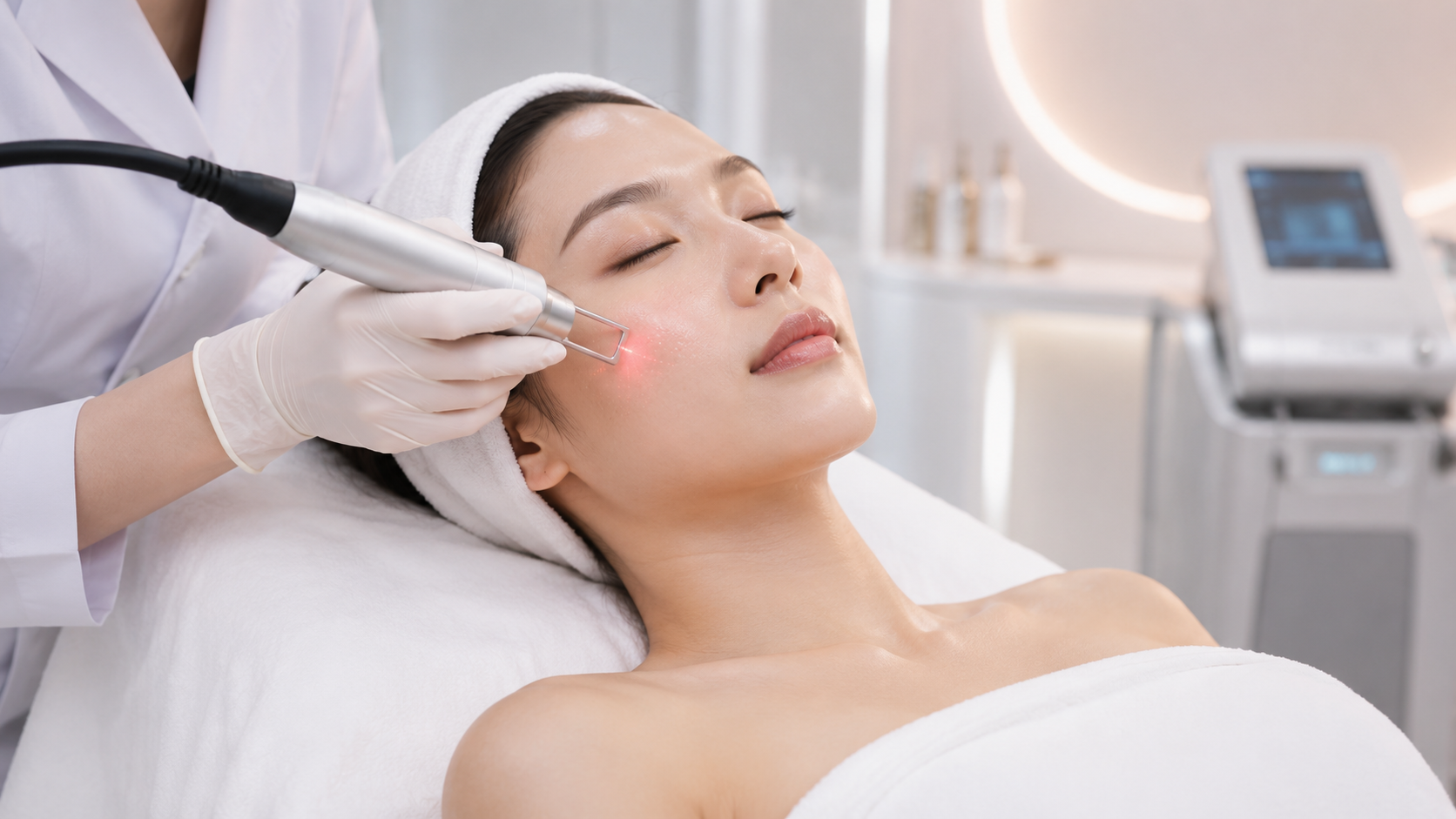
On the day of the treatment, the skin will be cleansed, and a topical anesthetic may be applied to enhance comfort, although this varies depending on individual pain tolerance and the specific device used. A conducting gel is then applied to the treatment area, similar to an ultrasound scan. The practitioner will use a handheld device to deliver focused ultrasound energy in controlled passes over the targeted areas. You may experience sensations such as warmth, tingling, or a deep aching, which are generally tolerable. The duration of the treatment depends on the size of the area being treated, but typically ranges from 30 to 90 minutes for a full face and neck.
Post-Treatment Care and Recovery
HIFU is a non-invasive procedure, meaning there is typically no downtime. You can generally resume your normal activities immediately after the treatment. Some individuals may experience mild redness, swelling, or tenderness in the treated areas, which usually subsides within a few hours to a few days. You may also feel a subtle tingling or tenderness to the touch for a few weeks, which is a normal part of the healing process. It is generally recommended to avoid excessive sun exposure and use broad-spectrum sunscreen following the treatment. The practitioner will provide specific post-care instructions tailored to your needs.
If you’re considering the best HIFU treatment in Singapore, you might also find it beneficial to explore related skin enhancement options. For instance, a recent article discusses the advantages of skin boosters, which can complement HIFU treatments for achieving youthful and radiant skin. To learn more about these innovative solutions, check out this informative piece on skin boosters in Singapore.
Suitability, Risks, and Important Considerations
| Clinic Name | Number of Sessions | Average Treatment Duration | Price Range | Customer Rating (out of 5) | Key Benefits |
|---|---|---|---|---|---|
| Radiance Aesthetics | 1-3 | 30-45 minutes | 800 – 1500 | 4.7 | Non-invasive, skin tightening, wrinkle reduction |
| SkinLab Clinic | 2-4 | 45 minutes | 1000 – 1800 | 4.5 | Facial lifting, collagen boost, minimal downtime |
| Rejuve Medispa | 1-3 | 30 minutes | 900 – 1600 | 4.6 | Skin firming, contouring, safe for all skin types |
| Elite HIFU Centre | 3-5 | 40-50 minutes | 1200 – 2000 | 4.8 | Long-lasting results, non-surgical facelift, pain-free |
| Glow Aesthetic Clinic | 1-2 | 30 minutes | 700 – 1300 | 4.4 | Quick treatment, skin rejuvenation, affordable |
While HIFU is a generally safe and effective treatment when performed by trained professionals, it is crucial to understand its suitability and potential risks.
Who is an Ideal Candidate?
Ideal candidates for HIFU treatment are typically individuals with mild to moderate skin laxity. This often includes people in their late 30s to 60s who are beginning to notice signs of aging, such as sagging around the jawline, loose skin on the neck, or drooping eyebrows. HIFU is suitable for those seeking a gradual, natural-looking improvement without surgical intervention. It is not a substitute for a surgical facelift for individuals with significant skin laxity.
Contraindications
HIFU treatment is not suitable for everyone. Contraindications include pregnancy and breastfeeding, active infections or open wounds in the treatment area, presence of keloid scarring, certain autoimmune diseases, and individuals with pacemakers or other electronic implants. A thorough medical history will be taken by the practitioner to identify any potential contraindications.
Potential Side Effects and Risks
HIFU is generally well-tolerated, but like any medical procedure, it carries potential side effects. The most common side effects are transient and mild, including:
- Redness and Swelling: Temporary localized redness and swelling are common immediately after treatment and usually resolve within a few hours to days.
- Tenderness or Numbness: Some individuals may experience tenderness to touch or a transient sensation of numbness in the treated areas, which typically subsides within a few weeks.
- Bruising: Although rare, minor bruising can occur.
- Nerve Paralysis (Temporary): In very rare cases, if the ultrasound energy is delivered too superficially or incorrectly, it can temporarily affect motor nerves, leading to temporary muscle weakness or asymmetry. This is extremely rare and usually resolves on its own.
- Blisters or Burns: These are extremely rare and typically associated with improper technique or faulty equipment.
It is imperative to choose a reputable clinic with experienced and well-trained practitioners to minimize these risks.
Realistic Expectations
It is important to maintain realistic expectations regarding the outcomes of HIFU treatment. While it can offer notable improvements in skin laxity and contour, the results are gradual and natural, and it does not replicate the dramatic lifting achieved through surgical facelifts. The degree of improvement varies between individuals, influenced by factors such as age, skin elasticity, and lifestyle. Maintenance treatments may be recommended to sustain the results over time.
If you’re considering the best HIFU treatment in Singapore, it’s essential to be well-informed about various skin treatments available in the market. A related article that provides valuable insights is one that discusses common mistakes to avoid when treating pigmentation issues in Singapore. You can read more about it here. Understanding these pitfalls can help you make better decisions regarding your skincare journey and ensure you achieve the best results from your HIFU treatment.
Conclusion
High-Intensity Focused Ultrasound (HIFU) represents a valuable non-invasive option for individuals in Singapore seeking to address skin laxity and enhance their facial and neck contours. By harnessing the power of focused ultrasound energy to stimulate natural collagen production, HIFU offers a gradual and subtle approach to rejuvenation. Understanding the scientific principles, applications, procedure, and important considerations, including efficacy and safety, is crucial for anyone contemplating this treatment. Always consult with a qualified medical professional to determine if HIFU is the appropriate choice for your individual aesthetic goals and to ensure treatment is delivered safely and effectively, in compliance with all healthcare regulations in Singapore.
FAQs
What is HIFU treatment and how does it work?
HIFU (High-Intensity Focused Ultrasound) treatment is a non-invasive cosmetic procedure that uses focused ultrasound energy to stimulate collagen production and tighten the skin. It targets deep layers beneath the skin without damaging the surface, promoting natural skin lifting and rejuvenation.
Is HIFU treatment safe for all skin types?
Yes, HIFU treatment is generally safe for all skin types. It is a non-surgical procedure with minimal risk of side effects. However, it is important to consult with a qualified practitioner to ensure it is suitable for your specific skin condition and health status.
How long does a typical HIFU treatment session take in Singapore?
A typical HIFU treatment session in Singapore usually takes between 30 to 90 minutes, depending on the area being treated and the specific device used. Most patients can resume normal activities immediately after the procedure.
What results can I expect from the best HIFU treatment in Singapore?
Patients can expect gradual skin tightening and lifting over 2 to 3 months as collagen regenerates. Results can last up to 12 to 18 months, with improved skin texture, reduced wrinkles, and a more youthful appearance.
How much does the best HIFU treatment cost in Singapore?
The cost of HIFU treatment in Singapore varies depending on the clinic, the area treated, and the number of sessions required. On average, prices range from SGD 800 to SGD 3,000 per session. It is advisable to consult multiple clinics for quotes and treatment plans.