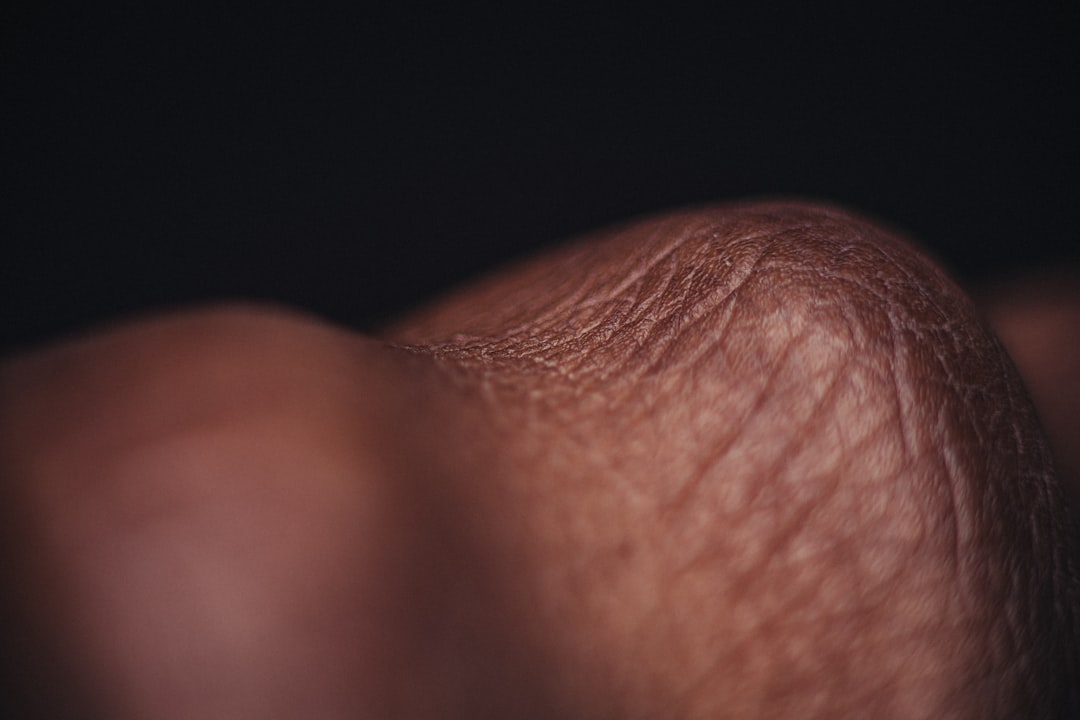
As the body undergoes its natural ageing continuum, structural and physiological changes occur across all layers of the skin and underlying tissues. One of the most common aesthetic concerns that individuals note over time is skin laxity, commonly referred to as sagging skin. While skin ageing is a biological inevitability, advances in dermatological science and aesthetic medicine have provided a deeper understanding of the mechanisms behind these changes, alongside various clinical modalities that may help manage them.
Approaching skin laxity requires a comprehensive understanding of facial anatomy, physiological ageing processes, and the various factors that influence skin health. The management of sagging skin is not a singular event but rather a continuous process combining lifestyle modifications, preventative strategies, and, if appropriate, medical interventions. The information provided herein is intended for educational purposes to help individuals understand the underlying causes of skin laxity and the generic modalities available to address it.
The development of sagging skin is a multifactorial process. It is driven by a combination of intrinsic (internal) biology and extrinsic (external) environmental influences. Understanding these factors provides a foundational basis for managing skin health over the long term.
Intrinsic Ageing and Cellular Changes
Intrinsic ageing is the natural, chronologically dictated ageing process that occurs at a cellular level. The skin’s structural integrity relies heavily on two vital proteins located in the dermis: collagen, which provides scaffolding and strength, and elastin, which allows the skin to stretch and snap back into place. From the mid-twenties onwards, fibroblast cells—the cells responsible for producing these proteins—gradually decrease their production rate. Additionally, the existing collagen and elastin fibres undergo fragmentation and degradation.
Simultaneously, the natural reserves of hyaluronic acid—a naturally occurring glycosaminoglycan responsible for retaining moisture in the skin—begin to deplete. This loss of dermal hydration and structural support leads to a decrease in skin thickness and resilience, eventually manifesting as visible laxity. Hormonal changes, particularly the decline of oestrogen during menopause, can further accelerate the depletion of dermal collagen, compounding the visible signs of skin sagging.
Environmental and Lifestyle Factors
Extrinsic ageing refers to changes primarily driven by environmental exposures and lifestyle choices. Ultraviolet (UV) radiation from the sun is one of the most significant contributors to extrinsic skin ageing, a process known as photoageing. UVA rays penetrate deep into the dermis, accelerating the breakdown of collagen and elastin fibres and damaging the cellular DNA of fibroblasts.
Other external factors include chroni exposure to environmental pollutants and tobacco smoke. Both introduce free radicals into the body, leading to oxidative stress, which further breaks down the structural proteins of the skin. Diet also plays a critical role; diets high in advanced glycation end-products (AGEs) and refined sugars can lead to a process called glycation. During glycation, excess sugar molecules bind to collagen and elastin fibres, causing them to become stiff, brittle, and less capable of providing elastic support to the skin.
Weight Fluctuations and Bone Resorption
Facial ageing changes are not limited to the skin alone; they encompass the subcutaneous fat, muscles, and skeletal structures. Significant or rapid weight fluctuations can stretch the skin’s elastic fibres beyond their capacity to bounce back, resulting in loose, sagging skin once the underlying volume is lost.
Furthermore, as the human body ages, it undergoes bone resorption. In the face, the structural support of the maxilla (upper jaw), mandible (lower jaw), and orbital rims gradually diminishes. At the same time, the deep facial fat pads tend to atrophy (shrink) and migrate downwards due to gravity. The combination of reducing skeletal scaffolding, loss of fat volume, and degrading skin elasticity results in the characteristic sagging along the jawline, cheeks, and neck.
Sagging skin is a common concern as we age, and many people seek effective solutions to combat this issue. One popular option is Botox, which can help improve the appearance of fine lines and wrinkles, contributing to a more youthful look. If you’re interested in learning more about Botox and whether it’s the right choice for you, check out this informative article: The Beginner’s Guide to Botox: Is It Right for You?.
Preventative Measures and Lifestyle Habits
While intrinsic ageing cannot be stopped completely, its visible effects and the progression of extrinsic ageing can be mitigated through consistent, evidence-based lifestyle habits and preventative skincare strategies.
Sun Protection Strategies
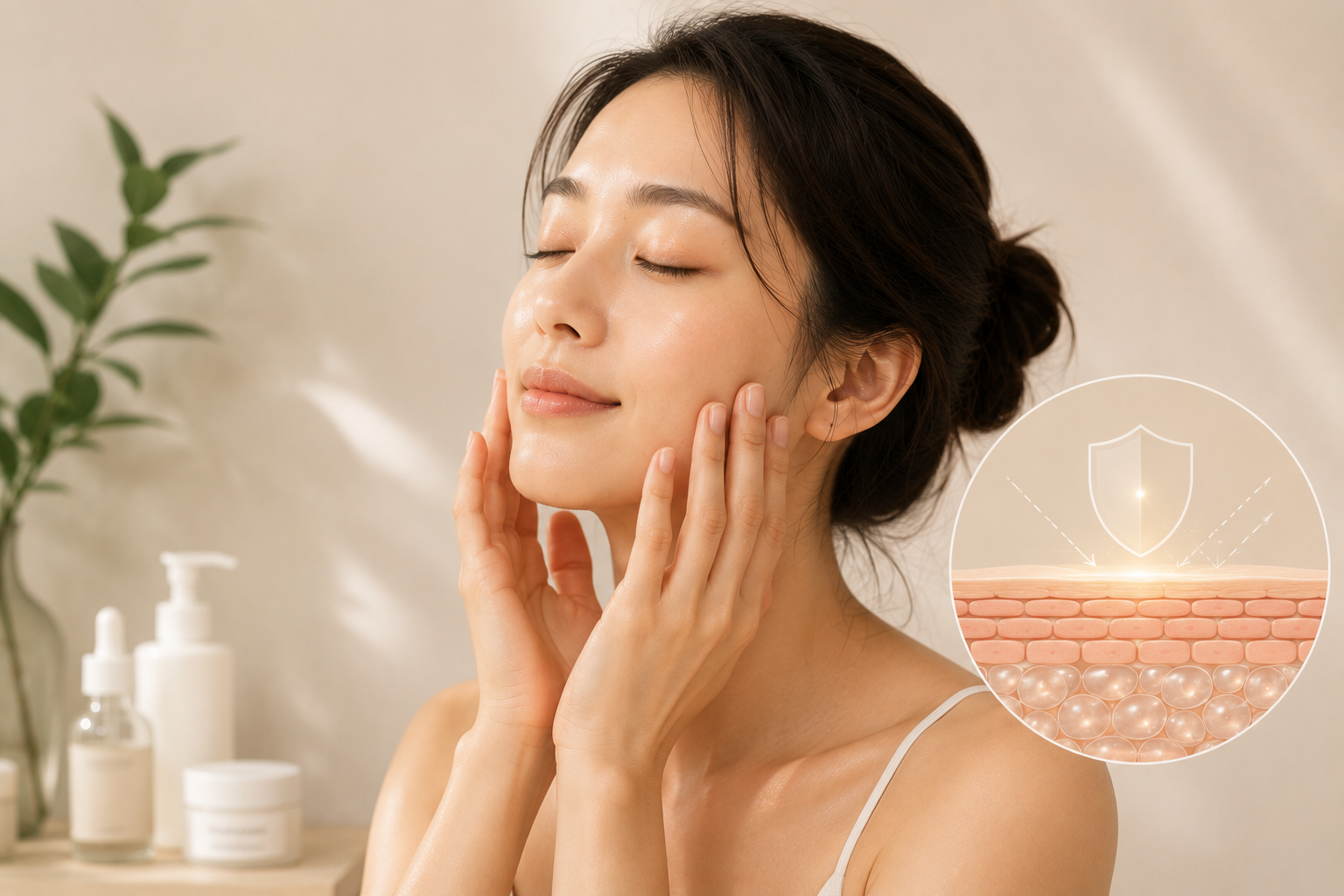
Because photoageing is a primary driver of collagen degradation, rigorous sun protection is a critical preventative measure against skin laxity. A comprehensive sun protection strategy involves the daily application of a broad-spectrum sunscreen that protects against both UVA and UVB rays. Reapplication is necessary, particularly after excessive sweating or exposure to water. Alongside topical sunscreens, individuals are encouraged to seek shade during peak sunlight hours and utilize physical barriers such as wide-brimmed hats, sunglasses, and ultraviolet protection factor (UPF) clothing to minimise overall UV exposure.
Nutritional Support for Skin Health
A balanced diet rich in micronutrients provides the essential building blocks required for cellular repair and collagen synthesis. Amino acids derived from adequate protein intake are fundamental for protein generation in the skin. Additionally, an abundance of antioxidants—such as vitamins A, C, and E, commonly found in fruits and vegetables—may help neutralise free radicals, thereby mitigating oxidative stress in the dermal layers. Adequate daily water intake also supports physiological functions and helps maintain a baseline level of epidermal hydration, though it is only one component of overall skin moisture management.
Skincare Ingredients Supporting Skin Elasticity
Topical skincare can play a supportive role in an anti-ageing regimen. While over-the-counter creams cannot lift severely sagging skin, certain active ingredients may help improve skin texture and stimulate mild cellular turnover. Retinoids (vitamin A derivatives) are extensively researched ingredients known to promote cellular renewal and support natural collagen production. Vitamin C acts as both an antioxidant to fight environmental damage and a co-factor in collagen synthesis. Additionally, peptides and niacinamide (vitamin B3) may assist in supporting the skin barrier and encouraging structural protein integrity. Responses to topical formulations can vary, and consistency is necessary to observe potential incremental benefits.
Non-Surgical Clinical Modalities for Skin Laxity
For individuals seeking interventions beyond lifestyle and topical measures, the field of aesthetic medicine offers several non-surgical options that may help improve the appearance of skin laxity. It is important to note that results vary between individuals; these treatments do not halt the ageing process and are not substitutes for surgical interventions like a facelift.
Energy-Based Skin Treatments
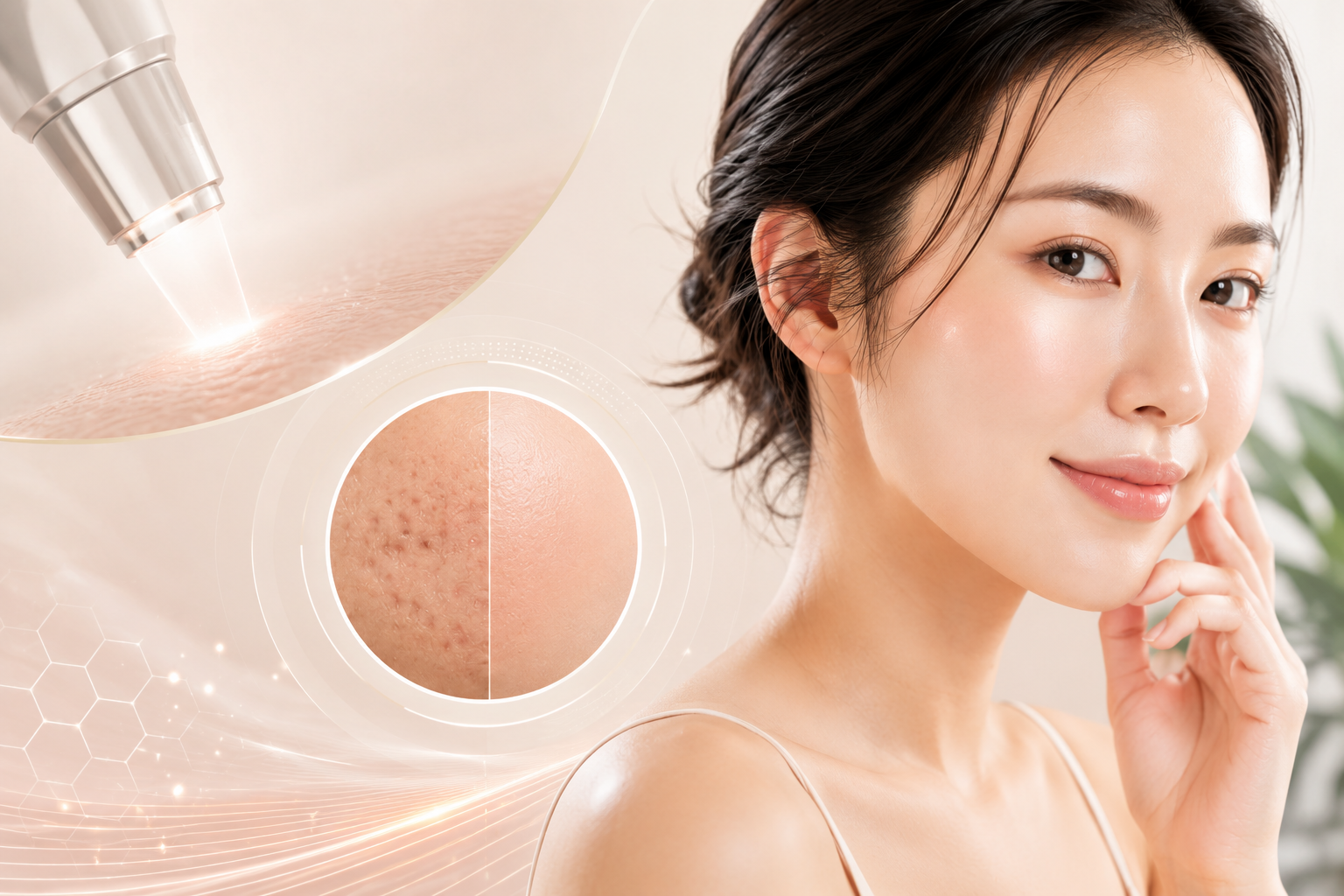
Energy-based treatments utilise different forms of directed energy to heat the deeper layers of the skin while bypassing or protecting the surface. This thermal effect induces a wound-healing response in the deep dermal and fibroseptal networks.
One category uses focused ultrasound energy to reach precise depths, including the superficial musculoaponeurotic system (SMAS) layer. The targeted thermal coagulation points cause immediate visible tissue contraction and initiate a progressive phase of neocollagenesis (the production of new collagen).
Another category employs radiofrequency (RF) energy to generate bulk heating within the dermal layers. Some RF devices are combined with microneedling to deliver the energy directly into the deeper tissue. This combination creates controlled micro-injuries alongside thermal stimulation, encouraging structural regeneration. As collagen and elastin synthesis is a gradual biological process, patients may observe changes developing over several weeks to months.
Injectable Hydration and Collagen-Stimulating Treatments
Injectable procedures address sagging skin from a volumetric and structural standpoint. As facial bones resorb and fat pads diminish, hyaluronic acid fillers can be precisely injected to restore lost volume in key areas, such as the midface and jawline, thereby providing renewed structural support to the overlying skin.
Collagen-stimulating treatments, which involve injecting biocompatible substances into the skin, work differently from traditional volume-replacement fillers. These treatments introduce micro-particles that induce a controlled, mild inflammatory response, prompting the patient’s own fibroblasts to synthesize new collagen over time.
Additionally, micro-injections of un-crosslinked hyaluronic acid and other biological precursors can be utilised to deeply hydrate the skin from within. These injectable skin conditioning treatments focus on improving skin turgor, hydration, and overall skin quality, which may indirectly soften the appearance of mild laxity.
Furthermore, botulinum toxin treatments may be incorporated into a holistic plan. While known primarily for relaxing muscles that cause dynamic wrinkles, strategic placement of botulinum toxin in the lower face and neck region can help relax the downward-pulling depressor muscles, potentially offering a subtle, temporary repositioning of the tissues in suitable candidates.
Thread Lift Procedures
Thread lifts utilise absorbable, medical-grade sutures inserted into the subcutaneous layer of the skin. These threads often possess small barbs, cones, or specific textures that gently engage with the facial tissues. They provide a temporary mechanical lift, repositioning mild to moderately sagging skin. In addition to the physical repositioning, the presence of the threads in the tissue stimulates a secondary biological response, encouraging the body to lay down new collagen along the pathways of the threads as they slowly dissolve over several months.
Considerations Before Undergoing Aesthetic Procedures
Undergoing any clinical aesthetic procedure requires careful thought and a comprehensive evaluation by a qualified medical professional. There is no one-size-fits-all solution, and patient education is paramount.
Setting Realistic Expectations
Aesthetic medicine offers tools that may help manage the signs of ageing, but it is crucial to maintain realistic expectations. Non-surgical treatments function by stimulating the body’s natural restorative processes or providing superficial structural support. They cannot replicate the results of surgical excision of excess skin. Furthermore, results vary significantly between individuals based on their age, baseline skin elasticity, generic predispositions, and adherence to aftercare protocols. Outcomes are gradual rather than instantaneous, and multiple sessions may be required to reach an optimal clinical endpoint. Absolutes should be avoided; no procedure can be deemed permanently effective, as physiological ageing continues over time.
Medical Suitability and Contraindications
Not every individual is a suitable candidate for every clinical treatment. During a preliminary medical consultation, the practitioner will review the patient’s complete medical history. Contraindications for many aesthetic treatments may include, but are not limited to, pregnancy, breastfeeding, active localised skin infections, impaired immune systems, bleeding disorders, and certain autoimmune conditions. The degree of skin laxity is also assessed; highly advanced skin sagging may not respond sufficiently to non-surgical methods, in which case alternative pathways may be discussed.
Understanding Potential Risks and Downtime
Every medical and aesthetic intervention carries inherent risks. While many non-surgical procedures are designed to minimise recovery time, patients should anticipate temporary side effects such as localised swelling, erythema (redness), tenderness, or bruising at the treatment sites.
Injactable treatments carry specific, albeit rare, risks such as infection, asymmetry, nodule formation, and vascular complications. Energy-based skin treatments carry risks of temporary hyperpigmentation, changes in skin sensation, or superficial burns if the energy is not appropriately managed. Thread lift procedures bear the risk of thread extrusion, dimpling of the skin, or minor sensory changes. Understanding these risks, adhering strictly to post-procedural care instructions, and ensuring treatments are performed by trained medical personnel are vital steps in mitigating adverse events.
Sagging skin can be a common concern as we age, often leading individuals to seek various treatments to restore a youthful appearance. For those interested in understanding the broader implications of skin health, including how factors like hair loss can impact overall aesthetics, a related article provides valuable insights. You can read more about this topic in the comprehensive guide on hair loss treatment in Singapore, which discusses various aspects of aesthetic care. For further information, visit this guide.
Towards a Comprehensive Approach to Skin Ageing
| Age Group | Prevalence of Sagging Skin (%) |
|---|---|
| 20-30 | 15% |
| 31-40 | 30% |
| 41-50 | 45% |
| 51-60 | 60% |
| 61-70 | 75% |
Addressing sagging skin requires a shift from viewing aesthetic treatments as standalone quick fixes to viewing them as part of an integrated, long-term approach to skin health.
Individualised Treatment Planning
A comprehensive approach evaluates the face as a unified structure rather than focusing on isolated wrinkles or folds. An individualised treatment plan often combines different modalities to address multiple anatomical layers. For example, a medical practitioner may suggest addressing volume loss with hyaluronic acid fillers, targeting deep tissue laxity with energy-based skin treatments, and improving surface quality with targeted skincare and sun protection. Tailoring the approach to the specific anatomical needs, safety profile, and personal preferences of the individual yields a more balanced and harmonious outcome.
Maintenance and Long-Term Care
Because the biological mechanisms of cellular ageing and gravitational pull do not stop, continuous maintenance is required to sustain any achieved aesthetic endpoints. A procedure performed today acts as a reset or an improvement, but subsequent treatments will likely be necessary in the future. Long-term care is built upon a foundation of daily sun protection, sound nutritional practices, consistent skincare regimens, and periodic clinical reviews. By understanding the underlying biology and maintaining a proactive, well-informed approach to skin health, individuals can navigate the natural ageing process with confidence and clarity.
FAQs
What causes sagging skin?
Sagging skin is primarily caused by the natural aging process, which leads to a decrease in collagen and elastin production. Other factors such as sun exposure, smoking, and rapid weight loss can also contribute to sagging skin.
Can sagging skin be prevented?
While it is not entirely preventable, certain lifestyle choices can help slow down the process of sagging skin. These include protecting the skin from sun exposure, maintaining a healthy diet, staying hydrated, and avoiding smoking.
What are the treatment options for sagging skin?
Treatment options for sagging skin include non-invasive procedures such as radiofrequency therapy, ultrasound therapy, and laser treatments. In more severe cases, surgical options such as facelifts and skin tightening procedures may be considered.
Are there any natural remedies for sagging skin?
Some natural remedies for sagging skin include using topical creams containing retinoids, antioxidants, and peptides. Additionally, regular facial exercises and maintaining a healthy lifestyle can help improve the appearance of sagging skin.
When should I seek medical advice for sagging skin?
If sagging skin is accompanied by other concerning symptoms such as sudden weight loss, changes in skin texture, or pain, it is important to seek medical advice. Additionally, if non-invasive treatments do not yield satisfactory results, consulting a dermatologist or plastic surgeon may be necessary.