Spider veins, formally known in the medical community as telangiectasias, are a common dermatological and vascular concern for many individuals. These visible, superficial blood vessels often appear on the lower extremities, as well as on various areas of the face. In Singapore, the management of such vascular conditions is conducted within medical clinics that adhere to strict healthcare regulations and clinical guidelines. The approach to addressing spider veins is multifaceted, focusing on patient education, thorough clinical assessment, and the utilization of established modalities designed to safely target the underlying vascular structures.
For individuals considering intervention, understanding the nature of the condition, the clinical protocols involved, and the generic therapeutic options available is a crucial first step. The goal of medical aesthetic and vascular treatments is to help improve the appearance of the affected areas and manage potential discomfort, bearing in mind that individual physiological responses vary and comprehensive maintenance may be required over time.
To comprehend how clinical treatments function, it is necessary to first understand the physiological mechanisms that lead to the development of spider veins. This foundational knowledge allows patients to engage in informed discussions with their healthcare providers regarding their suitability for various treatment modalities.
What Are Spider Veins?
Spider veins are tiny, dilated blood vessels that lie close to the surface of the skin. They typically present as thin, branching networks that resemble spider webs or tree branches, and they may appear in localized clusters. Depending on their depth, the volume of blood they contain, and their specific structural characteristics, these vessels generally manifest in hues of red, blue, or purple. While they share some underlying pathophysiological traits with other vascular anomalies, spider veins are distinctly superficial. In most instances, they are primarily a cosmetic concern, though some individuals may report mild physical sensations such as dull aching or localized warmth, particularly after prolonged periods of standing.
Common Contributing Factors
The etiology of spider veins is multifactorial, generally stemming from local venous hypertension or structural weakness in the vessel walls. Genetics plays a significant role; individuals with a family history of venous insufficiency or superficial vascular conditions are statistically more likely to develop them.
Hormonal fluctuations also heavily influence vascular integrity. Estrogen and progesterone can impact the smooth muscle function within vein walls, which may explain why spider veins are frequently observed during pregnancy, alongside the usage of oral contraceptives, or during menopausal transitions. Furthermore, lifestyle and occupational factors contribute to their development. Professions that require prolonged periods of standing or sitting can increase hydrostatic pressure in the lower extremities, steadily weakening the micro-valves within the superficial veins over time. Cutaneous factors such as chronic cumulative sun exposure, particularly on the face, can also degrade the structural collagen that supports these micro-vessels, leading to facial telangiectasias.
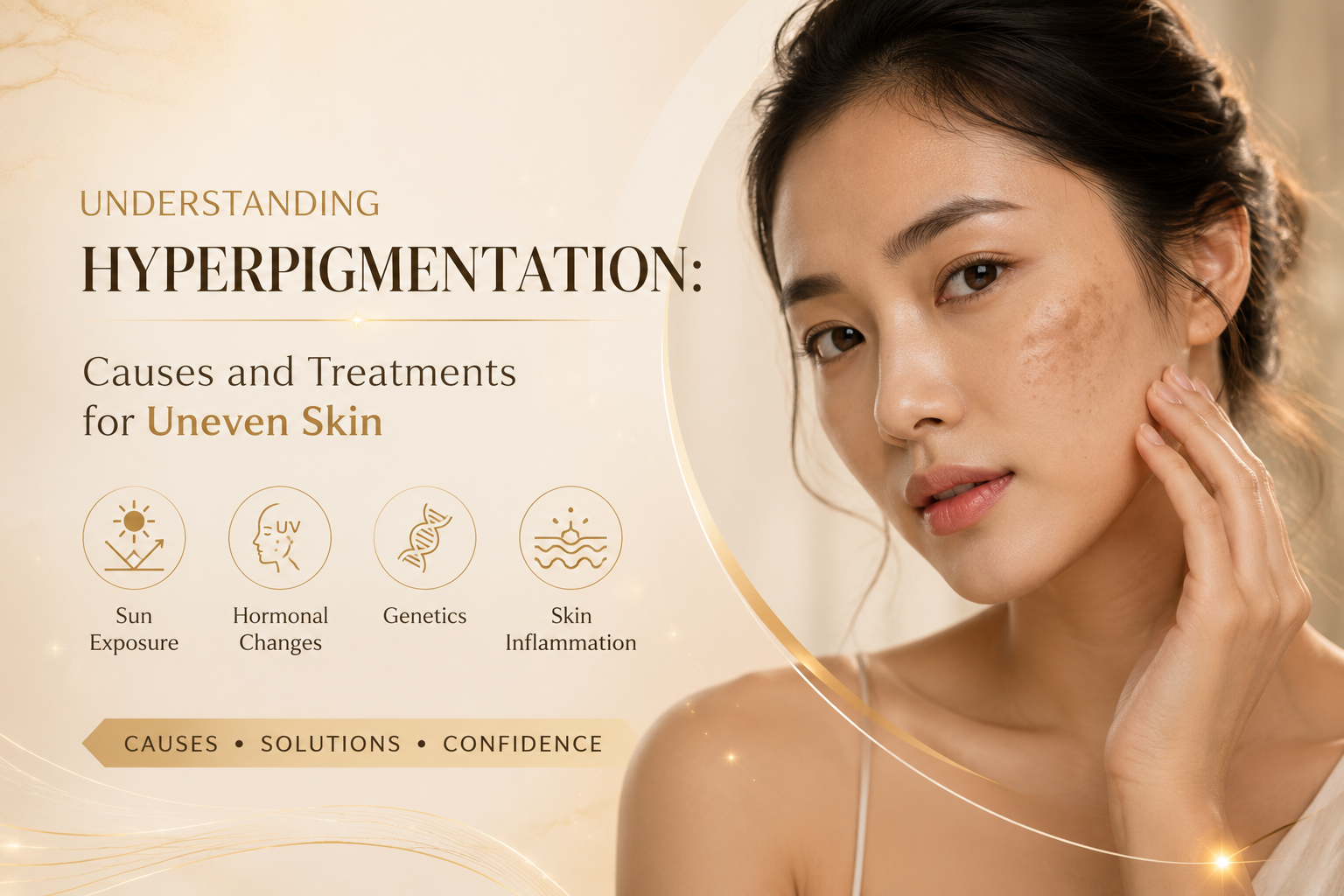
If you’re considering treatments for spider veins, you might also be interested in understanding how to manage skin conditions like hyperpigmentation. A related article that provides valuable insights on this topic is available at Managing Hyperpigmentation: Tips and Treatments. This resource offers tips and various treatment options that can complement your journey towards healthier skin.
The Importance of a Professional Medical Evaluation
Before any therapeutic intervention is initiated, a comprehensive medical assessment by a qualified doctor is standard clinical practice. In a regulated medical environment, this evaluation ensures that cosmetic concerns are not masking deeper, more significant vascular pathologies.
Differentiating Spider Veins from Varicose Veins
During a clinical evaluation, a physician will carefully differentiate superficial spider veins from varicose veins. Varicose veins are larger, deeper, and often characterized by a twisted, bulging, or rope-like appearance beneath the skin. They frequently indicate a more advanced stage of chronic venous insufficiency and may require entirely different medical or surgical approaches. In some clinical scenarios, a doctor may utilize duplex ultrasound imaging to map the underlying venous architecture. This non-invasive diagnostic tool helps ascertain whether the superficial spider veins are being fed by larger, incompetent deeper veins. If deep venous reflux is present, treating only the superficial spider veins may yield suboptimal outcomes, as the underlying elevated pressure must often be addressed first.
The Initial Consultation Process
The consultation serves as an educational and diagnostic forum. The medical professional will typically review the patient’s complete medical history, noting factors such as previous instances of deep vein thrombosis (DVT), bleeding disorders, current medications, and known allergies. A physical examination of the affected areas is conducted to assess the size, depth, and specific characteristics of the vascular networks.
Importantly, this session is utilized to align treatment goals with clinical realities. Healthcare providers will explain that results vary between individuals and that multiple sessions may be necessary to achieve a discernible reduction in appearance. A discussion regarding the limitation of treatments provides the patient with a realistic understanding; no medical intervention is guaranteed to completely prevent the formation of new spider veins in the future. Clinical photography may also be taken solely for the purpose of maintaining accurate medical records and monitoring the progression of the treatment plan.
Evidence-Based Treatment Options for Spider Veins
In medical clinics, the management of spider veins typically involves minimally invasive procedures designed to close off the abnormal vessels, prompting the body to naturally absorb them over time. The choice of modality is guided by the size, location, and color of the vessels, as well as the patient’s skin type.
Micro-sclerotherapy Treatment
Micro-sclerotherapy remains a cornerstone in the management of lower extremity spider veins. This procedure involves the precise injection of a specialized, medical-grade sclerosant solution directly into the targeted micro-vessels using an ultra-fine needle. The generic sclerosant acts as an irritant to the endothelial lining (the inner wall) of the blood vessel. This controlled irritation induces an inflammatory response, causing the vessel walls to swell, adhere to one another, and eventually collapse.
Once the vessel is closed, local blood flow is naturally redirected to healthier, deeper veins. The body’s immune system then gradually clears away the remnants of the collapsed vessel over a period of weeks to months. Clinicians may utilize either liquid or foam forms of the sclerosant, selected based on the specific diameter of the target vein. Because micro-sclerotherapy relies on the physiological clearing process of the body, the fading of the veins is a gradual process rather than an immediate occurrence.
Vascular Laser and Light-Based Therapies
For very fine spider veins, particularly those located on the face or those too small to accommodate a micro-needle, light-based modalities and energy-based skin treatments are frequently recommended. Vascular laser treatments operate on the principle of selective photothermolysis. The laser device emits a specific wavelength of light light that is preferentially absorbed by hemoglobin, the oxygen-carrying protein within red blood cells.
As the laser energy is absorbed, it converts into thermal energy (heat). This precise heating mechanism coagulates the blood and damages the targeted vessel wall, leading to its subsequent collapse, much like the outcome of sclerotherapy. Because these lasers are engineered to target specific chromophores (color pigments) within the tissue, the goal is to safely deliver the necessary thermal energy to the blood vessel while minimizing heat transfer to the surrounding healthy skin. These devices often incorporate integrated epidermal cooling technologies—such as cryogen spray or contact cooling plates—to enhance patient comfort and protect the surface of the skin during the procedure. Intense Pulsed Light (IPL) is another generic category of light-based therapy that utilizes a broader spectrum of light to address more diffuse areas of micro-vascular redness.
Adjunctive Energy-Based Modalities
In certain specialized clinic settings, micro-needling radiofrequency or localized radiofrequency ablation devices may be employed for vascular anomalies. While traditional radiofrequency ablation is commonly reserved for larger varicose veins, fine-tipped topical radiofrequency devices can be used to treat small superficial telangiectasias by delivering localized, high-frequency electrical energy to heat and close the vessel. Treatment plans are highly individualized, and a physician may recommend a combination of therapies—such as utilizing micro-sclerotherapy for slightly larger feeding vessels, followed by vascular laser treatments for the superficial micro-capillary networks.
Navigating Risks, Safety, and Suitability
Every medical procedure carries intrinsic risks. A professional medical environment relies on evidence-based protocols to manage these risks, and patient education is paramount in this regard.
Assessing Patient Suitability
Not all individuals are suitable candidates for spider vein reduction therapies. Contraindications exist and must be strictly observed to maintain patient safety. For instance, pregnant or nursing women are typically advised to postpone elective vascular treatments, naturally allowing for potential post-partum hormonal stabilization. Patients with a documented history of severe peripheral arterial disease, deep vein thrombosis, or significant coagulation disorders require extensive evaluation and may not be medically eligible for specific procedures. Similarly, individuals with active skin infections, compromised immune systems, or those currently taking certain photosensitizing medications (in the context of laser therapies) may be deferred until underlying issues are resolved.
Understanding Potential Risks and Side Effects
Patients must understand that while procedures are generally well-tolerated, they are not completely free from potential adverse events. Common, transient side effects associated with targeted vascular treatments include localized erythema (redness), mild swelling, and localized bruising at the treatment sites.
In micro-sclerotherapy, a specific risk known as post-inflammatory hyperpigmentation or hemosiderin staining may occur. This manifests as a brownish discoloration along the path of the treated vein, resulting from the release and degradation of iron from broken red blood cells. While this staining typically fades over time, it can persist for several months or, in rare cases, longer. Another known risk is neovascularization, or “matting,” a phenomenon where a new network of even finer, blush-like blood vessels develops around the treated area.
Laser treatments carry the risk of thermal injury if not appropriately managed, potentially resulting in blistering, changes to skin texture, or temporary hyperpigmentation and hypopigmentation (darkening or lightening of the skin). Severe complications such as localized tissue ulceration or significant allergic reactions to sclerosant solutions are clinically rare but possible, underscoring the necessity of having these treatments performed by a trained and qualified medical professional capable of managing complications.
If you’re considering treatments for spider veins, it’s essential to understand how to prepare your skin for optimal results. A related article discusses the best practices for skin care leading up to significant events, such as the Lunar New Year, and highlights when to start laser treatments. You can read more about this in the article on preparing your skin for special occasions here. This information can be particularly useful for those looking to enhance their appearance before festive gatherings.
Post-Treatment Care and Long-Term Management
| Metrics | Data |
|---|---|
| Number of Patients Treated | 500+ |
| Treatment Success Rate | 90% |
| Types of Treatments Offered | Sclerotherapy, Laser Therapy |
| Qualified Medical Professionals | Board-certified Dermatologists |
| Location | Singapore CBD |
The success and safety of spider vein treatments are heavily dependent on patient compliance with detailed post-procedural care instructions. Proper aftercare helps to mitigate the incidence of side effects and supports the body’s healing process.
Immediate Aftercare Guidelines
Following micro-sclerotherapy, clinicians generally prescribe the use of medical-grade graduated compression stockings. Patients are typically instructed to wear these garments during the daytime for a specified period, spanning from a few days to a couple of weeks, depending on the extent of the treatment. Compression helps to maintain the closure of the treated vessel walls, reducing blood pooling and minimizing the potential for extensive bruising or complications.
Patients undergo observation for a short period post-treatment to ensure there are no acute adverse responses. Subsequently, they are usually advised to engage in light, low-impact ambulation, such as steady walking, to promote healthy deep venous circulation. Conversely, strenuous physical exertion, heavy weightlifting, and activities that significantly increase core body temperature or cause extreme vasodilation—such as hot baths, thermal saunas, and prolonged sun exposure—must be strictly avoided during the initial healing phase.
For those undergoing vascular laser therapy on the face or body, strict adherence to broad-spectrum sun protection is critical. The skin will temporarily be more vulnerable to ultraviolet (UV) radiation, and unprotected exposure significantly increases the risk of post-inflammatory hyperpigmentation.
Lifestyle Adjustments for Vascular Health
While specific medical treatments may help address existing spider veins, they do not cure underlying venous predispositions or prevent the natural aging of the vascular system. Consequently, long-term lifestyle management is an integral component of comprehensive vascular care.
Medical professionals often recommend maintaining a healthy body mass to reduce undue pressure on the lower extremities. Incorporating regular, moderate exercise that engages the calf muscles—often referred to as the “peripheral heart”—helps efficiently pump venous blood back toward the upper body. For individuals engaged in occupations requiring static standing or sedentary desk work, periodic movement breaks, ankle exercises, and the prophylactic use of mild compression stockings may aid in maintaining optimal venous circulation. When resting, elevating the legs above the level of the heart can facilitate venous return and alleviate localized pressure.
Individuals considering any form of intervention for superficial spider veins are encouraged to schedule a formal assessment with a qualified healthcare provider. Through careful evaluation, clear communication of potential risks, and the application of evidence-based modalities, medical clinics strive to provide safe, individualized management plans that prioritize patient well-being and adhere to established physiological principles.
FAQs
What are spider veins?
Spider veins are small, damaged veins that can appear on the surface of the legs or face. They often look like a spider web or tree branches and are typically red, blue, or purple in color.
What is a spider vein clinic?
A spider vein clinic is a medical facility that specializes in the diagnosis and treatment of spider veins. These clinics are staffed by medical professionals who are trained in various treatment options for spider veins.
What treatments are available at a spider vein clinic in Singapore?
Treatments for spider veins at a clinic in Singapore may include sclerotherapy, laser therapy, and other minimally invasive procedures. The specific treatment recommended will depend on the individual’s condition and the severity of their spider veins.
How do I know if I need to visit a spider vein clinic?
If you have visible spider veins that are causing discomfort, pain, or self-consciousness, it may be beneficial to visit a spider vein clinic for an evaluation and potential treatment options.
Are spider vein treatments covered by insurance in Singapore?
In Singapore, spider vein treatments may be covered by insurance if they are deemed medically necessary. However, coverage can vary depending on the individual’s insurance plan and the specific treatment being recommended. It’s best to check with your insurance provider for details on coverage.