Uneven skin tone, commonly referred to as hyperpigmentation, is a frequent dermatological concern, particularly in regions with a high UV index such as Singapore. While hyperpigmentation is a common biological response, it is a complex condition with various underlying causes, clinical presentations, and management strategies. Managing uneven skin tone requires a comprehensive understanding of how and why the skin produces excess pigment, as well as an awareness of the medically backed treatments available.
This article aims to provide an educational overview of hyperpigmentation, explaining the physiological mechanisms behind it, identifying common forms of the condition, and detailing the clinical approaches that may help improve its appearance. It is important to note that individual skin responds differently to various interventions, and all medical procedures carry inherent risks and limitations.
Hyperpigmentation is an overarching clinical term used to describe patches or spots of skin that become darker than the surrounding normal tissue. This darkening occurs when an excess of melanin, the brown pigment that produces normal skin color, forms deposits in the skin.
The Role of Melanin
Melanin is a complex polymer derived from the amino acid tyrosine. It is produced by specialized cells called melanocytes, which are located in the basal layer of the epidermis (the outermost layer of the skin). Melanin serves a vital biological function: it absorbs and dissipates harmful ultraviolet (UV) radiation, protecting the DNA within skin cells from damage. There are two primary types of melanin produced in human skin: eumelanin, which is dark brown or black, and pheomelanin, which is red or yellow. The ratio and distribution of these pigments determine an individual’s natural skin tone.
How Pigmentation Develops
The process of melanin production is known as melanogenesis. When the skin is exposed to triggers such as UV light, hormones, or inflammation, melanocytes are stimulated to produce more melanin. The enzyme tyrosinase plays a critical role in this process by catalyzing the first step of melanin production.
Once synthesized, melanin is packaged into small transport vesicles known as melanosomes. These melanosomes are then transferred from the melanocytes into the surrounding keratinocytes (the most common type of skin cell). As the keratinocytes naturally migrate toward the surface of the skin over the course of a typical cellular turnover cycle, the accumulated pigment becomes visible as a darkened spot or patch. When this distribution is uneven or concentrated in specific areas, it presents clinically as hyperpigmentation.
Hyperpigmentation is a common skin condition that can be influenced by various factors, including genetics, ethnicity, and skin type. For those looking to understand how these elements play a role in personalizing treatment plans for hyperpigmentation, a related article can provide valuable insights. You can read more about this topic in the article titled “Personalizing Treatment Plans: How Genetics, Ethnicity, and Skin Type Influence Aesthetic Outcomes” available at this link.
Common Types of Hyperpigmentation
Hyperpigmentation is not a single condition but rather a category of skin concerns. Identifying the specific type of pigmentation is a crucial step in understanding the condition, as different types respond to different management approaches.
Melasma
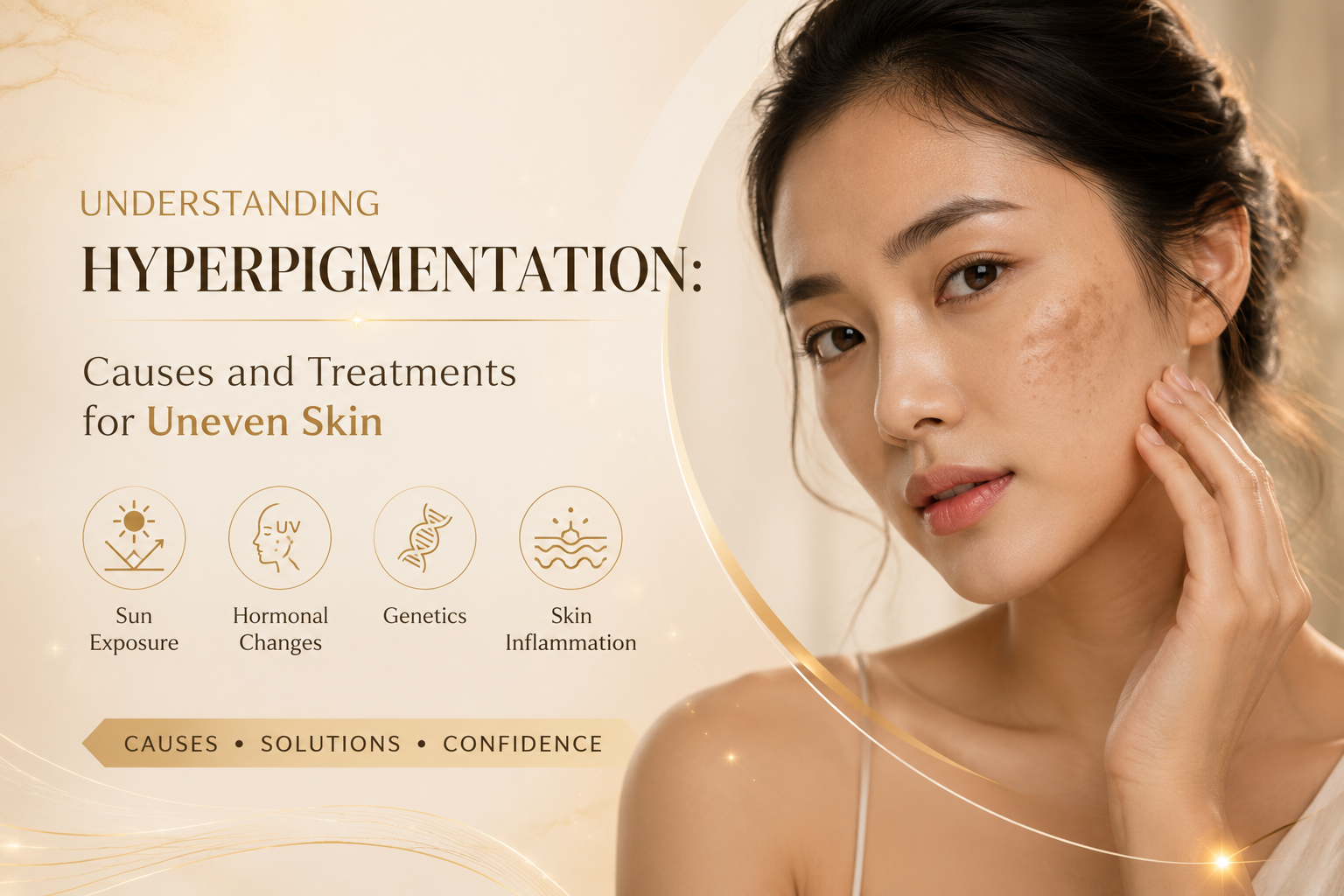
Melasma is a specific type of hyperpigmentation characterized by symmetrical, blotchy, brownish, or grayish patches, typically appearing on the face. Common areas include the cheeks, nasal bridge, forehead, chin, and upper lip. Melasma is known to be deeply intertwined with hormonal fluctuations, which is why it is frequently observed during pregnancy or in individuals taking oral contraceptives. Melasma is often considered a chronic condition; it may be challenging to manage, as it can reside in both the superficial epidermis and the deeper dermis, and is highly prone to recurring with minimal sun exposure or heat.
Sun Spots (Solar Lentigines)
Also referred to as age spots or liver spots, solar lentigines are flat, darkened patches that usually present on areas of the body subjected to frequent sun exposure, such as the face, hands, shoulders, and arms. Unlike melasma, sun spots are primarily driven by cumulative, long-term exposure to ultraviolet radiation rather than hormonal changes. They vary in size and typically increase in number and prominence as an individual ages.
Post-Inflammatory Hyperpigmentation (PIH)
Post-inflammatory hyperpigmentation (PIH) occurs as a direct response to injury, trauma, or inflammation of the skin. When the skin experiences an inflammatory event—such as an acne breakout, an eczema flare-up, a burn, or an overly aggressive cosmetic treatment—the inflammatory cascade triggers melanocytes to produce excess melanin as part of the healing process. PIH typically presents as flat spots of discoloration at the exact site of the previous inflammation. These spots can range from pink or red to brown or black, depending on the individual’s baseline skin tone and the depth of the pigment deposition.
Underlying Causes and Trigger Factors
Understanding the environmental, physiological, and genetic factors that trigger melanogenesis is essential for both the management and prevention of hyperpigmentation.
Ultraviolet (UV) Exposure
Ultraviolet radiation from the sun is the most significant exogenous (external) trigger for melanin production. UV rays penetrate the skin and induce oxidative stress, causing DNA damage within the cells. In response, the body signals melanocytes to synthesize more melanin to create a protective barrier. UVA rays are primarily responsible for immediate pigment darkening, while UVB rays stimulate delayed, long-lasting melanin production. Continual, unprotected exposure leads to chronic overactivity of melanocytes, resulting in uneven pigment distribution.
Hormonal Fluctuations
Endogenous (internal) hormonal changes play a major role in the development of melasma. Estrogen and progesterone can upregulate the expression of tyrosinase, the key enzyme in pigment production. When these hormones fluctuate due to pregnancy, hormone replacement therapy, or thyroid dysfunction, the melanocytes can become hypersensitive. Consequently, even a mild amount of UV exposure can trigger a disproportionately large release of melanin.
Skin Inflammation and Injury
Any condition or event that disrupts the dermal-epidermal junction or causes inflammation in the cutaneous tissue can lead to hyperpigmentation. Inflammatory mediators, such as prostaglandins and cytokines, are released by the body during wound healing. These mediators inadvertently stimulate melanocytes. Individuals with darker Fitzpatrick skin types (a numerical classification schema for human skin color) possess melanocytes that are inherently more reactive to inflammation, making them more susceptible to PIH.
Genetic Predisposition
Genetics also dictates an individual’s basal skin tone and their susceptibility to pigmentation disorders. Some people inherit a tendency to develop freckles (ephelides) or melasma. Genetic factors influence the size, number, and distribution of melanosomes, as well as the relative reactivity of melanocytes to environmental stimuli.
Clinical Approaches to Managing Hyperpigmentation
If an individual wishes to address uneven skin tone, a medical consultation is required to diagnose the specific type of hyperpigmentation. Medical and aesthetic practitioners utilize various clinical approaches to manage excess pigment. These interventions may help improve the appearance of the skin, though results vary between individuals.
Topical Treatments and Prescription Creams
Topical therapy is often the first line of management for hyperpigmentation. These formulations are designed to interfere with the melanogenesis pathway, most commonly by inhibiting the tyrosinase enzyme.
- Tyrosinase Inhibitors: Ingredients such as hydroquinone, kojic acid, azelaic acid, and arbutin work by blocking the enzymatic processes required to create melanin. Hydroquinone, a potent prescription-only medication in Singapore, is often used under strict medical supervision due to the risk of side effects with prolonged use.
- Cellular Turnover Accelerators: Retinoids (vitamin A derivatives) and various exfoliating acids work by accelerating the turnover rate of skin cells. This promotes the shedding of older, pigmented surface cells, allowing newer, evenly pigmented skin to surface.
- Melanin Transfer Inhibitors: Ingredients like niacinamide block the transfer of melanosomes from melanocytes to keratinocytes, thereby reducing visible pigmentation on the skin’s surface.
- Tranexamic Acid: Used topically or organically under medical prescription, tranexamic acid interferes with the plasminogen/plasmin pathway, reducing the inflammatory signals that trigger melanocyte activation, particularly in melasma.
Chemical Peels
Chemical peeling involves the application of a chemical solution—such as alpha-hydroxy acids (AHAs), beta-hydroxy acids (BHAs), or trichloroacetic acid (TCA)—to the skin. This controlled application induces an accelerated exfoliation of the epidermis. By removing the outermost layers of dead skin cells (the stratum corneum) where superficial melanin is trapped, chemical peels may help improve skin tone and texture. The depth of the peel determines its efficacy and the associated downtime, and must be carefully selected based on the patient’s skin type to minimize risks.
Energy-Based Skin Treatments (Lasers and IPL)
Energy-based devices offer targeted approaches to hyperpigmentation by utilizing the principle of selective photothermolysis.
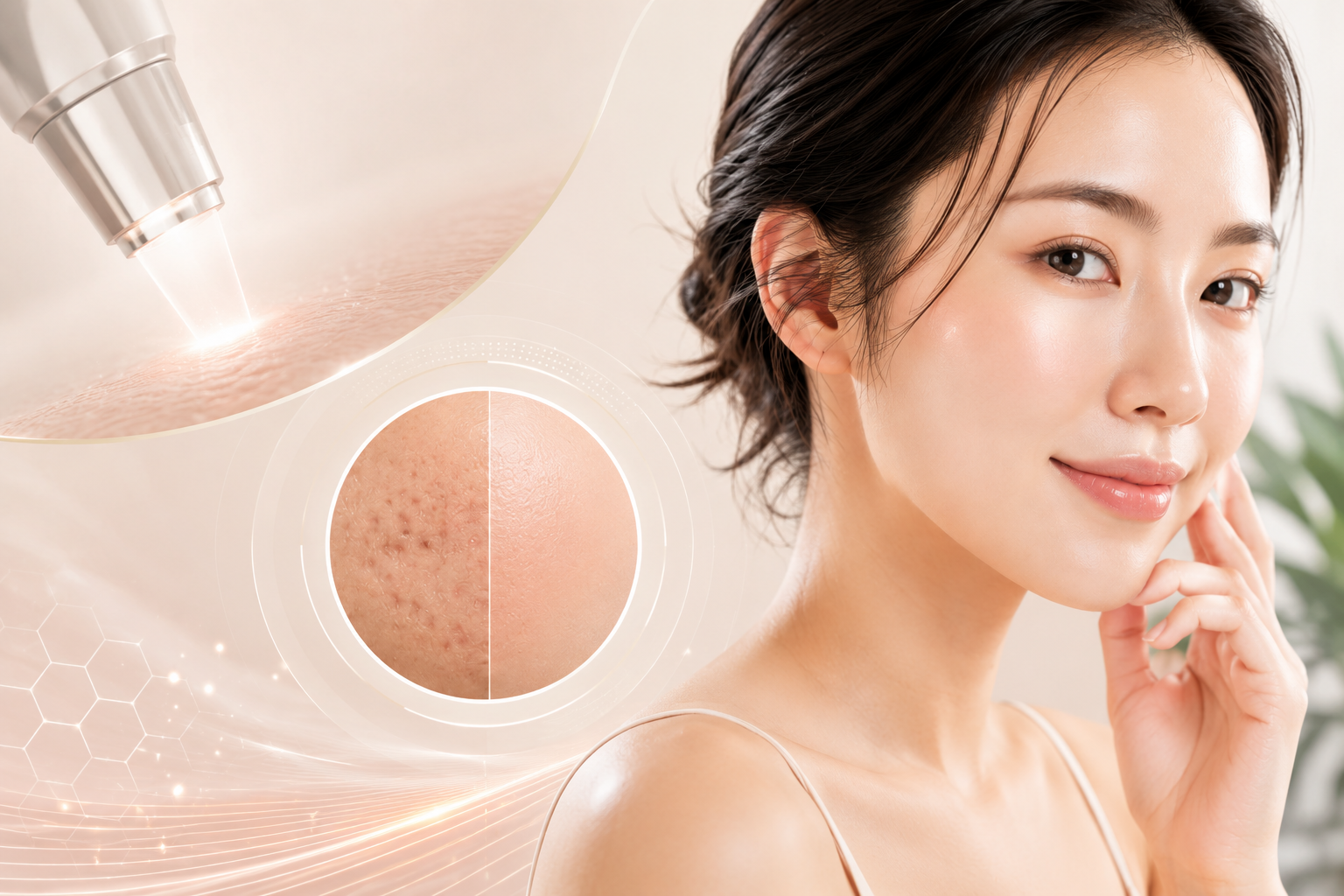
- Laser Therapy: Laser devices emit a single, concentrated wavelength of light that is selectively absorbed by melanin (the target chromophore). The absorbed light converts to heat and acoustic energy, which shatters the pigmented particles into microscopic fragments. The body’s immune system then naturally clears these fragments over time. Modalities such as Q-switched nanosecond lasers and picosecond technology are commonly utilized, as their ultra-short pulse durations help minimize unwanted thermal damage to surrounding tissue.
- Intense Pulsed Light (IPL): Unlike lasers, IPL devices emit a broad spectrum of light wavelengths. Filters are used to target superficial pigmentation. IPL is generally more suited for fair skin types with superficial sun damage and may not be appropriate for deeper forms of pigmentation like dermal melasma.
Microneedling and Targeted Delivery
Microneedling involves the use of fine, sterile needles to create micro-injuries in the skin, initiating a wound-healing response and stimulating collagen production. In the context of hyperpigmentation, this technique can be used to enhance the transdermal delivery of superficial depigmenting serums and medications, allowing tyrosinase inhibitors to penetrate more efficiently into the deeper layers of the epidermis.
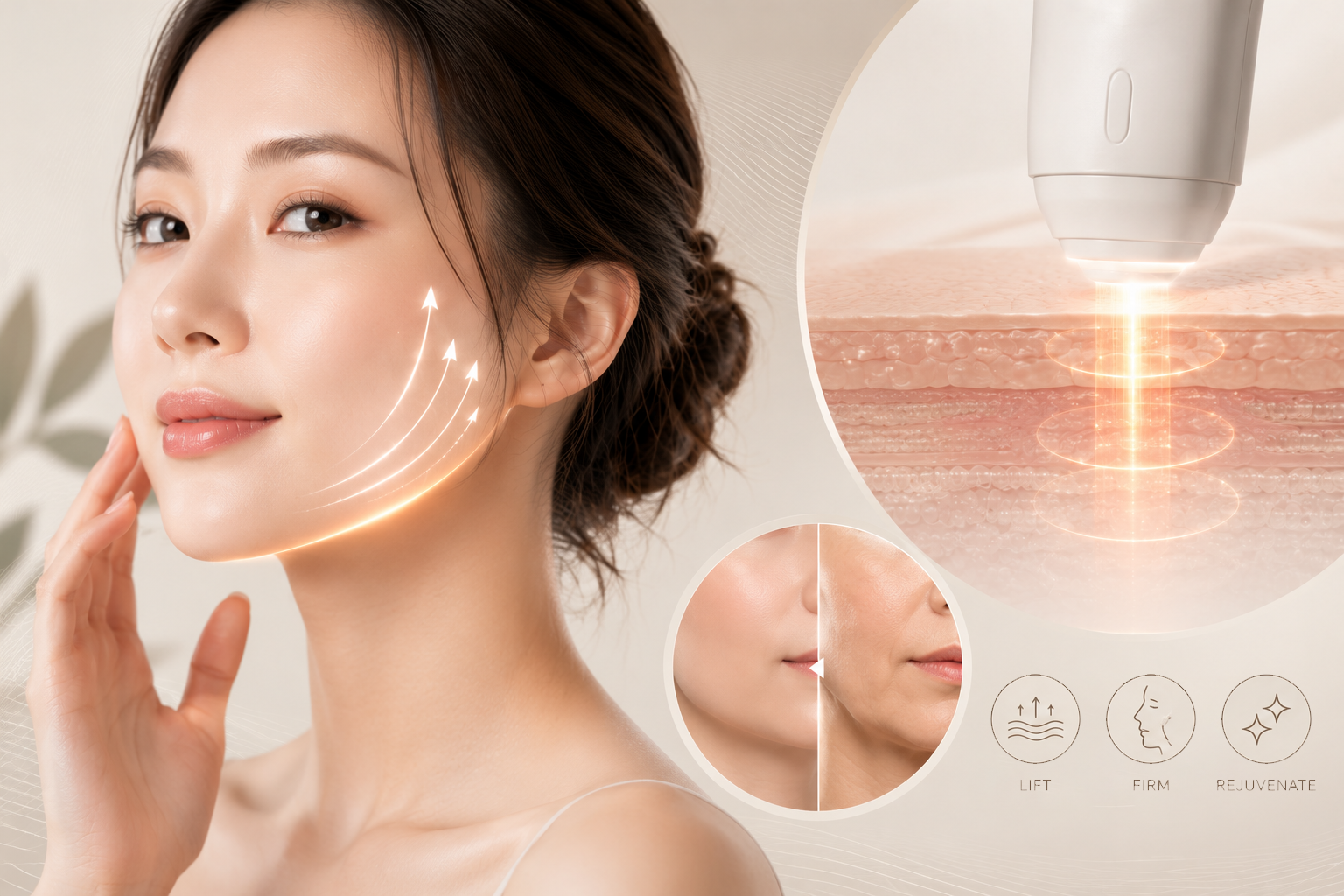
Hyperpigmentation can be a common skin concern for many individuals, often resulting from sun exposure, hormonal changes, or skin injuries. If you’re looking for effective treatment options, you might find it helpful to explore advanced techniques like HIFU, which is gaining popularity for its skin rejuvenation benefits. For more information on this innovative treatment, you can read about it in this informative article on HIFU therapy. Check it out here: HIFU Treatment Guide.
Risks, Suitability, and Expectations
| Metrics | Values |
|---|---|
| Prevalence | Common in all skin types |
| Causes | UV exposure, hormonal changes, inflammation |
| Treatment | Topical creams, laser therapy, chemical peels |
| Impact | Psychological distress, self-esteem issues |
While there are numerous clinical options for addressing hyperpigmentation, patient safety and the management of expectations are paramount. The Singapore Healthcare Services Act (HCSA) mandates that medical treatments focus on safe, evidence-based practices without offering unrealistic guarantees.
Assessing Suitability for Treatments
Not every treatment is suitable for every individual. Patients with darker skin tones (Fitzpatrick types IV-VI) face a higher risk of adverse reactions from energy-based treatments and deep chemical peels. The pre-existing melanin in darker skin can competitively absorb laser energy, leading to unintentional heating and damage. Therefore, a thorough clinical assessment by a qualified medical professional is essential to determine a safe protocol, often requiring the use of lower energy settings, specific wavelengths, or alternative topical approaches.
Potential Risks and Side Effects
All aesthetic procedures carry potential risks. Topical treatments, particularly clinical-grade retinoids and hydroquinone, can cause erythema (redness), dryness, peeling, and irritation. A paradoxical condition known as exogenous ochronosis—a permanent blue-black discoloration of the skin—can occur if hydroquinone is used unsupervised for extended periods.
Energy-based treatments and chemical peels present risks of thermal injury, blistering, or scarring if applied incorrectly. The most common complication in pigmentation treatments is inadvertently triggering Post-Inflammatory Hyperpigmentation (PIH). Conversely, over-treatment can lead to hypopigmentation, wherein the melanocytes are permanently destroyed, resulting in localized white patches that are exceedingly difficult to reverse.
Managing Expectations
It is important to understand that there is no absolute cure for conditions like melasma, and results are never guaranteed or permanent. Pigmentation treatments aim to manage and suppress melanin overproduction and clear existing deposits. Results vary strictly between individuals based on their genetics, age, severity of the condition, and hormonal status. Multiple sessions spanning several months are usually necessary before measurable improvements may be visible. Furthermore, maintenance therapy is almost always required to sustain clinical outcomes.
Preventive Measures and Daily Management
Since hyperpigmentation is deeply influenced by environmental factors, maintaining clinical results and preventing new spots from forming requires a steadfast commitment to daily skin management protocols.
Sun Protection Strategies
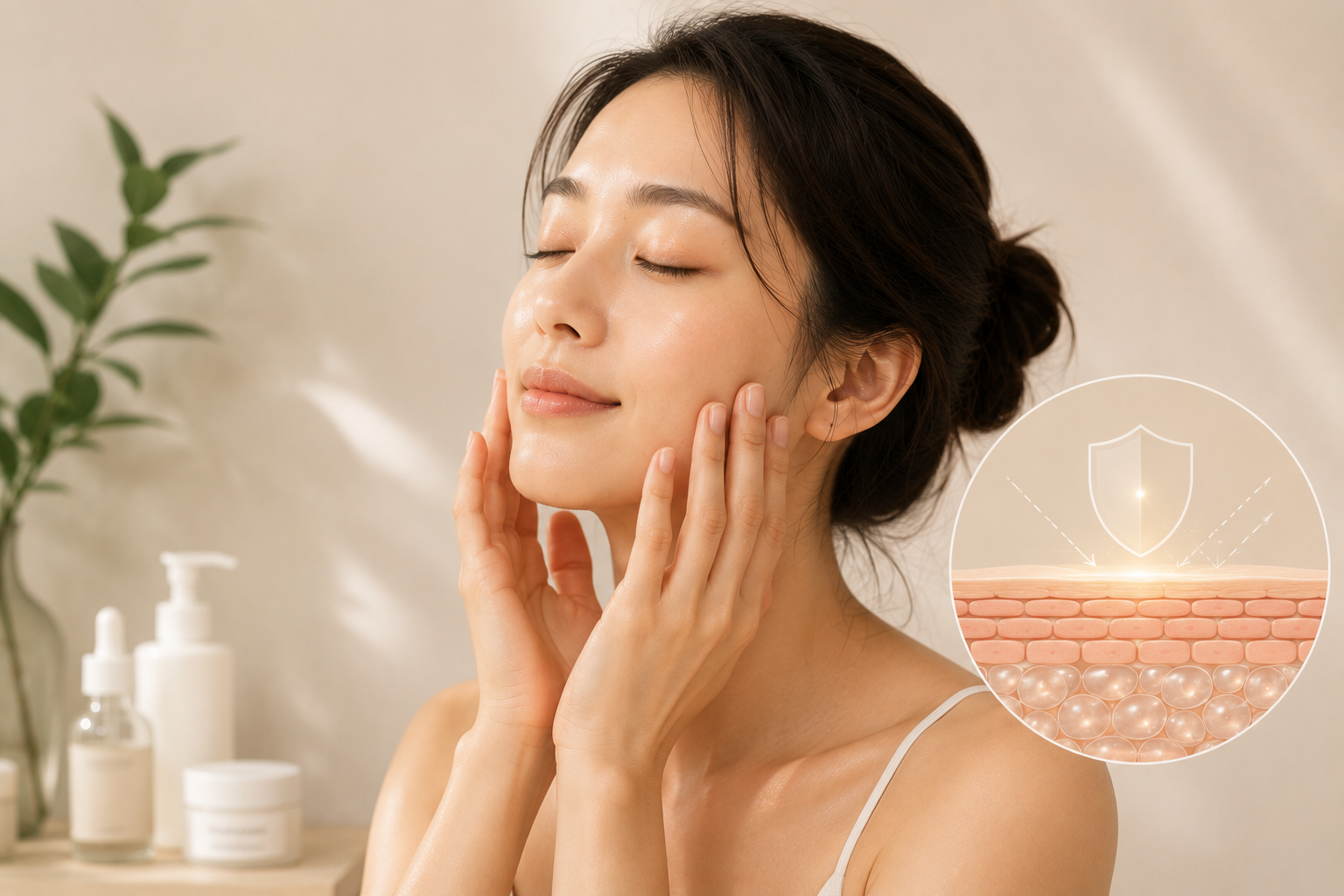
Consistent, rigorous UV protection is the cornerstone of managing uneven skin tone. Without sun protection, clinical treatments are largely rendered ineffective. Individuals should apply a broad-spectrum sunscreen daily, ensuring it provides defense against both UVA and UVB rays (often indicated by SPF 30 or higher and a high PA rating).
For conditions like melasma, which can also be aggravated by visible light and heat, sunscreens containing physical blockers such as zinc oxide, titanium dioxide, and iron oxide provide an added layer of defense. In addition to topical sunscreen, physical protection through wide-brimmed hats, UV-protective umbrellas, and seeking shade during peak daylight hours is strongly advised.
Gentle Skincare Practices
To minimize the risk of post-inflammatory hyperpigmentation, it is crucial to avoid unnecessarily traumatizing the skin. This includes refraining from picking or squeezing acne lesions, avoiding aggressive physical scrubs, and maintaining a healthy skin barrier through the use of proper moisturization. Integrating antioxidants, such as vitamin C, into a morning skincare routine may also help neutralize free radicals generated by environmental exposure, thereby reducing secondary inflammatory cascades.
In summary, hyperpigmentation is a multifaceted condition characterized by the overproduction and uneven distribution of melanin. By thoroughly understanding its causes—spanning UV exposure, hormonal shifts, and inflammatory responses—individuals can better navigate their condition. While topicals, chemical peels, and energy-based skin treatments may help improve the appearance of uneven skin tone, these medical interventions carry inherent risks and require a personalized approach carefully managed by a medical professional. Ongoing maintenance and rigorous sun protection remain essential strategies for the long-term management of skin health.
FAQs
What is hyperpigmentation?
Hyperpigmentation is a common skin condition that causes patches of skin to become darker than the surrounding areas. This occurs when there is an overproduction of melanin, the pigment that gives skin its color.
What causes hyperpigmentation?
Hyperpigmentation can be caused by a variety of factors, including sun exposure, hormonal changes (such as pregnancy or birth control), inflammation, and skin injuries such as acne or eczema. Certain medications and medical conditions can also contribute to hyperpigmentation.
How is hyperpigmentation treated?
Treatment for hyperpigmentation may include topical creams or serums containing ingredients like hydroquinone, retinoids, or vitamin C. Chemical peels, microdermabrasion, and laser therapy are also options for more severe cases. It’s important to use sunscreen daily to prevent further darkening of the affected areas.
Can hyperpigmentation be prevented?
Preventing hyperpigmentation involves protecting the skin from sun exposure by using sunscreen with a high SPF, wearing protective clothing, and seeking shade during peak sun hours. It’s also important to address any underlying medical conditions or hormonal imbalances that may contribute to hyperpigmentation.
Is hyperpigmentation a serious medical condition?
Hyperpigmentation is generally not a serious medical condition, but it can have a significant impact on a person’s self-esteem and confidence. In some cases, it may be a symptom of an underlying medical issue, so it’s important to consult a dermatologist for an accurate diagnosis and appropriate treatment.